Quick answer
To measure your dog for a harness, use a soft tape measure to record chest girth at the widest point behind the front legs, neck circumference at the base, and back length from neck to tail. Compare those numbers to the PAGERIE size options for the harness you want. If your dog falls between sizes, size up for comfort, especially with styles like The Petite that offer adjustable sizing.
Gather the right tools before you start
A flexible cloth tape measure gives the most accurate reading because it contours to your dog's body. If you only have a rigid tape measure, use a piece of string or ribbon to wrap around your dog, then lay that string flat against a ruler. You will also want a few small treats to keep your dog standing still and a second person to help hold your dog if they are wiggly. Measuring a dog who is sitting or lying down will give you a shorter chest girth than a standing measurement, so always measure while your dog is standing on all fours.
Measure chest girth at the widest point
Chest girth is the most important measurement for harness sizing. Wrap the tape around the widest part of your dog's ribcage, usually just behind the front legs. The tape should sit snug against the fur but not compress the skin. If your dog has a thick coat, part the fur slightly so the tape touches the body rather than sitting on top of the hair. Write down the number in inches or centimeters and measure twice to confirm. A difference of more than half an inch between readings means you should measure again with the tape held more level.
Measure neck and back length for full coverage
Neck circumference helps you choose a harness that will not slip over the head or rub the throat. Measure around the base of the neck where a collar would naturally sit, not up near the ears. Back length is measured from the base of the neck to the base of the tail along the spine. This measurement matters most for harnesses with a longer body panel, and it helps you confirm that the harness will not interfere with your dog's movement or bathroom habits. Record all three numbers together so you can compare them against the size options for the specific PAGERIE harness you are considering.
Match measurements to PAGERIE size options
PAGERIE harnesses list available sizes as an option type, so check the product page for the specific size range offered. The Petite, for example, offers both colour and size options and is designed for cats and small dogs. That means the size range is tailored to smaller frames, and your chest girth measurement should fall within the listed range for that product. If your dog is between two sizes, choose the larger size if the harness has adjustable straps, or contact PAGERIE for guidance if the design has limited adjustability. Never choose a size based on breed alone, because body shape varies widely even within the same breed.
Do a fit check after the harness arrives
Once your harness arrives, put it on your dog and check the fit before the first walk. You should be able to slide two fingers flat between the harness and your dog's body at the chest and neck. The harness should not slide side to side when your dog walks, and it should not restrict shoulder movement. Watch for rubbing behind the front legs or under the belly, which are common friction points. If the harness leaves red marks or your dog tries to back out of it, the fit needs adjustment or a different size.
Step-by-step harness measuring process
- Stand your dog on a level surface: Ask your dog to stand still on all fours with treats ready. Measure while standing, not sitting or lying down, because a sitting position shortens the chest girth reading. Checkpoint: your dog should be calm and square before you wrap the tape.
- Wrap the tape around the widest part of the chest: Place the tape just behind the front legs and bring it around the fullest part of the ribcage. Keep the tape level and snug against the body without pulling tight. Common mistake: measuring over a thick coat without parting the fur, which adds inches to the reading.
- Measure the base of the neck: Wrap the tape around the neck where a collar sits, not up by the ears. This tells you whether the harness opening will clear your dog's head comfortably. Checkpoint: the tape should touch fur but not press into the skin.
- Measure back length from neck to tail: Run the tape along the spine from the base of the neck to the base of the tail. This helps confirm the harness body panel will not be too long or too short. Common mistake: following the curve of the back loosely instead of keeping the tape straight along the spine.
- Record all three numbers and compare to the size options: Write down chest girth, neck, and back length. Look at the size options listed for the specific PAGERIE harness you want and match your chest girth first, since that is the primary sizing measurement. If you are between sizes, size up when the harness has adjustable straps.
- Re-measure once to confirm: Take every measurement a second time. If any reading differs by more than half an inch, adjust the tape and measure again until you get two consistent numbers. Checkpoint: consistent readings mean you can order with confidence.
PAGERIE products that use these measurements
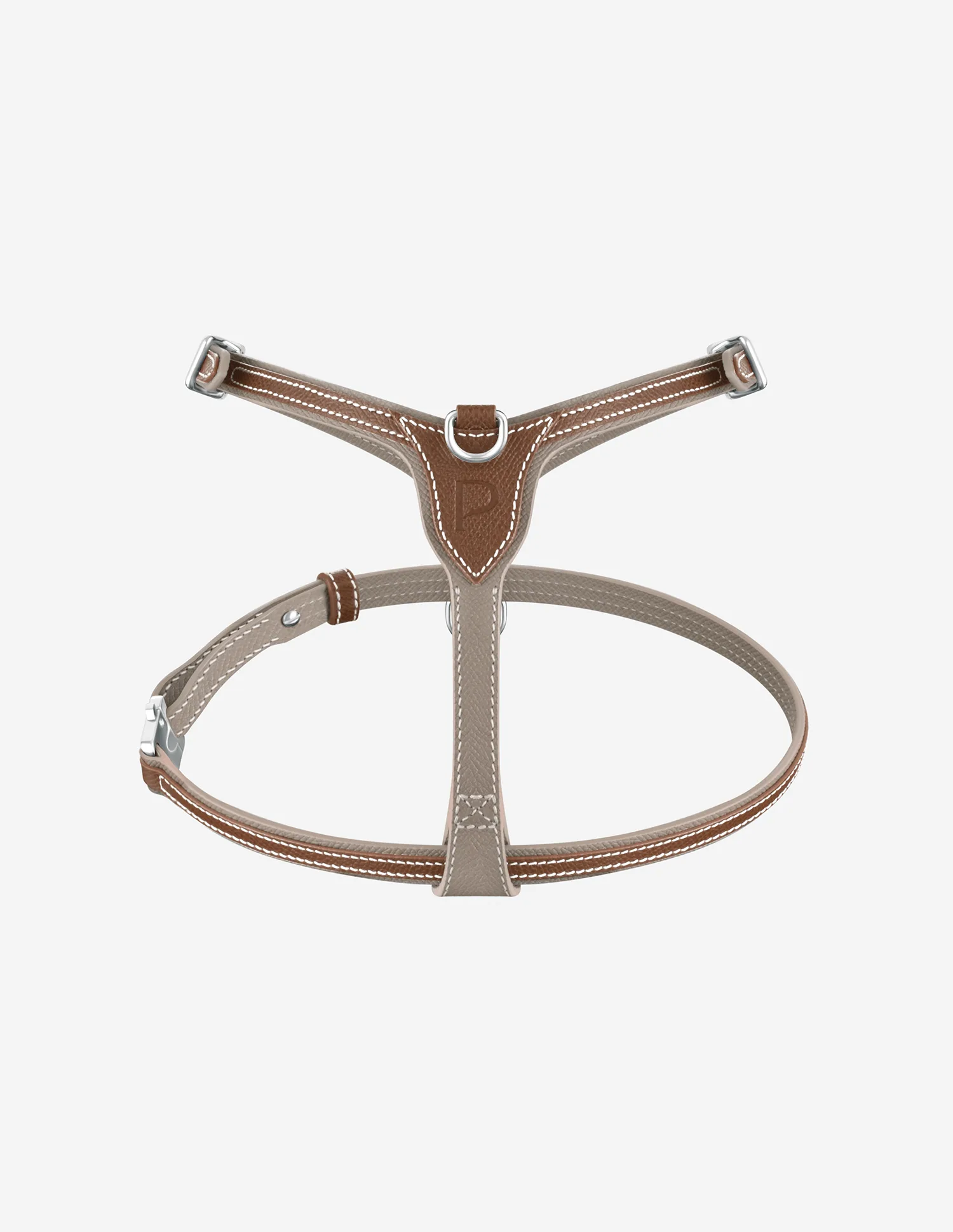
- The Petite: The Petite Harness offers colour and size options and is designed for cats or small dogs. Chest girth and neck measurements determine which Petite size fits your small pet, and the size options let you match a lightweight harness to a smaller frame.