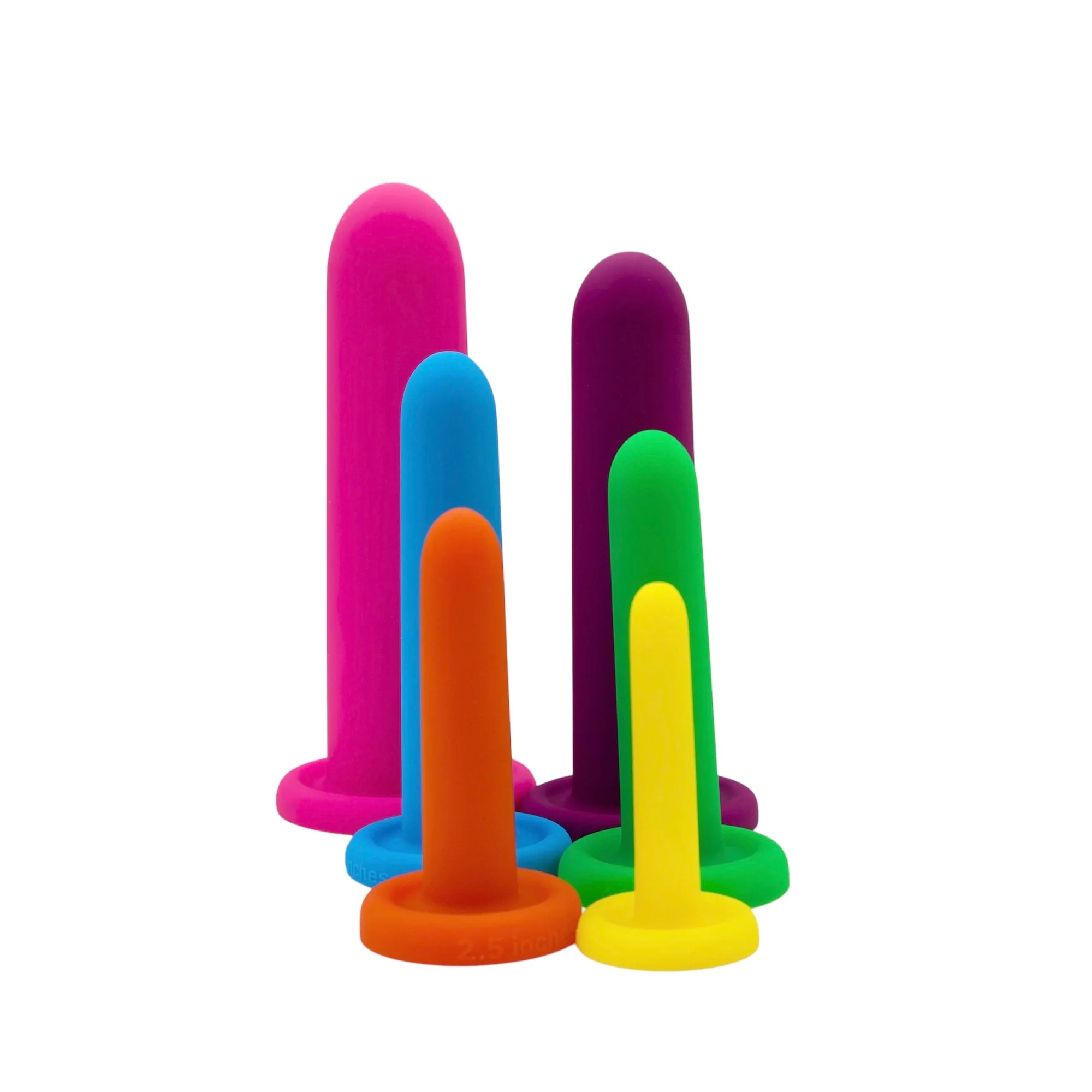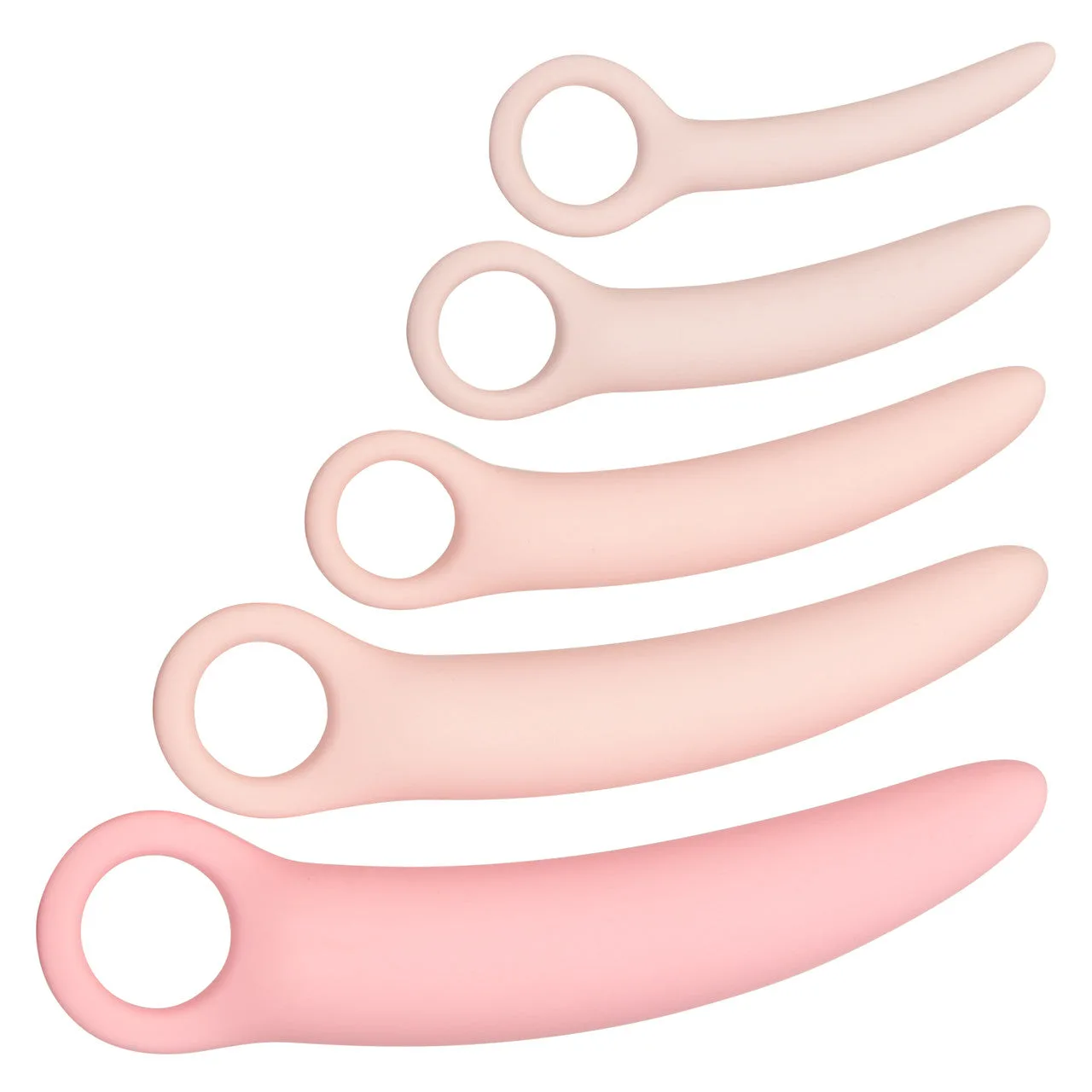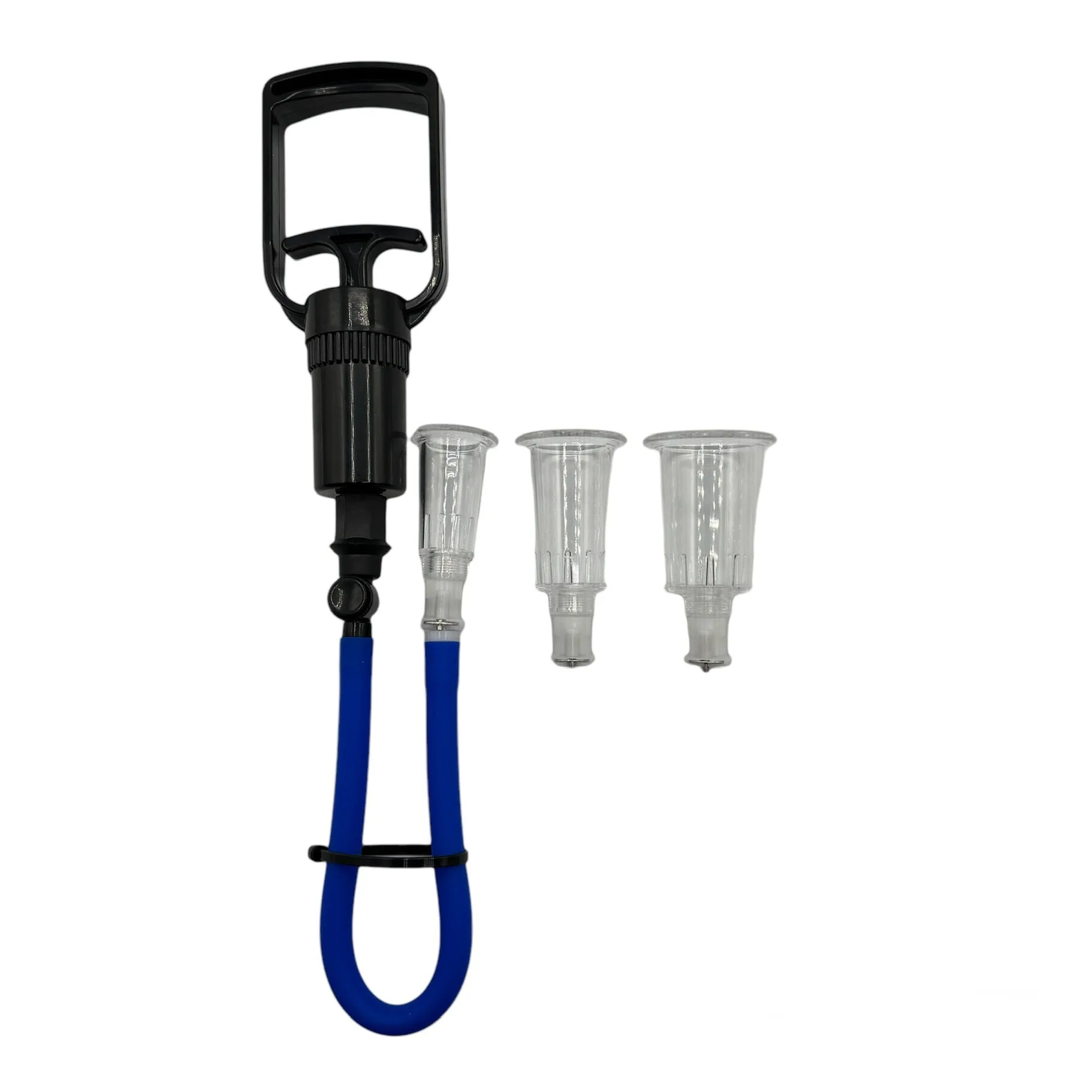
Quick answer
Most pompe and dilatateur myths come from mixing up three separate things: the device, the routine, and the underwear or support you pair with it. There is no single setting, size, or schedule that works for everyone. Focus on fit, cleanliness, and comfort signals from your body rather than chasing viral claims.
Why these myths spread so easily
Pompe and dilatateur conversations often blend medical guidance, community folklore, and product marketing into one blur. When someone says a pump or dilator “should” feel a certain way, they are usually describing their own body, their own device, and their own routine, not a universal rule. The honest position is that comfort, sizing, and duration depend on your anatomy, your goals, and the support you use afterward.
That is why myth-busting here is not about declaring one product superior. It is about separating claims you can verify from claims you cannot. If a statement depends on a specific study, a specific clinician, or a specific measurement that is not in front of you, treat it as a starting point for your own questions, not a settled fact.
What actually changes your experience
The variables that consistently matter are fit, material, hygiene, and how long you use a device in one session. A pompe or dilatateur that is too large, too small, or paired with the wrong support garment will feel wrong regardless of brand. Similarly, a device that is comfortable for ten minutes may not be comfortable for thirty, and that is normal, not a sign of failure.
Support matters more than most people expect. Underwear designed for packers or STP devices, for example, keeps a prosthesis positioned with a front or inner pocket rather than relying on friction. That same principle applies to how you manage a dilatateur routine: the surrounding setup, not just the device, determines whether the experience is sustainable.
How to test a claim without guessing
When you hear a strong claim about pompe or dilatateur use, ask three questions: Does it name a specific device or size? Does it describe a routine or only a result? Does it account for individual anatomy? If the answer to any of these is no, the claim is probably a personal experience dressed up as a rule.
You can also test claims against your own catalog facts. If a product description says a silicone O-ring measures 3.80 cm, that is a concrete number you can compare to your own needs. If a description says nothing about a specification, do not assume it exists. Absence of information is a limitation, not a hidden feature.
Myth verdicts
- Myth: Bigger pompe or dilatateur means faster results: No supplied evidence supports a universal size-to-result link. Fit and comfort are the variables you can actually control, and a device that is too large is more likely to cause discomfort than progress. Verdict: False as a general rule. Choose based on fit, not on size claims.
- Myth: Any underwear works with a packer or STP: Catalog facts show dedicated pockets and measured openings, such as a 2.54 cm embroidered O-opening, which standard underwear does not provide. Support is a design feature, not an afterthought. Verdict: False. Use garments designed for the device you wear.
- Myth: If a product description omits a spec, it probably has it anyway: You cannot verify what is not stated. If a size, material, or compatibility detail is absent from the catalog facts, treat it as unknown and ask before buying. Verdict: False. Absence of information is a limitation, not a hidden feature.
- Myth: One routine works for everyone: Pompe and dilatateur use depends on anatomy, goals, and support. The catalog itself offers multiple models and textures for different needs, which undercuts any single-routine claim. Verdict: False. Start with your own comfort signals and adjust.
Catalog facts that help you judge myths
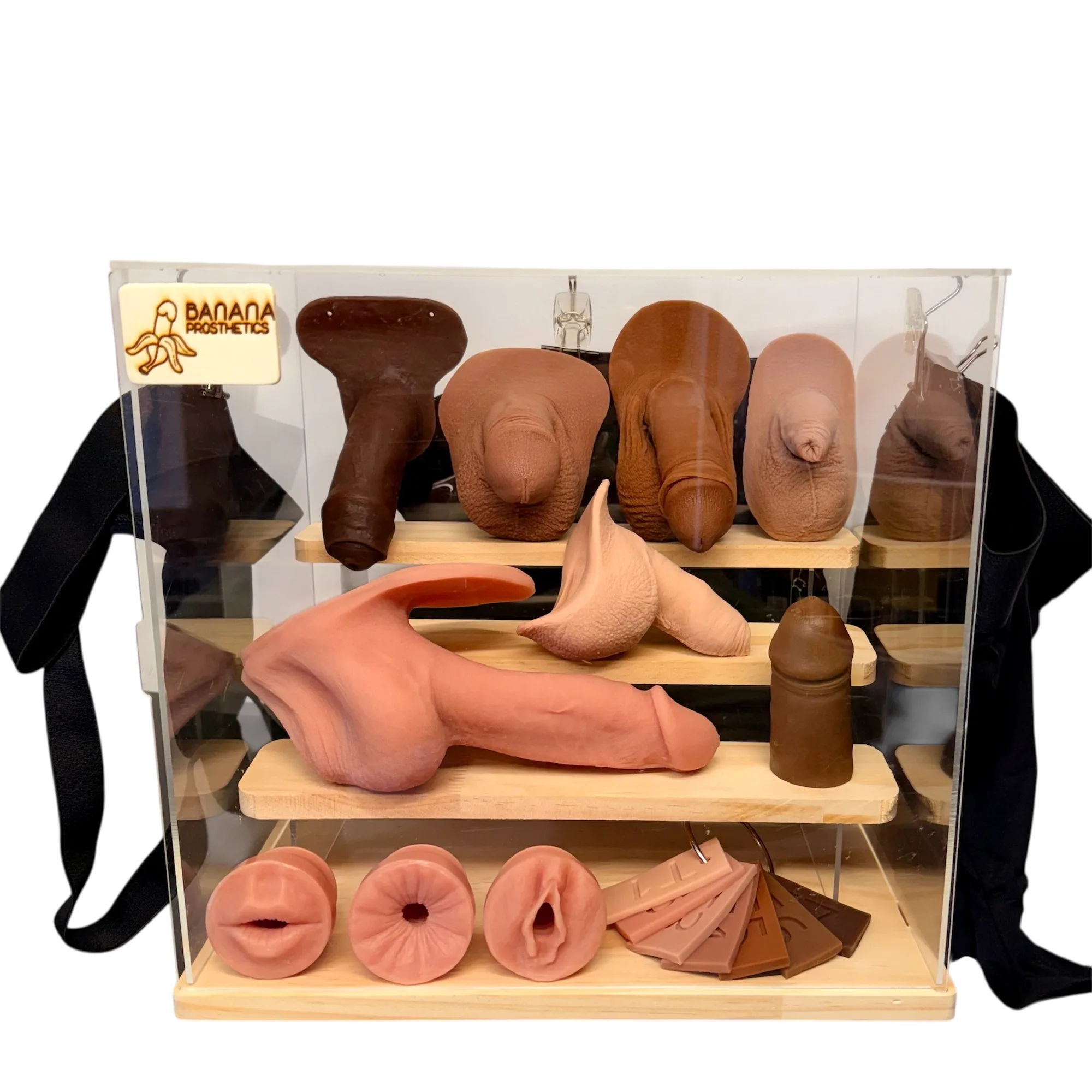
- Présentoire de démonstration transmasc: The transmasc demonstration kit is designed for organizations, clinics, and associations to present a variety of transmasculine prostheses and accessories, covering different models, textures, and skin tones. If you are evaluating a myth about “the best” device, a kit that shows multiple models and textures is a reminder that variety, not one universal answer, is the norm.
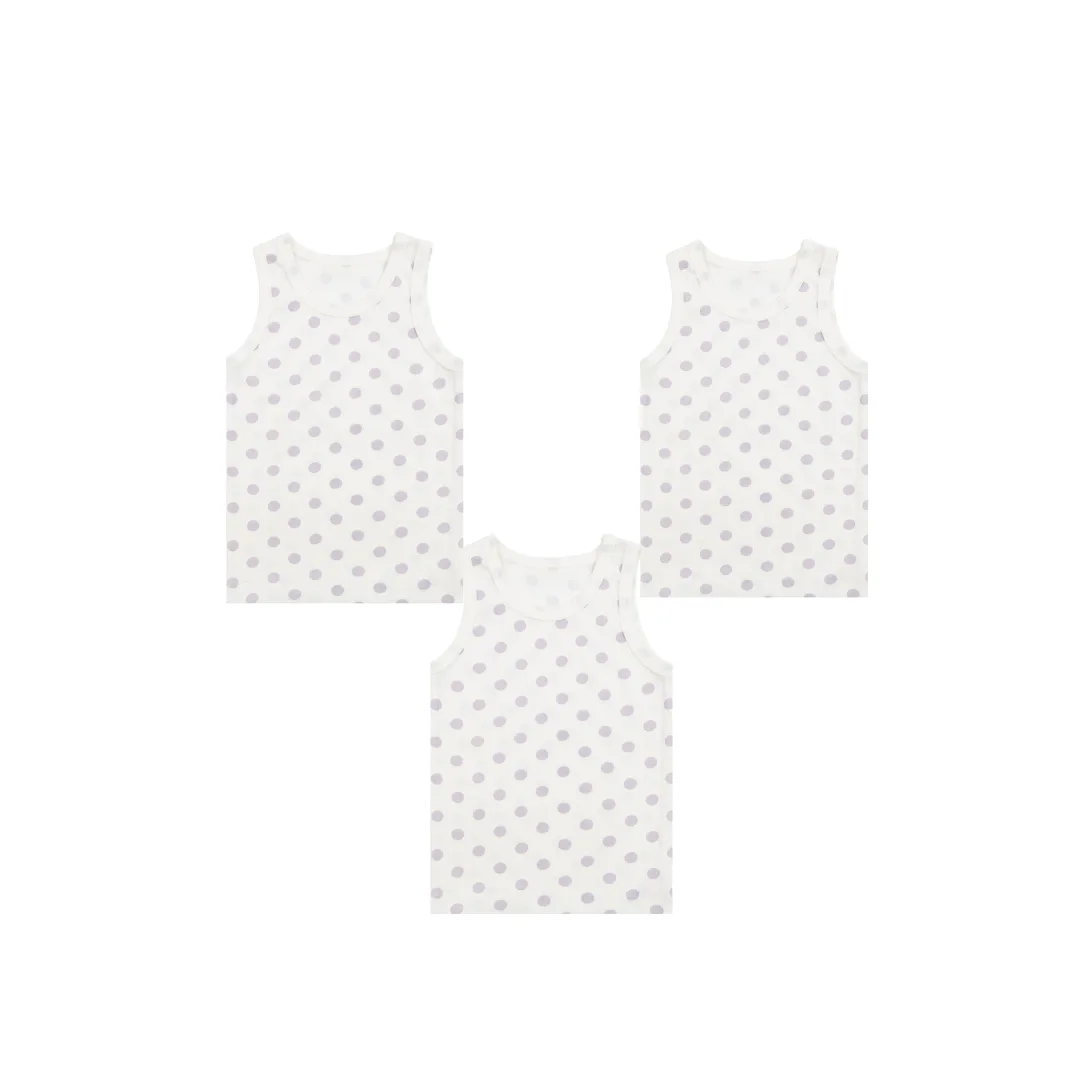
- (Soft packer/STP) 3-PACK Packing Variétés: This 3-pack of bamboo boxers for soft packers and STP devices includes front and inner pockets, with an embroidered O-opening measuring 2.54 cm (1 inch). A measured opening and dedicated pockets give you a concrete way to check whether a support garment will actually hold a device in place instead of relying on guesswork.
- (Hard packer) 3-PACK Play boxer: This 3-pack of play boxers includes an internal pocket for prosthesis support and a silicone O-ring measuring 3.80 cm, compatible with most hard packers. The stated O-ring size and pocket design let you compare support options directly, which is more useful than a vague claim that one style is universally better.