Many dog owners wonder whether to feed wet or dry food. The truth is, mixing both can offer the best of both worlds: the dental benefits and convenience of kibble with the hydration and flavor of wet food. This guide explains how to create a balanced, palatable meal your dog will love.
Combining wet and dry dog food is an easy way to boost nutrition without extra effort. By understanding proper ratios and ingredient quality, you can tailor meals to your dog's needs while keeping mealtime exciting.
Why Mix Wet and Dry Dog Food?
Mixing wet and dry food adds variety to your dog's diet, which can help picky eaters. Wet food provides extra moisture, supporting urinary tract health and hydration, while dry kibble helps maintain dental hygiene through chewing. Together, they create a texture that many dogs find irresistible.
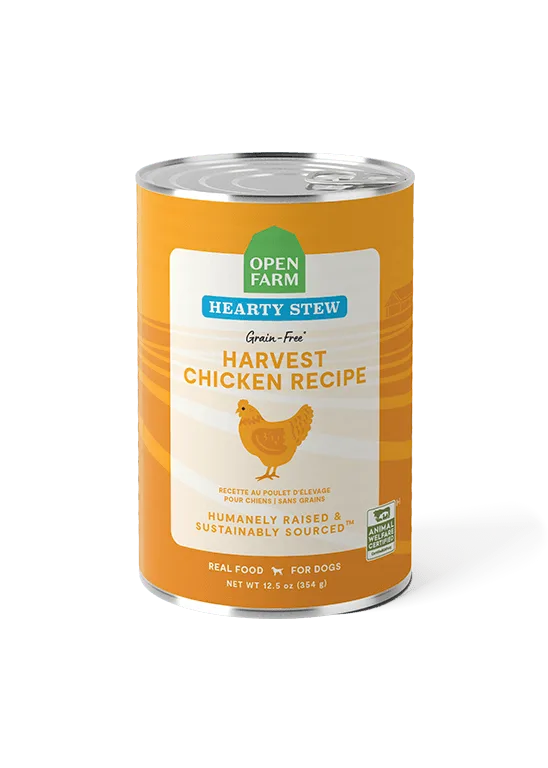
From a nutritional standpoint, combining both types allows you to balance protein, fat, and carbohydrates more precisely. For example, a high-protein wet food like Chicken & Grass-Fed Beef Hearty Stew Wet Dog Food can complement a grain-inclusive kibble for a complete meal. This approach also lets you introduce new flavors gradually.
- Wet food adds moisture and palatability, ideal for dogs that don't drink enough water.
- Dry kibble supports dental health and is more calorie-dense, helping with portion control.
- Mixing reduces food waste if your dog is finicky about one texture.
How to Determine the Right Ratio
The ideal ratio of wet to dry food depends on your dog's size, activity level, and health needs. A common starting point is 25% wet food to 75% dry food by volume, but you can adjust based on your dog's response. For weight management, use more dry food to control calories; for hydration, increase wet food.
Always check the feeding guidelines on each product. For instance, if you're using Kind Earth Plant-Based Dog Kibble as the dry component, pair it with a wet food that complements its plant-based protein profile. Start with a small amount of wet food mixed in, then gradually increase over a week to avoid digestive upset.
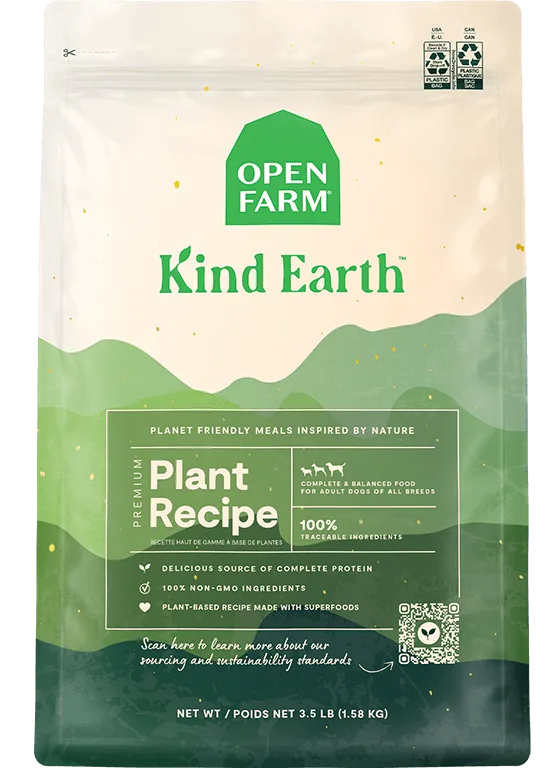
Kind Earth Plant-Based Dog Kibble
- Start with a 1:3 ratio of wet to dry and monitor your dog's stool and energy levels.
- For senior dogs or those with dental issues, increase wet food to 50% or more.
- Consult your vet if your dog has specific health conditions like kidney disease or diabetes.
Top Tips for a Smooth Transition
When introducing a mixed diet, do it slowly over 5–7 days. Begin by adding a tablespoon of wet food to your dog's usual dry kibble, then gradually increase the wet food portion while decreasing dry. This prevents gastrointestinal issues like diarrhea or gas.
Choose high-quality products from trusted brands. Open Farm offers a range of wet and dry options made with transparent sourcing. For example, Homestead Turkey Pâté for Dogs is a smooth, nutrient-dense wet food that blends well with kibble. Always store opened wet food in the refrigerator and use within 2–3 days.
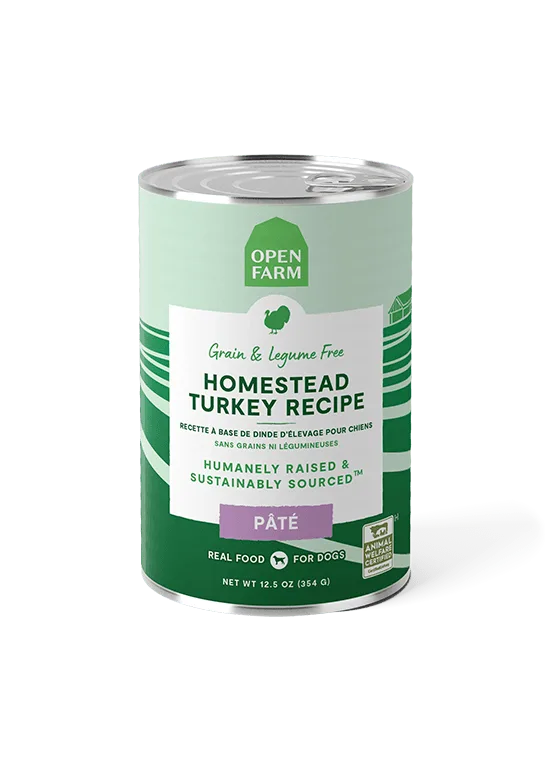
Homestead Turkey Pâté for Dogs
- Mix wet and dry food just before serving to maintain texture and freshness.
- Warm the wet food slightly (not hot) to enhance aroma and appeal.
- Use a food scale or measuring cup for accurate portions to avoid overfeeding.
Nutritional Considerations for Balanced Meals
A balanced diet includes protein, fat, fiber, vitamins, and minerals. When mixing, ensure the combined meal meets AAFCO standards for your dog's life stage. Wet foods are often higher in protein and fat, while dry foods provide more carbohydrates and fiber. Adjust treats accordingly to avoid excess calories.
For dogs with allergies or sensitivities, read ingredient labels carefully. Open Farm's Goodbowl™ Harvest Chicken & Grass-Fed Beef Pâté for Dogs is a limited-ingredient option that pairs well with a single-protein kibble. Adding a supplement like Icelandic Herring & Salmon Oil For Dogs can boost omega-3s for skin and coat health.
- Look for wet and dry foods that share similar protein sources to simplify digestion.
- Avoid mixing foods with conflicting nutrient profiles, like high-phosphorus wet food with a kibble already rich in phosphorus.
- Rotate proteins weekly to provide a wider range of nutrients and prevent food boredom.
Common Mistakes to Avoid
One common mistake is overfeeding. Wet food is less calorie-dense per volume, so mixing can lead to unintentional calorie surplus. Always calculate total daily calories from both food types and treats. Another error is mixing incompatible textures—some dogs prefer uniform consistency, so start with finely pâté-style wet food if your dog is sensitive.
Don't leave mixed food out for more than 30 minutes to prevent bacterial growth. Also, avoid using human food as a topper without adjusting the rest of the diet. Stick to vet-approved, balanced products like those from Open Farm to ensure your dog gets complete nutrition.
- Never mix wet and dry food in large batches; prepare per meal to maintain freshness.
- Watch for signs of food aversion—if your dog leaves the dry pieces, try a different wet-to-dry ratio.
- Keep a food diary to track your dog's response to new combinations.
Mixing wet and dry dog food is a simple, effective way to enhance your dog's mealtime experience while supporting their health. Start with a small ratio, choose high-quality products, and monitor your dog's response. For a great starting point, explore the Chicken & Grass-Fed Beef Hearty Stew Wet Dog Food from Open Farm—it pairs beautifully with your favorite kibble for a balanced, delicious meal.