Quick answer
Start with your dog's usual dry food portion, then add a quarter to a third of that amount in wet food, mixing thoroughly. Adjust based on your dog's weight, activity, and appetite, and always ensure fresh water is available.
Why mix at all?
Combining wet and dry dog food can offer the best of both worlds: the crunch and dental benefits of kibble with the moisture and palatability of wet food. It’s especially helpful for picky eaters or dogs that need extra hydration. However, the key is to maintain a balanced diet—too much wet food can lead to excess calories, while too little may not provide enough moisture.
Understanding the ratio
There’s no single perfect ratio—it depends on your dog's size, age, and activity level. A good starting point is to use the dry food as the base (following the feeding guide on the bag) and replace about 20-30% of its volume with wet food. For example, if your dog gets 2 cups of dry food per day, you might give 1.5 cups of dry plus 0.5 cups of wet. Always adjust to maintain a healthy weight.
Choosing complementary products
Look for wet and dry foods that share similar nutritional philosophies. For instance, if your dry food is grain-free, a grain-free wet food can be a good match. Both should ideally feature high-quality protein sources and avoid fillers. This helps keep the overall diet consistent and easier on your dog's digestion.
Step-by-step mixing guide
- Step 1: Measure the dry food: Start with your dog's recommended daily portion of dry food based on their weight and the feeding guide. Use a measuring cup for accuracy. Common mistake: guessing the portion. Always measure to avoid overfeeding.
- Step 2: Add the wet food: Add a quarter to a third of the dry food volume in wet food. For example, if you measure 1 cup of dry, add about 1/4 to 1/3 cup of wet. Mix thoroughly with a fork or spoon. Checkpoint: The mixture should be evenly combined, not soupy. If it's too wet, reduce the wet food slightly next time.
- Step 3: Observe and adjust: Offer the mixed meal and watch how your dog eats. If they leave some behind, reduce the portion. If they seem hungry, you can slightly increase the wet food proportion. Monitor their weight weekly and adjust the total calories accordingly. Common mistake: not adjusting for activity level. An active dog may need more calories, while a sedentary one needs less.
- Step 4: Ensure fresh water: Always provide a bowl of fresh, clean water. Even though wet food adds moisture, dogs still need access to drinking water throughout the day. Checkpoint: If your dog drinks less after switching to mixed meals, encourage water intake by keeping the bowl clean and placing it away from the food area.
Products to consider
-
Dry Adult Dog Food Rich in Turkey & Veg 1.7kg: This dry food features freshly prepared turkey and vegetables, with meat ingredients listed first, and includes a homemade chicken gravy for extra taste. It provides a protein-rich base with natural flavors that many dogs love, making it a solid foundation for mixing with wet food.
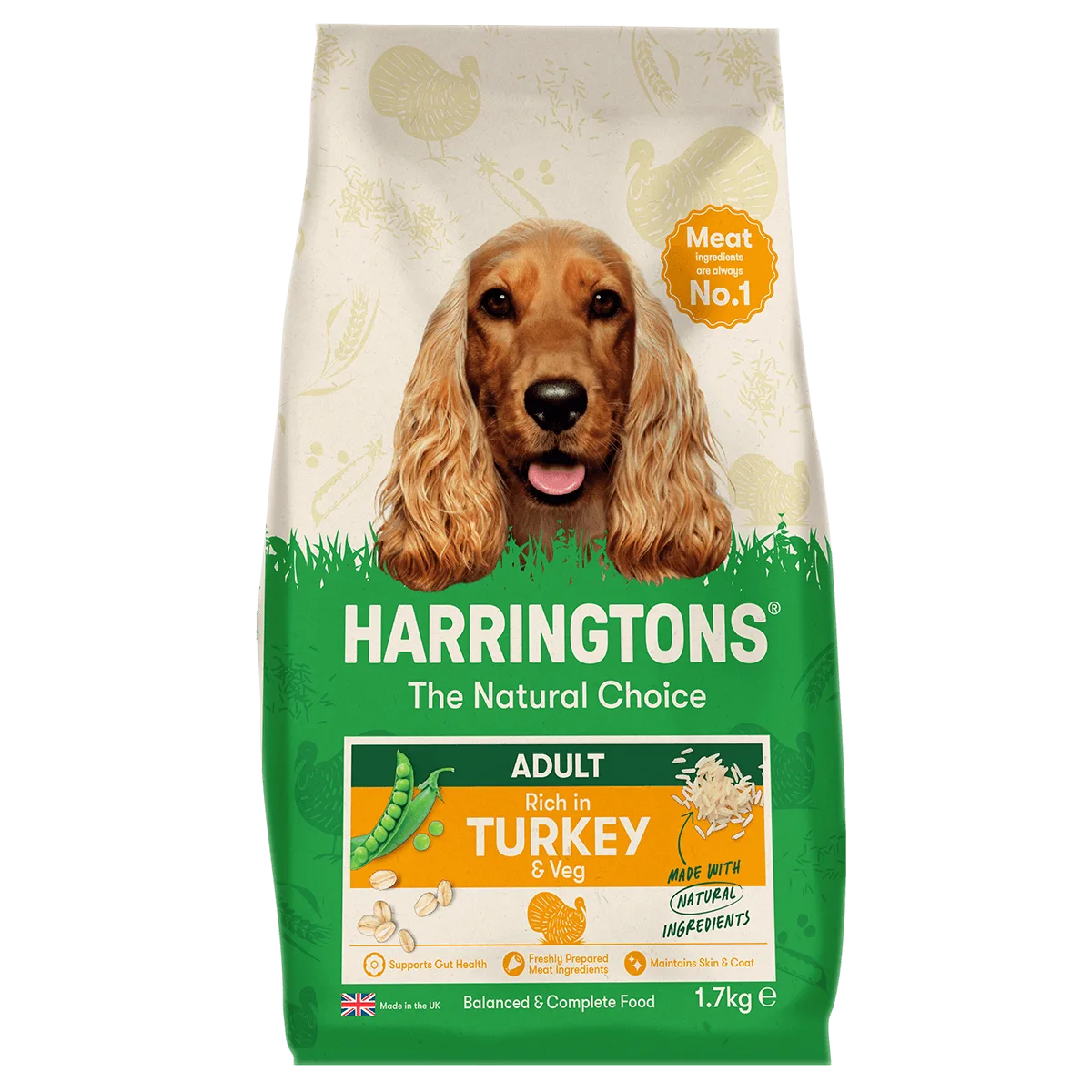
Dry Adult Dog Food Rich in Turkey & Veg 1.7kg
-
Chicken with Potato & Vegetables Grain Free Wet Dog Food 8 x 400g: This grain-free wet food is steam-cooked with 90% freshly prepared meat and vegetables, and contains pre-biotics and salmon oil for gut and coat health. Its high moisture content and gentle ingredients make it an excellent complement to dry food, especially for dogs with sensitive stomachs.
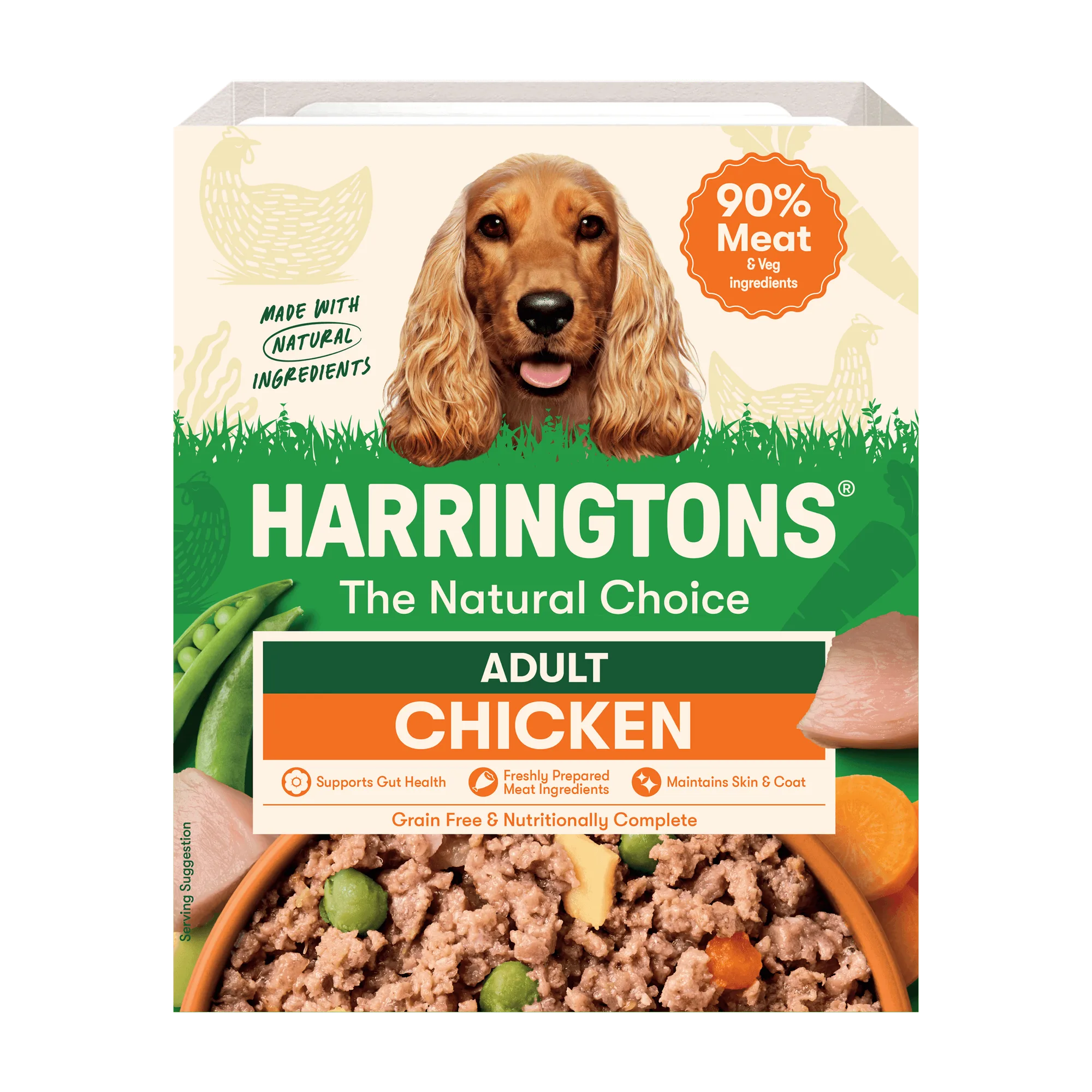
Chicken with Potato & Vegetables Grain Free Wet Dog Food 8 x 400g