Quick answer
To organize a family puzzle swap, pick a date and location, set clear rules about puzzle condition and piece count, invite neighbors via a simple flyer or group chat, and have each family bring completed puzzles to exchange. A swap is a free way to reuse puzzles and keep kids engaged without buying new ones.
Why a puzzle swap works for families
Kids lose interest in puzzles after completing them a few times. A swap lets families trade puzzles they no longer use for fresh ones, saving money and reducing waste. It also builds a sense of community and encourages kids to take care of their puzzles so they stay swap-ready.
What to do before the event
Decide on a swap method: everyone brings puzzles and picks the same number, or you place all puzzles on a table and let people choose freely. Set a date at least two weeks out so families have time to sort through their collections. Choose a location like a community center, library meeting room, or a large backyard.
Steps to run a successful puzzle swap
- Set the rules in advance: Decide on a minimum piece count (e.g., 30 pieces) and require that all pieces be present. Ask families to tape the box shut or use a zip bag to avoid losing pieces. A common mistake is not specifying condition—missing pieces frustrate everyone. Checkpoint: Clearly state that puzzles must be complete and in good condition before the swap.
- Sort puzzles by age and difficulty: Create separate tables or bins for different age ranges (e.g., 30-piece, 60-piece, 100-piece). This helps families quickly find suitable puzzles and prevents younger kids from grabbing ones that are too hard. Checkpoint: Label each table clearly so families know where to drop off and pick up.
- Invite neighbors with a simple flyer: Use a neighborhood group chat, email, or a paper flyer. Include the date, time, location, and a short list of rules. A common mistake is sending the invite too late—give at least two weeks notice so families can sort their puzzles. Checkpoint: Send a reminder 2–3 days before the event to boost turnout.
- Run the swap in two rounds: First round: everyone places their puzzles on the correct table. Second round: families take turns picking puzzles, or let everyone choose at once if the group is small. This avoids chaos and ensures everyone gets a fair chance. Checkpoint: If you have many participants, use a numbered drawing order to keep it organized.
- Handle leftover puzzles: Decide ahead of time what to do with unsorted puzzles. Options include donating them to a school, library, or children's hospital. A common mistake is leaving leftovers at the venue—have a plan to collect and donate them immediately. Checkpoint: Bring a donation box and label it clearly so families can contribute.
Puzzles that work well in a swap
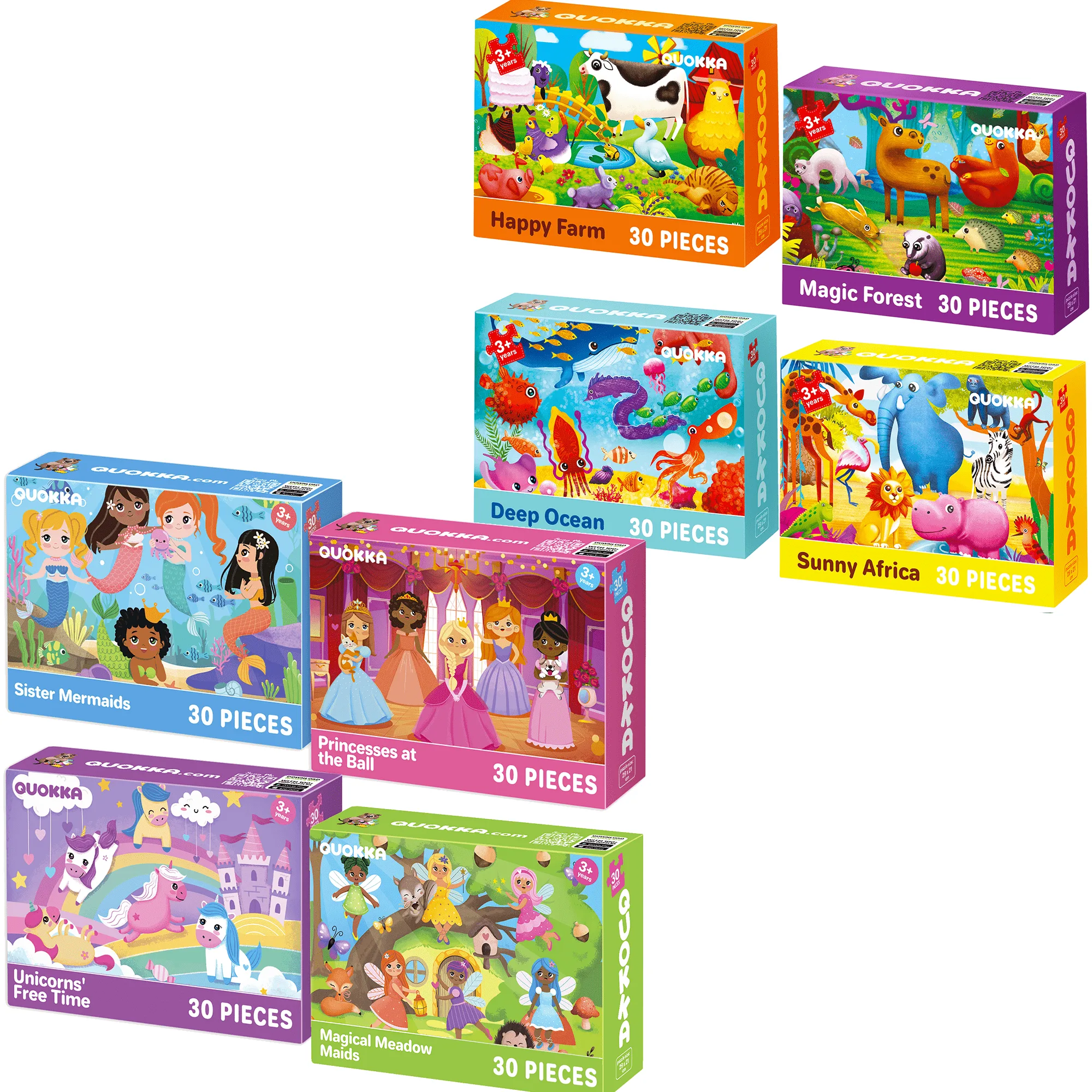
- 30 Pcs Jigsaw Puzzles for Kids | Africa Animals: Each child puzzle has a full-color picture that consists of 30 pieces. Size 11.4 x 8.3 inches. Designed in the U.S.A by Adducate. 30-piece puzzles are ideal for younger children and easy to verify for completeness before a swap. Their compact size also makes them easy to transport and store.
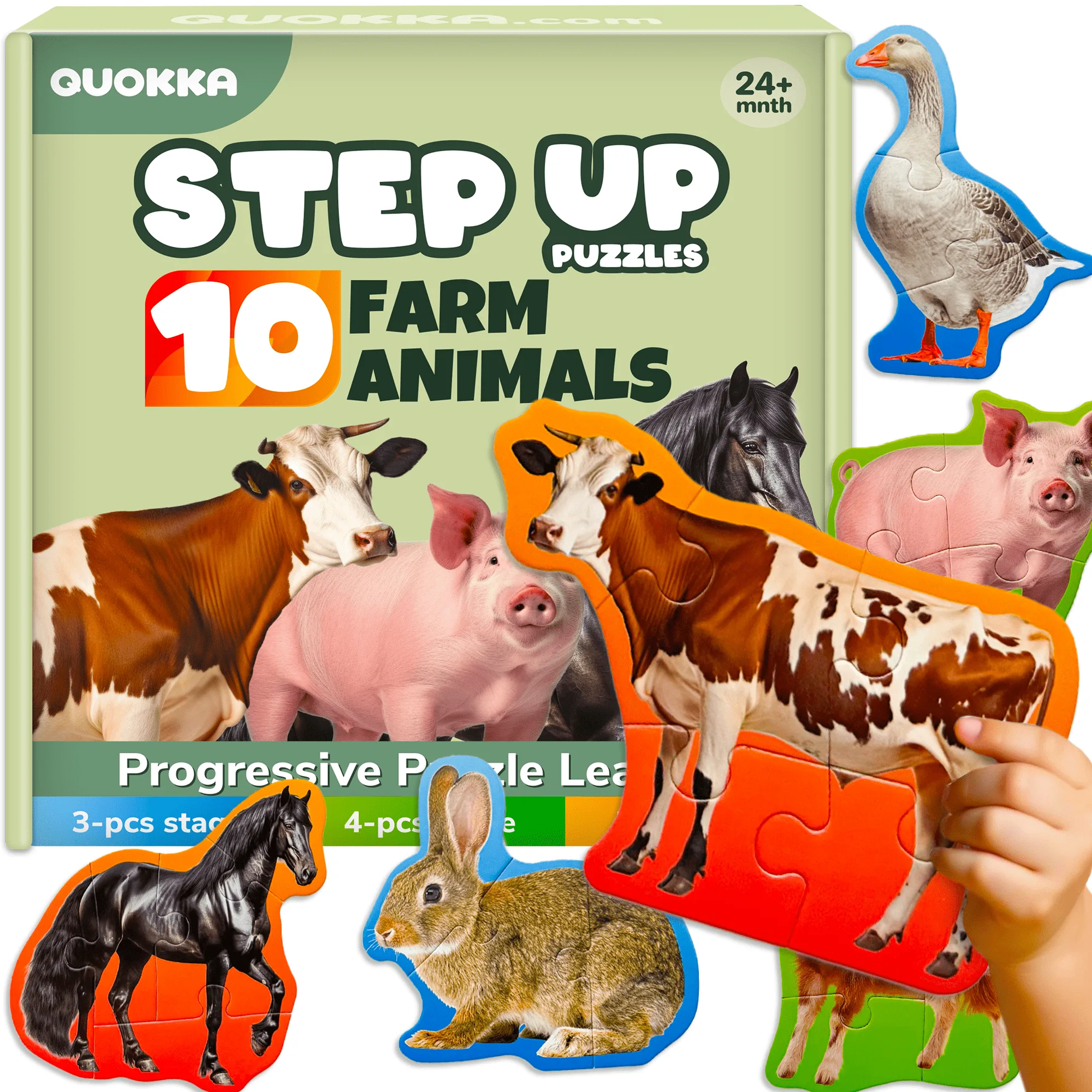
- 100 Pcs Jigsaw Puzzles for Kids | Farm Animals: Each child puzzle has a full-color picture that consists of 100 pieces. Size 16.14 x 11.8 inches. Designed in the U.S.A by Adducate. 100-piece puzzles offer more challenge for older kids and are a popular swap item. Their larger size means families should check that all pieces are present before the event.
- Bundle Set of 8 Puzzles for Kids | Meadow Girls, Forest: Each child puzzle has a full-color picture that consists of 30-60 pieces. This puzzle 4x60 set introduces kids to farm, safari, forest, and ocean themes. A bundle of puzzles with varying piece counts gives families multiple options in one swap. The different themes appeal to a wide age range, making it a versatile addition to any exchange.