Quick Answer
To organize a small workshop with a rolling workbench, start by decluttering and grouping tools by frequency of use. Then position the workbench as a central mobile station, add vertical storage above it, and use the drawers and lower shelves for heavy items. Finally, create zones for different tasks and establish a return-to-home habit to keep the space tidy.
Small workshops present a unique challenge: you need space for tools, materials, and projects, but square footage is often tight. A rolling workbench can be the anchor of an efficient small workshop, because it lets you move your primary work surface exactly where you need it and tuck it away when you don't.
This guide walks through a step-by-step process to organize your compact space around a mobile workbench. You'll learn how to declutter, position the bench, add storage, and create habits that keep your workshop functional day after day.
Assess Your Space and Workflow
Before moving anything, take time to understand how you actually work in your garage or shop. List the tasks you perform most often—woodworking, repairs, crafting—and note which tools you reach for constantly. This helps you decide what belongs on the workbench surface, in drawers, or on shelves.
Measure your available floor space, including door swings and clearance for opening drawers. Remember that a rolling workbench needs room to move, so plan pathways at least 3 feet wide. Also consider the height of the bench relative to your own height; a comfortable working height prevents back strain.
- Sketch a simple floor plan to visualize where the workbench will live and move.
Declutter and Categorize Your Tools
Empty your existing storage and group every tool into categories: hand tools, power tools, fasteners, and supplies. Be honest about what you use regularly—if you haven't touched something in a year, consider donating or selling it. This reduces clutter and makes it easier to assign a home for each item.
As you sort, clean each tool and check for damage. Dispose of broken items or set them aside for repair. This is also the moment to note which tools are heavy and bulky, because they'll need to go in lower drawers or on sturdy shelves rather than on the workbench surface.
- Use clear bins or labeled containers for small parts like screws and nails.
Position the Rolling Workbench for Flexibility
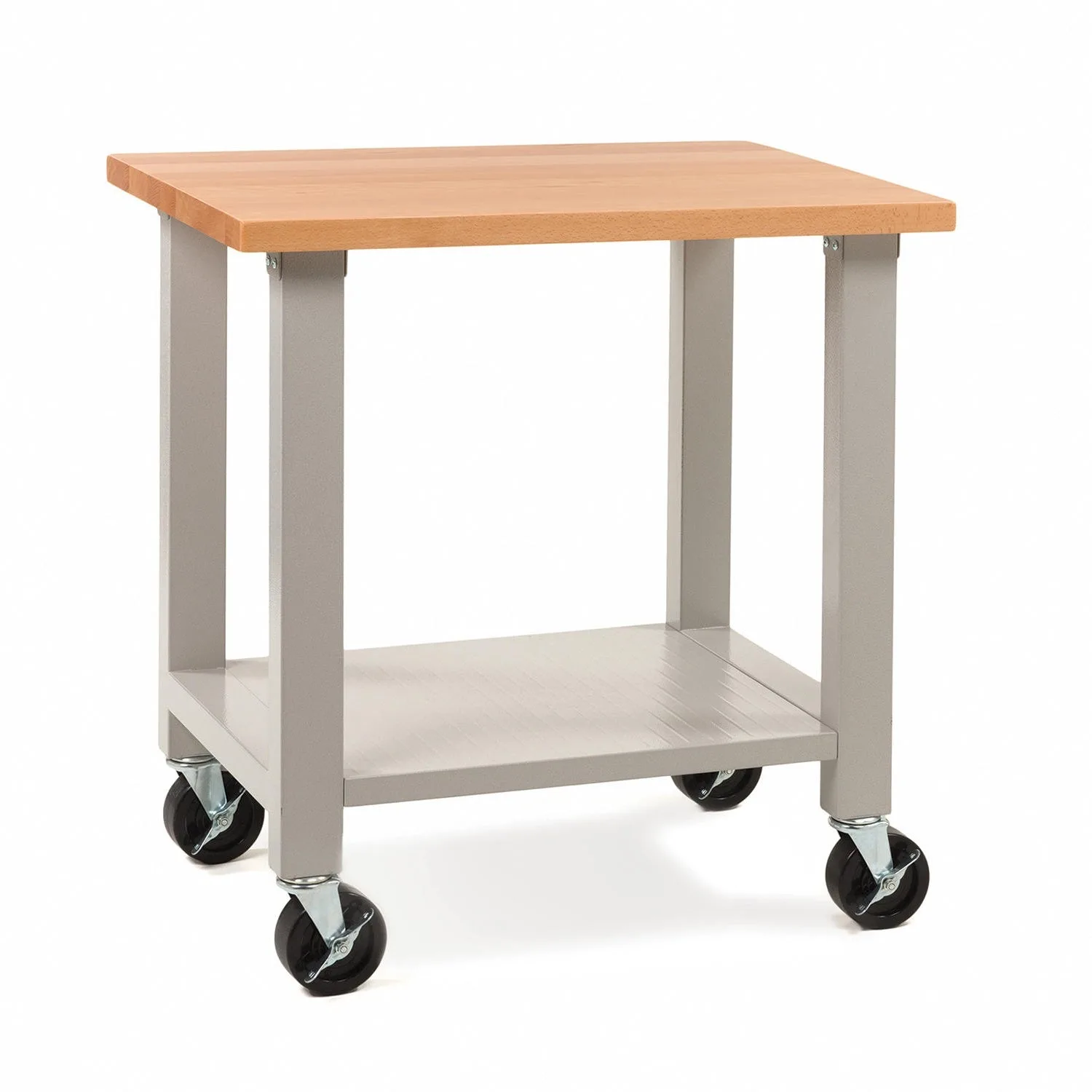
Place your rolling workbench where it can serve multiple functions without blocking access to other areas. In a garage, that often means against a wall when not in use, but able to roll to the center for larger projects. If you have a dedicated workshop room, position it near an outlet and good lighting.
Lock the casters when the bench is stationary to prevent movement during work. For the UltraHD® 11-Drawer Rolling Workbench, the all-steel construction provides stability, but always engage the locks before hammering or sawing. This prevents accidents and keeps your tools from rolling away.
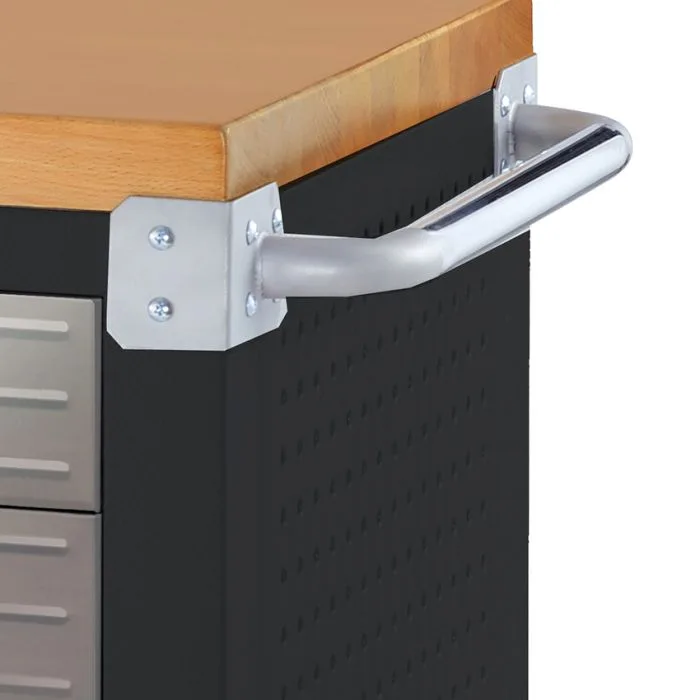
UltraHD® 11-Drawer Rolling Workbench
- Test the rolling action before loading the bench to ensure it moves smoothly.
Maximize Vertical Space Above the Workbench
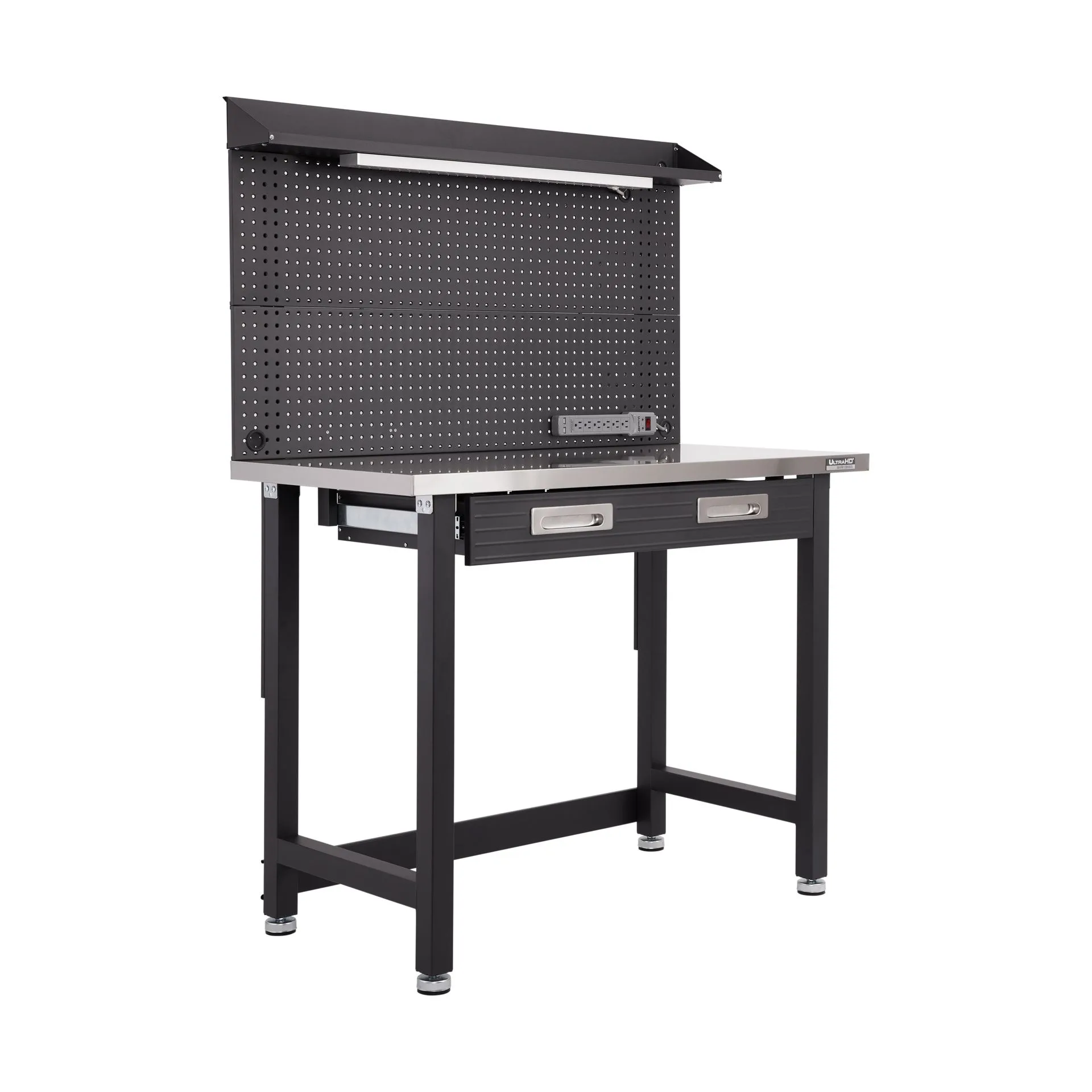
The floor is prime real estate in a small shop, so look upward. Install a pegboard or wall-mounted rails above the workbench to hang frequently used hand tools. Add shelving for less-often-used items, and consider a magnetic strip for metal tools like wrenches and screwdrivers.
When you add wall storage, keep the workbench surface clear for actual work. Store items you need daily at eye level, and place seasonal or rare tools on higher shelves. This approach reduces clutter and makes your mobile workbench more effective as a dedicated work zone.
- Use labeled hooks and bins so everything has a visible home.
Organize Drawers and Cabinets by Frequency of Use
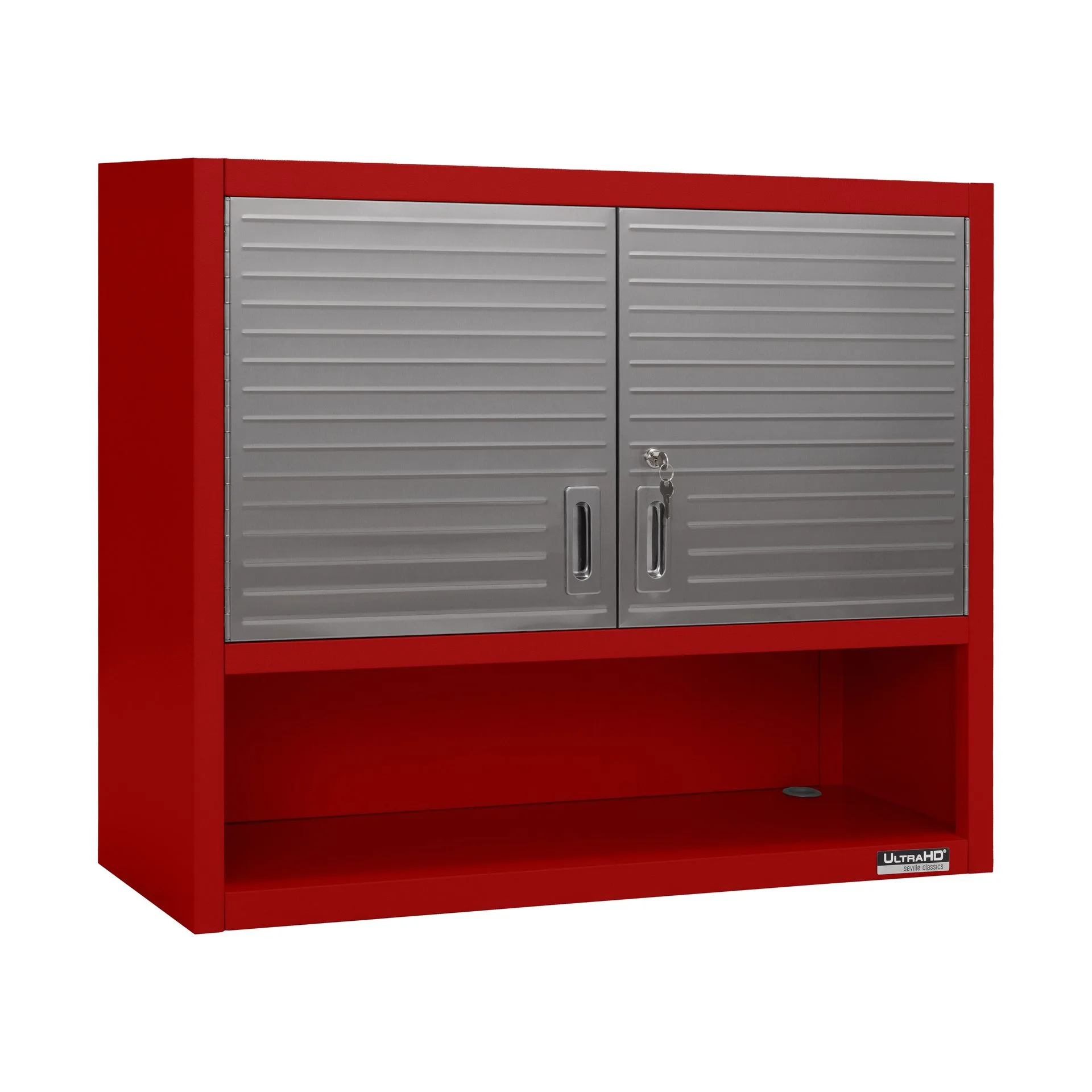
Drawers are prime storage, so assign them based on how often you reach for a tool. Keep everyday items like tape measures, pencils, and a hammer in the top drawer. Reserve lower drawers for heavier power tools and bulkier supplies, which are easier to lift from a lower height.
Use drawer dividers or small trays to keep items from sliding around when you roll the bench. For the https://cozynestcoai.shop/products/ultrahd-height-adjustable-workbench-261765https://cozynestcoai.shop/products/ultrahd-height-adjustable-workbench-261788UltraHD® Height Adjustable Workbench, which offers a 2000 lb. capacity, you can store heavy equipment on the lower shelf, but always distribute weight evenly to maintain stability.
- Label each drawer with a permanent marker or label maker to avoid guesswork.
Step-by-Step Organization Plan
- Clear the clutter: Remove everything from your current work area and sort tools into keep, repair, and donate piles. This gives you a clean slate and reveals what you truly need. Checkpoint: If you haven't used an item in a year, it's likely safe to let it go.
- Map your zones: Decide where the workbench will park and where you'll do specific tasks like drilling or sanding. Keep a clear path for rolling the bench between zones. Checkpoint: Ensure the bench can move without hitting obstacles or blocking doors.
- Assign drawer homes: Place everyday tools in top drawers, heavy tools in lower drawers, and use dividers to keep items from shifting. Label each drawer for quick identification. Checkpoint: Open and close each drawer after loading to confirm smooth operation.
- Go vertical: Install pegboards, shelves, or magnetic strips above the workbench to store frequently used items. Keep the work surface clear for actual projects. Checkpoint: Frequently used tools should be within arm's reach without crowding the bench.
- Establish a return-home habit: At the end of each session, wipe down the bench and return every tool to its designated spot. This five-minute routine keeps your small workshop organized over time. Checkpoint: A clean bench is ready for the next project and reduces the risk of losing tools.
Products That Help
- UltraHD® 11-Drawer Rolling Workbench, Red: Assembled Dimensions: 77" W x 20" D x 37.5" H. Due to the size and weight of this item, it ships via delivery truck which requires additional processing time. The free shipping is standard curbside delivery. This workbench provides ample drawer storage for small workshops, and its rolling design lets you move it to different work areas. The large surface gives you room for projects while keeping tools organized in the 11 drawers.
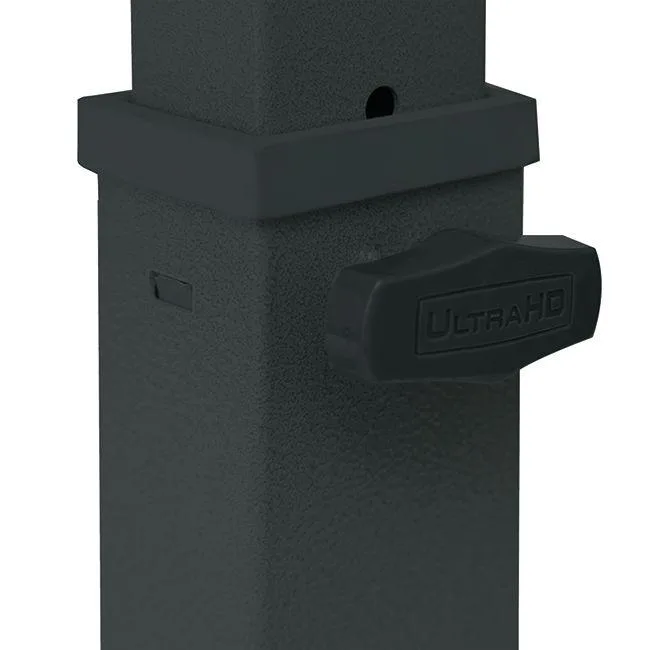
- UltraHD® Height Adjustable Workbench, Graphite: Assembled Dimensions: 72" W x 25" D x 28.5" to 42" H. Height adjustable at 1" increments ranges from 28.5" to 42" H. Solid polyurethane-coated wood top measures 1.75" thick. Total weight capacity: 2000 lb. evenly distributed. The height adjustability is a game-changer for small workshops shared by multiple users or for tasks that require different working heights. You can lower it for assembly work or raise it for standing tasks, and the 2000 lb. capacity handles heavy tools and materials.
Organizing a small workshop around a rolling workbench transforms a cramped space into a flexible, efficient work area. By decluttering, assigning storage zones, and making the most of vertical space, you can keep your tools accessible and your projects moving. Start with one step today, and enjoy a more functional workshop tomorrow.