Vinyl records are more than just music; they're a tangible piece of art and history. But as your collection grows, finding a specific album can become a treasure hunt. Organizing your vinyl by genre not only makes it easier to locate what you want to play, but it also enhances the aesthetic of your space. In this guide, we'll walk you through the steps to sort and store your records by genre, from deciding on categories to choosing the right shelving.
Whether you're a seasoned collector with hundreds of LPs or just starting with a few favorites, a well-organized collection is a joy to browse. We'll cover everything from the initial sorting process to maintaining your system, plus tips on how to display your records in style. Let's dive in and give your vinyl the home it deserves.
Why Organize Your Vinyl Records by Genre?
Organizing your vinyl by genre offers several benefits. First, it saves time—no more flipping through every record to find that one jazz album you're in the mood for. Second, it helps you discover your own collection: you might realize you have more reggae than you thought, or that you're missing a classic from a favorite genre. Third, it adds to the visual appeal of your space, creating a curated look that reflects your musical tastes.
Genre organization also makes it easier to share your collection with friends. If someone asks about your blues records, you can point them to a specific section. Plus, it's a great conversation starter. And when you're ready to expand, you'll know exactly what gaps exist in your collection.
- Quick access to your favorite genres
- Aesthetically pleasing display
- Easier to inventory and spot gaps
Step 1: Decide on Your Genre Categories
The first step is to define your genre categories. While there are standard genres like rock, jazz, classical, and electronic, you might want to tailor them to your collection. For example, if you have a lot of soundtracks, you could create a separate 'Soundtracks' section. If you're into niche subgenres, consider categories like 'Synthwave' or 'Ambient'.
A good approach is to start broad and refine later. You might begin with 10-15 main genres and then subdivide as needed. For instance, under 'Rock,' you could have subcategories like 'Classic Rock,' 'Punk,' and 'Indie.' The goal is to make it intuitive for you. If you're a fan of anime soundtracks, you might even have a 'Anime & Game' section—just like the No Game No Life - Best Collection 2XLP or the Suikoden 2 - Original Video Game Soundtrack.
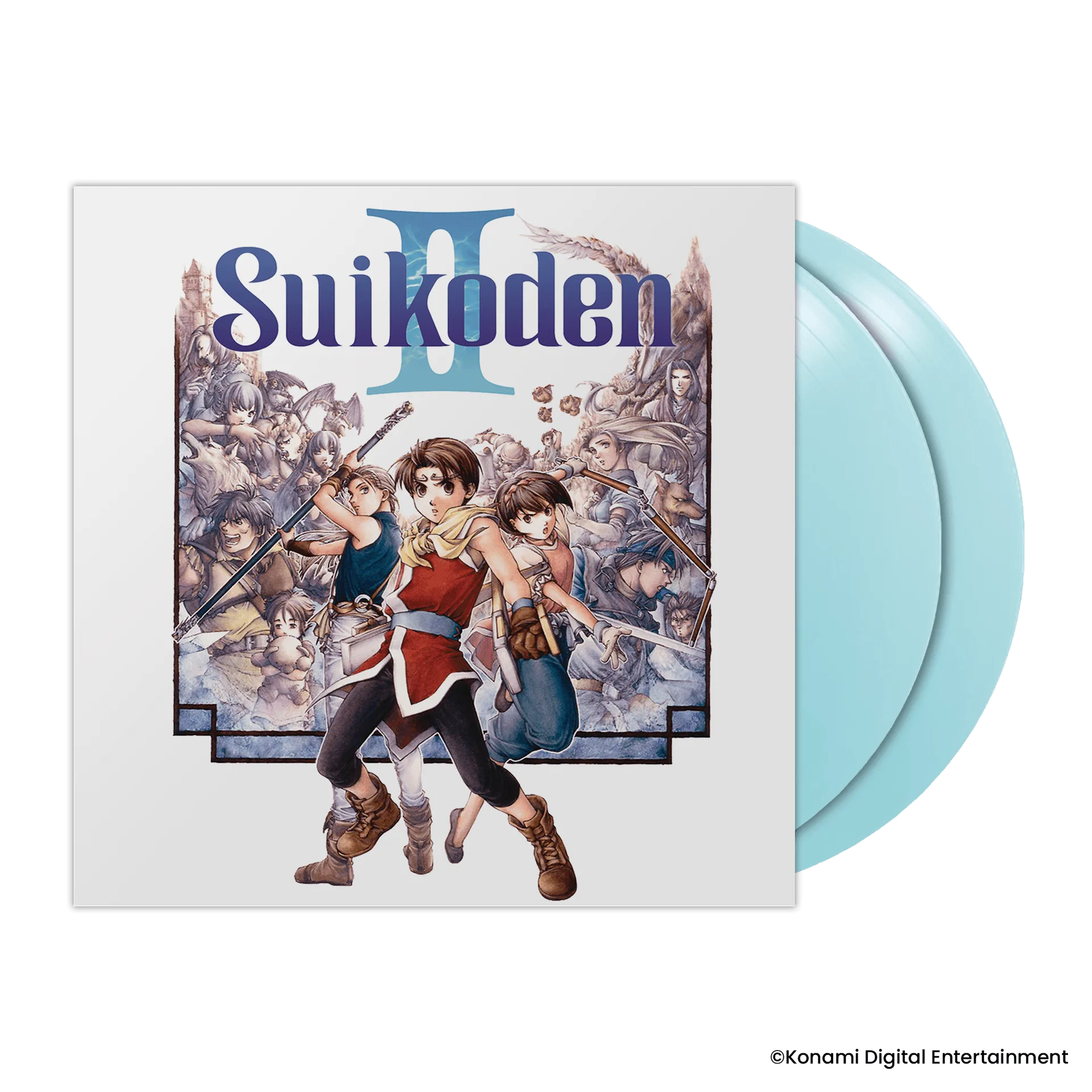
Suikoden 2 - Original Video Game Soundtrack
- Start with broad genres and refine as needed
- Consider subgenres for large categories
- Make it personal: include niche genres you love
Step 2: Sort Your Records
Once you have your categories, it's time to sort. Begin by gathering all your records in one place. Then, go through each one and place it in a pile for its genre. This can be a fun trip down memory lane as you rediscover albums you haven't played in years.
For records that fit multiple genres, choose the one that feels most dominant. For example, a band like Pink Floyd might go under 'Rock' rather than 'Progressive.' However, if you have a large progressive rock section, you could create a separate category. The key is consistency: once you decide, stick with it.
- Work in a spacious area to avoid damage
- Use sticky notes or dividers to label piles
- Don't stress over crossover genres—pick one home
Step 3: Choose a Storage System
Now that your records are sorted, you need a storage solution. The most common options are shelving units, crates, and cabinets. When choosing, consider the size of your collection and your space. For large collections, sturdy shelving is essential to support the weight of vinyl. For smaller collections, stylish crates or a record player stand might suffice.
Your storage should protect your records from dust, sunlight, and warping. Keep them upright and avoid overpacking. Use dividers to separate genres, which makes it easy to flip through and find what you need. You can buy commercial dividers or make your own with cardboard and labels.
- Invest in sturdy shelves that can hold the weight
- Keep records away from direct sunlight and heat sources
- Use dividers to mark genre sections
Step 4: Arrange Within Each Genre
Within each genre, you have several options for ordering: alphabetically by artist, chronologically by release date, or even by mood. Alphabetical is the most common and easiest to maintain. For artists with multiple albums, you can then sort by release year.
Some collectors prefer to keep a 'favorites' section at the front for quick access. You might also want to display special editions or colored vinyl prominently. For example, the Marvel's https://mondoghc.com/products/black-panther-405855Black Panther – Original Motion Picture Soundtrack 3XLP is a stunning set that deserves a spot where you can admire it.
- Alphabetical by artist is the easiest to maintain
- For multiple albums by the same artist, sort by release date
- Keep a 'Now Playing' or 'Favorites' section for convenience
Step 5: Label and Maintain Your System
Labeling is crucial for maintaining your organization. You can use adhesive labels on shelf dividers or create a catalog on your phone or computer. A simple spreadsheet can track your collection, including genre, artist, and release year. This is also helpful for insurance purposes.
To keep your system working, make it a habit to return records to their correct spot after listening. Periodically, you might need to re-sort as your collection grows. Set aside time every few months to tidy up and adjust categories if needed.
- Use clear, legible labels on dividers
- Create a digital catalog for easy searching
- Always put records back in the right place
Displaying Your Collection
Beyond storage, displaying your records can turn your collection into a focal point. Consider framing album covers and hanging them on the wall, or using a record display stand to showcase your current favorite. This adds a personal touch to your room and celebrates your musical taste.
For a cohesive look, you might arrange your records by color or by genre on open shelves. Some collectors love to feature a rotating selection of albums on a shelf above their turntable. The An American Werewolf in London (Variant) is a striking cover that would look great on display.
- Frame album covers for wall art
- Use a rotating display to showcase favorites
- Arrange by color for a visually striking effect
Organizing your vinyl record collection by genre is a rewarding project that enhances your listening experience and showcases your passion for music. With a clear system and a little maintenance, you'll always know exactly where to find your favorite records. Start today and enjoy the satisfaction of a perfectly sorted collection.