Quick answer
Pack a bento box lunch that stays fresh until noon by chilling everything first, keeping wet and dry foods separated, and using an insulated bag with a cold pack. Fill the largest compartment with protein and produce, then use small compartments for dips, grains, and crunchy items so nothing turns soggy.
Why bento boxes keep food fresher than a single container
A bento box works because it limits contact between foods. When cucumber slices sit against bread or crackers, moisture moves and both textures suffer. Divided compartments slow that transfer, so a bento box lunch tastes closer to how it was packed. This is also why bento box food safety depends less on one magic container and more on how you fill it.
The practical rule: keep the wettest items in their own sealed section, keep dry items dry, and keep everything cold until you eat. If your box has a removable inner tray, you can lift it out and reheat only the part that should be hot.
Choose the right box and bag for your day
Match the box to where you eat. A desk lunch needs a box that sits flat and opens without spilling. A school or commute lunch needs a bag that holds the box upright and cushions it against bumps. If you carry a backpack, check that the lunch bag fits inside before you buy, because an oversized bag defeats the purpose of a bento box.
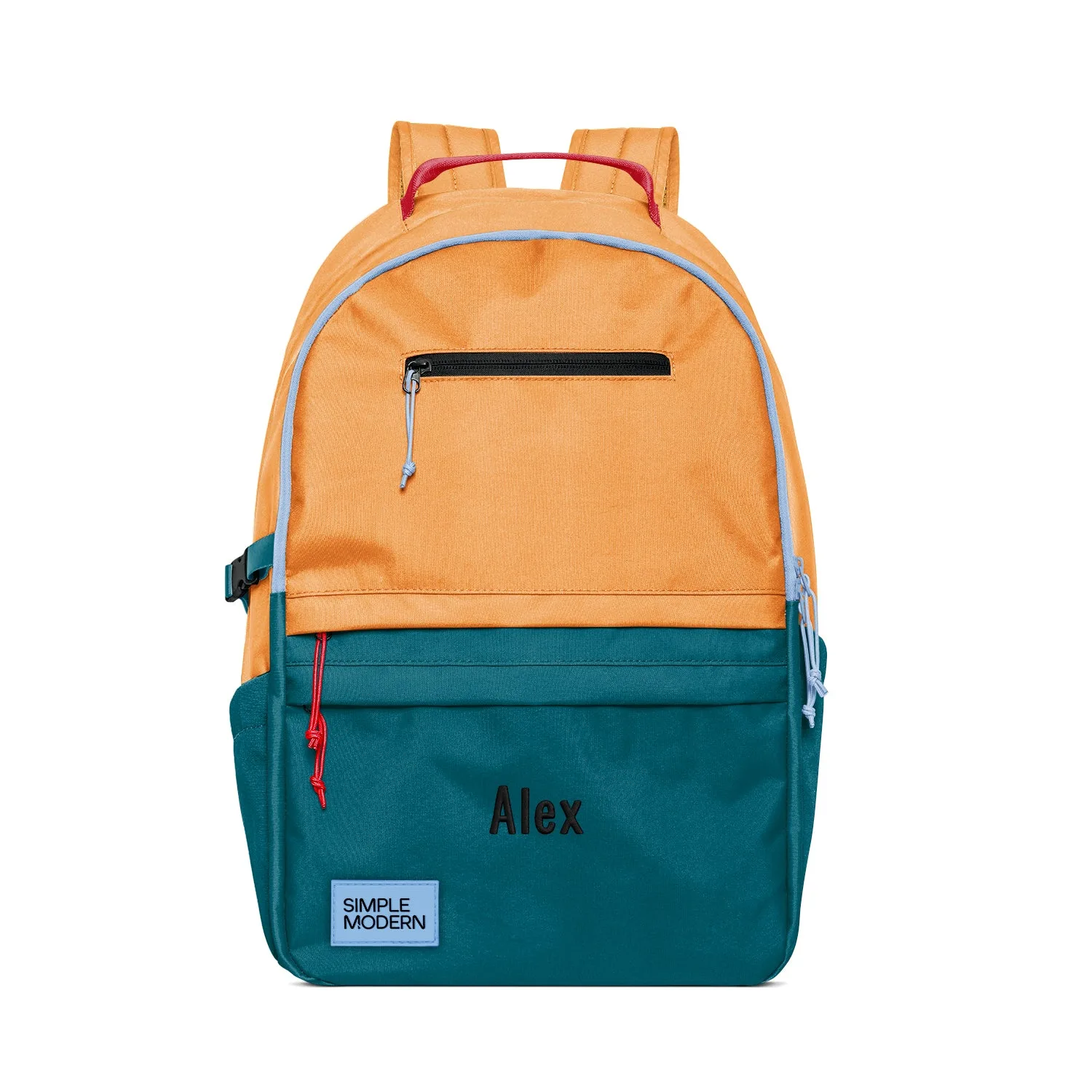
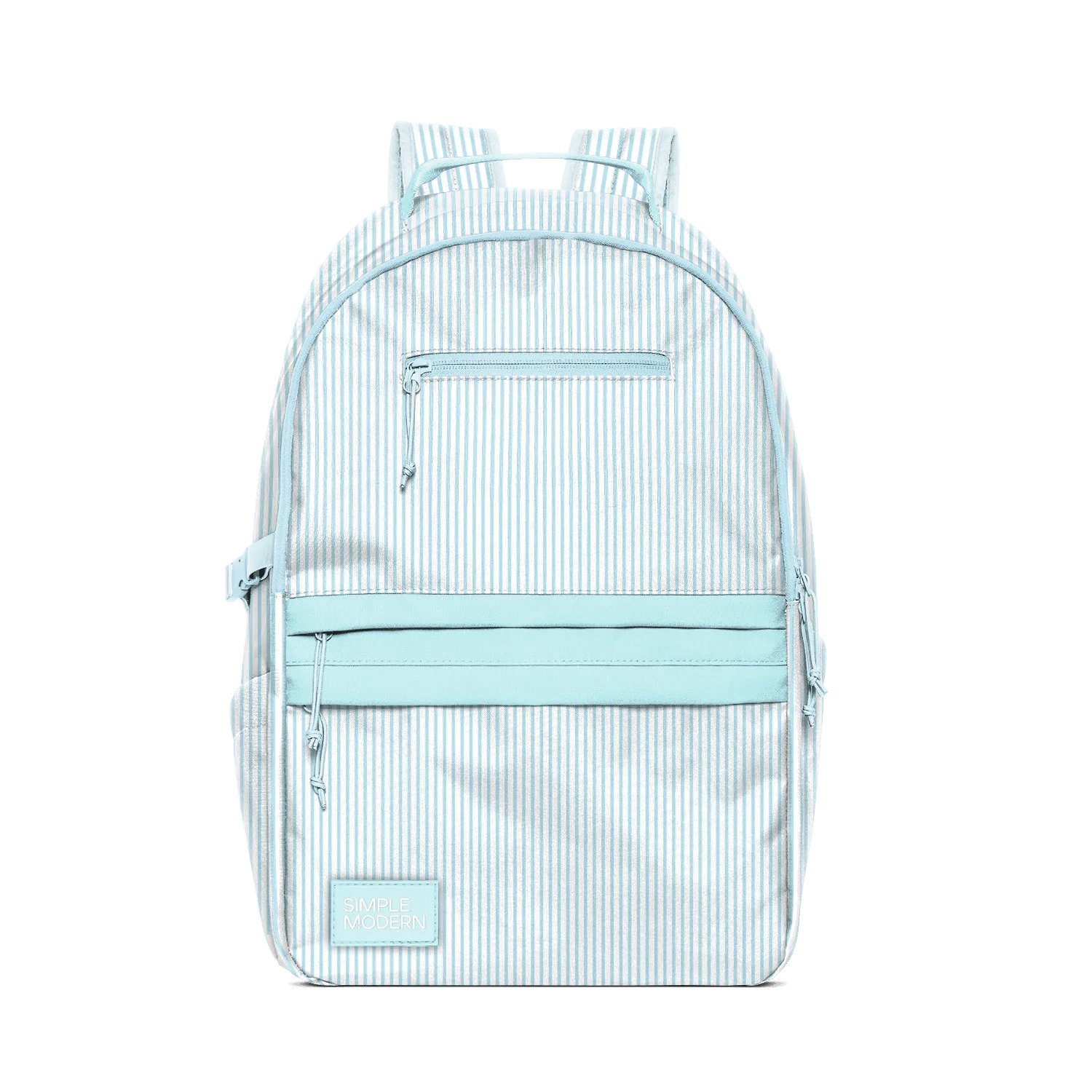
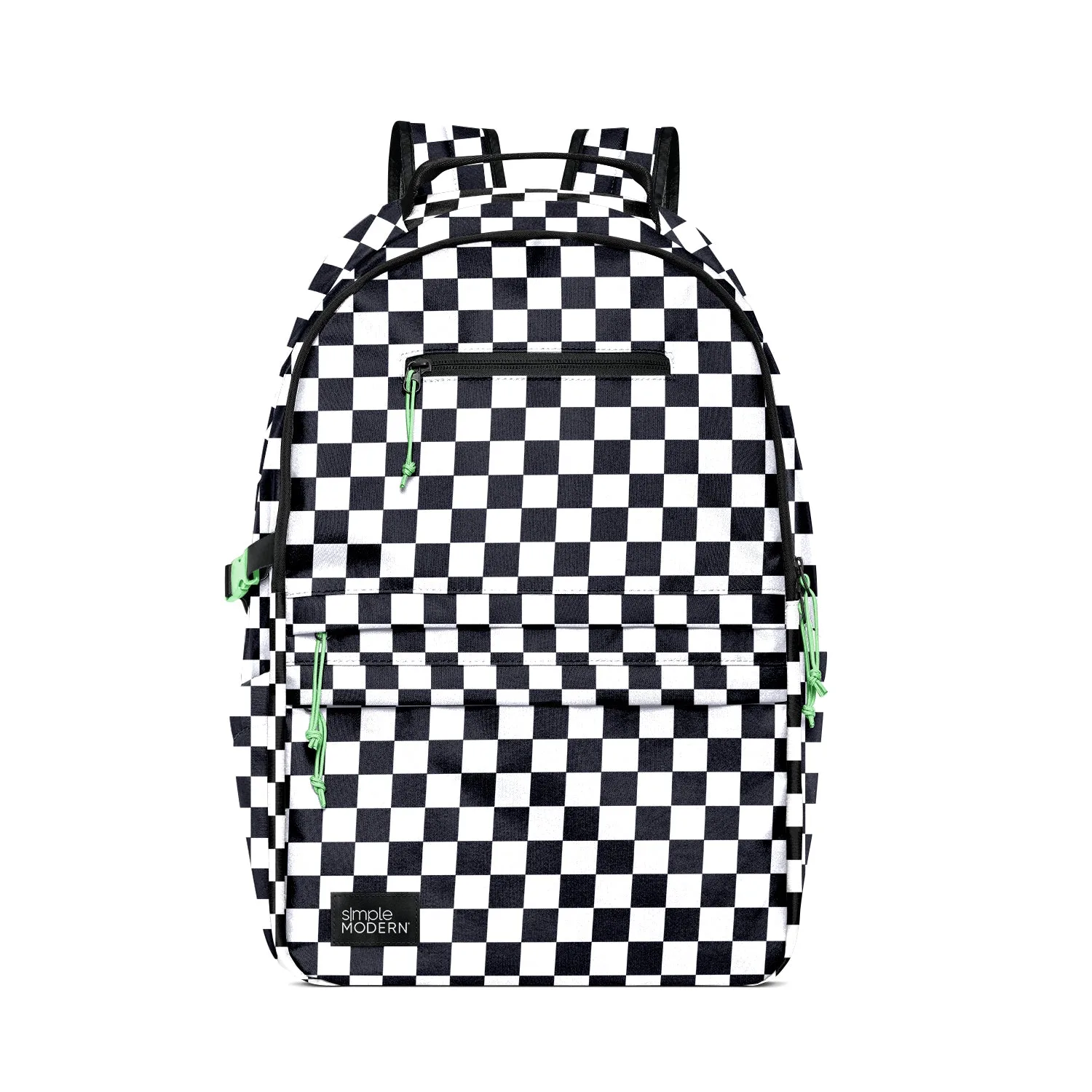
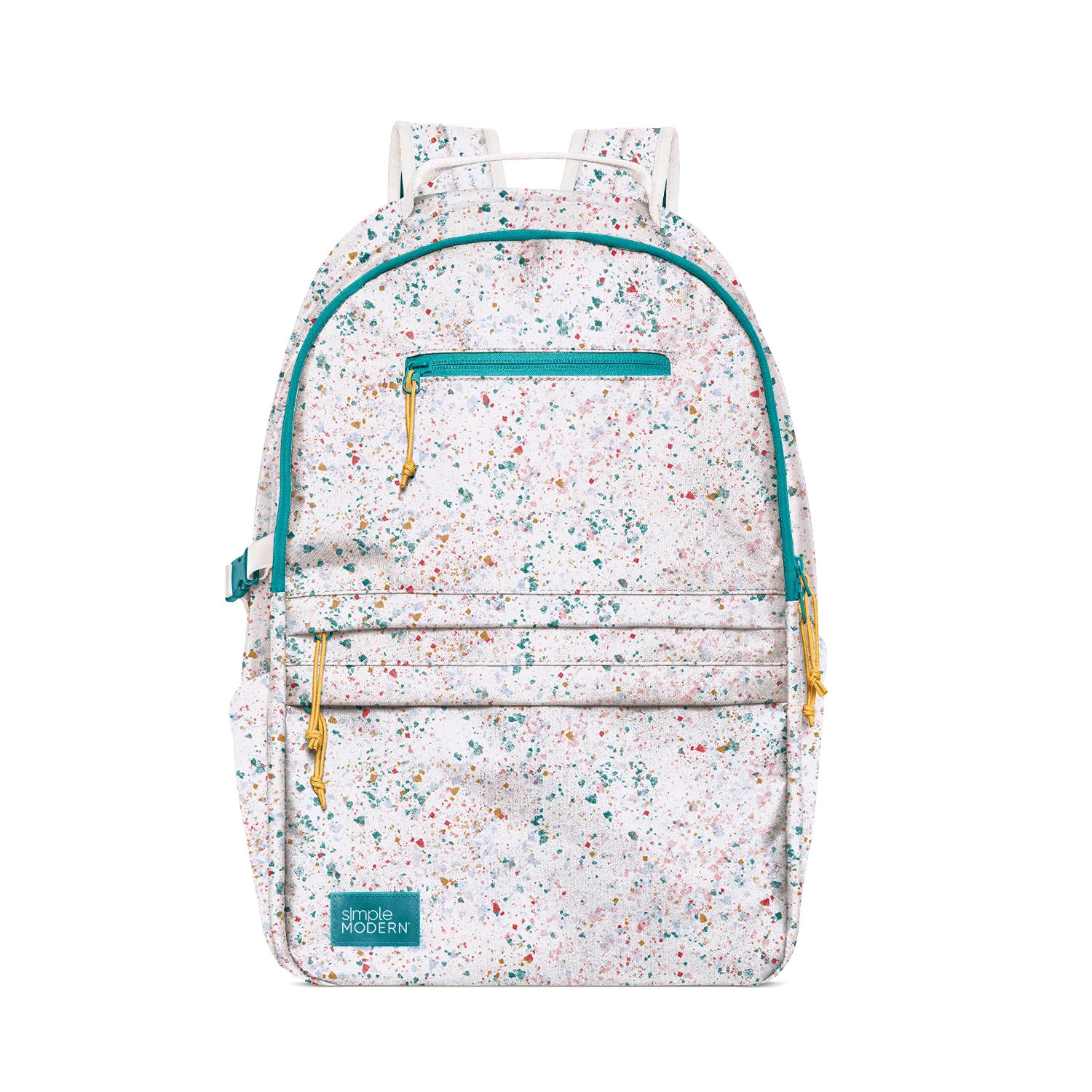
For kids ages 8 and up, the https://simplemodernhd.com/products/ellis-backpack-25l-330464https://simplemodernhd.com/products/ellis-backpack-25l-330466https://simplemodernhd.com/products/ellis-backpack-25l-330468https://simplemodernhd.com/products/ellis-backpack-25l-330469Ellis Backpack 25L has two expandable bottle sleeves and a padded laptop sleeve, and the Simple Modern Hadley lunch bag can fit inside it. That combination keeps the lunch bag from swinging separately on a crowded bus or in a locker.
Plan portions before you shop
Bento box portion sizes are easier to judge by compartment than by scale. A common approach is to fill the largest section with vegetables and fruit, a middle section with protein, and a small section with grains or a treat. This keeps the lunch balanced without weighing anything.
Pack slightly less than you think you need. A box that closes easily is less likely to crush soft foods or leak. If you are still hungry after lunch, add a piece of fruit or a yogurt on the side rather than overstuffing the main box.
Steps to pack a bento box lunch that stays fresh until noon
- 1. Chill everything before it goes in: Refrigerate the box, the filled compartments, and any drink overnight. Cold food stays in the safe zone longer, and a pre-chilled box does not warm the food from the inside. Common mistake: packing warm rice or leftovers straight from the stove, which steams the lid and speeds spoilage. Checkpoint: everything should feel cold to the touch before you close the lid.
- 2. Put wet foods in sealed compartments first: Sauces, dressing, yogurt, and juicy fruit go into their own leak-proof section before anything else. This sets the layout so dry foods never sit in a puddle. Common mistake: pouring dressing over salad at home, which wilts greens by noon. Checkpoint: tip the closed box gently over a sink to confirm no liquid escapes.
- 3. Fill the largest compartment with sturdy produce and protein: Use the biggest section for items that hold up for hours, such as cherry tomatoes, broccoli, cheese cubes, sliced chicken, or hard-boiled eggs. These anchor the meal and resist crushing. Common mistake: filling the large section with bread or crackers, which go stale or soft. Checkpoint: the lid should close without pressing down on the food.
- 4. Add grains and crunchy items last: Spoon rice, pasta, or quinoa into a middle compartment, and keep crackers, nuts, or seeds in a small dry section or a separate wrapper. Adding them last prevents accidental moisture transfer. Common mistake: packing chips or crackers next to cut fruit. Checkpoint: shake the box lightly; you should not hear loose pieces rattling against wet food.
- 5. Add a cold pack and close the bag: Place a slim ice pack against the top or side of the bento box inside an insulated lunch bag, then close the bag and slide it into your backpack or carry it by the shoulder strap. Common mistake: leaving the cold pack at room temperature until morning, which wastes its cooling capacity. Checkpoint: the bag should feel cool on the outside after 10 minutes.
- 6. Store it cold until lunch, then eat within two hours: Keep the bag out of direct sun and away from radiators or car trunks. Once you open the box, eat within about two hours and discard anything that sat out longer. Common mistake: leaving the open box on a desk all afternoon and snacking from it later. Checkpoint: if the food feels warm, do not eat it.
Products that support a fresh bento lunch
- Ellis Backpack 25L: The Ellis Backpack 25L is designed for ages 8 and up, with a padded laptop sleeve, a luggage strap, small zip-closure pockets, easily adjustable straps, and two expandable bottle sleeves on the sides. It fits a laptop or tablet, a 3-inch 3-ring binder, spiral notebook, folders, books, and a sweatshirt, and the Simple Modern Hadley lunch bag can fit inside. A backpack that holds both the lunch bag and school gear keeps the bento box upright and insulated instead of rolling around loose.
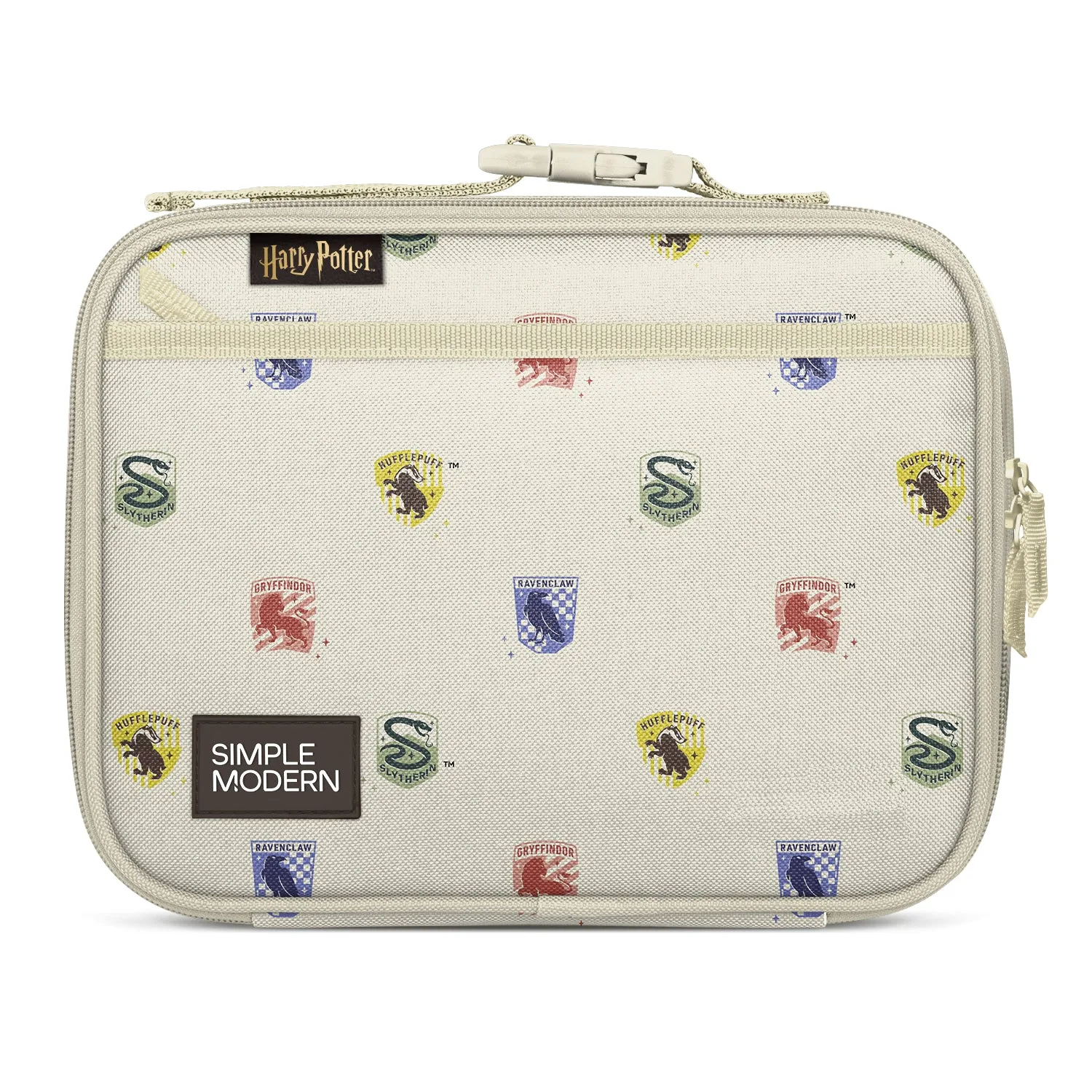
- Hadley Lunch Bag with Shoulder Strap: The Hadley Lunch Bag with Shoulder Strap has an adjustable, removable shoulder strap, an exterior pocket, and a structured interior lining that is triple insulated and water-resistant. It is designed to fit a Simple Modern Porter Bento Box. A water-resistant, insulated lining slows temperature changes and contains leaks if a compartment seal fails.
- Bennett Silicone Bib: The Bennett Silicone Bib has an adjustable strap that secures around the neck and expands to four different sizes, a stable pocket opening that catches food and liquid, and is lightweight, thin, and flexible enough to roll up or fold. If you pack bento-style meals for a younger child at home, a bib that catches spills keeps the meal tidy and makes cleanup faster.