Quick Answer
Pack your child's backpack from heaviest to lightest, placing heavy items closest to their back, and use separate compartments to keep school supplies organized and easy to find.
Why Backpack Organization Matters for School Kids
A well-packed backpack reduces strain on your child's shoulders and back, prevents lost homework, and makes school mornings smoother. Kids who can find their own supplies develop independence and confidence.
The Stephen Joseph All Over Print Backpack and Classic Backpack both offer multiple compartments that make organization easier. The Classic Backpack has two separate storage compartments plus external straps, hooks, and mesh side pockets, while the All Over Print Backpack provides a single large main compartment that's great for bulkier items like a change of clothes.
5 Steps to Pack a Kids Backpack for School
- 1. Place Heavy Items Against the Back: Put textbooks, binders, and a laptop or tablet in the main compartment, pushed flat against the child's back. This keeps the center of gravity close to their body and reduces strain. Common mistake: putting heavy items at the front of the bag, which pulls the child backward.
- 2. Use Separate Compartments for Different Categories: In a two-compartment backpack like the Classic Backpack, store books in one section and supplies like pencil pouches, folders, and a snack box in the other. For single-compartment bags like the All Over Print Backpack, use color-coded pouches to separate categories. Checkpoint: each category should have its own pouch or section so your child can grab what they need without dumping everything out.
- 3. Fill Side Pockets With Frequently Used Items: Use mesh side pockets for a water bottle, hand sanitizer, or a small snack. External straps and hooks on the Classic Backpack can hold a lunch bag or a light jacket. Common mistake: overloading side pockets with heavy items that unbalance the bag.
- 4. Keep Small Items in a Pencil Pouch or Zipper Pouch: Store pens, pencils, erasers, and small supplies in a dedicated pouch inside the main compartment. This prevents them from sinking to the bottom of the bag and getting lost. Checkpoint: a pencil pouch should be easy for your child to open and close independently.
- 5. Adjust Straps and Check Weight Daily: Tighten both shoulder straps so the backpack sits snugly against the back, about two inches above the waist. The total weight should not exceed 10-15% of your child's body weight. Remove any items that aren't needed that day. Common mistake: leaving yesterday's papers or toys in the bag, which adds unnecessary weight.
Backpacks That Make Packing Easier
-
All Over Print Backpacks: The All Over Print Backpack is large enough to carry school books and day-to-day supplies with room left for a change of clothes. Its single large compartment works best when you need to pack bulkier items like a lunch box or extra clothing, but you'll want to add pouches for small supplies.
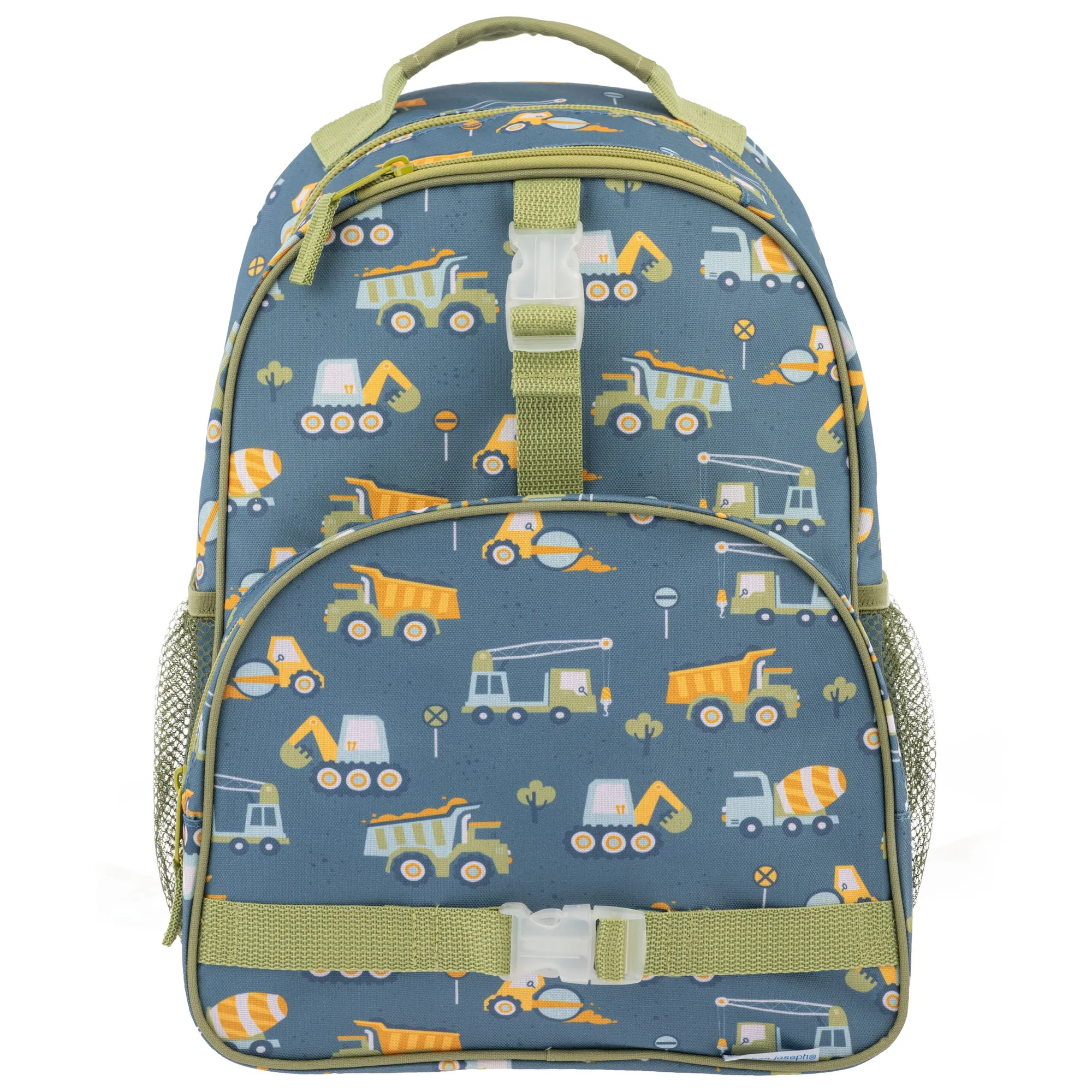
All Over Print Backpacks
-
Classic Backpack: The Classic Backpack has two separate storage compartments and external straps, hooks, and mesh side pockets. The separate compartments let you keep books in one section and smaller supplies in another, while the side pockets are perfect for a water bottle or snack.
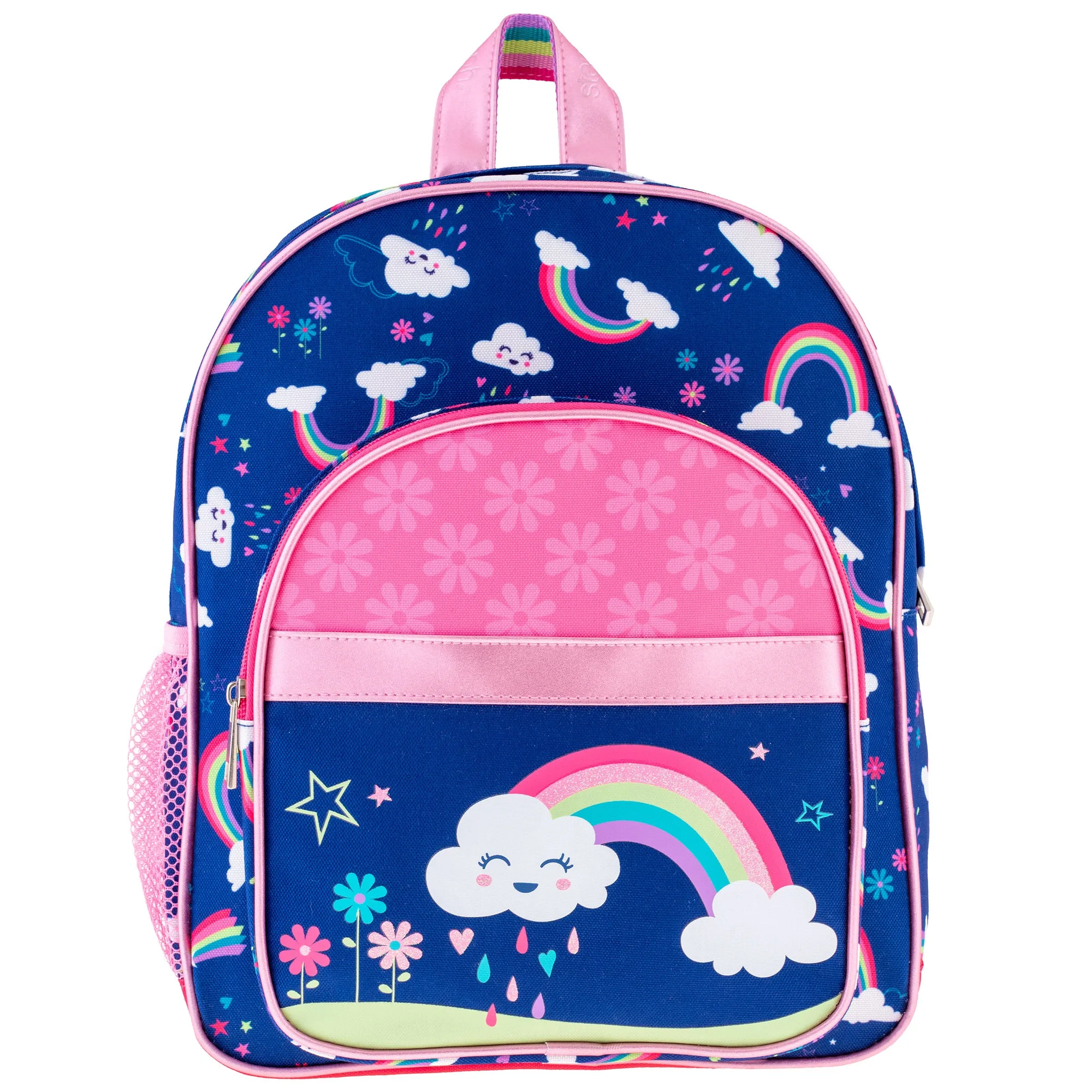
Classic Backpack