Quick Answer
Pack your pole case by sorting poles by length and type, using the two-chamber design to separate sections, and securing the diagonal zip for quick access without tangles.
Why Use a Dedicated Pole Case?
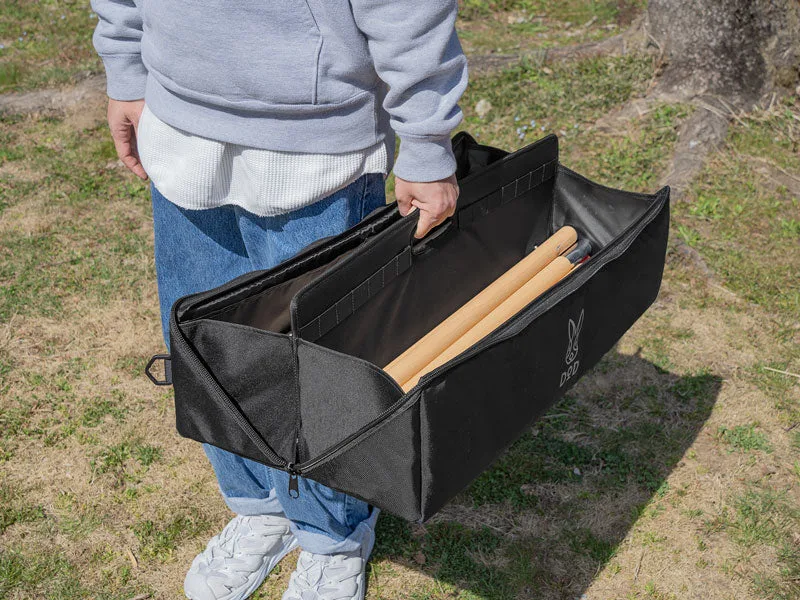
A pole case keeps your tent poles separate from other gear, preventing scratches, bends, and lost sections. The DOD Pole Case, for example, fits poles with sections up to 24 inches long and uses a two-chamber design to stop poles from tangling. This means you can set up your tent faster and avoid the frustration of untangling poles at the campsite.
How to Pack a Pole Case Step by Step
- Sort Your Poles by Length and Type: Lay out all tent poles and group them by length and function (e.g., main poles, cross poles, ridge poles). This prevents mixing up sections that look similar but are not interchangeable. Common mistake: assuming all poles are the same length. Check before packing.
- Use the Two-Chamber Design: If your pole case has separate chambers (like the DOD Pole Case), place longer poles in one chamber and shorter ones in the other. This keeps poles from rubbing against each other and makes it easier to find the right section when setting up. Checkpoint: ensure each chamber holds only one type of pole to avoid tangles.
- Secure the Diagonal Zip: Close the diagonal zipper fully, starting from the bottom corner. A partially closed zipper can snag on poles or open during transport. The diagonal design allows you to access poles without unzipping the entire case. Common mistake: rushing the zipper. Double-check it's fully closed before stowing the case.
Product Facts
-
Pole Case: The Pole Case features a diagonal zipper design for easy access and a two-chamber design to prevent clutter. The diagonal opening lets you grab individual poles without dumping the whole case, and the two chambers keep different pole sections separated so they don't tangle.
Pole Case