Quick answer
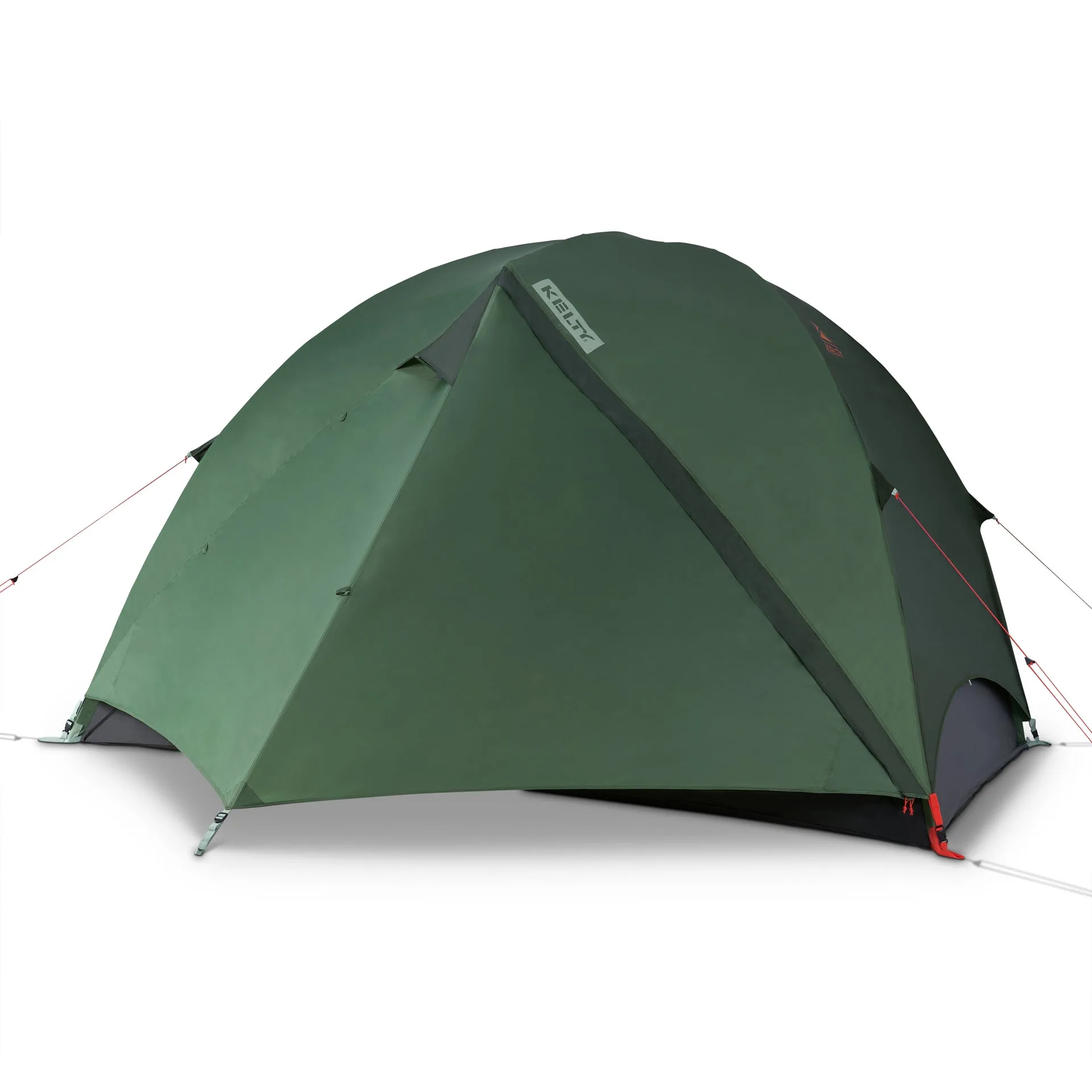
Choose the Late Start 4P if you want the fastest possible setup for up to four campers and don't need two doors or a vestibule. Choose the Wireless 6P if you're camping with a larger group or family and want two doors, two vestibules, and easier pack-up. Both use Kelty Quick Corner technology, so setup is quick either way.
Setup speed: both are fast, but for different reasons
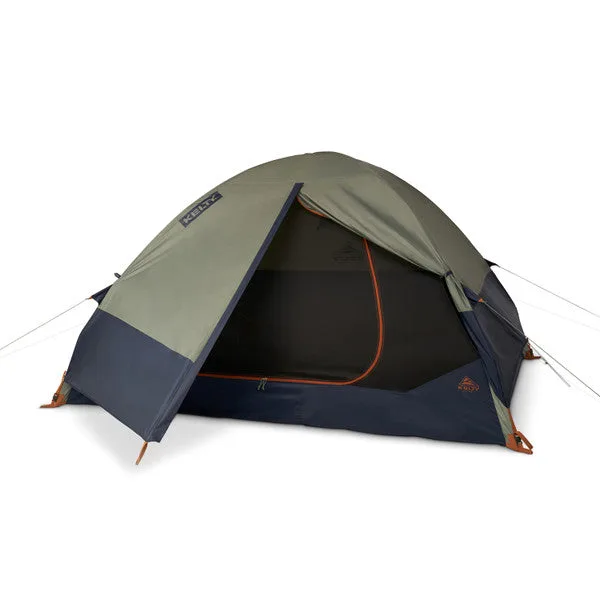
The Late Start 4P is built around one goal: getting you from car to camp as fast as possible. It uses Kelty Quick Corner technology and pre-bent poles that create more living space without extra assembly. If you often arrive after dark or just want to minimize setup time, this is the simpler tent.
The Wireless 6P also features Kelty Quick Corners, so it sets up quickly for its size. The bigger difference is pack-up: the Wireless includes a Shark Mouth duffel that makes stuffing the tent back into its bag noticeably easier. If you dread the morning pack-down, that feature alone can justify the larger tent.
Space and livability: two doors change everything
The Wireless 6P has a two-door, two-vestibule design that makes it feel much more livable for a group. Two doors mean fewer people climbing over each other, and two vestibules give you covered storage for boots, bags, or gear. The EZ-Zip vestibule adds convenience when you're coming and going.
The Late Start 4P doesn't list a second door or vestibule in the supplied specs. For four people who mostly sleep and leave, that's fine. But if you're sharing the tent with kids or friends who need easy night access, the Wireless 6P's layout will cause fewer disruptions.
Size and capacity: match the tent to your crew
The Late Start 4P is a four-person tent, which typically works best for two to three adults with gear, or a small family with young kids. The Wireless 6P sleeps six, so it fits a larger family or a group of friends without feeling cramped.
If you're often on the fence between a 4-person and 6-person tent, think about your typical trip. A 6-person tent gives you room to stand up, spread out sleeping bags, and keep duffels inside. A 4-person tent is lighter and easier to handle, but you'll need to pack efficiently.
Trade-offs to weigh
- Setup speed vs. pack-up convenience: The Late Start 4P focuses on fast setup with Quick Corners and pre-bent poles. The Wireless 6P also sets up quickly but adds a Shark Mouth duffel that makes packing up easier. If you hate packing, the Wireless 6P's duffel is a real advantage.
- Space vs. simplicity: The Wireless 6P offers two doors and two vestibules for more livable space. The Late Start 4P keeps things simpler with a single-door design (not specified in supplied facts, but implied by the absence of a second door). More doors mean more zippers and more setup steps, but also more convenience for groups.
- Capacity vs. portability: The 4-person Late Start is smaller and likely lighter, while the 6-person Wireless is larger and heavier. Neither tent's packed weight is listed in the supplied specs, so check the product page if weight matters. Match capacity to your group size; don't buy more tent than you need to carry.
Key differences at a glance
- Late Start 4P Tent: Kelty Quick Corner technology for lightning-fast setup in any weather or in the dark; pre-bent poles for larger living space. Ideal for late arrivals and quick weekend trips when you want to pitch fast and relax.
- Wireless 6P Tent: Two-door, two-vestibule construction with EZ-Zip vestibule and Shark Mouth duffel for effortless pack-up. Better for families or groups who need easy access and organized storage, plus simpler pack-down.
Which Kelty tent is right for you?
Best for
- Solo campers or couples who want a fast, simple setup
- Small families with young children who need a compact tent
- Weekend trips where you arrive late and want to pitch quickly
Not for
- Groups of five or more who need separate doors and vestibules
- Campers who prioritize easy pack-up over minimal setup
- Anyone who wants a dedicated vestibule for gear storage