Quick answer
For backpacking and motorcycle camping, skip the roll and stuff your sleeping bag into a compression sack from the foot end first. This method saves space, protects the loft, and keeps the bag ready to deploy at camp. Match your stuff sack to your bag's fill type and your carry method.
Why stuff sacks beat rolling for compact camping gear packing
Rolling a sleeping bag forces it into a uniform cylinder, which wastes space in a backpack or motorcycle pannier. Stuffing lets the bag fill every gap, so you get a smaller, more stable load. It also avoids repeated stress on the same fold lines, which can weaken insulation over time. For backpacking, a stuffed bag sits lower and closer to your back, improving balance. For motorcycle camping, it conforms to irregular pannier shapes and reduces shifting at speed. The tradeoff: stuffing takes slightly more care to avoid trapping moisture or debris, so always start with a clean, dry bag.
Match your stuff sack to your fill and trip
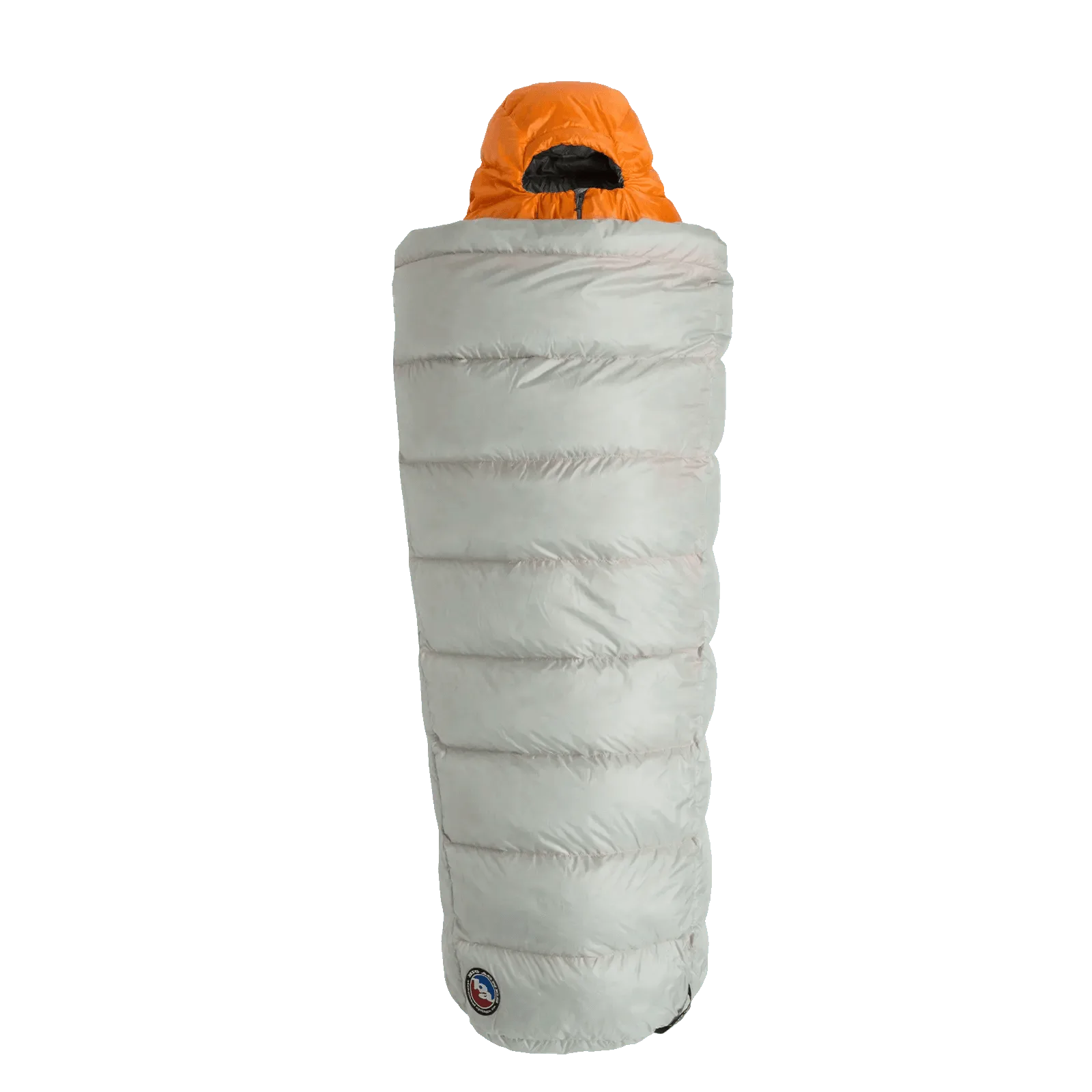
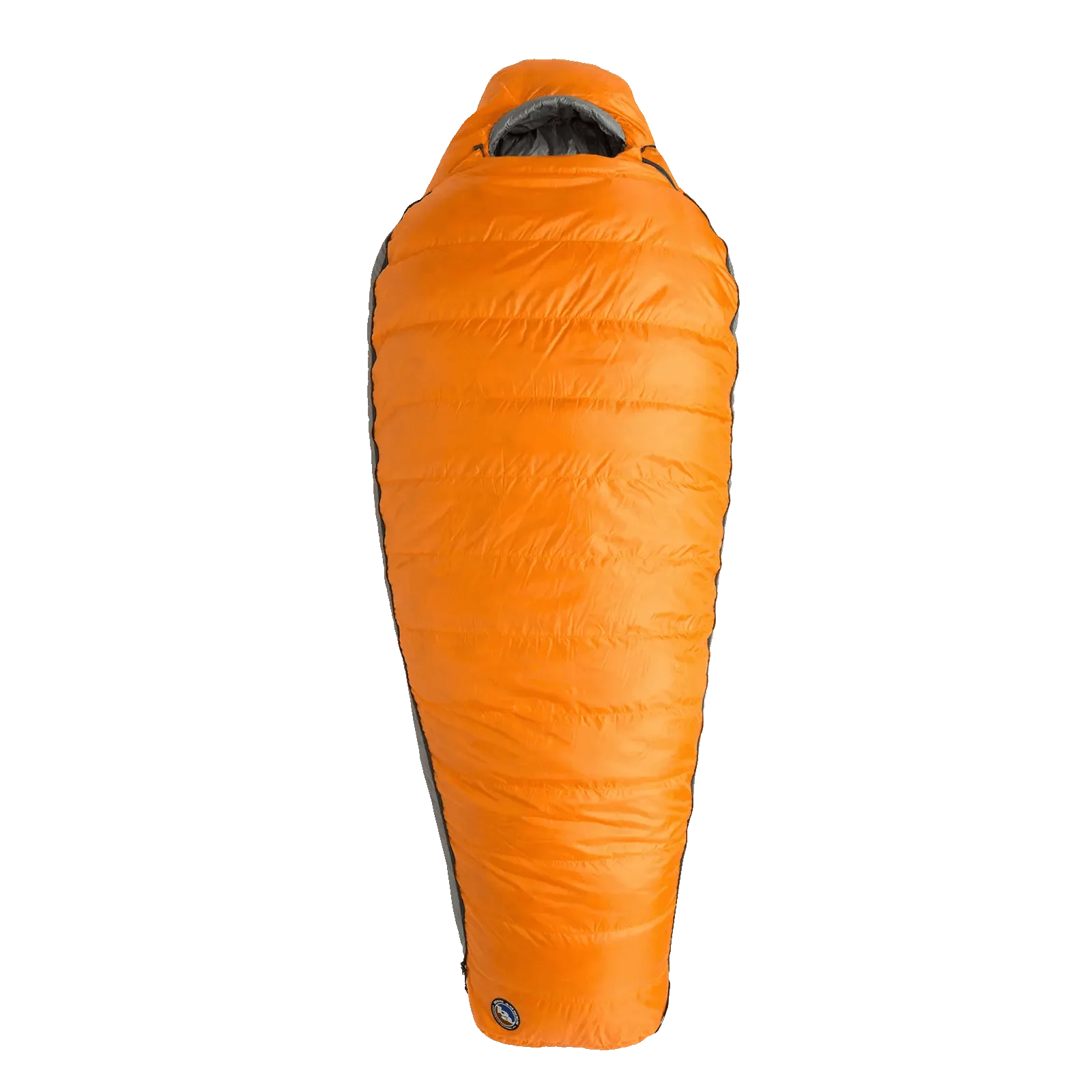
Down bags compress more than synthetic ones, so they can use a smaller stuff sack, but they need more protection from moisture. Synthetic bags are more forgiving when damp but bulkier, so choose a sack that lets you cinch firmly without over-compressing. For motorcycle camping, vibration and weather exposure are bigger concerns than for backpacking, so consider a waterproof stuff sack or a dry bag liner. If you use a compression sack, look for one with straps that run lengthwise and a wide opening. A too-small sack makes packing a fight and can damage zippers; a too-large sack wastes space. Test your sack at home before your trip.
Roll vs stuff sleeping bag: when each method works
Rolling can work if you have a dedicated cylindrical compartment, like some motorcycle tail bags or a large duffel. It keeps the bag neat and makes it easy to slide in and out. But rolling usually creates a longer package that is harder to fit into a top-loading backpack. Stuffing is faster, more adaptable, and generally results in a smaller pack size. The exception: if your bag has a delicate shell or you are storing it long-term, a loose roll or hanging storage is better. For the trail or the road, stuffing wins for compact camping gear packing.
Step-by-step: pack your sleeping bag
- 1. Start with a clean, dry bag: Shake out debris and make sure the bag is fully dry. Moisture trapped in a stuff sack can lead to mildew and lost loft. Checkpoint: if you feel any dampness, air it out before packing.
- 2. Turn the stuff sack inside out: This lets you push the bag into the sack without fighting the fabric. It also helps you load the foot end first. Mistake to avoid: forcing the bag into a right-side-out sack, which traps air and makes a tight pack.
- 3. Stuff foot end first: Grab the foot of the bag and push it into the sack, then work your way up. Alternate sides to fill gaps evenly. Checkpoint: the bag should fill the sack without hard lumps.
- 4. Compress gradually: If using a compression sack, cinch straps in stages. Over-compressing repeatedly can stress seams and insulation. Mistake to avoid: cranking straps all at once, which can damage zippers and fabric.
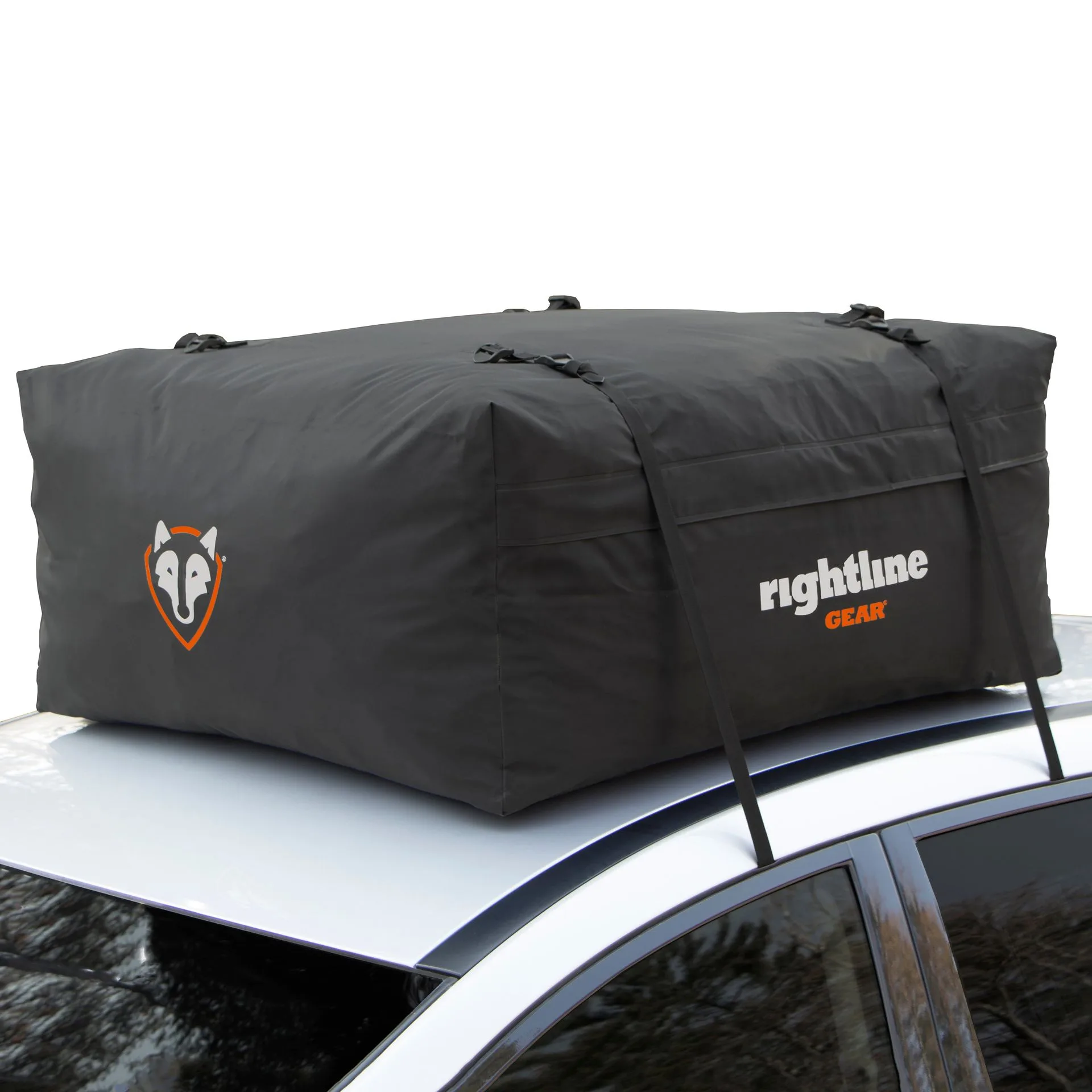
- 5. Pack for your carry method: For backpacking, place the bag low and close to your back. For motorcycle camping, put it in a waterproof pannier or dry bag. Checkpoint: the bag should not shift when you shake your pack or pannier.
- 6. Test and adjust: Before your trip, pack your bag and carry it for a short walk or ride. Adjust the stuff sack size or placement as needed. Next step: if the pack feels bulky, try a smaller compression sack or a different fill bag.
DOD gear that fits this packing approach
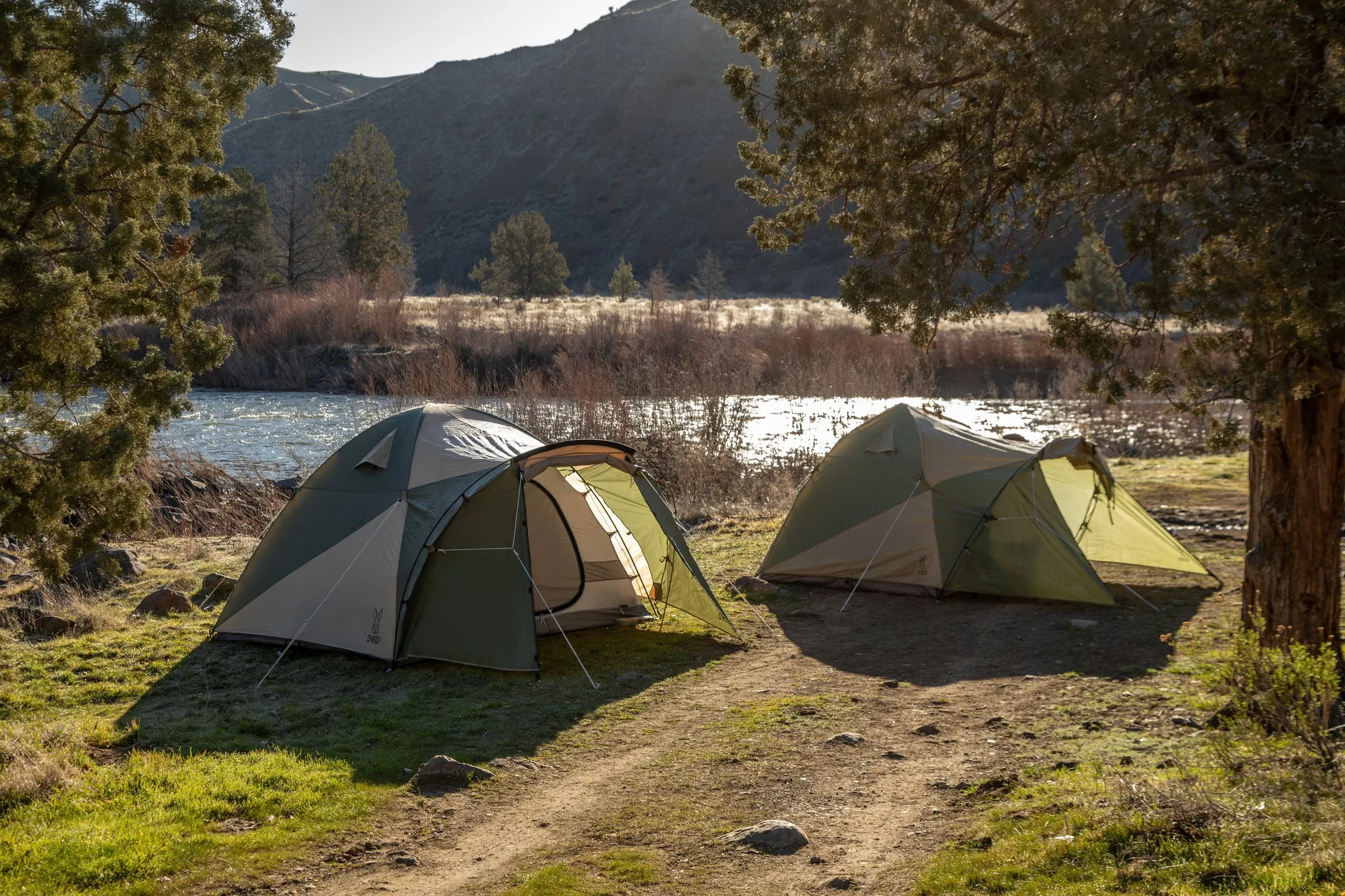
- Musha 1Pole Tent: The Musha 1Pole Tent is a two-room, one-pole tent with a separate sleeping chamber and vestibule, made from CanvoTM fabric. Its separate sleeping chamber keeps your packed sleeping bag and gear organized and protected from weather, which is useful when you are stuffing a bag on a tight schedule.
- THE Dome Tent: THE Dome Tent comes with a ground sheet and has a large front room that can be extended into a canopy area. The front room gives you a dry, clean space to unpack and stuff your sleeping bag without exposing it to dirt or rain.