Packing a sleeping bag into a stuff sack might seem straightforward, but doing it right can make a huge difference in how much space you save and how well your gear performs. Whether you're heading out for a weekend car camp or a multi-day backpacking trip, efficient packing is a skill every outdoor enthusiast should master. In this guide, we’ll walk you through the best techniques to compress your sleeping bag, protect its insulation, and keep your pack organized.
Many campers simply shove their sleeping bag into a stuff sack any which way, only to end up with a bulky, uneven bundle that wastes precious pack space. The good news is that with a few simple steps, you can pack your sleeping bag like a pro, ensuring it stays fluffy, warm, and ready for action. We’ll also share some pro tips on choosing the right stuff sack and maintaining your bag’s loft over time.
Why Proper Packing Matters
Your sleeping bag is one of the most important pieces of gear for a good night’s sleep outdoors. How you pack it directly affects its insulation, comfort, and lifespan. Stuffing it carelessly can create air pockets, cause uneven compression, and even damage the baffles or stitching over time. Proper packing ensures your bag retains its loft—the fluffy dead-air space that traps body heat—so you stay warm when temperatures drop.
Efficient packing also saves space in your backpack or duffel. A well-compressed bag takes up less room, leaving space for other essentials like a sleeping pad, tent, or cooking gear. This is especially critical for backpackers who need to fit everything into a single pack. By mastering the art of stuff sack packing, you’ll be able to carry more comfort and less bulk on every adventure.
- A properly packed bag is easier to carry and fits better in your pack.
- Avoids unnecessary wear and tear on zippers, fabric, and insulation.
- Helps maintain the bag's thermal efficiency for years to come.
Step-by-Step Guide to Stuff Sack Packing
Start by laying your sleeping bag flat on a clean, dry surface. Smooth out any wrinkles and make sure the bag is completely dry—packing a damp bag can lead to mildew and permanent damage. If your bag is down-filled, give it a few minutes to fluff up after being stored, as this helps distribute the fill evenly.
Next, fold the bag in half lengthwise, then in half again, creating a long rectangle. Some campers prefer to roll the bag tightly from the foot end toward the hood, which can help push out air. However, for maximum compression, the best method is to use a stuff sack with compression straps. Place the folded bag into the stuff sack, then gradually tighten the straps to squeeze out excess air. If your stuff sack doesn’t have straps, you can manually compress the bag by pressing down as you close the drawstring.
- Always pack your bag loosely first, then compress—this prevents over-stuffing and stress on seams.
- Use a stuff sack that’s slightly larger than the compressed size to avoid damaging the bag.
- If you’re using a compression sack, tighten straps evenly to avoid lumpy spots.
Choosing the Right Stuff Sack
The stuff sack you use can make or break your packing experience. Look for one that matches your sleeping bag’s size and insulation type. Down bags compress much smaller than synthetic bags, so you can get away with a smaller sack. Synthetic bags, on the other hand, require a slightly larger sack to avoid over-compression, which can reduce their lifespan.
Consider a waterproof or water-resistant stuff sack for extra protection, especially if you’ll be paddling or hiking in wet conditions. Many campers also use a separate dry bag for their sleeping bag to keep it completely dry. If you’re looking for a reliable sleeping pad to pair with your packed bag, check out the Insulated V Ultralite SLTM Sleeping Pad—it packs down small and offers excellent warmth-to-weight ratio, making it a great companion for your compressed sleeping bag.
- For backpacking, choose a compression sack that reduces volume by at least 30%.
- If you have a Klymit sleeping bag, use a sack that matches its size—check the product specs for recommended sack dimensions.
- Keep a small stuff sack for a sleeping bag liner or extra clothing to maximize space.
Tips for Maximizing Space in Your Pack
Once your sleeping bag is compressed, think about where to place it in your backpack. Most backpackers put the sleeping bag at the bottom of the pack, as it’s the last thing you’ll need during the day. This also helps distribute weight evenly. If you’re using a stuff sack with a compression strap, you can attach it to the outside of your pack for extra space—just make sure it’s secure and won’t snag on branches.
Another trick is to use your sleeping bag as a cushion or pillow during breaks. Simply unroll it and sit on it, then repack it when you’re ready to move. This not only saves space but also adds comfort. For car campers, consider using a larger duffel or cargo carrier to store your sleeping bag and other bulky gear. The Rightline Gear® Range 2 Cargo Carrier is a great option for rooftop storage, freeing up interior space for passengers and smaller items.
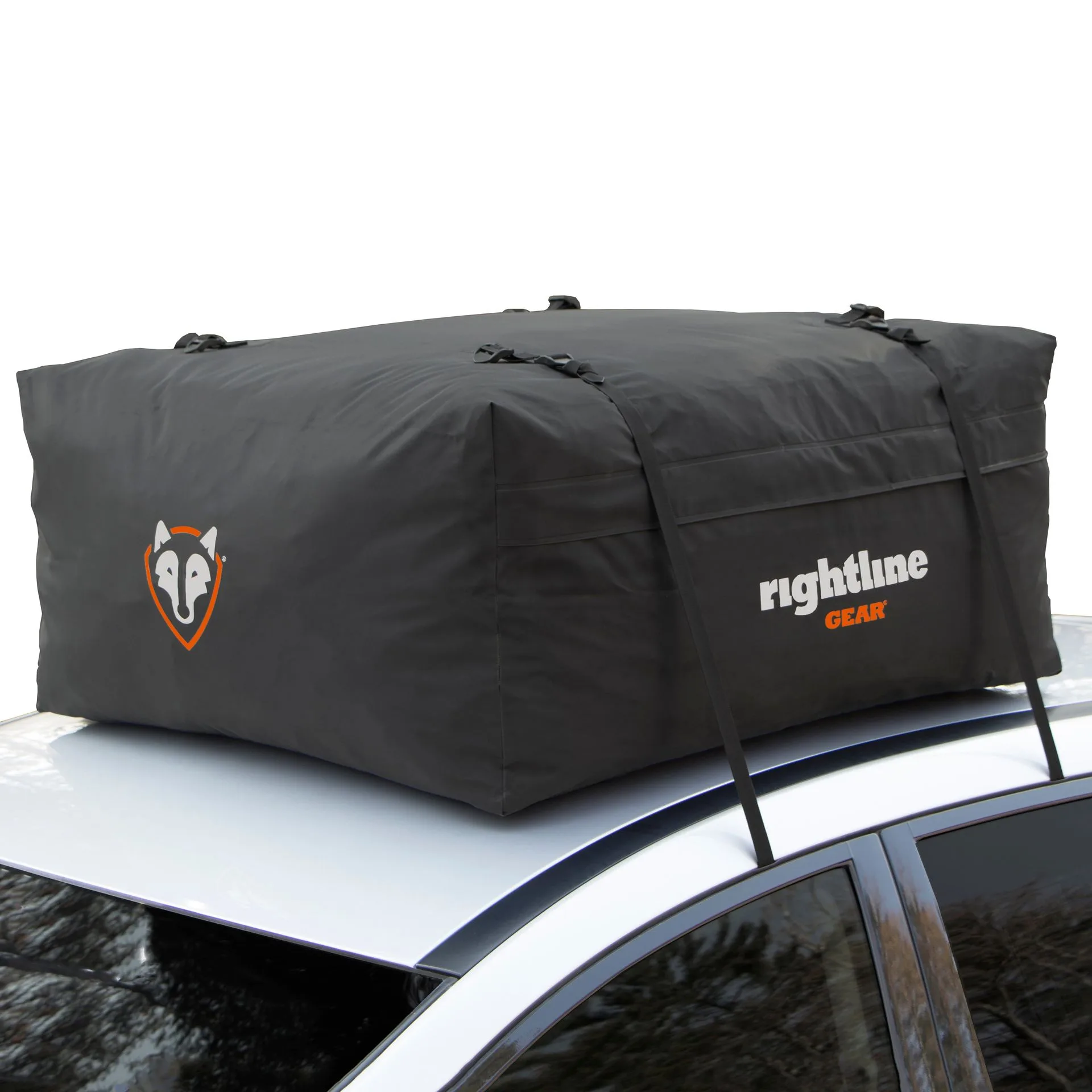
Rightline Gear® Range 2 Cargo Carrier
- Place your sleeping bag at the bottom of your pack for better balance.
- Use a compression sack to reduce volume by up to 50%.
- If you're car camping, use a cargo carrier to keep your sleeping bag and other gear organized.
Common Mistakes to Avoid
One of the biggest mistakes campers make is over-stuffing their sleeping bag into a sack that’s too small. This can damage the insulation and reduce its warmth. Always use a sack that’s appropriately sized, and never force the bag in. If it doesn’t fit easily, you need a larger sack or a different compression method.
Another mistake is packing a damp bag. Always let your sleeping bag air out completely before packing it away. If you’re on a multi-day trip, consider using a waterproof stuff sack or a liner to protect it from moisture. Finally, avoid storing your sleeping bag compressed for long periods—this can crush the insulation and reduce its loft. Instead, store it loose in a large cotton or mesh sack at home.
- Never store your sleeping bag in a stuff sack for more than a few weeks.
- If your bag gets wet, dry it thoroughly before packing.
- Use a compression sack only for transport, not for long-term storage.
Mastering the art of packing your sleeping bag into a stuff sack is a simple skill that pays off in space, comfort, and gear longevity. By following these steps, you’ll be able to pack your bag quickly and efficiently, leaving more room for other essentials. Pair your perfectly packed sleeping bag with a high-quality sleeping pad like the Insulated Static V PeakTM Sleeping Pads for the ultimate outdoor sleep system. Happy camping!