Quick answer
Fold your suit along its natural seams, cushion the fold with soft clothing, and pack it last on top of a tightly packed base. A carry-on with real expansion and a flat packing surface, like the Travelpro® Platinum® Elite Carry-On Spinner, gives you room to do this without compressing the jacket.
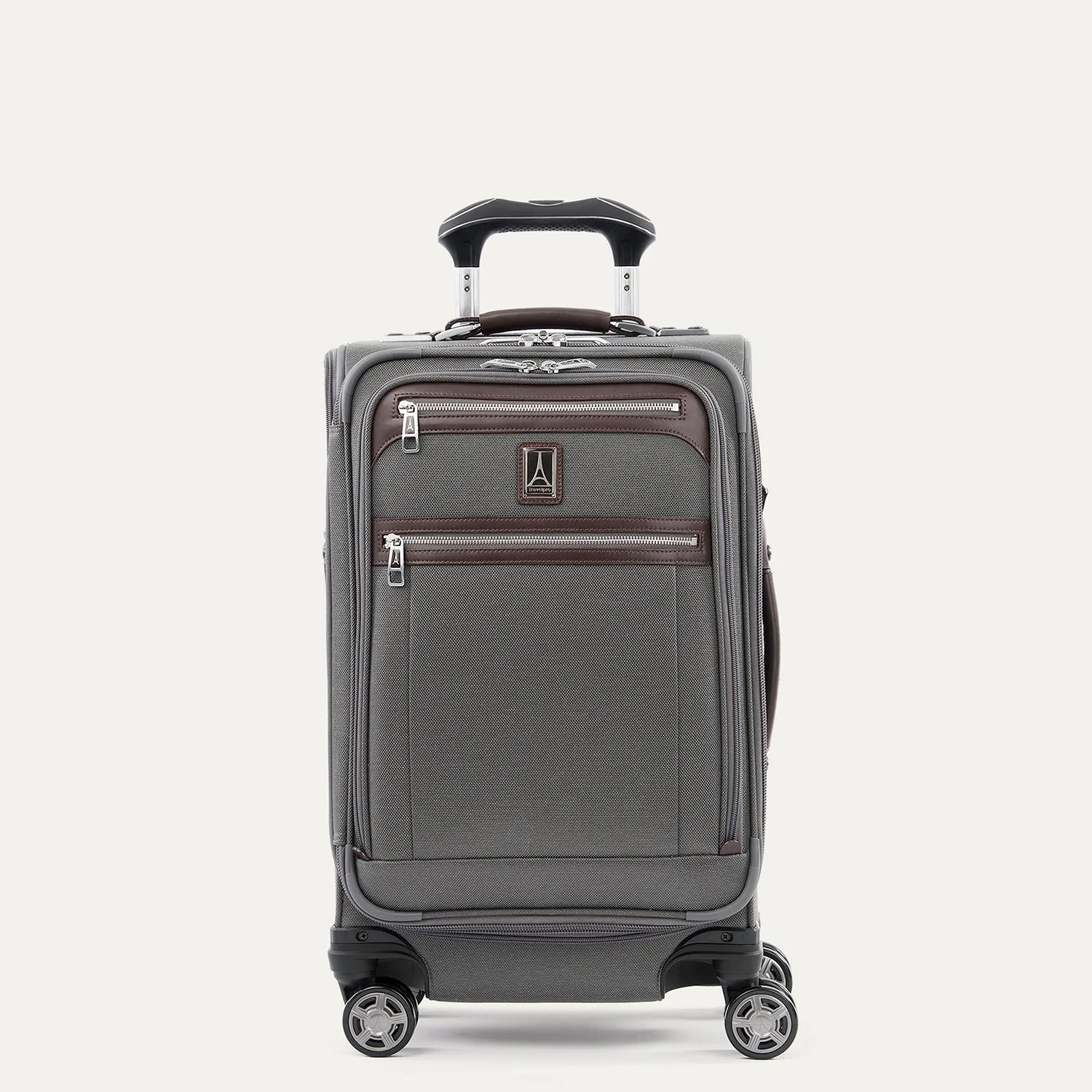
Travelpro® Platinum® Elite Carry-On Spinner
A suit survives a carry-on trip when you stop folding it like a shirt. Jackets crease where fabric bends against itself, so the goal is to bend it in as few places as possible and pad those bends. That takes ten minutes of setup and the right order of operations.
This guide walks through the exact sequence, from preparing the jacket to closing the bag. It also covers which carry-on features make suit packing easier, so you can match the method to the bag you actually own.
Prep the suit before it goes near the bag
Empty every pocket, including the inside jacket pockets. A wallet or phone left in place creates a hard lump that presses a crease into the lining during the flight. Button the jacket, then turn it so the back faces you. Smooth the shoulders and lapels with your hands so the fabric is flat before you fold anything.
If the suit has been hanging in a closet, give it a few minutes to relax. Fabric that has been compressed on a hanger holds its shape better than fabric pulled straight from a dry-cleaning bag. Do not iron right before packing; let the garment cool completely first, because warm fabric takes a fold more permanently.
- Checkpoint: no keys, pens, or receipts left in any pocket.
- If you are packing two suits, fold them separately rather than layering them together.
Fold the jacket along its seams, not across the middle
Lay the jacket face down. Fold one shoulder back so it sits inside the body of the jacket, then fold the other shoulder over it. This is the same motion a tailor uses, and it keeps the shoulder line from creasing. Then fold the jacket in half vertically, bringing the bottom hem up toward the collar.
The result is a compact bundle with one main fold. That single fold is the one you will cushion in the next step. Resist the urge to fold it into quarters for a smaller footprint; every extra fold adds a crease line that shows under a jacket's front panel.
- Common mistake: folding the jacket in half across the waist, which puts a hard crease right where the jacket button sits.
- Checkpoint: the jacket should hold its own shape when you pick it up.
Cushion the fold with soft clothing
Place rolled t-shirts, socks, or a sweater along the inside of the jacket's main fold. The padding absorbs pressure from the bag's shell and keeps the fold from sharpening into a crease. Roll soft items rather than folding them flat, since rolls fill gaps and stay put when the bag is moved.
For trousers, fold them along the existing front crease, then lay them so the crease runs down the outside of the bundle rather than across it. If your trousers have no pressed crease, fold them in half lengthwise and roll them loosely around the jacket bundle.
- Do not use shoes as padding against the jacket; hard edges transfer through fabric.
- Checkpoint: you can press on the fold and feel softness, not a seam or zipper.
Build the base of the bag first, then add the suit
Pack heavy items like shoes and toiletry bags at the bottom, against the wheels. Fill the middle with rolled clothing. Leave the top layer flat and clear for the suit. Packing the suit last means nothing heavy sits on it and nothing shifts against it in transit.
If the suit is the only thing you are carrying, place it flat against the back wall of the bag and fill the remaining space with soft items so it cannot slide. A loosely packed bag lets the suit move, and movement is what creates wrinkles.
- Common mistake: packing the suit first and then forcing shoes in around it.
- Checkpoint: the bag should feel firm, not bulging, when you press the top.
Use expansion and compression deliberately
Expand the bag before you pack, then compress it once everything is in. Expanding first gives you a flat surface to work on and prevents you from overstuffing the suit into a tight space. Compressing after packing holds the contents in place so they cannot rub against each other.
Some carry-ons offer up to 2 inches of expansion, which is enough to fit a folded jacket plus a two-day clothing load without crushing either. If your bag has no expansion, pack the suit flat and remove one non-essential item rather than forcing the zipper.
- Checkpoint: the zipper closes with light pressure, not a struggle.
- If the bag will not close, take out a layer of clothing before you refold the suit.
Unpack and hang the suit as soon as you arrive
Take the suit out first, shake it gently, and hang it in a bathroom while you shower. Steam from a hot shower relaxes minor folds without an iron. Give it fifteen to twenty minutes, then hang it in the closet to dry fully before wearing.
If you are heading straight to a meeting, hang the jacket on the back of a chair and let it settle for ten minutes. Most travel creases fall out on their own once the fabric is hanging freely.
- Common mistake: leaving the suit in the bag overnight, which lets folds set.
- Checkpoint: hang the suit before you unpack anything else.
Suit packing steps in order
- Step 1: Empty and smooth the suit: Remove everything from the pockets, button the jacket, and smooth the shoulders and lapels flat. Mistake to avoid: packing with a phone or wallet still in a pocket, which presses a hard crease into the lining. Checkpoint: the jacket lies flat with no lumps under the fabric.
- Step 2: Fold along the shoulder seams: Lay the jacket face down, fold one shoulder inside the body, fold the other over it, then fold the jacket in half vertically. Mistake to avoid: folding across the waist, which creases the front panel. Checkpoint: one main fold, not two or three.
- Step 3: Pad the fold with rolled soft clothing: Tuck rolled t-shirts or socks along the inside of the main fold. Mistake to avoid: using shoes as padding, because hard edges transfer through fabric. Checkpoint: pressing the fold feels soft, with no seam or zipper underneath.
- Step 4: Pack the base first, suit last: Put shoes and heavy items at the bottom, rolled clothing in the middle, and lay the folded suit flat on top. Mistake to avoid: packing the suit first and forcing other items around it. Checkpoint: the bag feels firm and the suit cannot slide.
- Step 5: Expand to pack, compress to close: Open the expansion before packing, then zip it closed once the bag is full. Mistake to avoid: forcing the zipper on a bag that is already over capacity. Checkpoint: the zipper closes with light pressure.
- Step 6: Hang the suit immediately on arrival: Shake the jacket out and hang it in a steamy bathroom for fifteen to twenty minutes before wearing. Mistake to avoid: leaving the suit in the bag overnight. Checkpoint: hang the suit before you unpack anything else.
Carry-on features that make suit packing easier
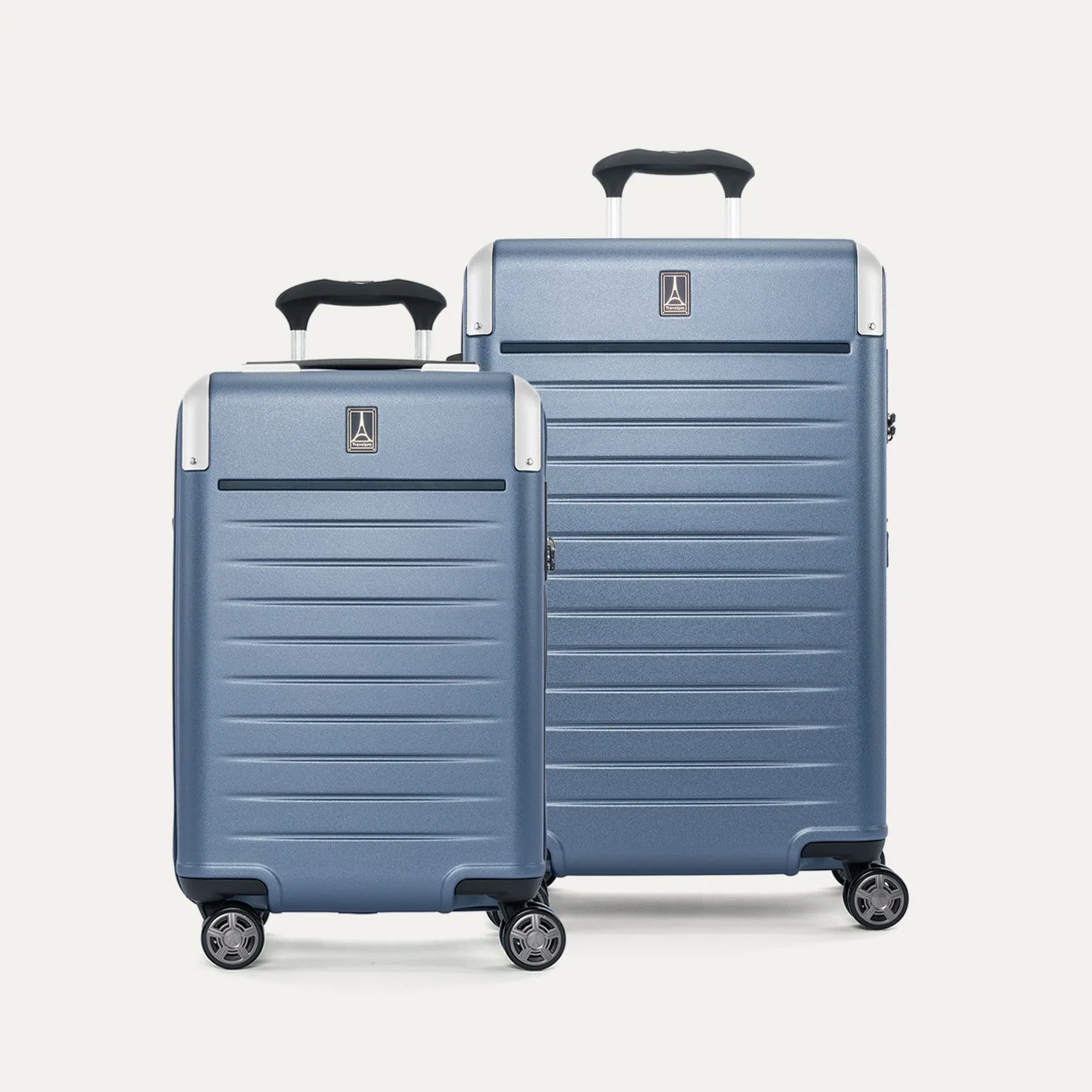
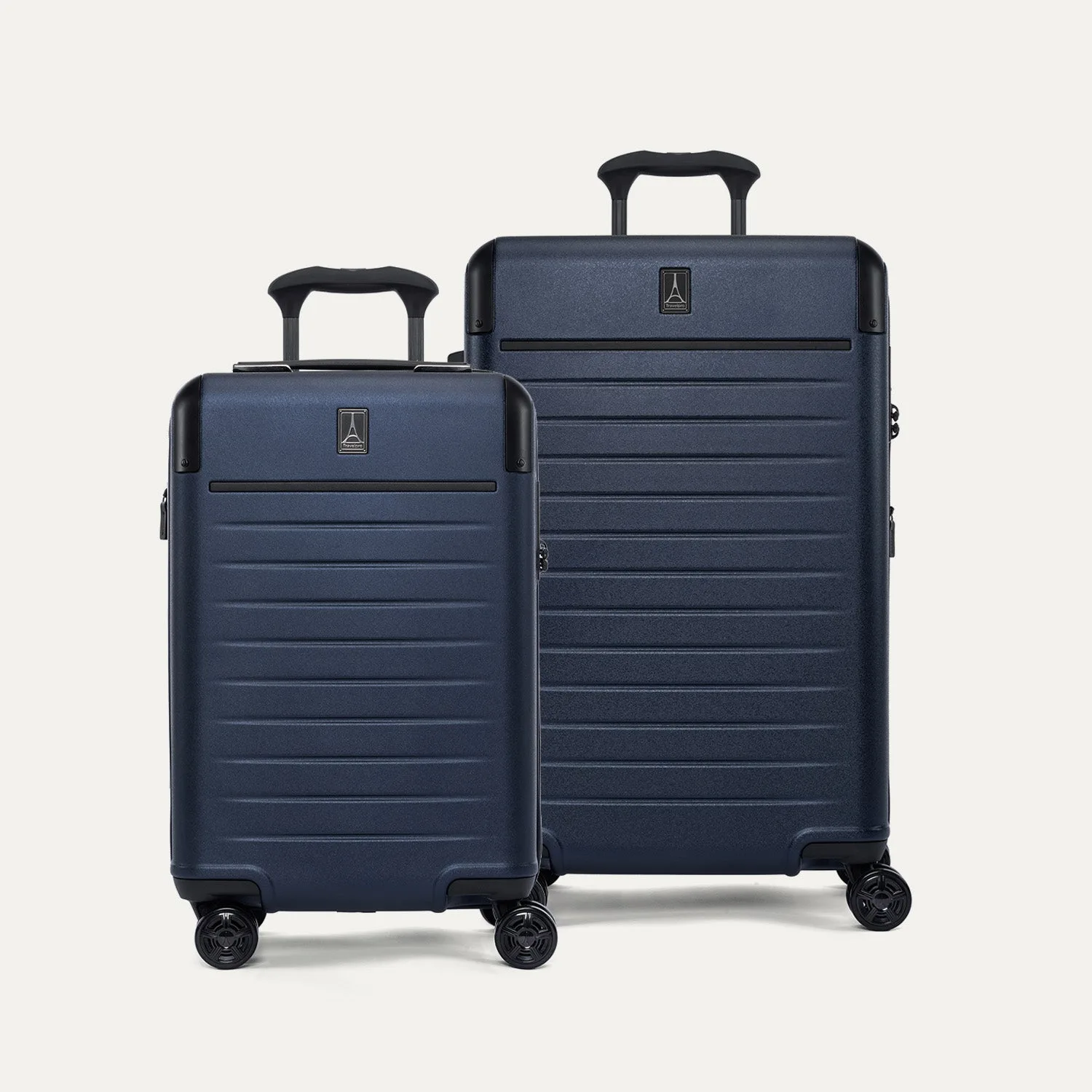
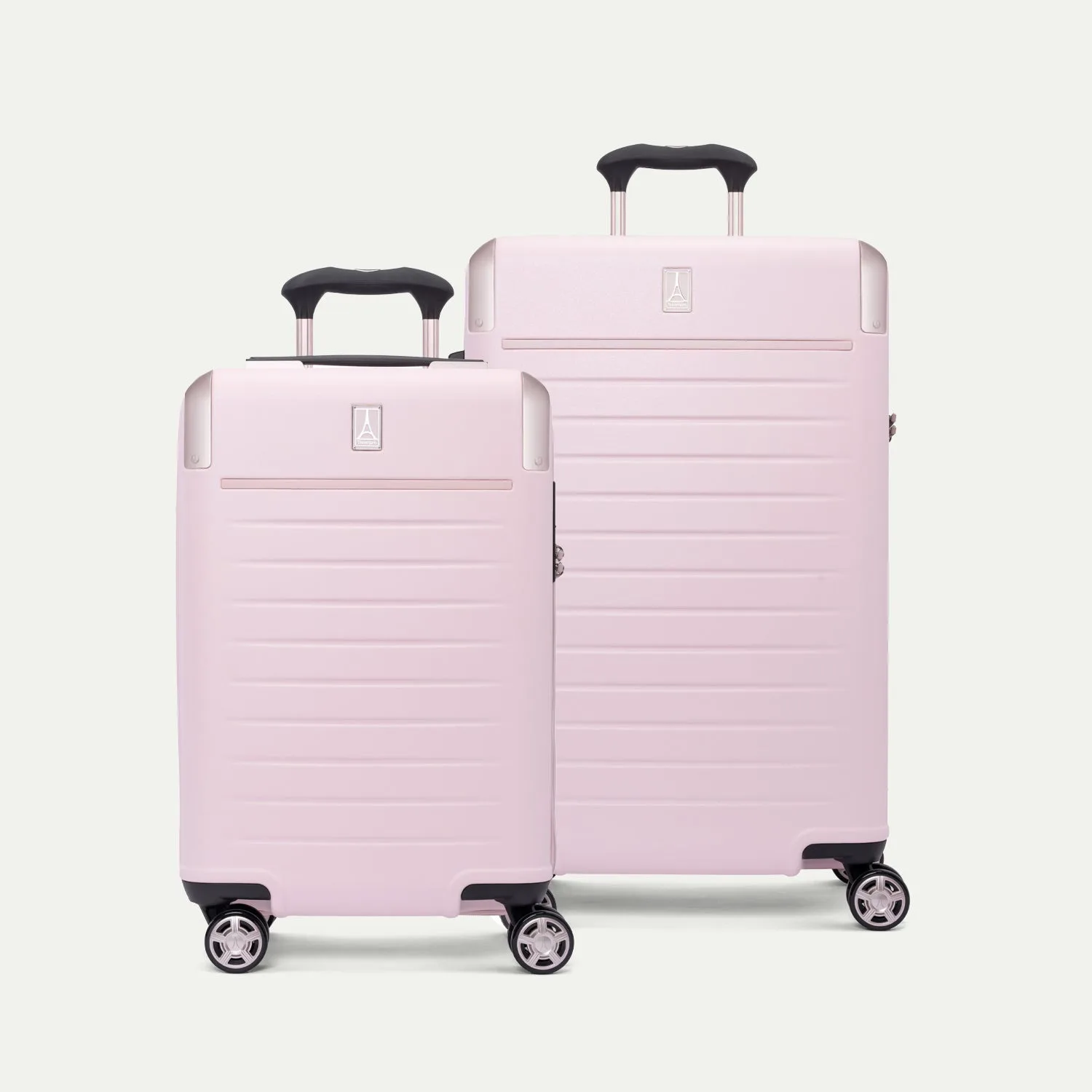
- Travelpro® Platinum® Elite Carry-On Spinner: Features a tip-resistant expansion that offers up to 2 inches more packing capacity, plus integrated USB A and C ports. The extra expansion gives you a flat surface to fold a jacket on and room to close the bag without compressing the suit. The charging ports mean you can leave a battery pack out of the main compartment, keeping the suit area flat.
- https://travelproes.com/products/platinum-elite-carry-on-medium-check-in-hardside-set-av-5cbb053d710d7418db4d82bc-1634837https://travelproes.com/products/platinum-elite-carry-on-medium-check-in-hardside-set-0901a75bd5989b9a28abd7c1-1634845https://travelproes.com/products/platinum-elite-carry-on-medium-check-in-hardside-set-je-52601232cab06bcb771feb2d-1634856Platinum® Elite Carry-On / Medium Check-In Hardside Set: Includes a zippered 2-inch expansion option, a built-in TSA lock, and interior zippered compartments. The hardside shell protects a folded suit from outside pressure, and the expansion lets you add a jacket at the last minute. Interior compartments keep soft padding items from sliding against the suit in transit.
- Platinum® Elite Slim Laptop Backpack 16L: Has exterior side pockets sized for water bottles or an umbrella and a Travelpro® QuickSlip® front pocket for a phone or often-used item. If you carry a backpack as your personal item, these pockets keep hard objects out of the main compartment, so nothing presses against a suit packed in your carry-on.
Wrinkle-free packing comes down to fewer folds, soft padding, and packing the suit last. Follow the six steps in order, use your bag's expansion instead of forcing the zipper, and hang the suit the moment you arrive. Do that and a carry-on becomes a realistic option for business travel.