Quick answer
Start with a clean, dry thermo bag. Add an ice pack or frozen water bottle at the bottom, then layer in pre-chilled foods. Pack perishables like yogurt and sliced fruit last, and seal the bag tightly. This method keeps food cold until lunchtime and prevents sogginess.
Why a Thermo Bag Works Best
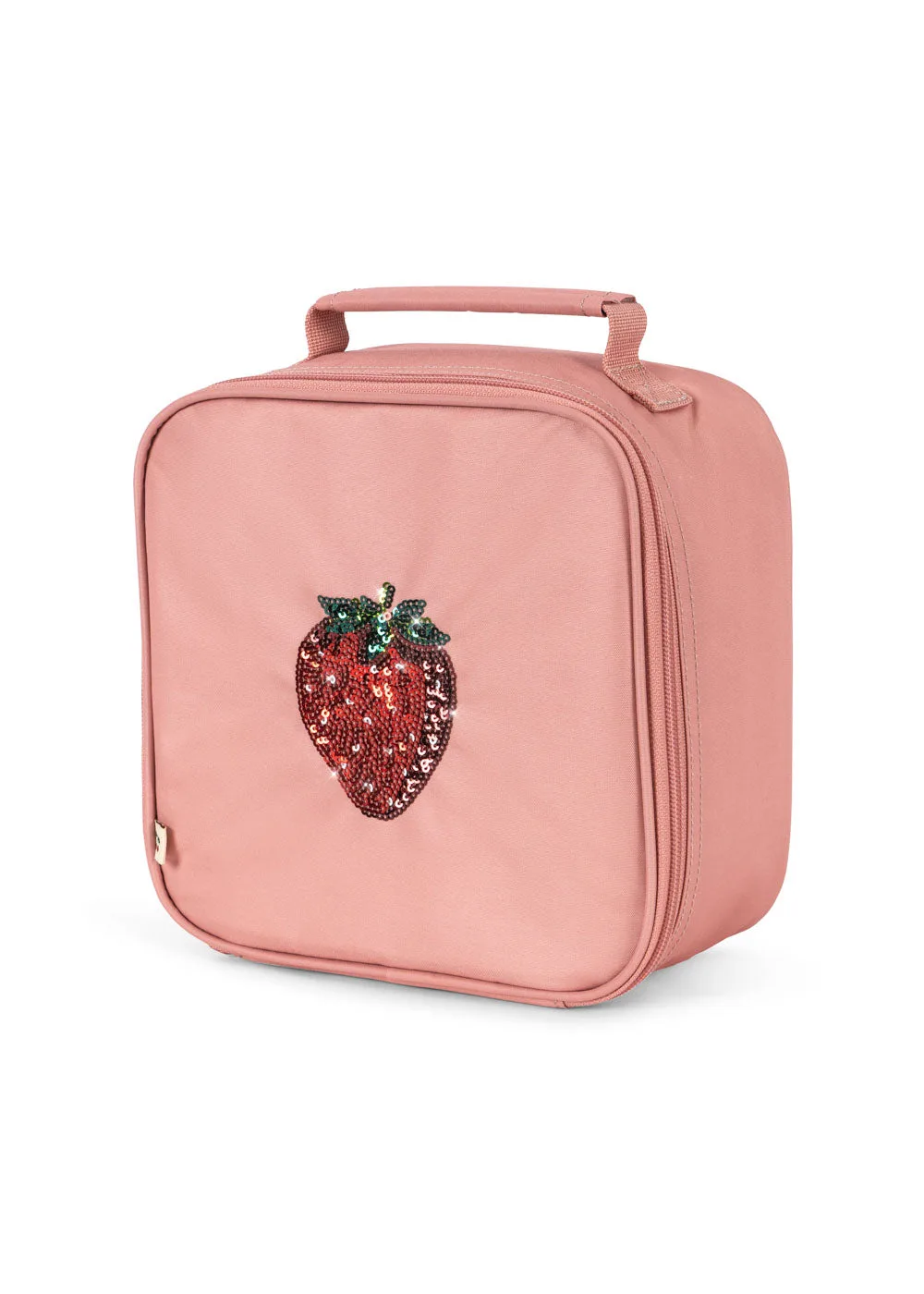
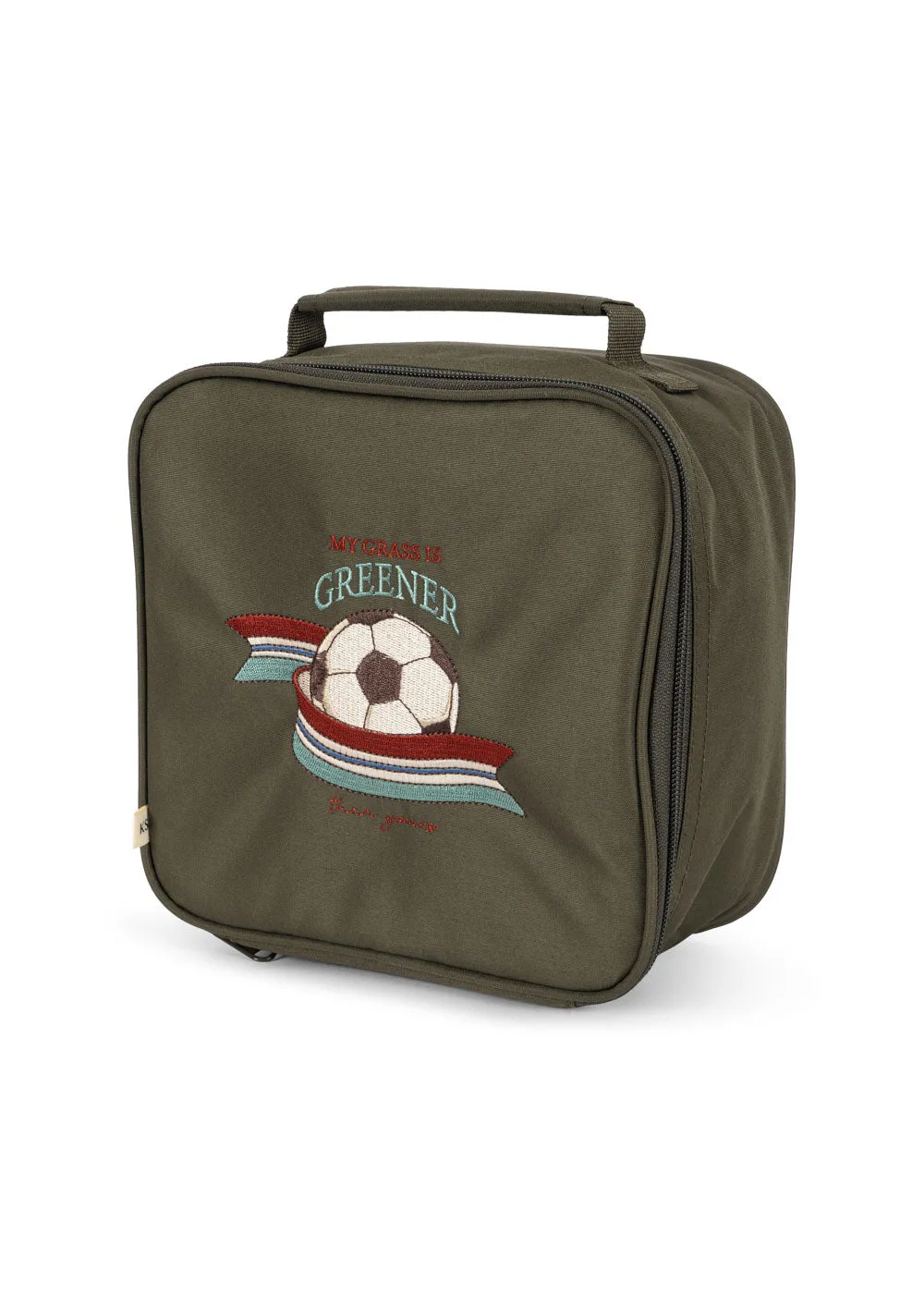
A thermo bag (also called an insulated lunch bag) uses a padded, heat-reflective lining to slow temperature changes. Unlike a regular tote, it helps keep cold items cold and warm items warm for a few hours. For school lunches, this means you can safely pack dairy, deli meats, and fresh produce without worrying about spoilage by midday. The key is pairing the bag with smart packing habits.
Step-by-Step: Packing Your Thermo Bag
- Pre-chill the bag and food: Place the empty thermo bag in the fridge overnight, or add an ice pack 30 minutes before packing. Pre-chill all perishable foods (yogurt, cheese, sliced fruit) in the refrigerator. Cold food stays safe longer when it starts cold. Common mistake: packing room-temperature food into a warm bag. That shortens the safe window by hours.
- Add a cold source at the bottom: Place a reusable ice pack, frozen water bottle, or frozen gel pack flat on the bottom of the bag. This creates a cold foundation that radiates upward. For extra insulation, place a thin cloth or paper towel between the ice pack and the food. Checkpoint: The ice pack should be fully frozen and fit flat without bulging the bag.
- Layer foods by temperature and weight: Put the heaviest and most perishable items (like a sandwich container or yogurt cup) directly on the ice pack. Lighter items like crackers, fruit pouches, and napkins go on top. Keep wet items (washed grapes, cut melon) in a separate sealed container to avoid dripping. Common mistake: stacking a warm thermos of soup directly on the ice pack. The heat can melt the ice pack prematurely. Place warm items in the center, surrounded by cold items.
- Fill empty space and seal tightly: Gaps inside the bag let cold air escape. Fill empty space with a small cloth napkin, a folded paper towel, or an extra snack. Zip or clip the bag completely shut. If the bag has a top flap, secure it. A loose seal lets warm air in. Checkpoint: The bag should feel firm when zipped. If it bulges or gaps, remove one item or use a larger bag.
- Store the bag properly until lunch: Keep the packed thermo bag in a cool, shaded spot (like a locker or cubby) away from direct sunlight or heaters. Do not leave it in a hot car. If possible, place it on a cold surface or near a cool breeze. A bag left in the sun can lose its cooling ability in under an hour. Common mistake: hanging the bag on a sunny hook near a window. Even a good thermo bag can't fight direct heat.
Products That Make Packing Easier
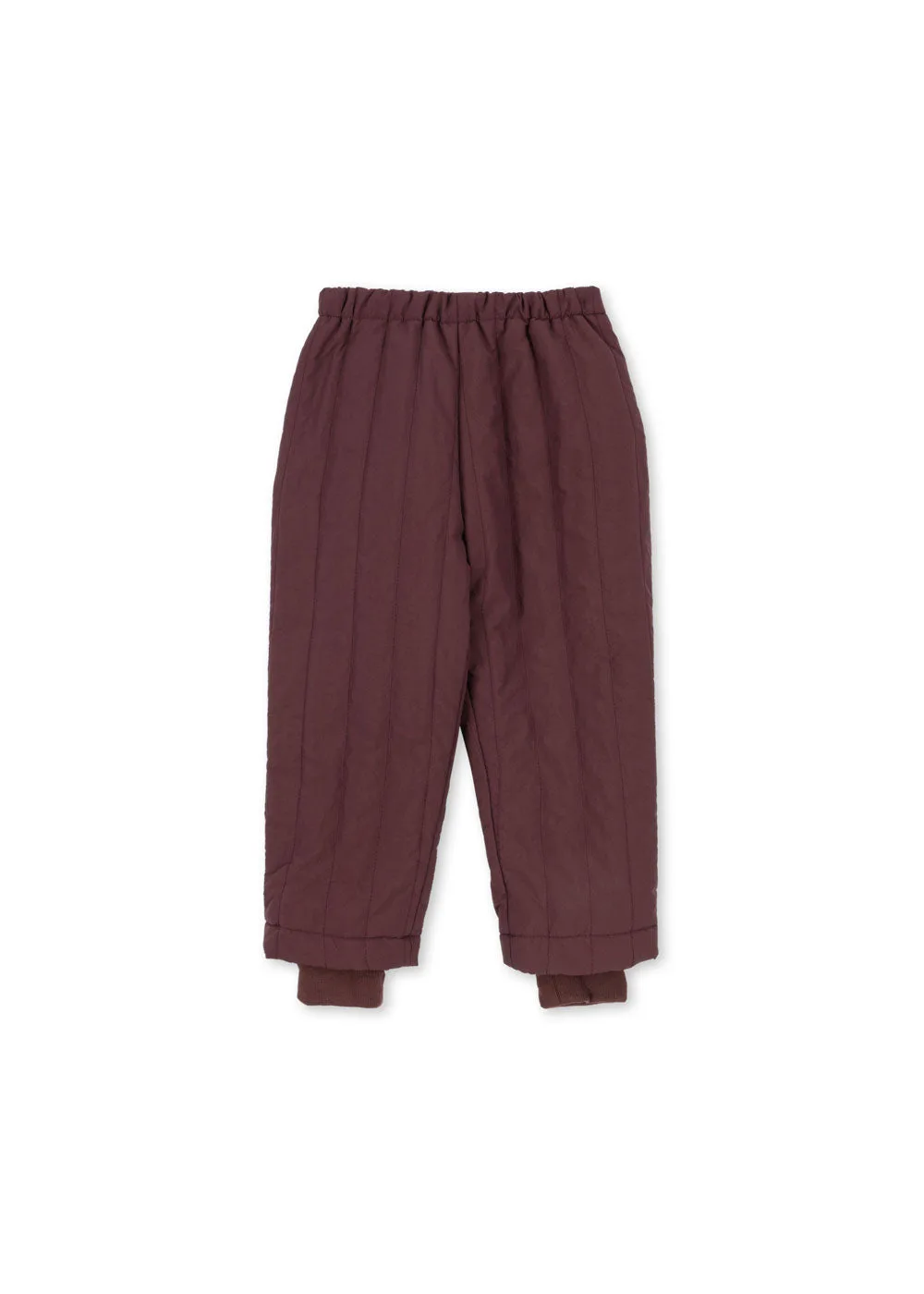
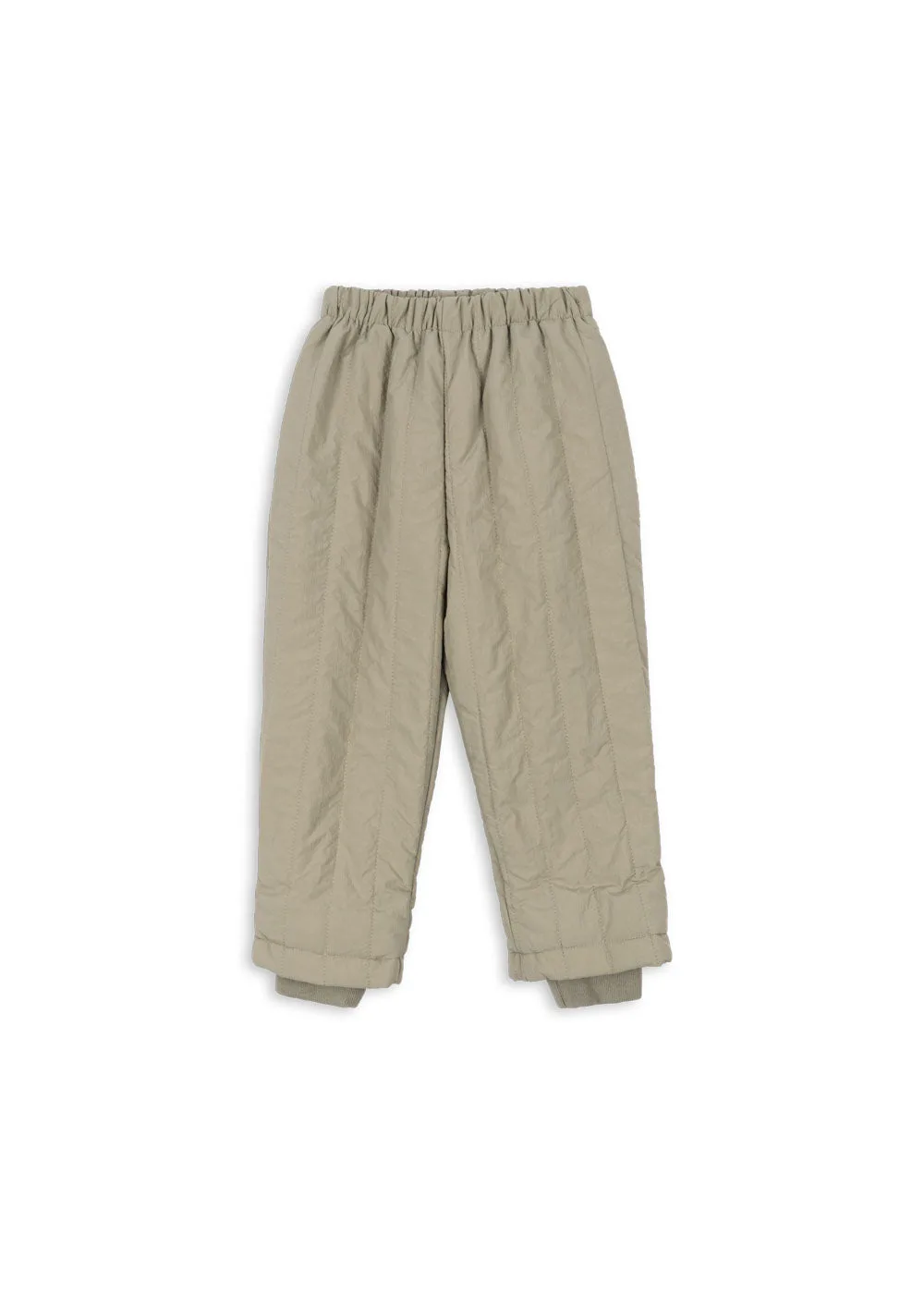
- JUNO JACKET - frappé: Our forever favorite and a true classic in the Konges Sløjd outerwear collection: Juno is a lightweight thermo jacket with warm polyester padding for effective insulation, and a breathable, fluorine-free impregnation that makes it both wind-resistant and water-repellent. While not a lunch bag, the Juno Jacket demonstrates the same thoughtful insulation principles. For actual lunch packing, look for a bag with similar padded construction and a water-repellent exterior to protect against spills and outdoor moisture.