Quick Answer
To pack a travel wallet for international trips, start by gathering your travel documents and essentials, then organize them by frequency of use. Use a dedicated travel wallet with multiple compartments to keep passports, boarding passes, cards, and cash secure and accessible. Always keep your travel wallet on your person or in a secure, easily reachable spot during transit.
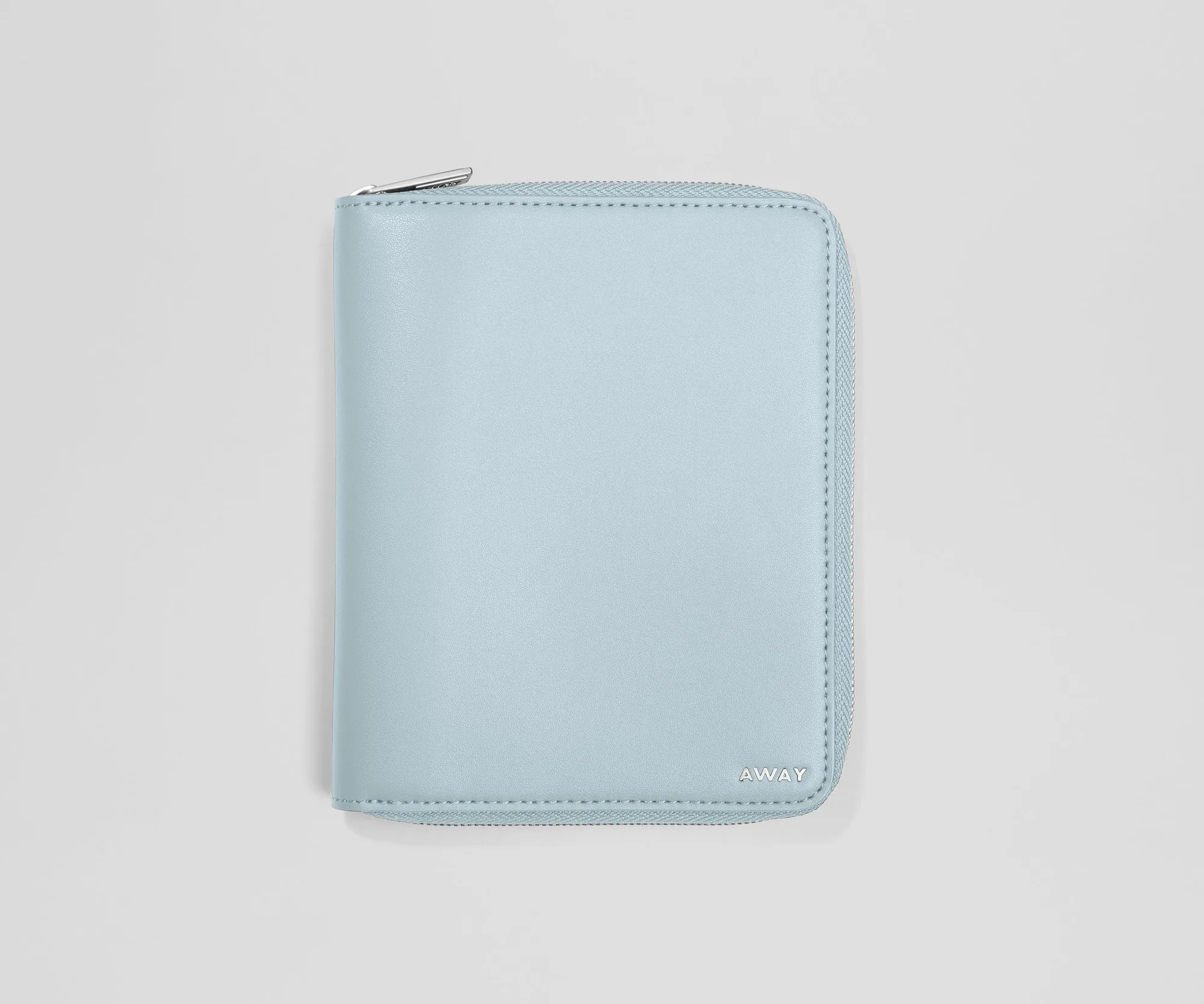
travel wallet
Why a Dedicated Travel Wallet Matters
When you're crossing borders and navigating airports, your everyday wallet often falls short. A dedicated travel wallet keeps all your critical documents in one place, reducing the risk of losing your passport or fumbling for boarding passes. It also helps you stay organized when you need to show documents multiple times during a single journey, such as at check-in, security, and immigration.
A travel wallet with clear organization—like dedicated slots for passports, cards, and cash—makes it easy to grab what you need without digging through a bag. This becomes especially important when you're juggling luggage, kids, or a tight connection. Plus, a secure closure and durable materials protect your valuables from wear and tear.
What to Put in Your Travel Wallet
The key to effective travel wallet packing is knowing what to include and what to leave behind. Start with the non-negotiables: your passport, boarding passes (physical or digital copies), and any necessary visas. Then add credit cards, a debit card, and some local currency for immediate needs. If you're traveling with family, you may need room for multiple passports and boarding passes.
Avoid overloading your travel wallet with every loyalty card, membership card, or extra cash you own. Keep only what you'll use during the trip. For items like coins or small essentials, a zippered pocket is perfect. And remember to carry a backup copy of your passport information, either digitally or on a separate piece of paper, in case your wallet is lost or stolen.
Step-by-Step Packing Guide
- Gather Your Documents: Collect your passport, visas, boarding passes, and any necessary travel insurance documents. Make sure they are valid and check entry requirements for your destination. Checkpoint: Verify that all names and dates match your booking details.
- Sort by Frequency of Use: Place items you'll need most often—like your boarding pass and ID—in easily accessible slots. Put less frequently used items, such as extra cards or cash, in deeper pockets. Checkpoint: You should be able to retrieve your passport without removing other items.
- Organize Cards and Cash: Insert credit cards and IDs into the dedicated card slots. Put paper currency in a flat pocket, and use a zippered compartment for coins and small essentials like SIM card tools or emergency contact cards. Checkpoint: Avoid overstuffing; a bulging wallet is harder to close and more likely to drop items.
- Secure and Store Your Wallet: Close all zippers and snaps, then place the travel wallet in a secure, easily reachable spot—like a front pocket of a backpack or a crossbody bag. Avoid putting it in a checked bag or a back pocket where it can be easily pickpocketed. Checkpoint: Practice accessing your wallet with one hand to simulate a busy airport scenario.
- Backup Your Information: Take a photo of your passport, visas, and cards, and store it in a secure cloud service or email it to yourself. Also, note the customer service numbers for your banks and credit card companies in case your wallet is lost or stolen. Checkpoint: Confirm you can access your backup files offline, in case you have no internet connection.
Travel Wallet Essentials
- Travel Wallet in: The Travel Wallet from Away is crafted with 51% smooth, recycled leather and holds up to four passports, five credit cards or IDs, plus a zippered pocket for coins and small essentials. This travel wallet is designed for international trips, offering dedicated slots for passports and boarding passes, so you can keep your family's documents organized and accessible. The zippered pocket safely stores coins and small items, preventing them from getting lost in your bag.
With your travel wallet packed and organized, you're ready to navigate airports and borders with confidence. Remember to keep your backup information accessible and your wallet secure at all times. Safe travels!