Quick answer
Pack your hospital bag in three layers: a labor layer for you, a baby layer for the first 24 hours, and a going-home layer that includes a Solly Baby wrap and one weather-appropriate outfit. Keep the wrap in your bag, not your car, so it is ready for skin-to-skin and the walk to the car. The most common mistake is overpacking for a birth that rarely follows a script.
Start with the wrap, not the clothes
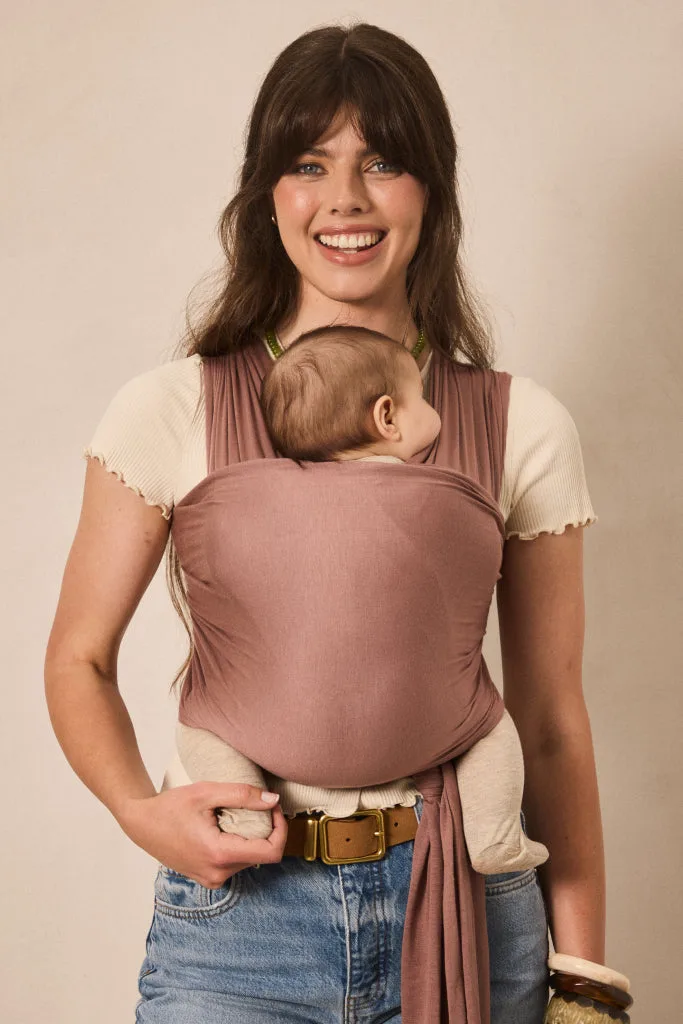
A Solly Baby wrap earns its place in the bag because it does three jobs: skin-to-skin contact, hands-free soothing, and a secure ride home. Pack it in the bag you will carry into the room, not a separate tote. If you are still deciding between prints, the Cottage Rose Wrap and Orion Wrap are both part of The Wrap category and share the same soft, supportive design. The wrap itself is lightweight, so it takes up less space than a bulky baby carrier and can be worn over a nursing tank or hospital gown.
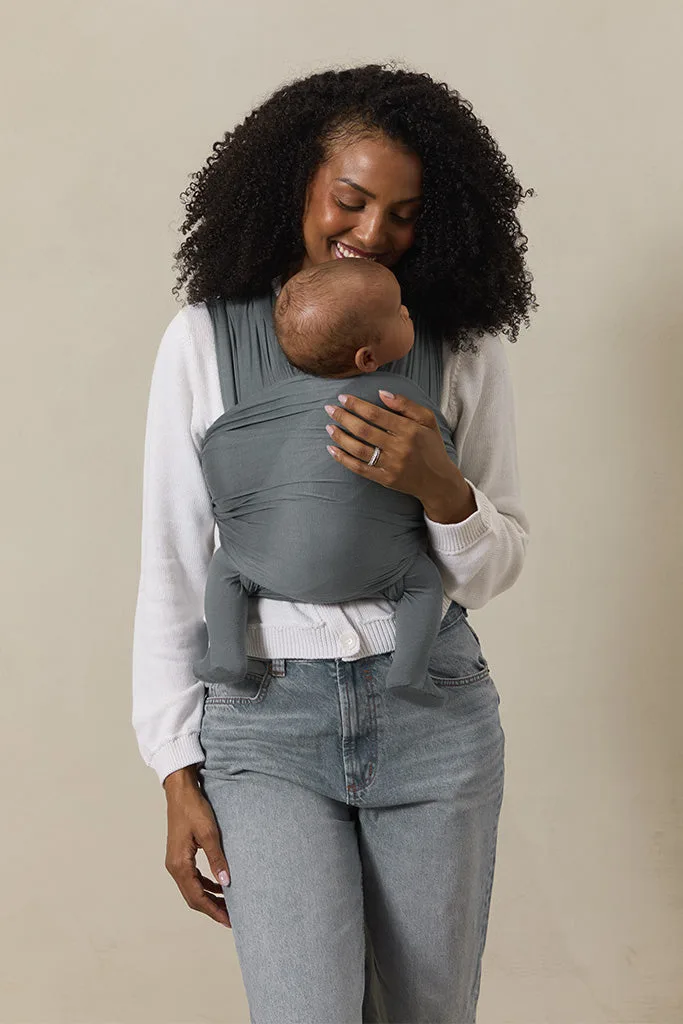
Orion Wrap
Build the baby layer around feeding and sleep
Newborns cycle through eat, sleep, and diaper changes every two to three hours. Pack two to three sleepwear options in newborn size, plus one size up in case your baby is larger than expected. Choose sleepwear that opens flat for easy diaper checks and skin-to-skin access. If you plan to use a nursing cover, pack it with your sleepwear so you are not digging through the bag at 3 a.m. A swaddle or sleep sack is useful, but check whether your hospital provides one before you add another layer.
Pack for the ride home, not the whole first month
The going-home outfit should match the weather and fit a car seat. A wrap or carrier counts as a layer, so choose a thin sleeper underneath rather than a thick snowsuit. If you are using a Solly Baby wrap, practice the front carry once before you leave for the hospital so you are not learning it in a parking lot. Keep a spare outfit and a plastic bag for soiled clothes in the same pocket as the wrap.
What to leave out
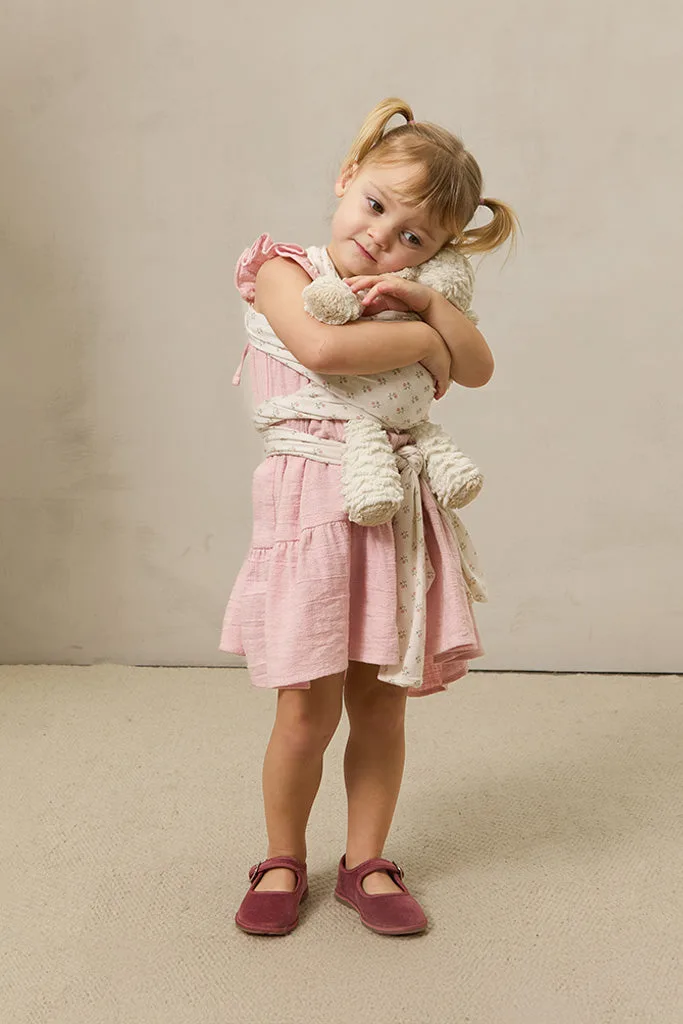
Skip the breast pump unless your provider tells you to bring it, and leave the diaper bag stash at home. Most hospitals supply diapers, wipes, and postpartum pads for the first day. Pack one small bag for your support person with snacks, a charger, and a change of clothes. If you are bringing a Solly Dolly for an older sibling, pack it in the sibling's bag rather than the newborn bag so it does not get lost in the shuffle.
Hospital bag packing steps
- Pack the wrap first: Place your Solly Baby wrap in the bag you will carry into labor and delivery. Fold it loosely so you can pull it out one-handed. Checkpoint: can you reach the wrap without unpacking the whole bag?
- Roll sleepwear, do not fold it: Roll two newborn sleepers and one size-up sleeper into a packing cube. Add a nursing cover to the same cube if you plan to use one. Checkpoint: every sleepwear piece opens flat for diaper changes.
- Set aside the going-home outfit: Choose one weather-appropriate outfit that fits under a car seat harness. Put it in a labeled bag with a spare and a soiled-clothes bag. Checkpoint: the outfit is thin enough to layer under a wrap.
- Pack your support person's bag separately: Include snacks, a long charger, and one change of clothes. Keep it small enough to fit under the hospital chair. Checkpoint: your support person can carry their own bag plus the car seat.
- Do a final walk-through at 36 weeks: Lay everything out, then remove three items you have not used in a week. Add the Solly Dolly to the sibling's bag if you have one. Checkpoint: the bag closes without force and weighs less than 15 pounds.
Products that earn their place in the bag
- Cottage Rose Wrap: Cottage Rose Wrap is part of The Wrap category and is described as a soft, supportive wrap trusted by over 1 million families. A wrap you can wear for skin-to-skin and the ride home replaces a bulky carrier in a small hospital bag.
- Blush Floret Solly Dolly: Blush Floret Solly Dolly is made from 100% TENCEL Modal and is designed to carry a stuffed animal or doll from 0-1,000 months. A matching dolly gives an older sibling something to hold during hospital visits and helps them feel included.