Quick answer
To pack jewelry for travel without tangles, give every chain its own anchored space: use a jewelry travel case or a small pouch with individual compartments, fasten each clasp before storing, and keep necklaces separate from bracelets and earrings. If you are short on organizers, a clippable card pouch or a dedicated makeup and jewelry bag can keep small pieces contained. The goal is simple: stop metal from touching metal and stop chains from moving freely.
You open your bag after a long flight and find a knot of necklaces that takes twenty minutes to untangle. It happens because jewelry is small, slippery, and free to move. Chains loop around each other, clasps catch on earring backs, and rings disappear into lining seams.
The fix is not complicated, but it does require a little structure. The right travel jewelry organizer and a few packing habits will keep your pieces separate and accessible, whether you are gone for a weekend or two weeks.
Why jewelry tangles in transit
Jewelry tangles because chains and thin bracelets have nothing holding them in place. Every time your bag shifts, the pieces slide, loop, and catch. A single unclasped necklace can wrap around earrings, rings, and other chains until the whole bundle is one knot. The problem gets worse when jewelry shares a pocket with keys, cables, or loose coins.
The most common mistake is tossing everything into one pouch or a zip pocket. Even a soft pouch lets chains move freely inside. To prevent tangled jewelry, you need either separate compartments or a way to anchor each piece so it cannot roam.
- Fasten every clasp before packing so chains cannot slip through each other.
- Keep necklaces away from bracelets, which have similar shapes and tangle easily.
- Never pack jewelry loose in a bag pocket with keys, chargers, or coins.
How to pack necklaces for travel
Necklaces are the hardest pieces to keep untangled, so give them the most attention. The simplest method is to thread each chain through a straw or a piece of drinking straw cut to length, then fasten the clasp. The straw keeps the chain straight and prevents it from looping around anything else. If you do not have a straw, lay the necklace flat and fasten the clasp, then slide it into its own small pouch or compartment.
For multiple necklaces, use a travel jewelry organizer with individual slots or a roll-up case with snaps. Do not stack two chains in the same slot. If you are using a jewelry travel case with a zippered section, place each necklace in its own small pouch first, then put the pouches in the case. This two-layer approach is the most reliable way to pack necklaces for travel without knots.
- Thread chains through a straw or fasten the clasp and lay flat in a separate pouch.
- Use one slot or pouch per necklace; never double up.
- If a chain is delicate, wrap it in tissue before placing it in the pouch.
What to do with rings, earrings, and bracelets
Rings and earrings are small enough to disappear into bag lining, so containment matters as much as separation. A pill organizer, a small hard case, or a dedicated jewelry travel case with ring rolls will keep them visible and secure. Studs and hoops should be paired together in their own compartment so you do not lose one half of a set.
Bracelets tangle with each other and with necklaces. If you are bringing more than one, use a roll-up case or stack them around a cardboard tube and secure the ends. For everyday pieces you want to reach quickly, a clippable card pouch can hold a few cards and a thin bracelet, but it is not a substitute for a proper jewelry case when you are carrying multiple chains.
- Keep earring pairs together in one compartment so you do not lose a single.
- Stack bracelets around a tube or roll them separately.
- Use a hard case for rings if you are packing valuable stones.
Organizers that actually help
A travel jewelry organizer does not need to be expensive, but it does need compartments. Look for a case with individual slots, a zippered section, and a soft lining that will not scratch metal. Roll-up cases are compact and good for necklaces and bracelets, while flat cases with ring rolls work better for rings and earrings. If you already carry a makeup and jewelry bag, check whether it has a separate jewelry section; many do not, and mixing jewelry with makeup brushes or compacts adds another tangle risk.
If you are packing for a family trip or need to keep small items contained in a larger bag, a packing cube with multiple compartments can work as a jewelry hub. The Miffy Everything Cube, for example, has multiple compartments for organized storage, which makes it easy to separate jewelry from other small items. Just be sure to put each chain in its own pouch inside the cube so they do not slide together.
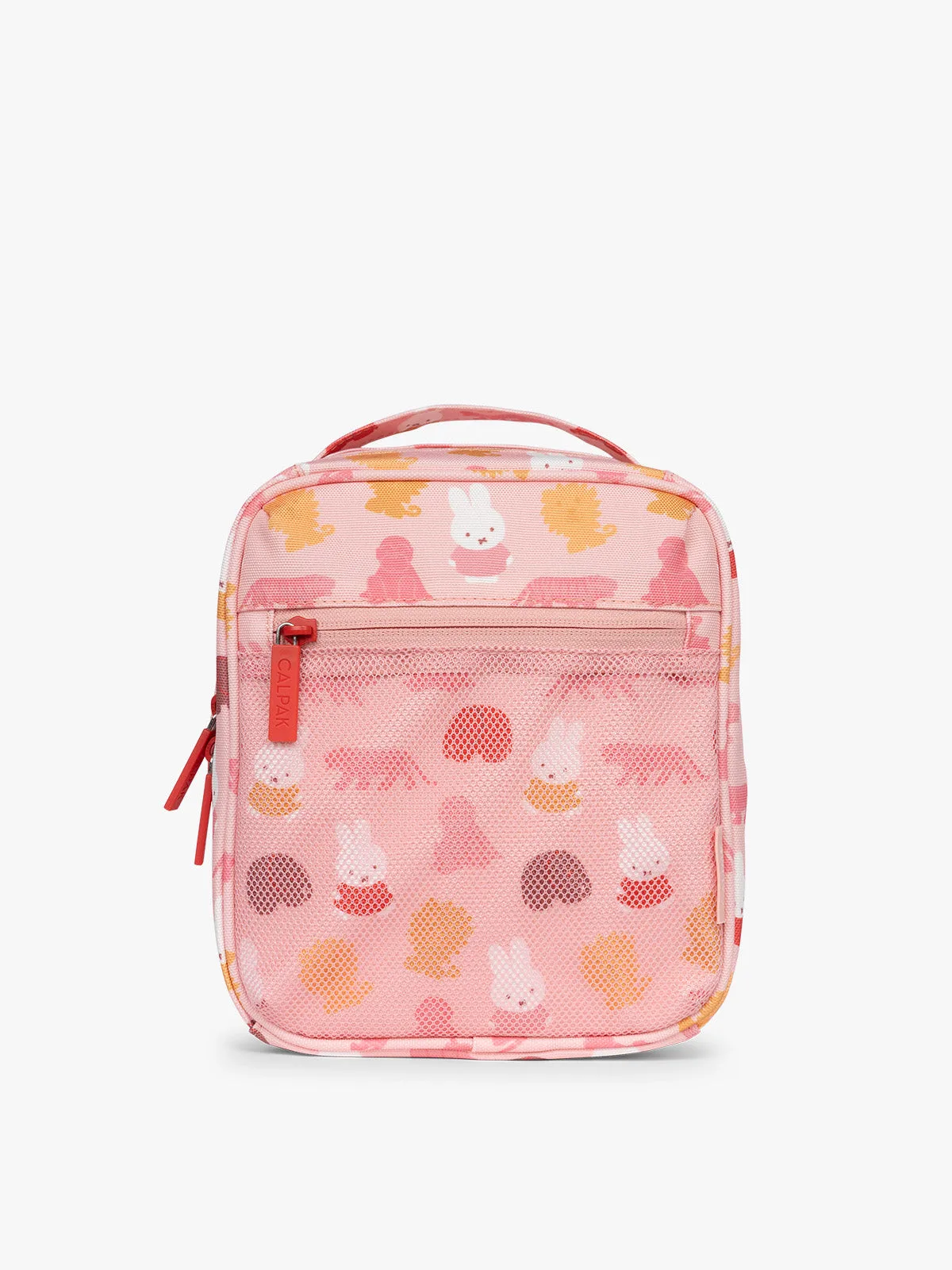
Miffy Everything Cube
- Choose a case with individual slots or pouches, not one open compartment.
- Roll-up cases are best for necklaces and bracelets; flat cases for rings and earrings.
- If using a packing cube, add small pouches inside for each chain.
A simple packing routine that prevents tangles
Start by laying out only the jewelry you will actually wear. Fewer pieces mean fewer chances to tangle. Fasten every clasp, then place each piece in its own compartment or pouch. Put the most delicate chains in the most protected spot, usually the center of the case or a hard-sided section. Close the case and give it a gentle shake; if you hear sliding, add tissue or a small pouch to reduce movement.
When you arrive, unpack jewelry first and put it in a designated spot, like a hotel drawer or a small tray. Do not leave it in the case for the whole trip unless you are moving between hotels. At the end of the trip, repack using the same routine so you do not undo your work.
- Pack only what you will wear; leave the rest at home.
- Fasten clasps and use one compartment per piece.
- Shake the case gently before closing your bag to check for movement.
Jewelry tangle diagnosis
- Symptom: one big knot of chains: Necklaces were packed loose or with clasps unfastened, allowing them to loop around each other. Fasten every clasp and give each chain its own pouch or slot. If you have more than three chains, use a travel jewelry organizer with individual compartments.
- Symptom: earrings missing their match: Studs and hoops were stored loose or mixed with other jewelry, so one piece slipped out. Keep each pair in its own small compartment or pill box. If you are already using a jewelry travel case, check that it has enough separate slots.
- Symptom: rings scratched or bent: Rings were packed in a soft pouch with harder pieces like bracelets or keys. Use a hard-sided case or ring roll for rings. If you do not have one, wrap each ring in a soft cloth and place it in its own compartment.
- When to stop or choose another option: If you are carrying high-value or heirloom jewelry, a basic organizer may not provide enough protection. Consider a dedicated hard jewelry case or leave the pieces at home. For everyday fashion jewelry, a simple compartment case or clippable pouch is enough.
Products that help with jewelry packing
- Miffy Everything Cube: Spacious yet easy to carry, it features multiple compartments for organized storage, making it simple to separate and find what you need. Multiple compartments let you isolate jewelry from other small items, and you can add pouches inside for each chain to prevent tangles.
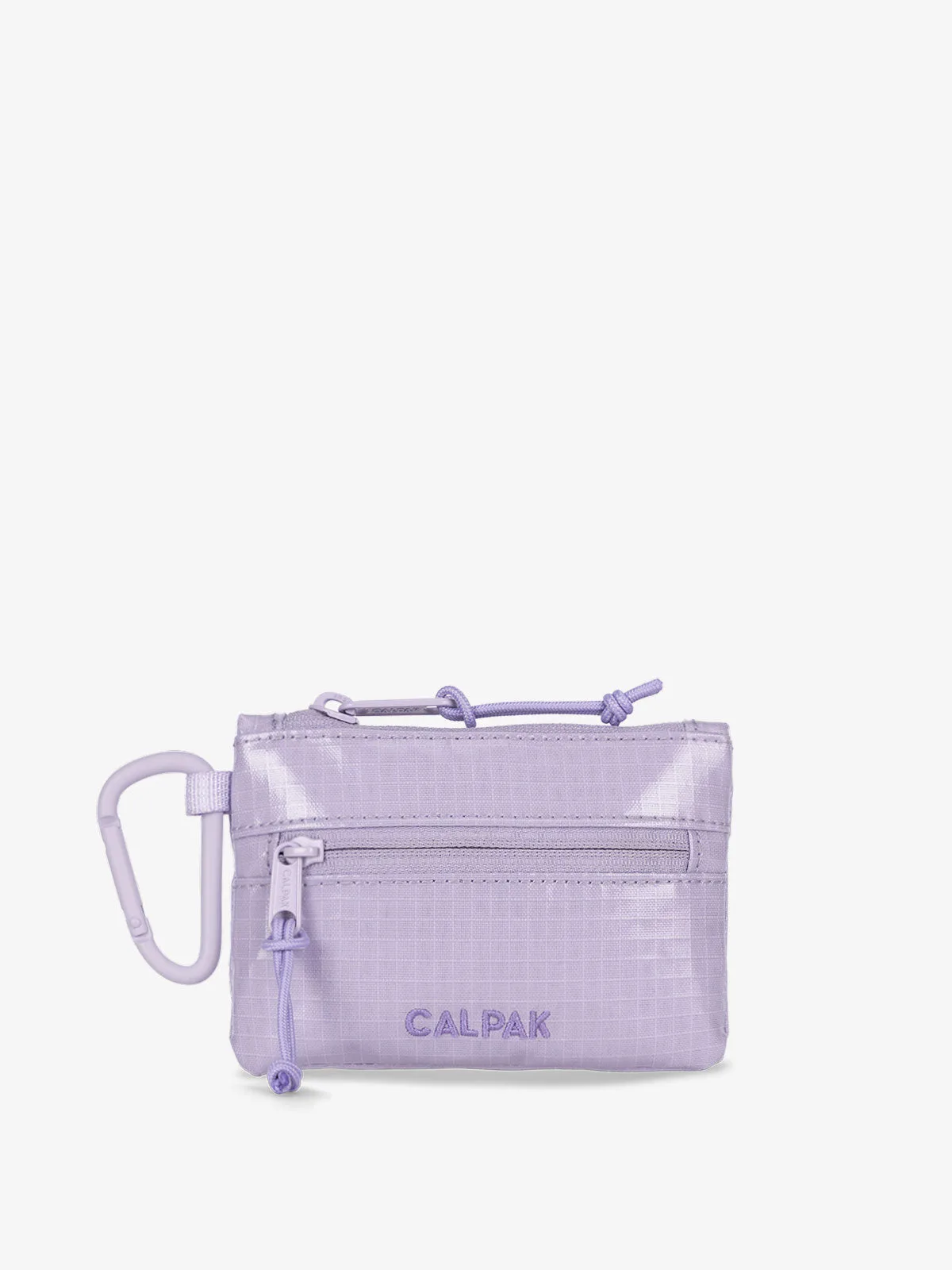
- Terra Clippable Card Pouch: This card pouch keeps your cards, cash, and I.D. within easy reach by attaching to your keys, belt loop, or favorite bag. It has dual zippered pockets and a coordinating carabiner. A clippable pouch is useful for a few everyday pieces like a thin bracelet or a single ring, but it is not a full jewelry organizer for multiple chains.
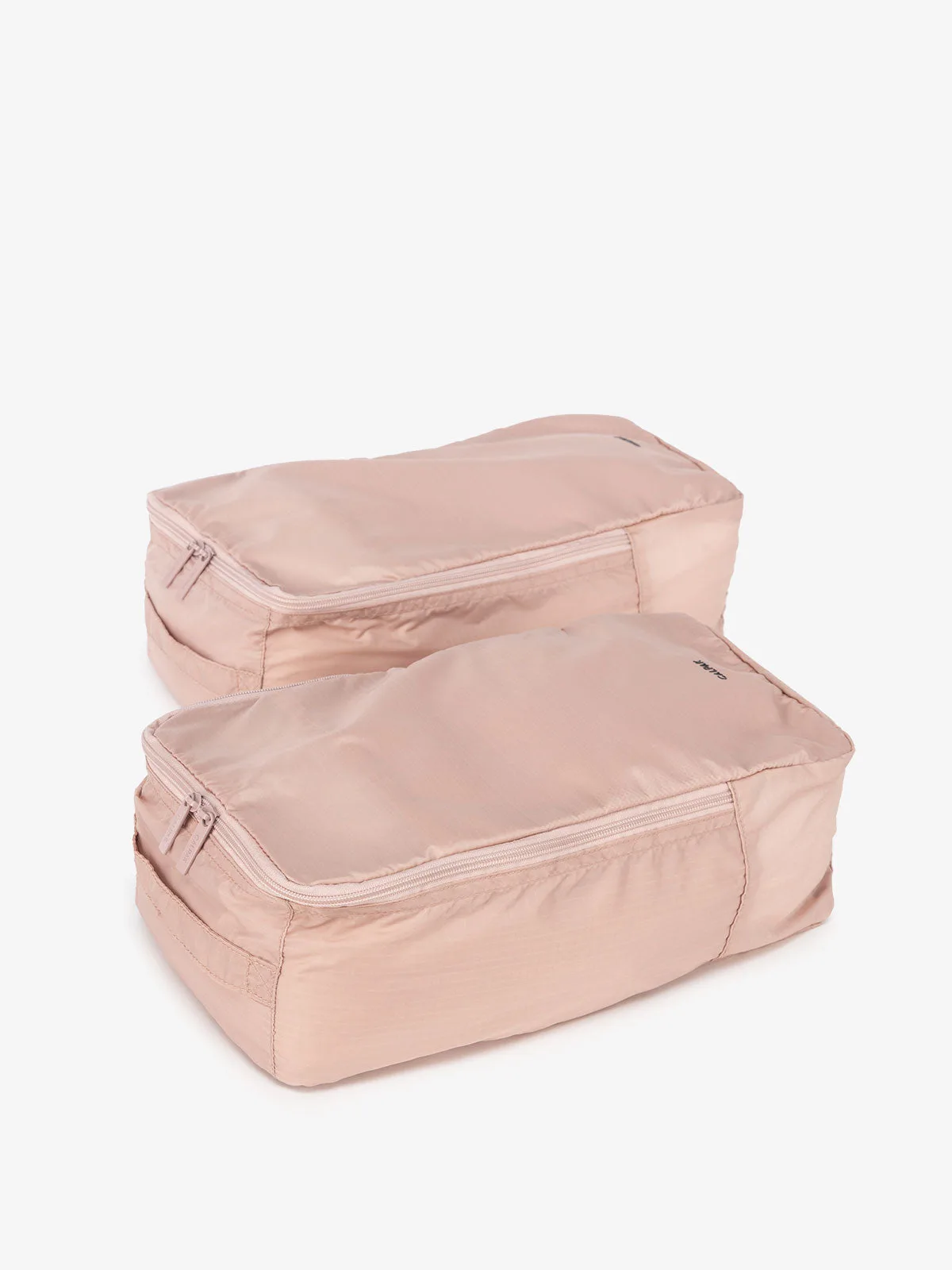
- Shoe Cubes - Set of 2: Water-resistant ripstop nylon, an interior mesh pocket, and a convenient carrying handle help keep every trip organized from departure to arrival. While designed for shoes, the separate compartments and water-resistant material can protect jewelry pouches from spills or compression in a larger bag.
Packing jewelry without tangles comes down to separation and containment. Fasten clasps, give every chain its own space, and use a case or pouch that keeps pieces from sliding together. A little structure before you zip up saves you a lot of untangling later.