Quick Answer
Start with a gear list, then pack heavy items at the wheel end, use packing cubes for organization, and keep fragile gear in the center. Distribute weight evenly and leave room for dirty gear on the return trip.
Packing a rolling duffel for a tactical training trip is more than just throwing gear in a bag. You need quick access to essential items, protection for fragile equipment, and efficient use of space. A well-packed duffel can make the difference between a smooth trip and a frustrating one.
This guide walks you through a step-by-step process to pack your rolling duffel like a pro, ensuring your gear stays organized, protected, and easy to manage.
Start with a Gear List
Before you begin packing, list everything you need for your training trip. Categorize items: clothing, footwear, protective gear, electronics, and documentation. This prevents overpacking and ensures you don't leave behind critical items.
Consider the length of your trip and the training schedule. Will you need multiple outfits per day? Are there specific items like knee pads or specialized socks that are essential for your activities? Make a checklist and stick to it.
- Use a checklist app or a simple notepad to track your gear.
- Group items by category to simplify packing and unpacking.
Choose the Right Rolling Duffel
Your duffel should be durable, have smooth-rolling wheels, and offer enough capacity for your gear. For a tactical training trip, a bag with a rugged exterior and multiple compartments is ideal. Consider the volume: a 100L duffel provides ample space for extended trips, while a smaller one might suffice for weekend training.
Look for features like reinforced handles, compression straps, and weather resistance. A bag with a separate compartment for dirty or wet gear is a bonus. The Vertx Ruck Roll is a versatile rolling duffel that converts to a backpack, offering flexibility for varied terrain.
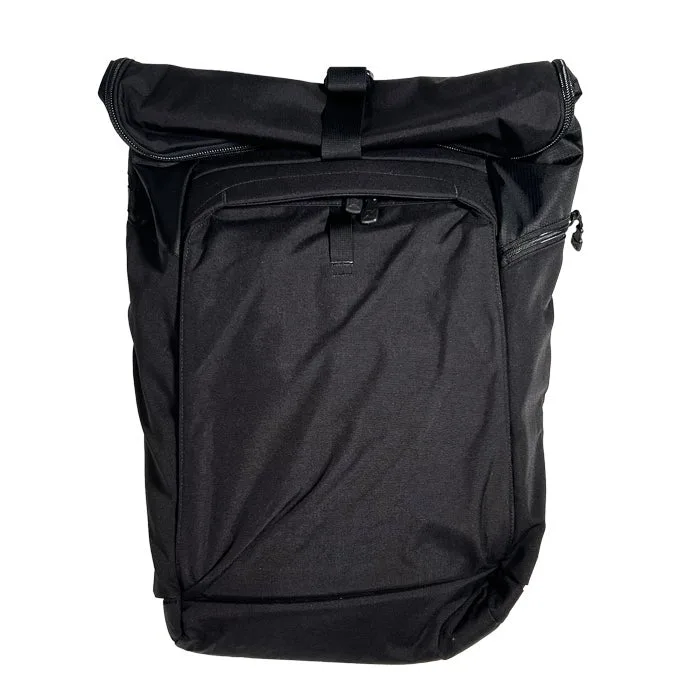
Ruck Roll
- Ensure the duffel fits airline carry-on restrictions if you're flying.
- Test the wheels and handle before your trip.
Pack Heavy Items at the Wheel End
Place heavy items like boots, ammunition (if legal and allowed), and tools at the end of the duffel near the wheels. This lowers the center of gravity, making the bag easier to roll and preventing it from tipping over.
Distribute weight evenly across the bottom to avoid strain on the wheels and handle. Avoid packing all heavy items on one side, which can cause the bag to veer when rolling.
- Use the wheel end for dense items; keep the top lighter for balance.
- If your duffel has compression straps, use them to secure heavy loads.
Use Packing Cubes and Organizers
Packing cubes, pouches, and organizers are game-changers for duffel packing. They keep clothing compressed, separate dirty gear, and make finding items easy without unpacking everything.
Use different colored cubes for different categories: one for shirts, one for pants, another for undergarments. For small items like chargers, cables, and toiletries, use dedicated pouches to prevent tangling and leaks.
- Roll clothes instead of folding to save space and reduce wrinkles.
- Use vacuum-seal bags for bulky items like jackets.
Protect Fragile Gear in the Center
Place fragile items like electronics, optics, or cameras in the center of the duffel, surrounded by soft clothing. This cushions them from impacts during transit.
Use hard cases or padded sleeves for extra protection. If you're carrying a firearm, ensure it's in a locked, hard-sided case and follows all transportation regulations.
- Wrap electronics in a soft cloth or bubble wrap.
- Keep your firearm case accessible and compliant with laws.
Maximize Space with Strategic Packing
Fill gaps with smaller items like socks, belts, or gloves. Use the inside of shoes to store socks or small accessories. This not only saves space but also helps shoes maintain their shape.
If your duffel has external pockets, use them for items you need quick access to, like documents, snacks, or a first-aid kit. But avoid overloading pockets, as this can make the bag unbalanced.
- Stuff socks inside shoes to save space.
- Keep frequently used items in external pockets for easy access.
Pack for the Return Trip
Leave some empty space in your duffel for dirty gear or souvenirs. Pack a separate laundry bag to isolate dirty clothes from clean ones. This keeps your gear organized and prevents odors from spreading.
Consider packing a collapsible duffel or a stuff sack for items you might acquire during the trip. This avoids overstuffing your main bag and damaging the zippers.
- Use a waterproof laundry bag for wet or dirty items.
- Leave at least 10% of your duffel's capacity empty for the return trip.
Step-by-Step Packing Process
- List your gear: Write down everything you need, categorized by type. This prevents overpacking and ensures you don't forget essentials. Checkpoint: Review your list the night before to add any last-minute items.
- Select the right duffel: Choose a rolling duffel that fits your trip length and has durable wheels. The Ruck Roll is a great option for its versatility. Checkpoint: Verify the duffel's capacity is sufficient for your gear.
- Place heavy items at the wheel end: Load boots, tools, and other heavy gear near the wheels to balance the bag and make it easier to roll. Checkpoint: Lift the bag to feel the weight distribution; adjust if it tips.
- Organize with packing cubes: Use packing cubes to separate clothing and small items. This keeps everything tidy and accessible. Checkpoint: Label cubes to quickly find items without unpacking.
- Protect fragile gear in the center: Wrap electronics and optics in soft clothing and place them in the middle of the duffel for cushioning. Checkpoint: Ensure fragile items are not near the bottom or sides.
- Fill gaps and use external pockets: Stuff small items into gaps and use external pockets for quick-access essentials. Checkpoint: Make sure the duffel closes without straining zippers.
- Prepare for the return trip: Leave space for dirty gear and pack a laundry bag to keep them separate. Checkpoint: Plan for any new items you might bring back.
Gear to Consider
- Ruck Roll: The Ruck Roll is a rolling duffel that converts to a backpack, offering versatility for tactical training trips. If you need to navigate stairs or uneven terrain, the backpack conversion is a practical feature that saves your shoulders and back.
- FlexDefense Tactical Knee Pads: FlexDefense Tactical Knee Pads provide protection for your knees during training exercises. Knee pads are essential for tactical training, and packing them properly ensures they stay in place and are ready for use.
Packing a rolling duffel for a tactical training trip doesn't have to be chaotic. By following these steps, you'll keep your gear organized, protected, and easy to manage. A little planning goes a long way in ensuring your focus stays on training, not on digging through your bag.