Quick Answer
To paint miniatures as a beginner, start with a few essential supplies, prepare your miniature properly, and follow a simple step-by-step process: prime, base coat, wash, highlight, and seal. This guide walks you through each step, highlighting common mistakes and how to avoid them.
Painting miniatures can seem intimidating, but with the right approach, it's an enjoyable hobby that brings your games to life. Whether you're painting a single hero for a tabletop RPG or building a whole army, the basics are the same. This beginner's guide focuses on practical steps and simple techniques to get you started without overwhelming you with advanced theory.
Before you begin, gather a few essential supplies: miniature paints, a couple of brushes (a fine detail brush and a larger base brush), a primer, a palette, and water for cleaning. You don't need to buy an expensive set right away; start with a few colors you'll use most. Also, consider a hobby knife and some files for cleaning mold lines. With these basics, you're ready to paint your first miniature.
Choosing Your First Miniature
Your first miniature should be simple, with clear details and not too many small parts. Avoid highly detailed or fragile models until you've practiced. A single plastic or resin figure from a board game or RPG is ideal. For example, the Pathfinder Battles: The Mwangi Expanse - Mamlambo is a Huge pre-painted figure that stands over 3 inches tall; while it's prepainted, it can serve as a display piece and inspiration. For practice, consider unpainted minis from board games like Sentinels of the Multiverse, which often include plastic heroes.
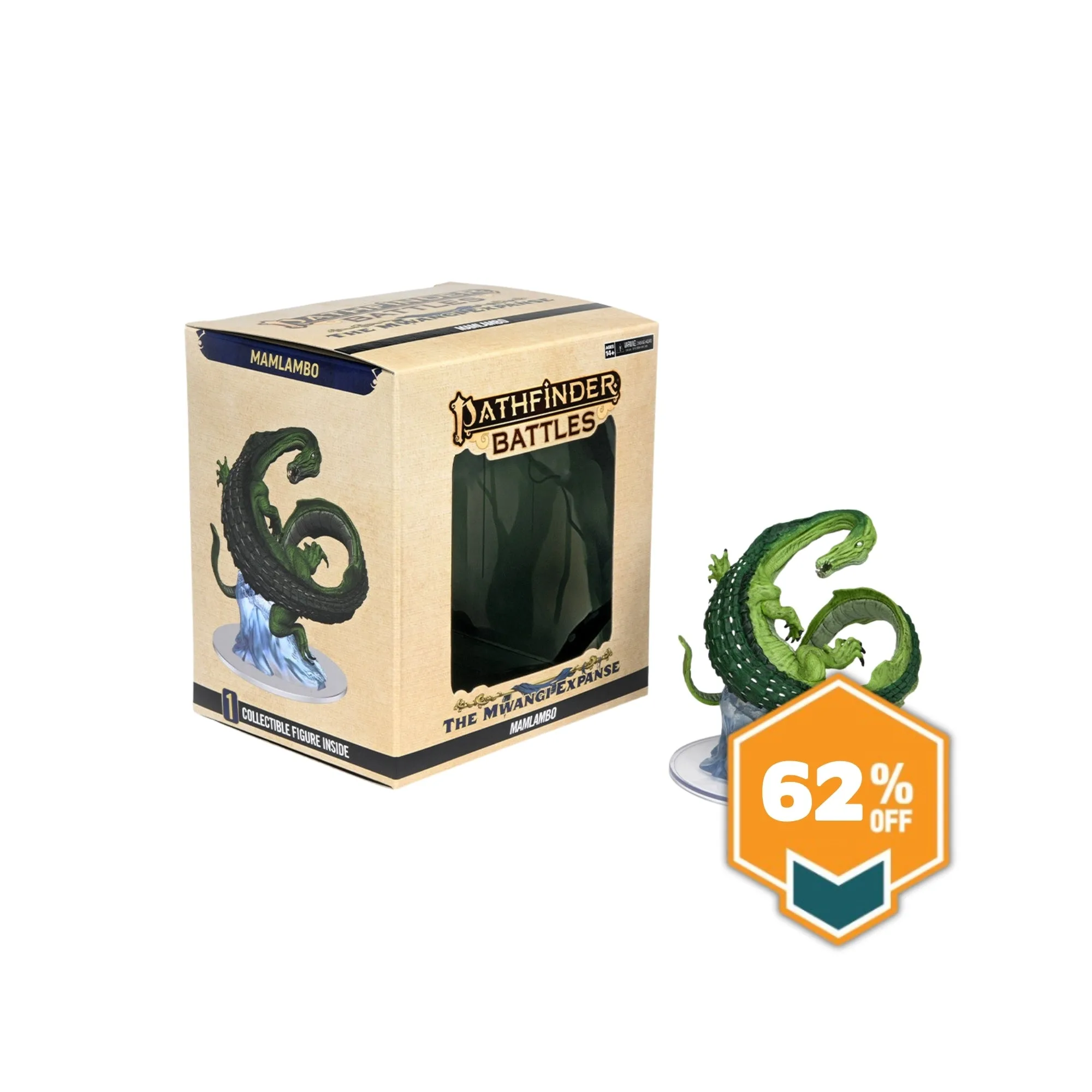
Pathfinder Battles: The Mwangi Expanse - Mamlambo
If you're new to the hobby, start with a cheap or spare miniature. You can also buy a 'practice pack' of simple figures. The goal is to learn brush control and paint consistency without worrying about ruining an expensive model. Remember, every painter makes mistakes; the key is to keep practicing.
Essential Supplies for Beginners
You don't need a huge investment to start. Here's a checklist: a can of spray primer (gray or black works well), a set of acrylic paints designed for miniatures (these have finer pigments), a few synthetic brushes in sizes 0 and 2, a palette (a wet palette is helpful), a cup of water, and a hobby knife. Optionally, get a brush cleaner and a matte varnish to protect your work.
Miniature paints come in dropper bottles or pots; both are fine. Start with a basic color set that includes primary colors, metallics, and a wash. Washes are thin paints that flow into recesses and create shading automatically—they're a beginner's best friend. You can also use a 'dry palette' (like a ceramic plate) if you're not ready for a wet palette.
Preparing Your Miniature
Before painting, clean your miniature. Remove it from the sprue carefully with clippers, then use a hobby knife to scrape away mold lines. Wash the miniature in warm soapy water to remove any release agent, then rinse and let it dry completely. This step ensures paint adheres properly.
Next, prime the miniature. Priming gives the paint a surface to grip. Spray primer in a well-ventilated area, holding the can about 20cm away, and use short bursts. Apply a thin, even coat. Let it dry for at least an hour. A common mistake is applying too much primer, which obscures details. If that happens, you can strip the primer and start over.
Basic Painting Techniques
Start with base coating: apply a solid, even layer of your main color to large areas. Thin your paint with a little water to a milky consistency—this helps it flow smoothly without hiding details. Build up the color in two thin coats rather than one thick one. This is a core miniature painting technique.
After base coating, use a wash to add depth. Apply the wash generously to recesses, letting it pool in the shadows. This instantly adds contrast. Then, go back with your base color to clean up any areas where the wash spread too much. Finally, highlight raised areas with a lighter shade of your base color, using the side of the brush to catch edges. Practice on spare parts to get comfortable.
Sealing and Finishing
Once you're satisfied with your paint job, protect it with a clear varnish. Spray or brush-on matte varnish will seal the paint and prevent chipping during gameplay. Apply a thin, even coat and let it dry. If you used gloss varnish, you can apply a matte finish over it to reduce shine.
After varnishing, you can base your miniature—glue it to a base and add texture like sand or static grass. This completes the model and makes it look professional. Take your time; the final touches make a big difference.
Step-by-Step Painting Process
- Prime your miniature: After cleaning, apply a thin coat of spray primer. Use short bursts from about 20cm away to avoid thick layers. Checkpoint: The surface should look evenly coated with details still visible. If not, you've used too much primer.
- Apply base coats: Thin your paints with water and apply two thin coats for each main color. Let each coat dry before the next. Checkpoint: Colors should be opaque but not thick. If you see brush strokes, thin your paint more.
- Use a wash for shading: Apply a wash to the entire miniature or just recesses. Let it flow into the shadows, then clean up any excess with a damp brush. Checkpoint: The wash should create depth without staining large flat areas. If it's too dark, wipe it away quickly.
- Highlight raised details: Mix your base color with a lighter shade and paint the edges and raised areas. Use the side of the brush for crisp lines. Checkpoint: Highlights should contrast with the base but not be too stark. Practice on a spare piece if unsure.
- Seal with varnish: Once dry, apply a matte varnish to protect the paint. Use a brush-on varnish for more control or spray in a well-ventilated area. Checkpoint: The varnish should dry clear and smooth. If it appears cloudy, it may be too thick or applied in humidity.
Miniatures in the Greater Than Games Store
- Pathfinder Battles: The Mwangi Expanse - Mamlambo: Pathfinder Battles: The Mwangi Expanse - Mamlambo is the latest premium release in the Pathfinder Battles series of pre-painted plastic miniatures from WizKids and Paizo Inc. With its Huge size, Mamlambo stands over 3 inches tall. Mamlambo premium figure features detailed painting at an eye-catching size. If you want a striking display piece without painting, this prepainted miniature offers high detail out of the box. It can also serve as inspiration for your own painting projects.
- WWE HeroClix: Sasha Banks: Expansion pack contents (exact game components subject to change): 1 WWE HeroClix figure 1 WWE HeroClix character card prepare to bring fan-favorite WWE Superstars to your next HeroClix game in a big way! HeroClix figures are a great way to practice painting on small, dynamic models. They're relatively inexpensive, allowing you to experiment without a big investment.
Painting miniatures is a rewarding skill that improves with practice. Start with these basics, embrace mistakes as learning opportunities, and soon you'll have a collection of beautifully painted minis to enhance your games. Remember, the most important thing is to have fun and enjoy the process.