Quick answer
Pair booze-free cocktails by matching their dominant flavor intensity to the course: bright, bitter drinks before the meal, richer and sweeter drinks with dessert. Taste each drink alone, then with a bite, and adjust the ratio of drink to food until neither overwhelms the other. For a dinner that starts with a bitter aperitif and ends with a digestif, Curious Elixir No. 1 and Curious No. 8 are the most reliable anchors.
Map each drink by bitterness and sweetness before you plan the menu
Boo-free cocktails are not wine, so traditional wine-pairing rules do not transfer directly. Instead, place every bottle on a simple two-axis map: how bitter it tastes and how sweet it tastes. Bitter, dry drinks cut through fat and wake up the palate, which makes them natural openers. Sweet, creamy or spiced drinks soften spicy heat and echo dessert, which makes them natural closers. Once you know where a drink sits on that map, the food decision becomes much easier.
Match the drink's weight to the plate's weight
A delicate drink next to a heavy braise disappears, and a thick, creamy drink next to a light salad feels like a meal in itself. Compare texture as well as flavor: a light, fizzy highball works with raw or steamed vegetables, while a coconut- and oat milk-based drink holds its own against roasted root vegetables, curries and grilled meats. If you are unsure, serve the lighter drink first and the heavier drink later.
Use temperature and carbonation as practical levers
Cold temperatures mute sweetness and amplify bitterness, while warming a drink slightly brings sweetness and spice forward. Carbonation scrubs the palate, so a bubbly pour is a good reset between rich courses. If a pairing tastes off, try the same drink a few degrees warmer or colder before you change the food. This is faster than rebuilding the menu.
Plan one nonalcoholic aperitif and one digestif, then fill the middle
A two-anchor plan keeps the dinner coherent: one bitter, refreshing drink before the meal and one richer, soothing drink after. The middle course can then take a lighter version of either anchor, or a simple sparkling water with citrus. This structure also gives guests who are not drinking alcohol a clear, intentional role for each glass instead of a single all-night pour.
Step-by-step dinner pairing method
- 1. Taste each booze-free cocktail on its own: Pour a small amount at the temperature you plan to serve it. Note the first flavor that hits and the finish: bitter, sweet, sour, creamy or spiced. Write down one word for each drink. Common mistake: judging a drink only after it has been poured over a full glass of ice, which dilutes the flavor and hides its real character. Checkpoint: you should have one clear descriptor per bottle before any food is on the table.
- 2. Place each drink on a bitterness-to-sweetness line: Order your notes from most bitter to sweetest. Bitter, dry drinks go earlier in the meal; sweet, creamy or spiced drinks go later. Common mistake: putting the sweetest drink first because it is the most familiar, which makes the rest of the meal taste thin. Checkpoint: your line should have at least one bitter anchor and one sweet anchor.
- 3. Match the first course to the bitter anchor: Serve the bitter, refreshing drink with salty, fatty or acidic appetizers such as olives, cured meats, fried bites or tomato dishes. The bitterness cuts richness and resets the palate. Common mistake: serving a bitter drink with a very sweet starter, which makes the drink taste harsh. Checkpoint: if the first bite makes the drink taste metallic, move the drink later or change the starter.
- 4. Match the main course by weight, not by cuisine: Choose a drink whose texture is similar to the dish. Light, fizzy drinks with steamed or raw vegetables and white fish; creamy or spiced drinks with curries, roasted roots and grilled meats. Common mistake: assuming a tropical or creamy drink must go with dessert, which leaves the main course without a partner. Checkpoint: the drink and the dish should disappear at a similar rate as you eat.
- 5. Save the richest drink for the final course: Serve a creamy, spiced or dessert-leaning booze-free cocktail with the last course, or on its own after the plates are cleared. Its sweetness and body act as a soft landing. Common mistake: pouring the digestif at the same time as the main course, which flattens both. Checkpoint: the final sip should feel like a clear ending, not another course.
- 6. Adjust temperature and dilution before changing the menu: If a pairing feels off, chill the drink more to sharpen bitterness, or let it warm slightly to soften it. Add ice only if the drink can take dilution without losing its flavor. Common mistake: rebuilding the entire menu when a two-degree change would have fixed it. Checkpoint: make one variable change at a time, then taste again.
- 7. Record the pairings that worked and repeat them: Keep a short note of which drink went with which course and what you would change next time. A reliable two-anchor plan is more useful than a perfect one-off pairing. Common mistake: trusting memory, which fades faster than you expect after a long dinner. Next step: build your next dinner around the two pairings that worked best.
Product facts that shape pairings
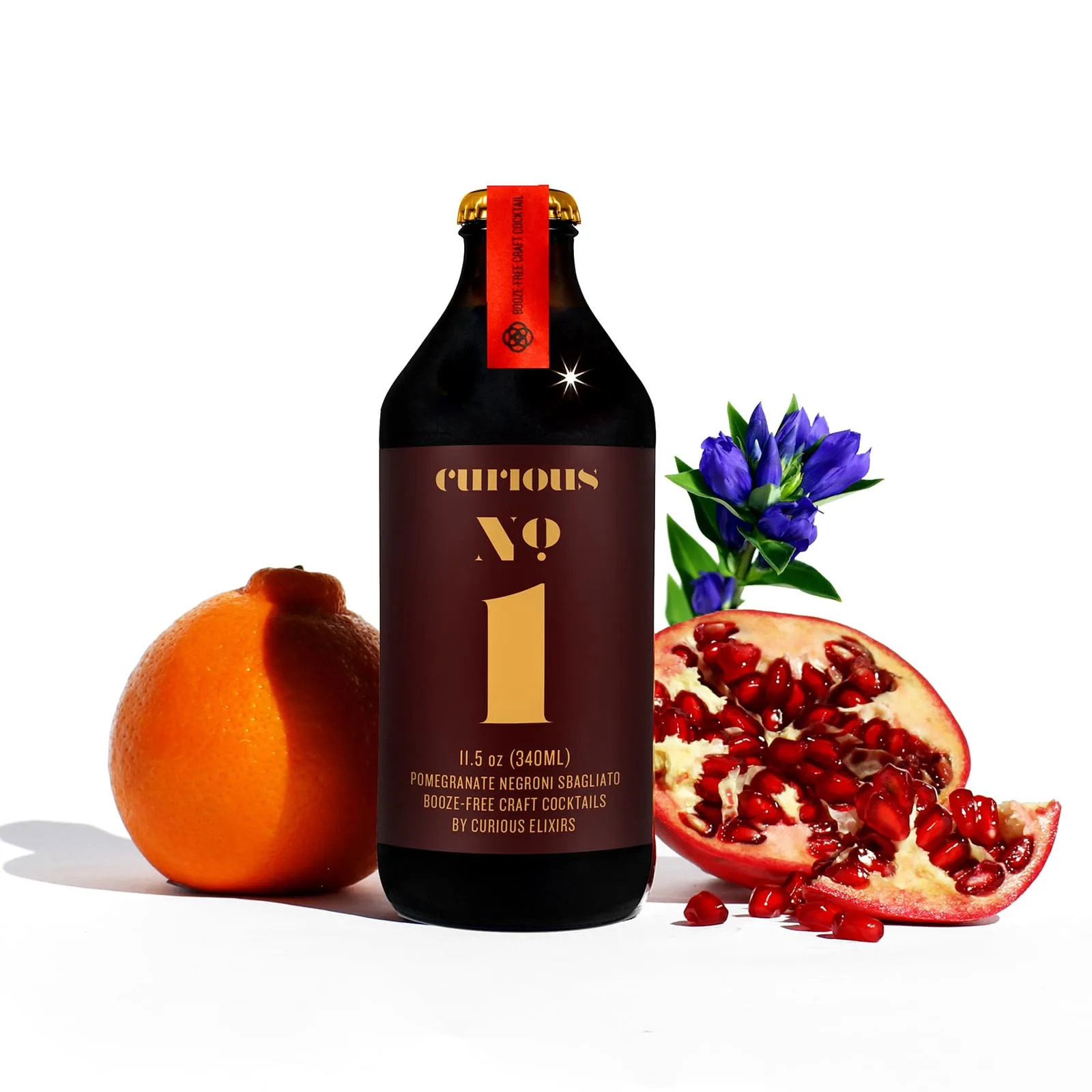
- Curious Elixir No. 1 Booze-Free Cocktails: Beautifully bitter booze-free pomegranate cocktail inspired by the Negroni Sbagliato, infused with rhodiola to lift you up. Its bitterness and lift make it a strong aperitif before salty or fatty first courses, and it holds up to tomato, cured meat and fried appetizers.
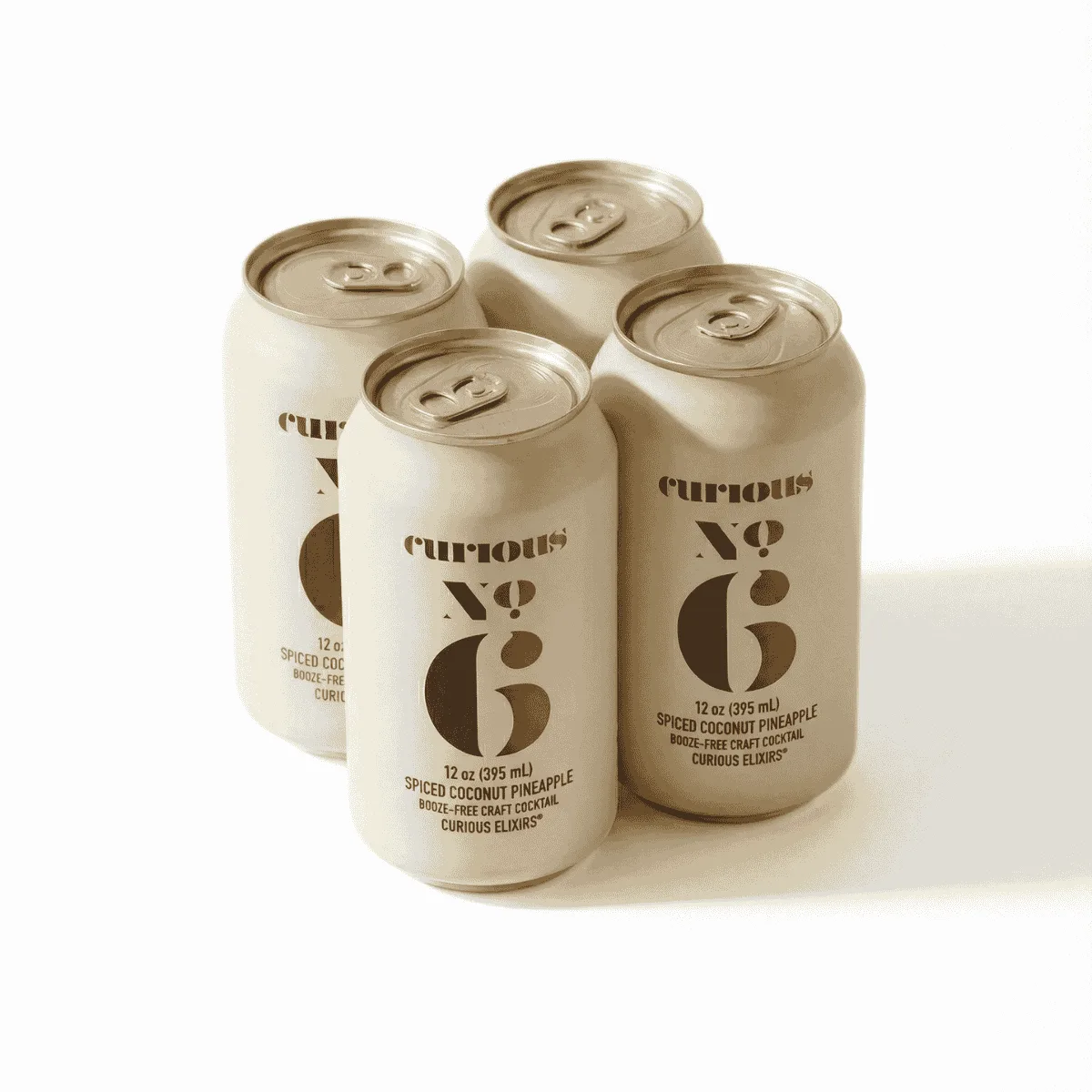
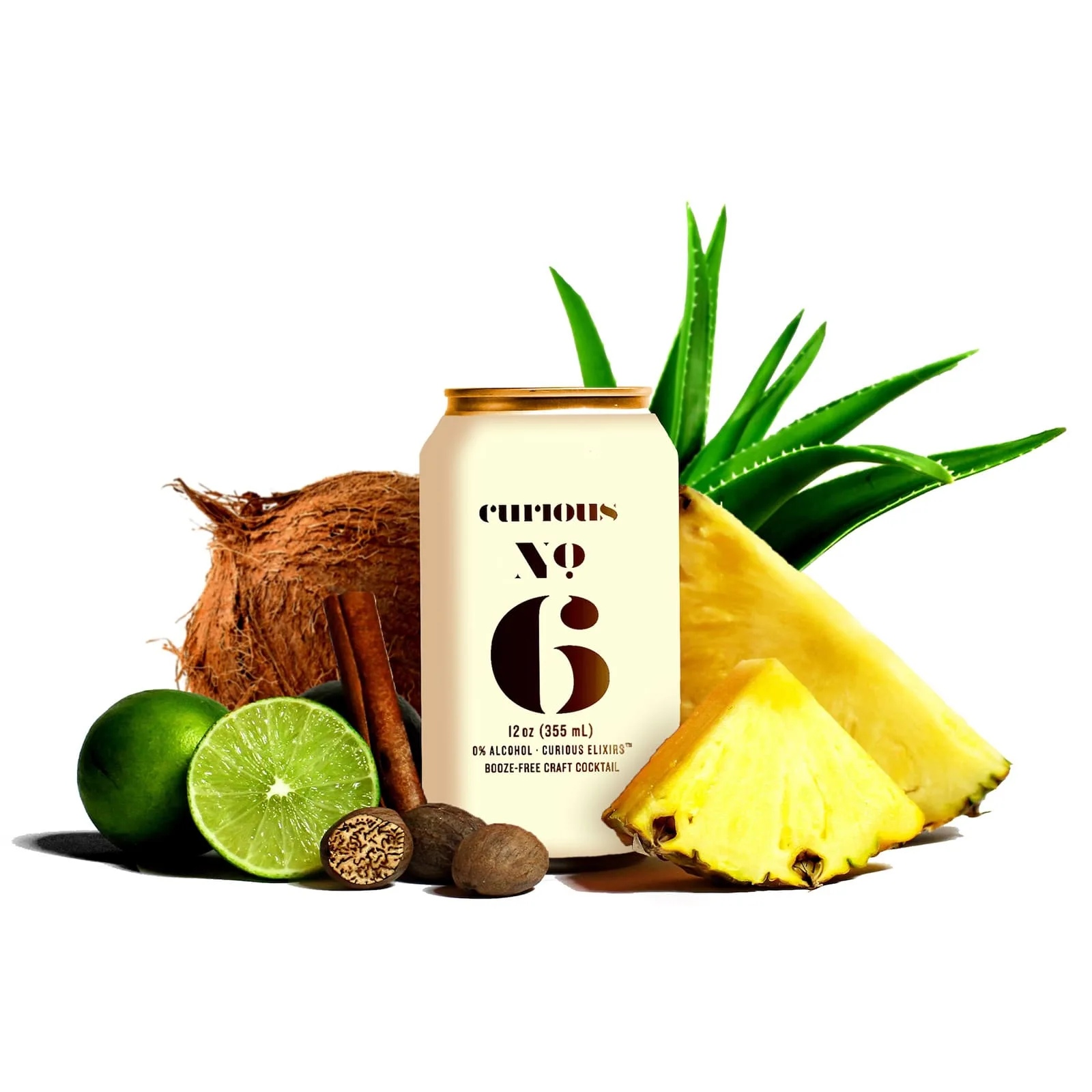
- Curious No. 6 Booze-Free Cocktails: Booze-free tropical tipple blending spices, cream of coconut, pineapple, citrus, oat milk, and chicory root with lemon balm and nutmeg to help you unwind. The creamy, spiced and tropical profile suits dessert, spicy dishes or a slow after-dinner sip, where a bitter aperitif would taste harsh.
- Curious No. 6 Booze-Free Cocktails: Booze-free tropical tipple blending spices, cream of coconut, pineapple, citrus, oat milk, and chicory root with lemon balm and nutmeg to help you unwind. A larger format of the same unwind-focused blend lets you serve a creamy, spiced pairing to a full table without opening multiple small bottles.