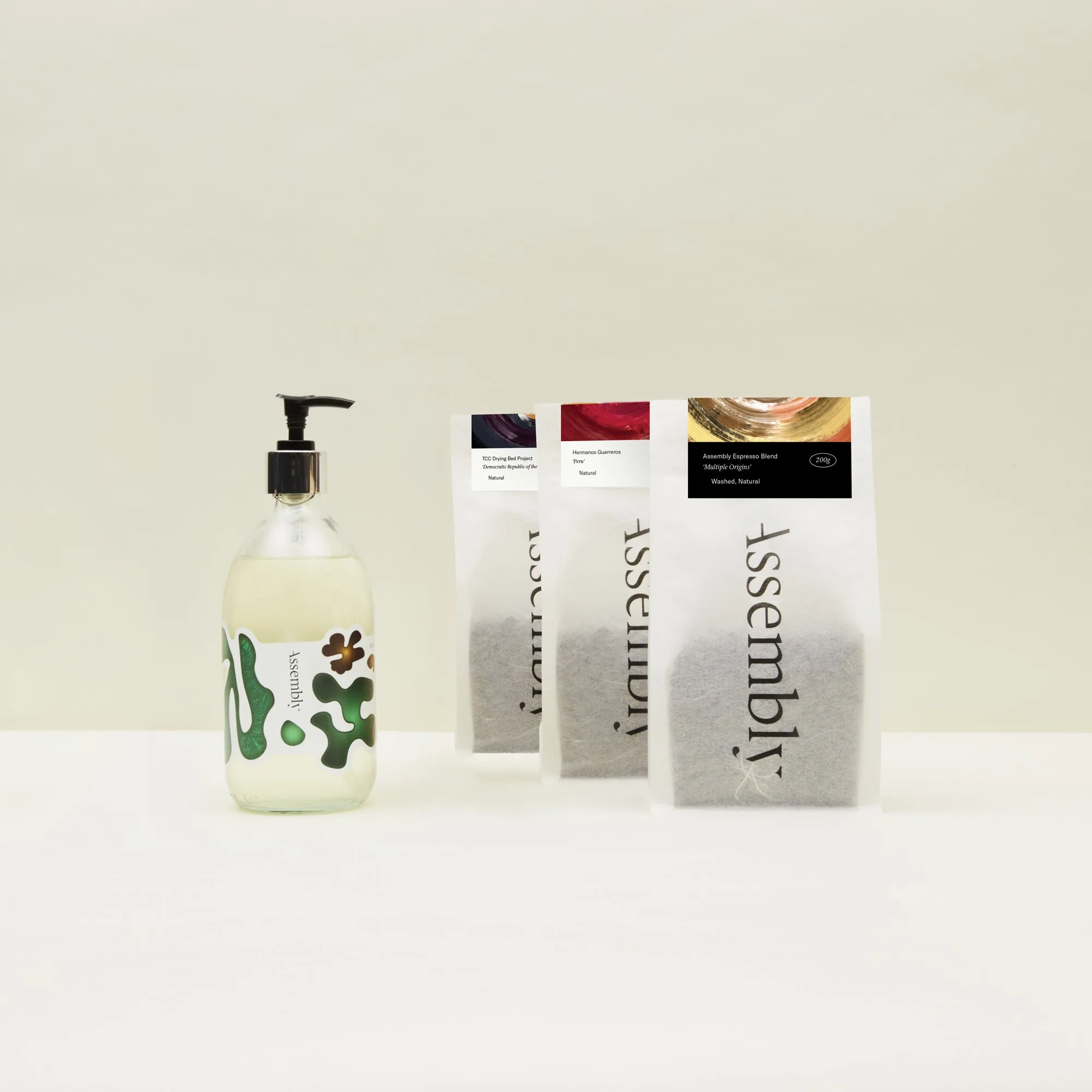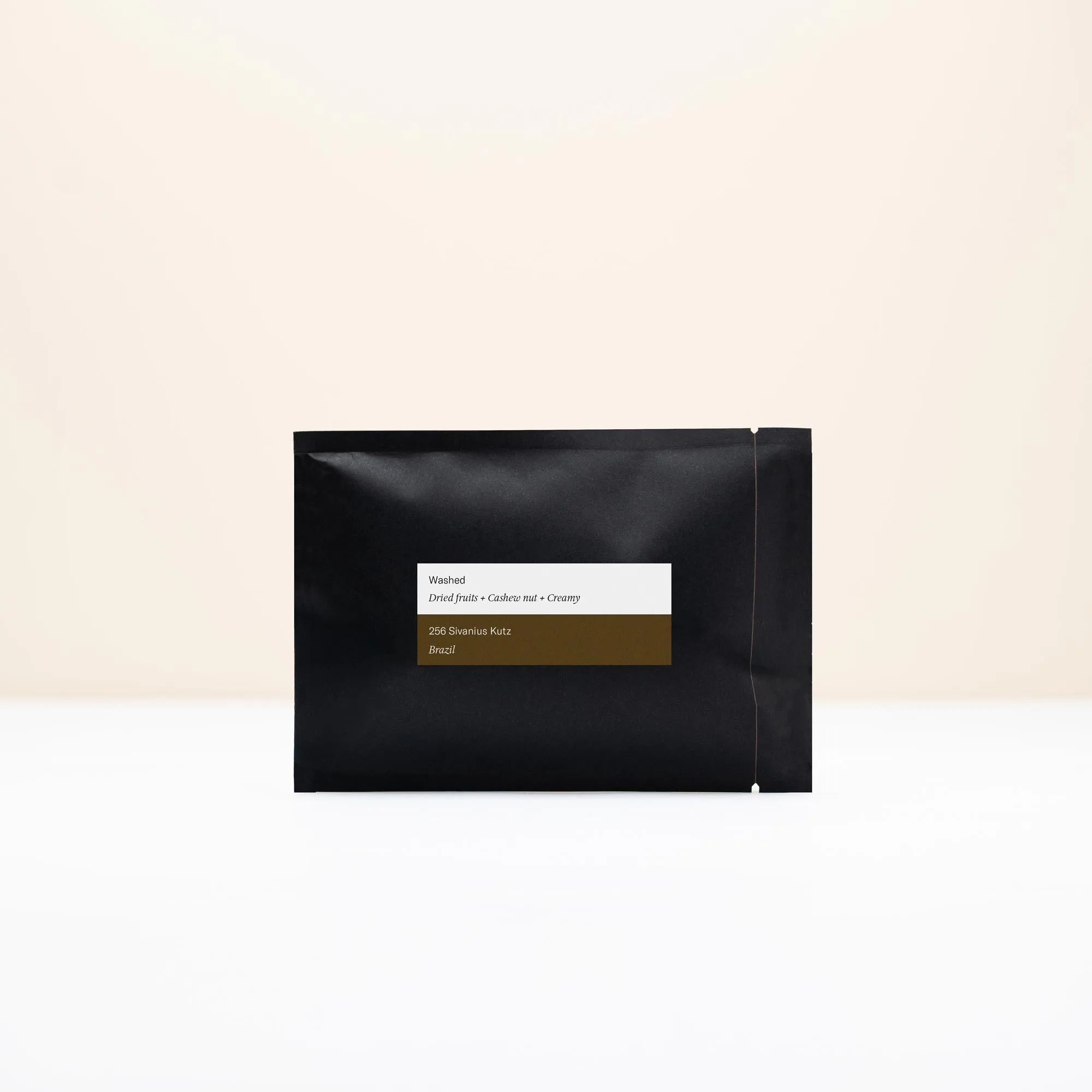
Coffee is more than a morning ritual—it's a versatile culinary ingredient that can transform a meal when paired thoughtfully with food. Just as wine enhances a dish, the right coffee can complement, contrast, or elevate flavors, creating a memorable tasting experience. Whether you're hosting a brunch, enjoying a quiet afternoon treat, or exploring new taste horizons, understanding coffee pairing opens up a world of sensory delight.
In this beginner's guide, we'll explore the fundamentals of coffee and food pairing, from understanding flavor profiles to practical tips for matching specific coffees with dishes. You'll learn how to think like a barista and a chef, discovering combinations that surprise and satisfy. By the end, you'll feel confident experimenting with pairings at home, using specialty coffees from Assembly Coffee to elevate your next meal.
Understanding Coffee Flavor Profiles
Every coffee has a unique flavor profile shaped by its origin, processing method, roast level, and brewing technique. Light roasts often retain bright acidity and floral or fruity notes, while medium roasts balance acidity with body and sweetness. Dark roasts bring out chocolatey, nutty, and smoky characteristics. To pair coffee with food effectively, start by identifying the dominant flavors in your cup—think of them as ingredients in a recipe.
For example, a washed Ethiopian coffee might offer jasmine and lemon zest, while a natural-processed Brazilian coffee can taste of ripe berries and chocolate. The more you practice tasting, the easier it becomes to recognize these notes. Brewing methods also affect flavor: a pour-over highlights clarity, while an espresso concentrates intensity. Experiment with different coffees to build your palate.
- Light roast: floral, fruity, tea-like body—pair with delicate foods like fruit tarts or salads.
- Medium roast: balanced acidity, caramel sweetness—great with cheese, pastries, or roasted chicken.
- Dark roast: bold, chocolatey, low acidity—ideal for rich desserts or grilled meats.
Principles of Coffee and Food Pairing
Successful coffee pairing relies on two main approaches: complementing and contrasting. Complementing means choosing a coffee that shares similar flavor notes with the food, such as a chocolatey coffee with a brownie. Contrasting involves pairing opposites to create balance, like a bright, acidic coffee with a creamy cheesecake to cut through richness. Both methods can work beautifully depending on the dish.
Another key principle is intensity matching. A delicate tea-like coffee can be overwhelmed by a strong, spicy dish, while a bold espresso might overpower a light salad. Aim for harmony where neither the coffee nor the food dominates. Finally, consider the texture—creamy foods pair well with smooth, full-bodied coffees, while crispy or crunchy foods benefit from lively acidity. Practice these principles with a few simple pairings to see what resonates with your taste.
- Complementary pairing: pair fruity coffee with fruit-based desserts or citrus dishes.
- Contrasting pairing: pair acidic coffee with fatty or creamy foods to refresh the palate.
- Intensity rule: match the strength of the coffee to the richness of the food.
Classic Pairings to Try at Home
Start with a classic: a medium-roast coffee like Guatemala Finca Gascón, which offers notes of milk chocolate and caramel, pairs wonderfully with a buttery croissant or a slice of apple pie. The sweetness of the coffee echoes the pastry's richness, while its subtle acidity cuts through the butter. For a savory option, try a washed coffee with roasted chicken or a mild cheese plate.
For chocolate lovers, a natural-processed coffee like Ethiopia Rumudamo Natural brings bright berry and wine-like flavors that complement dark chocolate beautifully. The fruitiness of the coffee highlights the cocoa's complexity. Alternatively, pair a creamy latte with a nutty biscotti for a comforting afternoon treat. Don't be afraid to experiment—sometimes the best pairings come from unexpected combinations.
- Breakfast: pair a bright, fruity coffee with pancakes or French toast topped with berries.
- Dessert: match a chocolatey coffee with chocolate mousse or tiramisu.
- Cheese: try a medium roast with aged gouda or brie for a savory-sweet balance.
How to Host a Coffee Tasting and Pairing Event
Hosting a coffee pairing event is a fun way to explore flavors with friends or family. Start by selecting 3-4 coffees with distinct profiles, such as a light roast from Ethiopia, a medium from Guatemala, and a dark roast from Colombia. Brew each using a consistent method like pour-over to maintain clarity. Prepare small bites that complement or contrast each coffee, such as dark chocolate, fresh fruit, cheese, or nuts.
Encourage guests to taste the coffee first, noting its aroma, acidity, body, and finish. Then taste the food, followed by the coffee again. Discuss how the flavors change—does the coffee become sweeter? Does the food taste different? This interactive experience deepens appreciation for both coffee and cuisine. For a structured approach, consider pairing a single coffee with multiple foods to see which works best. Keep notes to refine future pairings.
- Choose 3-4 coffees with diverse flavor profiles for variety.
- Prepare neutral palate cleansers like plain crackers or water between tastings.
- Encourage guests to share their observations—every palate is unique.
Tips for Pairing Coffee with Desserts and Savory Dishes
When pairing coffee with desserts, consider the dessert's sweetness and texture. For rich, chocolate-based desserts, a coffee with chocolate or caramel notes creates a harmonious match. For fruity desserts like lemon tart or berry crumble, choose a coffee with bright acidity and fruit-forward notes. The acidity will echo the fruit's tartness, while the coffee's body provides balance.
Savory pairings can be just as rewarding. A medium-roast coffee with nutty and herbal notes pairs well with roasted vegetables or grilled fish. Spicy dishes, such as those with chili or cumin, benefit from a coffee with low acidity and a full body to stand up to the heat. Experiment with coffee as a marinade or rub ingredient for meats—its acidity tenderizes while its flavors infuse. The possibilities are endless when you think creatively.
- Dark chocolate: pair with a natural-processed coffee for berry and chocolate synergy.
- Cheesecake: pair with a bright, acidic coffee to cut through richness.
- Spicy dishes: choose a low-acidity, full-bodied coffee to complement heat.
Coffee pairing is a delightful journey that combines the art of tasting with the joy of sharing food. By understanding flavor profiles and experimenting with complementary and contrasting matches, you can transform everyday meals into memorable experiences. Start with a few simple pairings using specialty coffees from Assembly Coffee, and let your palate guide you. Whether you're savoring a quiet morning or hosting a gathering, the right coffee and food combination can elevate any moment. Explore our selection of single-origin coffees and find your perfect match today.