Quick Answer
To pair a laboratory mat with your sci-fi terrain, choose terrain that matches the mat's experimental lab theme, use a consistent color palette, and arrange pieces to create clear sightlines and gameplay zones.
Why the Experimental Laboratory Mat Works for Sci-Fi
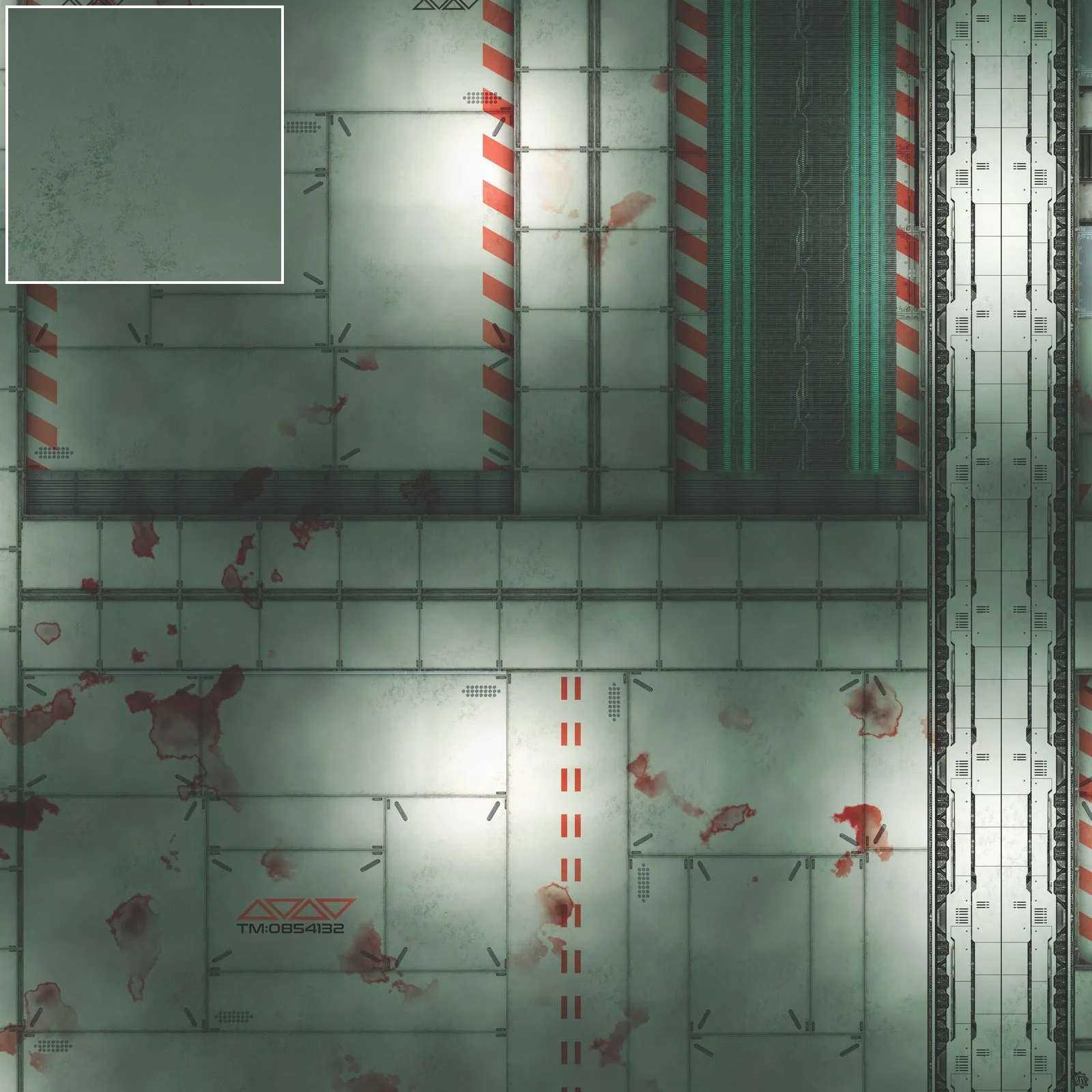
The Experimental Laboratory Tabletop Wargaming Play Mat from Mats by Mars is designed to be an immersive backdrop for your games. Its vibrant, scratch-resistant, detailed design printed on ultra-durable heavy-weight matte banner material is suitable for outdoor play, but it also brings a high-tech feel to your gaming table. The slight texture adds depth without distracting from your miniatures.
When pairing terrain, the goal is to enhance the story the mat already tells. A laboratory setting suggests scientific experiments, containment zones, and high-tech equipment. Your terrain should support that narrative rather than clash with it.
Color Palette and Material Consistency
The mat's design likely features cool tones like blues, grays, and metallic accents. To create a cohesive look, choose terrain that uses similar colors. Industrial or sci-fi terrain with gray, silver, or blue hues will blend naturally. Avoid warm-colored terrain like browns or reds unless you want a deliberate contrast for a specific zone.
Material matters too. Plastic or resin terrain with a matte finish will match the mat's texture better than glossy pieces. If your terrain is glossy, consider a quick drybrush with a matte varnish to reduce shine.
Step-by-Step Pairing Process
- Assess the mat's design: Lay out your Experimental Laboratory mat and study its printed details. Note the colors, structures, and any focal points like consoles or vats. This tells you what terrain will look natural. Take a photo of the mat to reference while selecting terrain.
- Select terrain that matches the theme: Choose sci-fi terrain pieces that fit a laboratory setting: control consoles, storage tanks, computer terminals, or research equipment. Avoid generic fantasy or rural pieces that would clash. If you're unsure, stick to neutral industrial pieces that could pass as lab equipment.
- Plan your layout for gameplay: Before placing terrain, map out where you want firing lanes, cover, and objective zones. Use the mat's printed details as natural boundaries or reference points. Ensure no single area becomes too cluttered or too open. A balanced layout keeps games dynamic and prevents frustrating bottlenecks.
- Place large terrain first: Position major structures like central labs or large machinery first. These anchor the battlefield and define the main sightlines. Make sure they don't block the mat's key artwork entirely. Step back and check that the mat's best details remain visible.
- Add smaller scatter terrain: Fill in with smaller pieces like barrels, crates, or terminals. Use these to create cover and break up open spaces. Avoid overcrowding; leave enough room for movement and line of sight. A good rule is to leave at least 2-3 inches between small pieces for maneuverability.
- Review and adjust for cohesion: Walk around the table and view it from all sides. Check that the terrain and mat feel like one scene. Adjust colors or swap out pieces that feel out of place. Make sure all gameplay areas are accessible. Ask a friend for a second opinion; a fresh eye often spots missteps.
Product Spotlight
-
Mats by Mars: Experimental Laboratory Tabletop Wargaming Play Mat: The Experimental Laboratory Tabletop Wargaming Play Mat features a vibrant, scratch-resistant, detailed design printed on ultra-durable heavy weight matte banner material. This durability and matte finish make it a reliable base for repeated games, and the detailed design provides a strong thematic foundation for your sci-fi terrain.
Mats by Mars: Experimental Laboratory Tabletop Wargaming Play Mat