Quick answer
Pair Olipop by matching the soda’s dominant flavor note to a snack with complementary texture and sweetness. For creamy or dessert-like sodas, choose salty or crunchy snacks; for bright, fruity sodas, choose mild or savory snacks. Start with one can and a small snack portion, taste both together, then adjust.
Why pairing works differently with prebiotic soda
Prebiotic soda is carbonated and contains fiber, so it interacts with food differently than a standard soft drink. The bubbles can amplify salt and spice, while the fiber adds a slight weight that helps bridge creamy and crunchy textures. That means a snack that tastes flat next to a cola may taste lively next to a fruit-forward Olipop.
The three-question shortcut
Before you open a can, ask: What is the soda’s main flavor? Is the snack salty, fatty, or sweet? Do I want contrast or harmony? Contrast works best when the soda is creamy or dessert-like; harmony works best when the soda is tart or bright. Write down your answer for the first pairing so you can compare it to the next one.
Everyday snack categories that pair reliably
Most successful pairings fall into four groups: salty crunch (pretzels, popcorn, crackers), creamy neutral (plain yogurt, hummus, mild cheese), fruit-forward (apple slices, berries, dried fruit), and lightly sweet (oat cookies, graham crackers, dark chocolate). Keep portions small at first so the soda remains the focus.
Step-by-step pairing method
- Chill the can and set out a small snack portion: Cold soda tastes less sweet and more refreshing, which makes flavors easier to judge. Pour the soda into a glass if you want to smell it before tasting. Checkpoint: the soda should be cold but not icy; ice can dilute the flavor.
- Taste the soda alone first: Take a small sip and name the first flavor you notice. Is it creamy, tart, or fruity? This becomes your anchor note for choosing a snack. Common mistake: skipping this step and guessing based on the label alone.
- Choose a snack that either contrasts or harmonizes: For a creamy soda like Strawberry Vanilla, try a salty snack such as pretzels. For a tart soda like Watermelon Lime, try a mild snack such as plain crackers or cucumber slices. Checkpoint: if the snack is strongly flavored, keep the portion very small.
- Take a bite, then a sip, and note the effect: Does the soda taste more fruity, more creamy, or more acidic? Does the snack taste saltier or sweeter? Adjust the ratio of snack to soda if needed. Common mistake: eating a large bite before sipping, which overwhelms the palate.
- Adjust sweetness or salt to balance: If the pairing tastes too sweet, add a salty or acidic snack. If it tastes too salty, add a mild or creamy snack. If it tastes flat, add a squeeze of lime or a pinch of salt to the snack. Checkpoint: the best pairing leaves both the soda and the snack tasting better than they did alone.
- Record your favorite combinations: Keep a simple note on your phone or a piece of paper. List the soda flavor, the snack, and whether you preferred contrast or harmony. Next step: use your notes to build a snack board for guests or to shop for future pairings.
Flavor facts that guide pairing
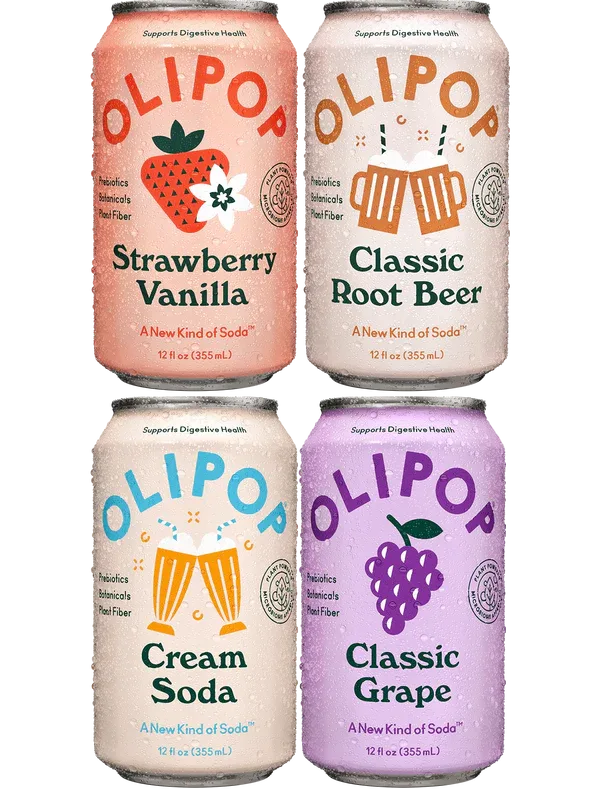
- Strawberry Vanilla: Strawberry Vanilla blends sweet strawberry juice, rich vanilla, and a dash of tangy lemon. The creamy vanilla and bright strawberry make this a natural contrast partner for salty or crunchy snacks.
- Watermelon Lime: Watermelon Lime combines watermelon, tart cherry, and lime juice for a candy-like but balanced flavor. Its bright acidity cuts through mild, creamy snacks and stands up to lightly salted foods.
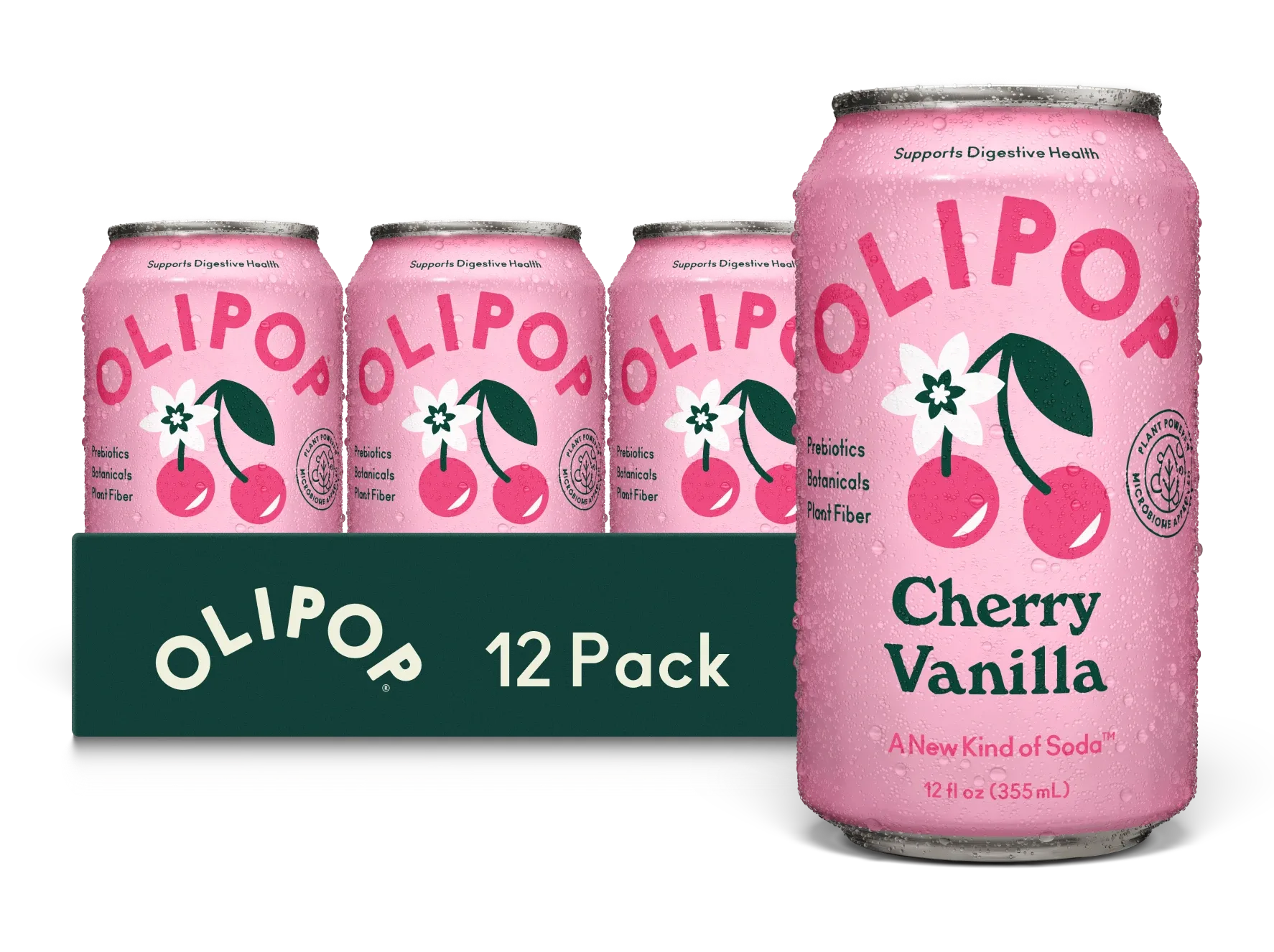
- Cherry Vanilla: Cherry Vanilla uses tart cherries, sweet rainier cherries, and vanilla bean. The deep fruit and soft vanilla note pair well with neutral crackers or dark chocolate.