If you have sensitive skin, introducing a new skincare product can feel like a gamble. One wrong ingredient can lead to redness, itching, or breakouts. That's why patch testing is essential—it's a simple, low-risk way to see how your skin reacts before you commit to a full application.
In this guide, we'll walk you through the steps of patch testing, where to test, how long to wait, and what to look for. We'll also highlight some gentle products that are suitable for sensitive skin, so you can expand your routine with confidence.
Why Patch Testing Matters for Sensitive Skin
Sensitive skin is more reactive to environmental factors and skincare ingredients. Even products labeled 'gentle' can contain potential irritants like essential oils, fragrances, or certain preservatives. Patch testing helps you identify these triggers before applying a product to your entire face, reducing the risk of a full-blown reaction.
A patch test is particularly important for active ingredients like vitamin C, retinoids, and exfoliating acids. These can cause irritation even in well-formulated products. By testing first, you can adjust usage frequency or concentration as needed, making your skincare journey safer and more effective.
- Patch testing takes only a few minutes but can save you from weeks of skin recovery.
- It's a standard practice recommended by dermatologists for anyone with reactive skin.
How to Patch Test: Step-by-Step Guide
Start by choosing a small area of skin that is easily hidden, such as the inside of your forearm or behind your ear. Clean the area gently and pat dry. Apply a small amount of the product—about the size of a pea—and spread it thinly. Do not rinse off unless irritation occurs.
Leave the product on for 24 to 48 hours. Monitor the area for any signs of redness, swelling, itching, or burning. If you experience any of these, remove the product immediately and wash the area with mild cleanser. If no reaction occurs, it's likely safe to use on your face, but always start with a small amount and gradually increase.
- For leave-on products like serums or creams, test on a small area and wait 24-48 hours.
- For rinse-off products like cleansers, apply to a small area and rinse after a few minutes, then observe for 24 hours.
What to Do If You Have a Reaction
If you notice a reaction, stop using the product immediately. Wash the area with a gentle cleanser and apply a soothing moisturizer to calm the skin. Avoid using any active ingredients until the area has fully healed. In rare cases of severe reactions like blistering or difficulty breathing, seek medical attention promptly.
Keep a skincare diary to track which products cause reactions. Note the ingredients and cross-reference them with other products you've used. Over time, you'll learn which ingredients to avoid, making future product selections easier.
- Apply a cold compress to reduce redness and itching.
- Use a fragrance-free, soothing moisturizer to help repair the skin barrier.
Gentle Products to Consider for Sensitive Skin
When choosing new products, look for formulas that are fragrance-free, alcohol-free, and contain minimal ingredients. Products designed for sensitive skin often include soothing ingredients like aloe, chamomile, or ceramides. For example, the Herbal Glow Recovery Mask is a hydrating treatment that can calm and nourish sensitive skin, making it a good option to patch test.
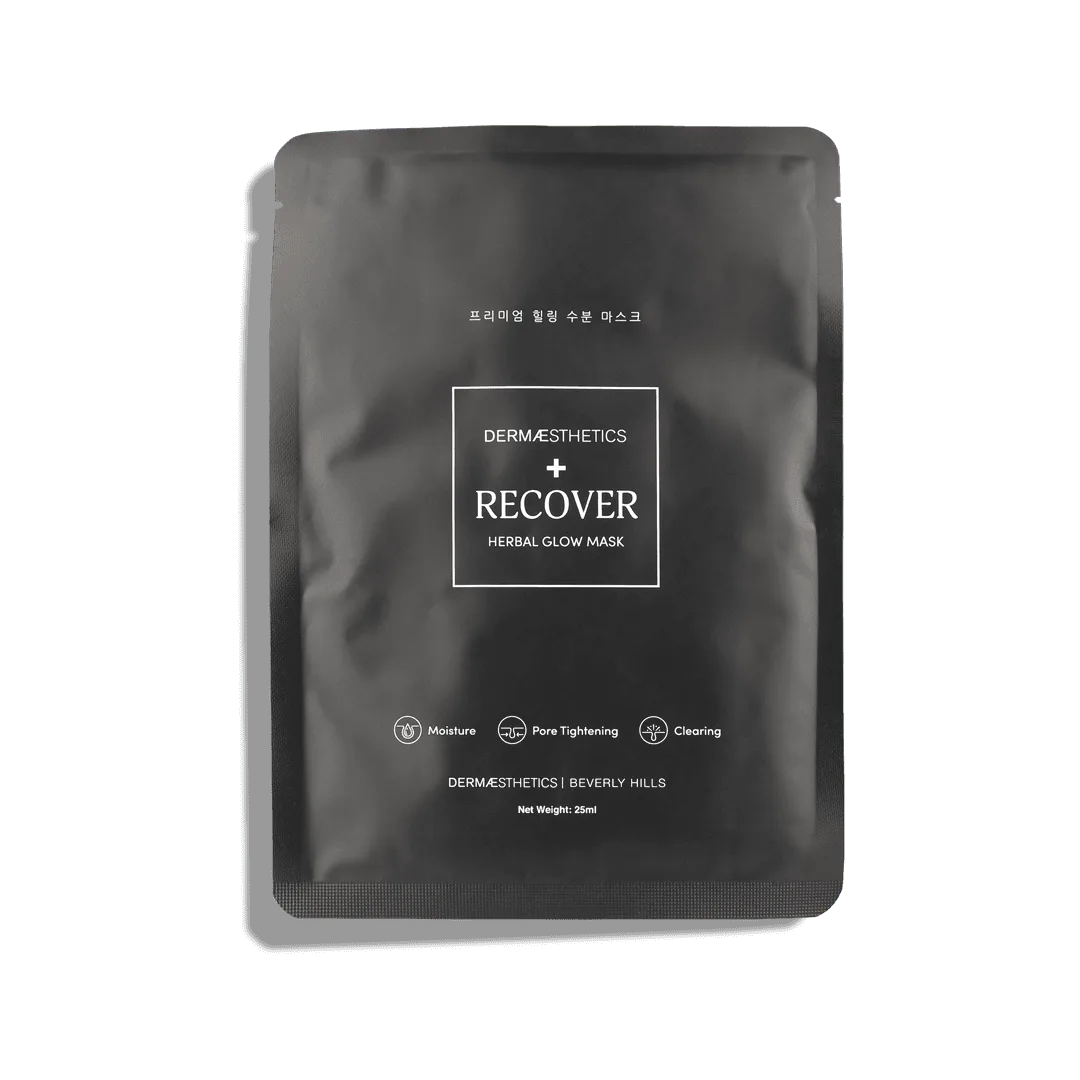
Herbal Glow Recovery Mask
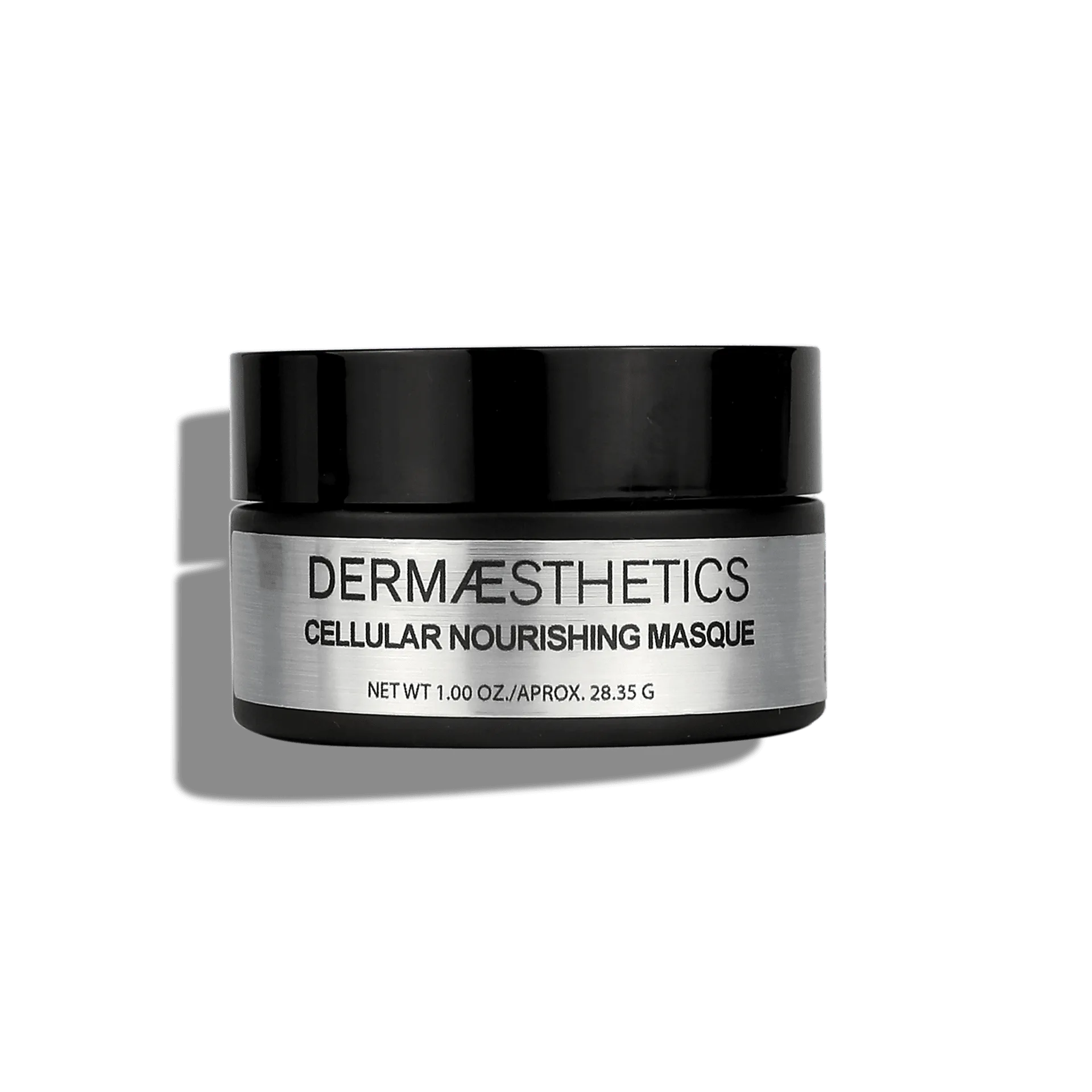
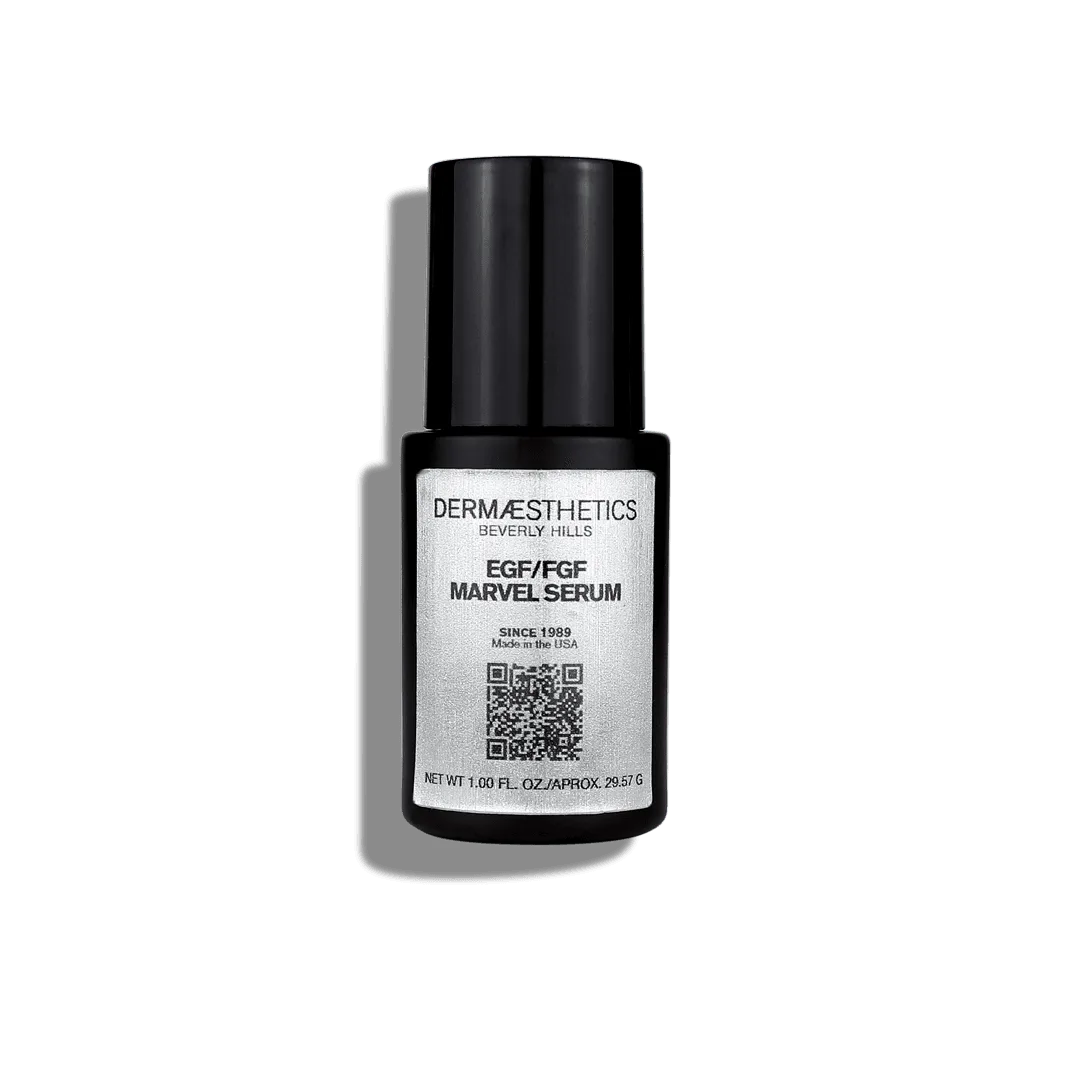
Another gentle option is the Cellular Nourishing Masque, which provides deep moisture without heavy fragrances. If you're looking for a serum, the EGF/FGF Marvel Serum is known for its soothing and repairing properties, ideal for sensitive skin types. Always patch test these products as part of your routine.
- Consider products with minimal ingredient lists to reduce the risk of irritation.
- Look for non-comedogenic labels to avoid clogged pores.
Tips for Safe Skincare Testing
Always introduce one new product at a time. If you introduce multiple products simultaneously and a reaction occurs, you won't know which product caused it. Wait at least two weeks between introducing new products to accurately assess their effects.
Patch test in the same area consistently to avoid variability. Use a clean cotton swab or spatula to apply the product to prevent contamination. Also, be mindful of the product's expiration date and storage conditions, as expired products can cause unexpected reactions.
- Test on a small area of skin that is not exposed to sun, as sun exposure can alter the skin's response.
- If you have a history of severe allergies, consult a dermatologist before patch testing.
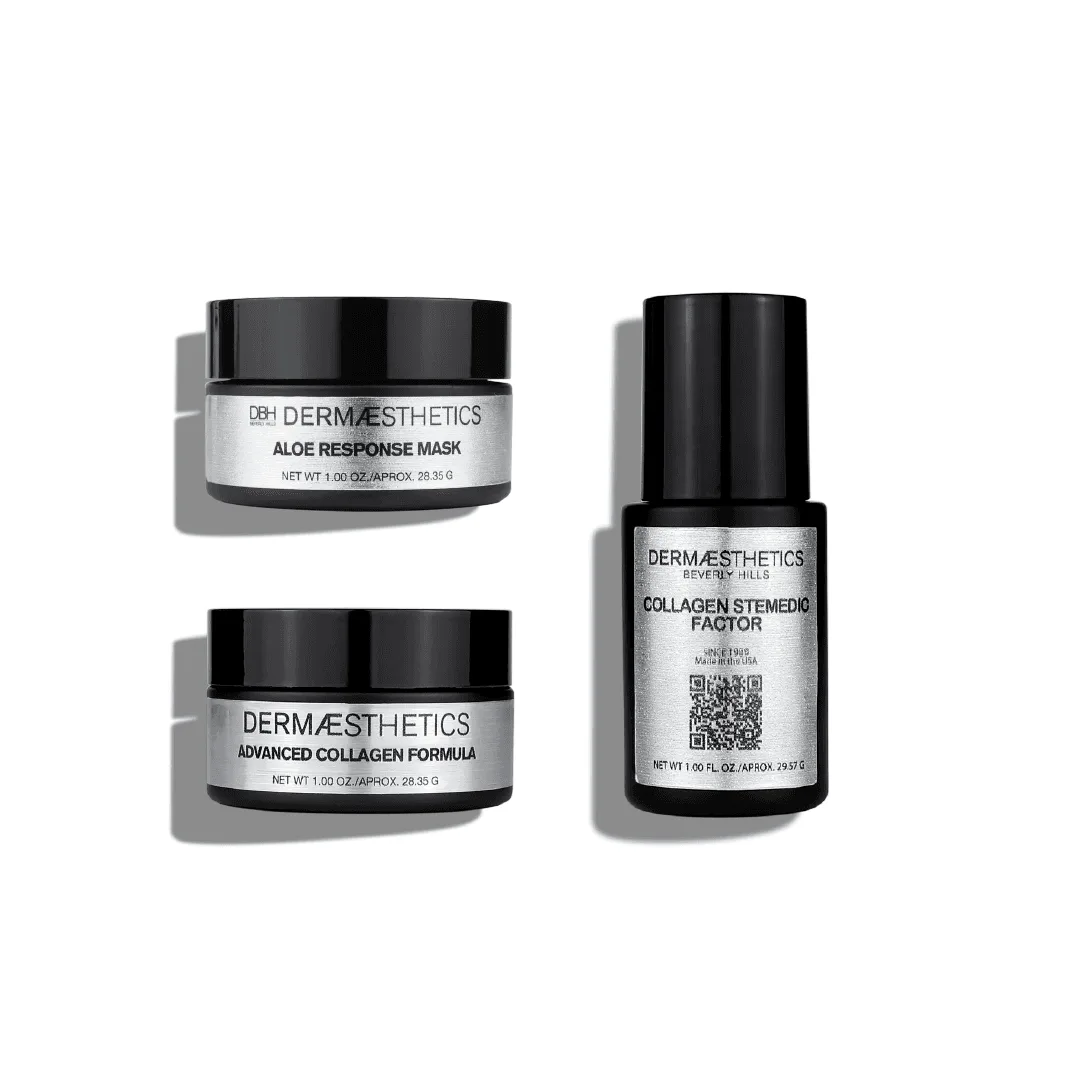
Patch testing is a simple yet crucial step in any skincare routine, especially for sensitive skin. By taking the time to test new products, you can avoid unnecessary irritation and make informed choices about what you apply to your face. Start with our recommended gentle products and always patch test first. For a comprehensive solution, consider the Routine: Compromised Skin Barrier Set, which is designed to support and repair sensitive skin.