Quick Answer
Choose a plunge or low-front bra whose centre front sits lower than the neckline of your top, then check that the cups still cover you when you move. A bra for a low cut top works best when the gore is short, the cups are moulded or lightly lined, and the straps sit close to the shoulder so nothing peeks out.
A low-cut top or V-neck dress can look effortless — until your bra shows up in the middle of it. The fix is not to wear something uncomfortable or skip support altogether. It is to match the bra's front depth and cup shape to the neckline you are actually wearing.
This guide walks through a simple order of steps: read the neckline, measure the depth you need, choose the right cup style, check the straps, and test the fit in motion. Along the way you will see how real styles like a plunge lace bra or a moulded full-coverage bra fit into the decision.
Start With the Neckline, Not the Bra
Before you shop, look at the garment and find its lowest point. A deep V dress, a wrap top, and a square-neck blouse all need different bra depths. The key measurement is how far down the centre front of the bra can sit without showing.
Lay the top flat and note where the fabric crosses or dips. If the dip is very low, you need a bra with a short centre gore — often called a plunge. If the neckline is moderate, a standard full-coverage bra may already stay hidden. This one check prevents most returns.
- Checkpoint: if the fabric dips below your usual bra's centre front, you need a lower gore or a different style.
Match Plunge Depth to the Top
A plunge bra guide usually starts with depth. The lower the centre front, the more plunge coverage you get. For a very deep neckline, look for a bra where the cups meet low and the underwire sits below the bust line rather than across the middle.
If the neckline is only slightly low, you do not need an extreme plunge. A moderate plunge or a smooth moulded bra can be enough. Overshooting with a very low bra can reduce support, especially in larger cup sizes, so choose the shallowest plunge that still stays hidden.
- Mistake to avoid: buying the deepest plunge available when a moderate one would hide just as well and support more.
Choose the Cup Style That Stays Hidden
Seams and lace edges can show through thin or clingy fabrics. If your top is smooth, a moulded or lightly padded cup gives a clean line. If your top is textured or layered, lace and mesh can work without showing.
For a bra under a deep neckline, full coverage is not automatically wrong — it depends on the front shape. A moulded full coverage bra with a low centre can be a good compromise. Just make sure the top edge of the cup does not rise above the neckline when you move.
- Tip: hold the bra against the top and check whether the cup edge sits above or below the fabric line.
Check Straps and Band for a Clean Finish
Straps that sit too far apart can peek out beside a wide neckline. Look for straps that attach closer to the centre front or are fully adjustable. A snug band also keeps the bra from shifting down when you raise your arms.
If you are wearing a halter or off-shoulder top, a plunge bra with convertible or adjustable straps gives more options. For standard V-necks, a regular plunge with well-placed straps is usually enough.
- Checkpoint: raise your arms and lean forward — if the band or cups move, adjust the band size before blaming the style.
Test the Fit in Motion Before You Commit
A bra can look perfect standing still and fail the moment you sit, reach, or bend. Put on the top over the bra and do those movements. Check the centre front, the cup edges, and the straps in a mirror.
If the bra shows when you move, try a lower gore, a different cup size, or a style with more adjustability. Fit is not just about the number — it is about how the bra behaves with the neckline you actually wear.
- Mistake to avoid: judging the fit only while standing straight in front of a mirror.
Your Step-by-Step Plunge Bra Fit Check
- 1. Find the neckline's lowest point: Lay the top flat and mark where the fabric dips lowest at the centre front. This tells you how low the bra's gore needs to sit.
- 2. Measure your current bra's centre front: Hold your usual bra against the top and see if the gore sits above or below the fabric line. If it sits above, you need a lower plunge or a different style.
- 3. Pick a plunge depth that matches: Choose the shallowest plunge that still stays hidden — deeper is not always better for support. Moderate plunges often work for slightly low necklines.
- 4. Choose a cup finish that suits the fabric: Moulded cups for smooth tops, lace or mesh for textured or layered tops. Match the cup edge to the neckline so nothing peeks out.
- 5. Adjust straps and band: Tighten the band snugly and adjust straps so they sit close to the shoulder. A snug band keeps the bra from sliding down when you move.
- 6. Test in motion: Wear the top over the bra and sit, reach, and bend to check coverage. If it shows, size or style needs a change — not just a tug.
Real Styles That Work for Low Necklines
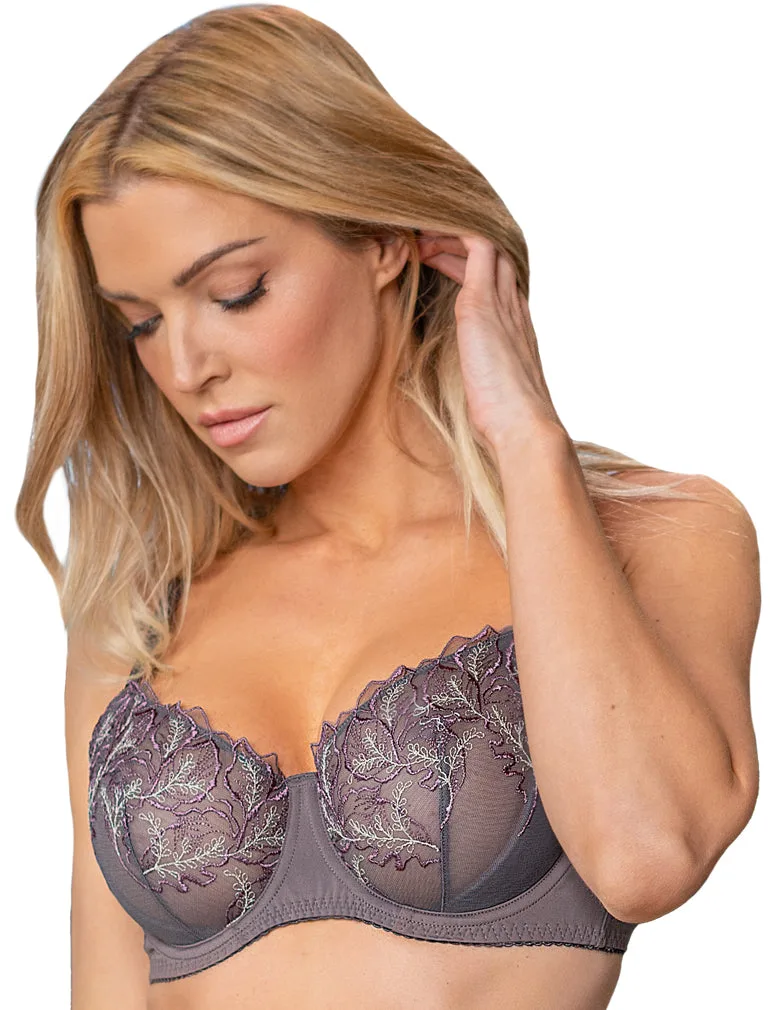
- B2645 Bridget: MAUVE PLUM: This bra features a delicate lace design on the cups and an inside sling that gently lifts the bust and creates a more flattering, fuller look. The inside sling adds lift without extra padding, which helps a plunge shape stay flattering under a low neckline.
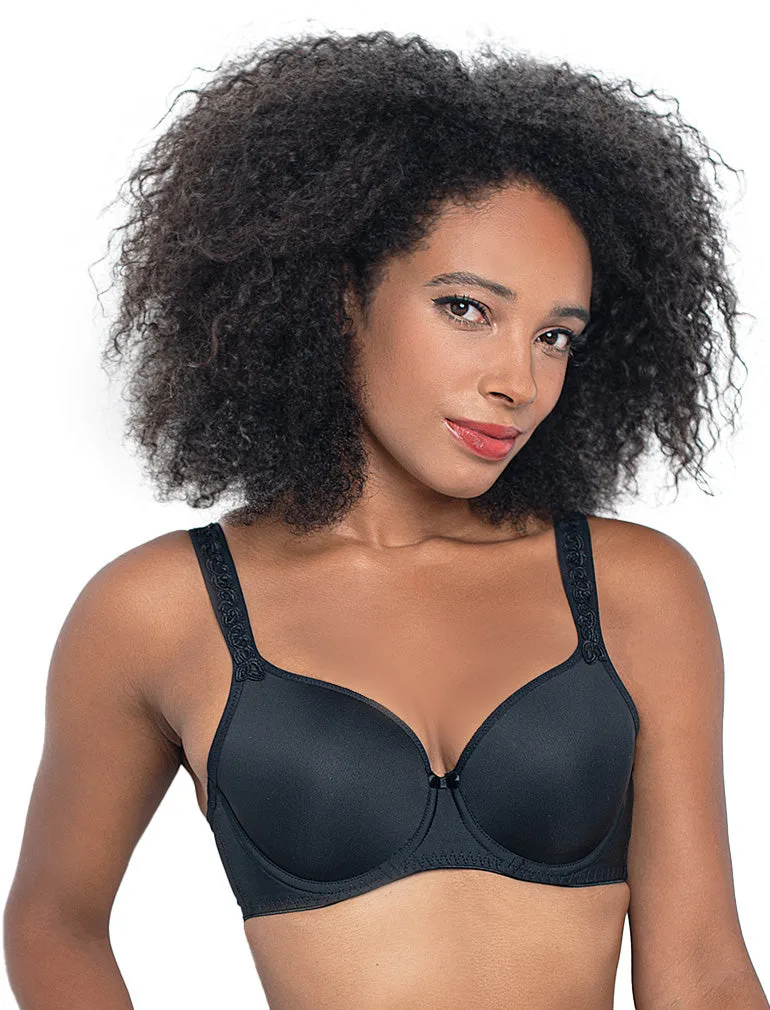
- B1212 Zora Moulded: BLACK: Zora offers moulded full coverage with soft underwire cups and a strap motif designed for support. A moulded cup gives a smooth finish under clingy fabrics, and full coverage can still work if the centre front sits low enough for your top.
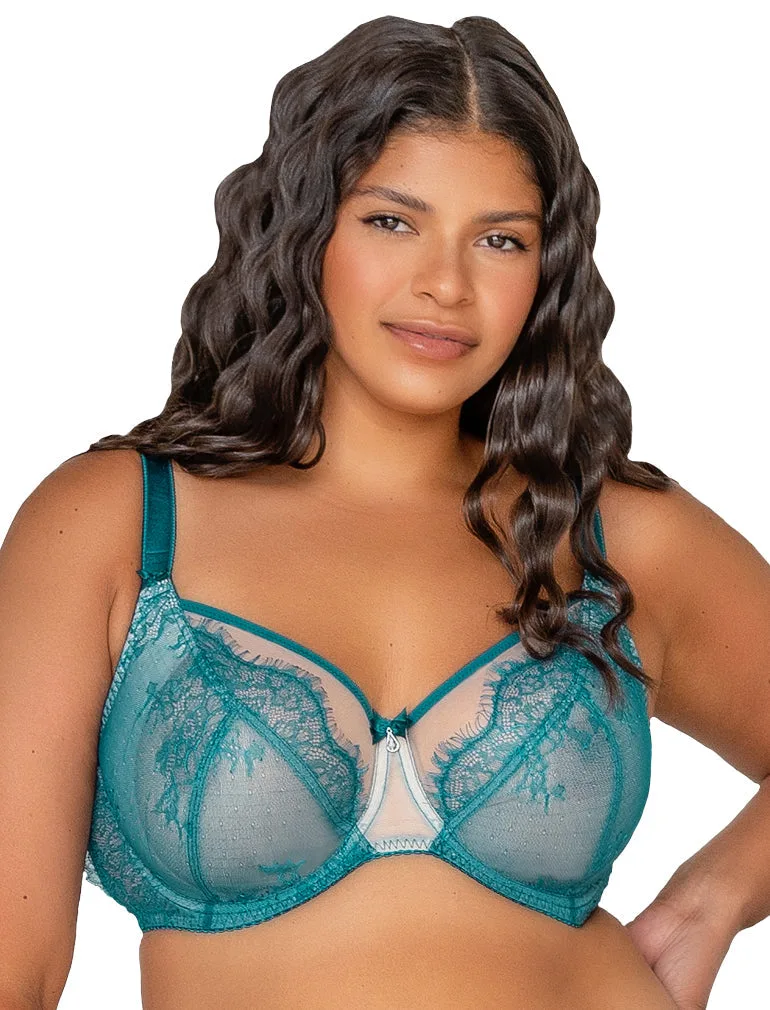
- B2382 Ava See-Thru Lace: DARK TEAL: This full coverage sexy mesh bra has eyelash trimmed lace, fully adjustable straps, and an inside sling in G cup sizes and up for extra support. Adjustable straps help you position the bra so it stays hidden, and the lace works well under textured or layered necklines.
Picking a bra for a low-cut top comes down to matching the bra's front depth, cup shape, and strap placement to the neckline you are wearing. Start with the neckline, choose the shallowest plunge that stays hidden, and always test in motion. A well-fitted plunge or moulded bra can keep you supported and invisible under deep necklines.