Quick answer
Choose a backpack if you carry a mirrorless body plus two or more lenses for long walks or travel; choose a shoulder bag or sling for one body and one lens in the city. Measure your longest lens attached to the body, then match that length to the bag's internal depth, not its advertised liter size. If you shoot with a DSLR and a 75-300mm zoom, a deeper shoulder bag or a small backpack will fit better than a slim mirrorless pouch.
Start with your actual kit, not the bag category
Lay out everything you want to carry on a table: camera body, each lens, charger, spare battery, memory cards, and any filter or cleaning cloth. Measure the total length of your longest lens attached to the body, and the height of the body with a lens mounted. These two numbers decide whether a bag works, because internal depth is the spec that most often fails. A bag that fits a compact mirrorless body with a 35mm prime may not fit the same body with a 75-300mm zoom, even if both are 'one camera, one lens' in the marketing copy.
Camera backpack size: match liters to trip length
Camera backpack size is usually listed in liters, but liters tell you total volume, not camera compartment depth. A 20-25L backpack typically holds one body and two to three lenses plus a small tripod; a 30L and up adds room for clothing or a laptop. For a mirrorless setup, a 20L pack is often enough for a day hike. If you carry a full-frame DSLR and a telephoto zoom, size up to 25-30L so the camera insert does not press against your back. Check whether the camera compartment is removable: a removable insert lets the same bag work as a daypack when you leave the camera at home.
Shoulder bag, sling, or hard case: pick by how you move
A shoulder bag gives fast access when you are standing or sitting, which suits street and event shooting. A sling rotates to your chest without taking it off, useful on crowded public transport. A hard case protects gear in a car trunk or checked luggage but is awkward to carry all day. The camera case vs bag decision usually comes down to transport versus shooting: cases protect during transit, bags protect while you shoot. If you often set your bag on wet ground, look for a water-resistant base or a separate rain cover.
Strap options and lens pouch storage
Camera bag strap options matter more than most buyers expect. Wide padded shoulder straps distribute weight on a backpack; a cross-body strap needs a pad or it will dig in after an hour. Look for a sternum strap on backpacks and a removable waist belt on larger packs. For lens pouch storage, use a pouch for each lens you swap often, and keep the pouch inside the main compartment rather than dangling outside where it can swing. A pouch also lets you carry one lens in a small daypack without a full camera insert.
Decision rules for choosing your bag
- One body, one lens, city walking: Choose a shoulder bag or sling with internal depth at least 1 inch more than your longest attached lens. If the bag cannot close with the lens attached, size up.
- Two or more lenses, full day out: Choose a backpack with a removable camera insert and a sternum strap; 20-25L for mirrorless, 25-30L for DSLR and telephoto. Test the pack with your heaviest lens mounted before you commit.
- Air travel or car trunk storage: Choose a hard case or a backpack with a rigid frame and lockable zippers; keep the camera insert removable for flexibility. A case protects in transit, not while shooting, so you may need both.
- Frequent lens swaps: Add a lens pouch for each lens you swap often and keep pouches inside the main compartment. Pouches prevent lens-to-lens contact and make swaps faster.
Gear examples and what they mean for bag fit
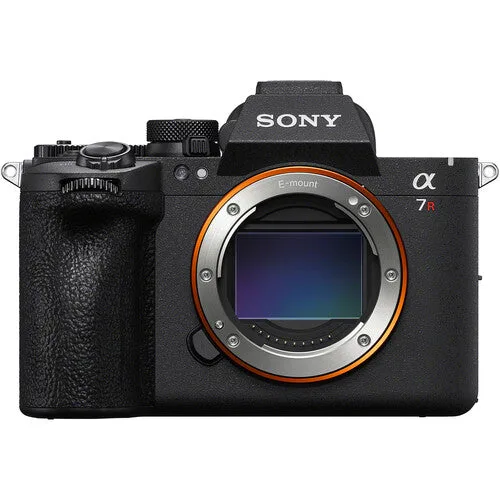
- Sony a7R VI Mirrorless Camera: Sony a7R VI Mirrorless Camera with a 66.8MP full-frame stacked sensor, 8K 30 video, and dual CFexpress Type A/SD card slots. A high-resolution mirrorless body with dual card slots means you will likely carry spare cards and batteries, so choose a bag with a dedicated accessory pocket rather than a single open compartment.
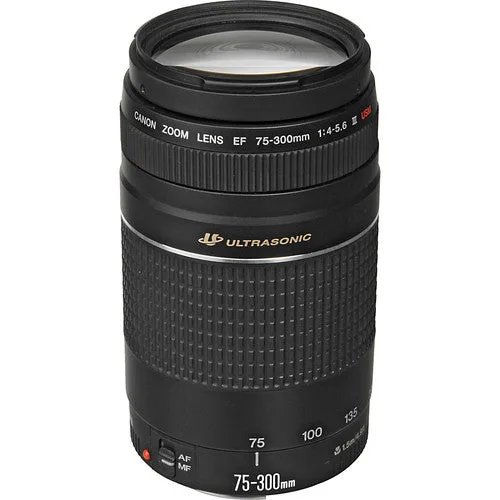
- Canon EF 75-300mm f/4-5.6 III USM Lens: Canon EF 75-300mm f/4-5.6 III USM Lens, EF-mount full-frame, 4x zoom, micro ultrasonic motor AF. A 75-300mm zoom is long enough that internal bag depth becomes the limiting factor; measure the lens with the hood reversed before buying a slim shoulder bag.
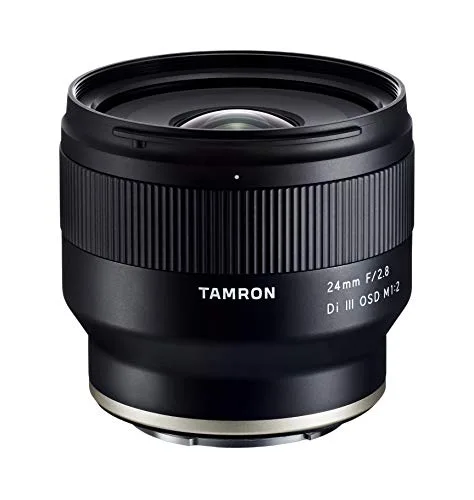
- Tamron f/2.8 Di III OSD Wide-Angle Prime Lens for Sony E-Mount: Tamron f/2.8 Di III OSD Wide-Angle Prime Lens for Sony E-Mount, compact and lightweight, moisture-resistant, 1:2 macro close focus. A compact prime like this fits easily in a small mirrorless bag or a lens pouch, so it is a good second lens to carry when you want to keep the bag light.
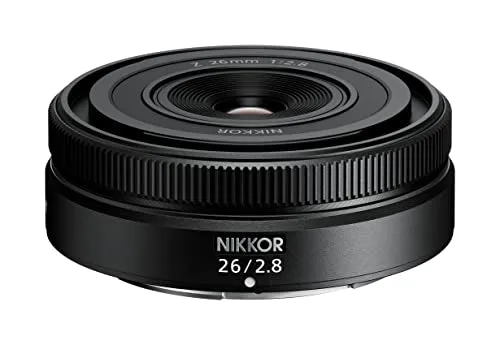
- Nikon Z 26mm f/2.8 NIKKOR Lens (Nikon Z): Nikon Z 26mm f/2.8 NIKKOR Lens, slim wide-angle prime for Nikon Z, all-element focusing, STM motor, weather sealed. A slim prime takes up little depth, which means a smaller camera bag for mirrorless can still hold a body plus this lens and a spare battery.
Who should buy which bag
Best for
- Photographers who carry a mirrorless body plus two or more lenses on long walks or trips
- DSLR users with a 75-300mm or similar telephoto zoom who need extra internal depth
- Travelers who want one bag that converts from camera carry to daypack
Not for
- Shooters who only carry one compact body and one slim prime and want the smallest possible pouch
- Photographers who need fast access while sitting and dislike removing a backpack