Quick answer
Measure your wrist first, then match the band to your Apple Watch case size: 38/40/41mm cases take small bands, 42/44/45/46mm cases take large bands, and 49mm Ultra models need bands built for the Ultra lug. If you are between sizes, choose the smaller band for a snug fit or the larger band if you prefer a loose, slide-on feel.
Buying an Apple Watch band should be simple, but case sizes, wrist measurements, and band styles can make it confusing. This guide gives you a clear way to choose a band that fits your wrist and your watch without guesswork.
You will learn how to measure your wrist, match the band to your Apple Watch case size, and decide between common band styles. We will also cover how to check compatibility so you do not end up with a band that looks right but does not lock in properly.
Measure your wrist before you shop
Wrap a soft measuring tape snugly around your wrist just below the wrist bone. If you do not have a tape, use a strip of paper or a piece of string, mark where it overlaps, and measure that length against a ruler. Write down the measurement in millimeters or inches; you will use it to compare against band sizing.
For a comfortable fit, add about 10–15mm to your wrist measurement for a band that sits slightly loose. If you prefer a snug fit for workouts or sleep tracking, add only 5–10mm. A band that is too tight can leave marks and restrict movement, while one that is too loose may slide around and misread heart rate.
- Measure at the end of the day when your wrist is slightly larger.
- If you are between two sizes, size up for comfort or down for a secure fit.
Match the band to your Apple Watch case size
Apple Watch cases come in several sizes: 38mm, 40mm, 41mm, 42mm, 44mm, 45mm, 46mm, and 49mm. Bands are usually grouped into small (38/40/41mm) and large (42/44/45/46mm) sizes. The 49mm Apple Watch Ultra uses the same large band connection, but some bands are specifically designed for Ultra because of its larger case and rugged look.
Check your watch case size on the back of the watch or in the Watch app on your iPhone. If you have a 38mm, 40mm, or 41mm case, choose a small band. If you have a 42mm, 44mm, 45mm, or 46mm case, choose a large band. The 49mm Ultra works with large bands, but verify the band description says it fits Ultra if you want a perfect match.
- Small bands fit 38mm, 40mm, and 41mm cases.
- Large bands fit 42mm, 44mm, 45mm, and 46mm cases.
- 49mm Ultra uses large bands, but check for Ultra-specific fit.
Choose a band style that suits your routine
Solo loops and sport bands are easy to slip on and off, making them great for workouts and everyday wear. They are usually made of silicone or fluoroelastomer, which resists sweat and water. If you want a more polished look, leather or stainless steel link bands work well for the office or evenings out, but they may not be ideal for heavy exercise.
Woven nylon bands are lightweight and breathable, so they are a good choice for sleep tracking or hot weather. Magnetic bands let you adjust the fit instantly, but they can shift during intense activity. Think about how you will use your watch most: if you switch between workouts and meetings, you may want two bands rather than one compromise.
- Sport bands: best for workouts and swimming.
- Leather or metal: best for dressy occasions.
- Woven nylon: best for breathability and sleep.
Check compatibility and case protection
Not all bands fit all Apple Watch models, even if the case size matches. Bands designed for the 49mm Ultra may fit other large cases but can look oversized. Always read the product description to confirm the band works with your specific case size and series. If you use a protective case, make sure the band can still slide into the watch lug without forcing it.
A case can add bulk, so if you have a slim wrist, a thick band plus a rugged case may feel heavy. If you want protection without extra bulk, consider a slim case that leaves the band connection clear. The goal is a secure fit that does not interfere with the digital crown or buttons.
- Confirm the band fits your exact case size and series.
- If you use a case, check that the band still slides in easily.
- Avoid forcing a band; it can damage the lug.
Decision rules for choosing your Apple Watch band
- If your wrist measures under 150mm: Choose a small band (38/40/41mm) and consider a solo loop or sport band that adjusts without extra length. Check the band's size range; some small bands fit wrists from 130–160mm.
- If your wrist measures 150–190mm: You can wear either small or large bands depending on your case size. For a 42mm or larger case, choose a large band. Measure your case size first; the band must match the case, not just your wrist.
- If your wrist measures over 190mm: Choose a large band (42/44/45/46mm) and look for styles with extended sizing, such as sport loops or leather bands with multiple holes. Avoid bands with a fixed length unless the product description confirms it fits your wrist.
Products that help you get the fit right
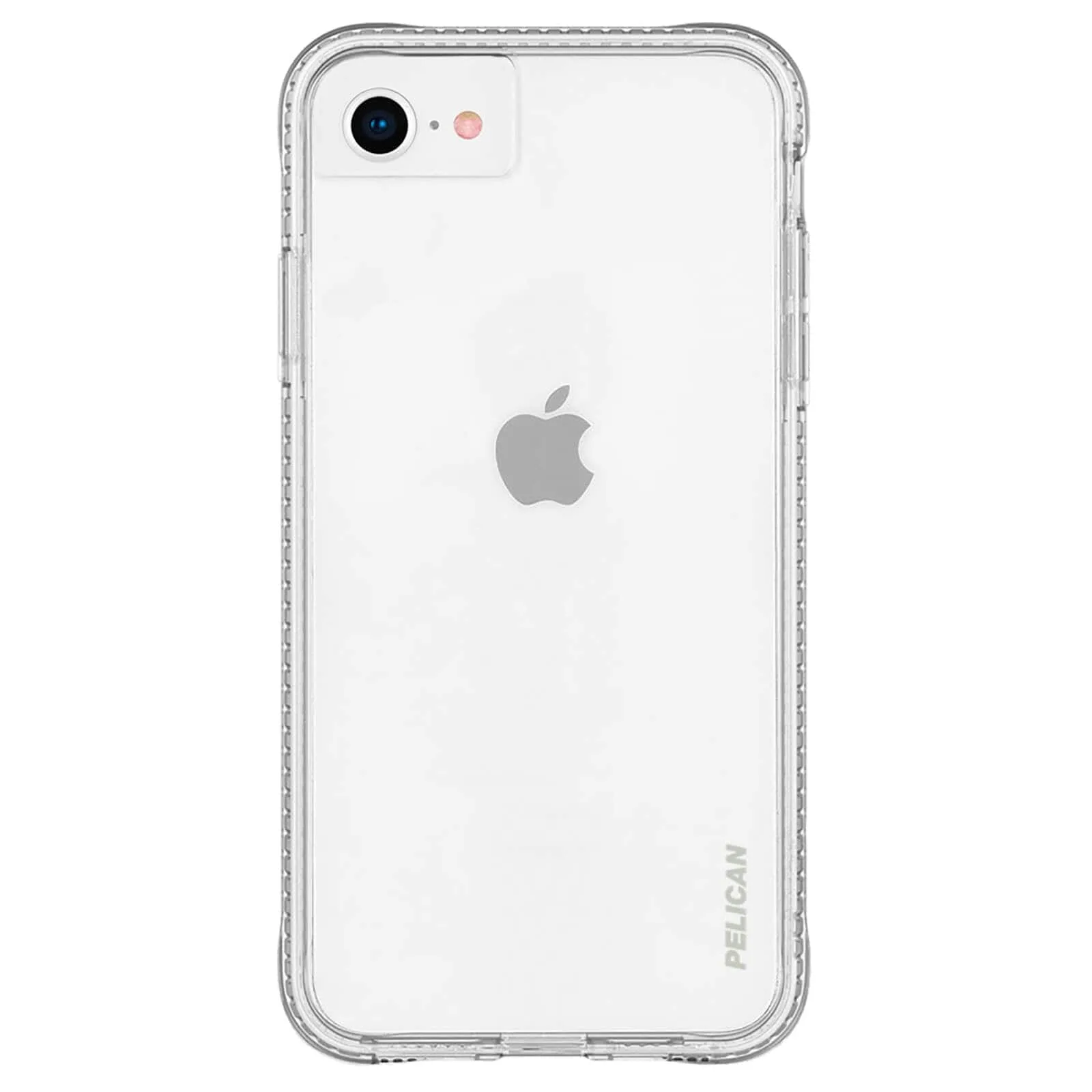
- Pelican Ranger (Clear) - iPhone SE 3: The minimalist design of this Pelican Ranger case for the iPhone SE gives you ultimate protection in a sleek profile. The reinforced back panel, cushioned corners and impact absorbing ridges provide maximum protection for your device. If you prefer a slim case that does not add bulk, this shows how a protective case can still stay low-profile—useful when you want your Apple Watch band to sit flush against your wrist.
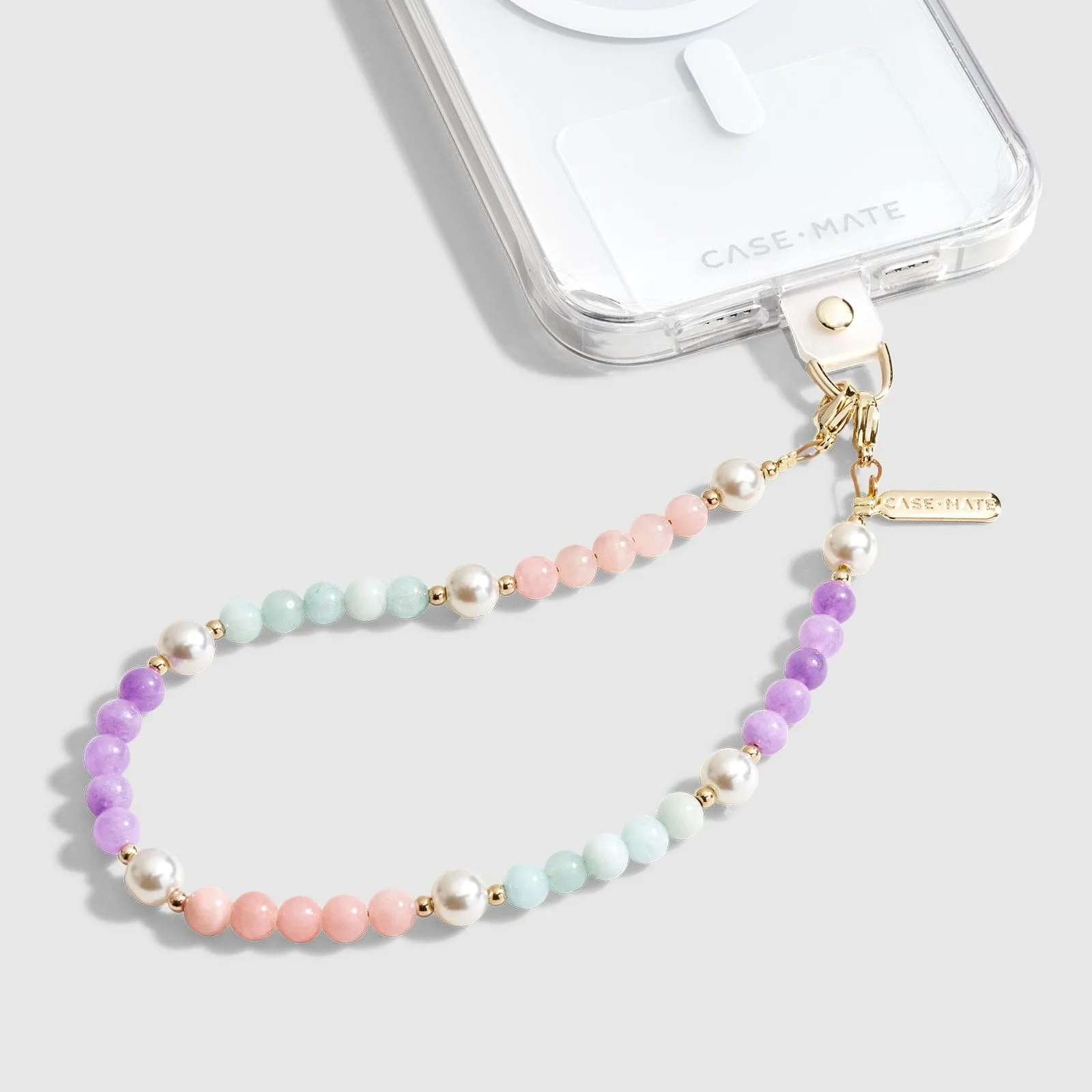
- Sugar Rush Phone Charm: The Phone Wristlet is more than just beads on a string— let it carry the weight of your phone so you can go hands-free for a night on the town or when out running errands! This Phone Wristlet is designed to fit with all phone cases and allows you to charge your phone without removing it. This is a phone accessory, not an Apple Watch band, but it shows how a well-designed strap can make carrying your devices easier. If you like hands-free convenience, look for the same quality in your watch band.
Who this guide is for
Best for
- First-time Apple Watch buyers who need to choose a band size.
- Anyone switching from a 38mm to a 45mm or 49mm case and unsure about band compatibility.
- People who want a comfortable band for workouts, sleep, or daily wear.
Not for
- Shoppers looking for a specific brand comparison of Apple Watch bands.
- Users who already know their exact band size and style preference.
Choosing the right Apple Watch band comes down to two numbers: your wrist measurement and your case size. Measure both, then pick a band style that matches how you use your watch. When in doubt, size for comfort and check compatibility before you buy.