Quick answer
Start by deciding whether you want clumping or non-clumping litter, then narrow down by material—wood pellets, clay, or plant-based—based on your cat's preferences, your odor control needs, and how you want to dispose of used litter.
Clumping vs. non-clumping: why it matters
Clumping litter forms solid lumps when wet, making daily scooping easy and keeping the rest of the box clean. Non-clumping litter absorbs moisture but stays loose, requiring full changes more often. Clumping is generally more convenient and controls odor better between full changes, but some cats prefer the texture of non-clumping or softer materials.
Material options and their trade-offs
Clay (bentonite) litters are affordable and clump tightly, but they are heavy and not flushable. Wood pellet litters are lightweight, biodegradable, and have natural odor control, but they don't clump the same way and may need more frequent scooping if your cat doesn't like the texture. Plant-based options like corn or wheat clump well and are flushable, but can be pricier and may attract mold in humid climates.
Odor control: what actually works
Odor control depends on the material and how often you clean. Clay and wood pellets both absorb moisture and trap smells, but wood pellets naturally break down ammonia odors. For strong odors, a clumping litter with added baking soda or activated charcoal can help. No litter eliminates odor if you skip daily scooping.
Disposal and environmental impact
Clay litters must go in the trash (never flush). Wood pellet litters are compostable or can go in the bio bin (check local rules). Plant-based clumping litters are often flushable, but only a few brands are safe for septic systems. If you're eco-conscious, wood pellets are the most biodegradable option.
Decision rules for choosing cat litter
- If you want easy daily scooping: Choose a clumping litter like World’s Best Original (corn-based) or a bentonite clay clumper like CVET. Scoop solids and clumps daily.
- If you want the most eco-friendly option: Pick a wood pellet litter such as Kittyfriend Wood Litter. Dispose of in compost or bio bin. Replace the whole tray weekly. Check local regulations for bio bin disposal.
- If you need budget-friendly basic litter: Go with a clay non-clumping or clumping litter like CVET Clumping Cat Litter Bentonite. It's affordable and effective but heavy and not flushable.
- If dust is a concern: Look for a dust-free option like Pettex Premium Grey Cat Litter, which is sieved for low dust. Ideal for cats with respiratory issues. Still scoop daily to keep dust levels low.
Product facts
-
World’s Best Cat Litter Original (2 sizes): World’s Best Original Unscented Corn Fine Granule Quick Clumping Cat Litter is made from natural corn and clumps tightly. If you want flushable, plant-based clumping litter with strong odor control, this is a top choice—but avoid it if your cat has corn allergies.
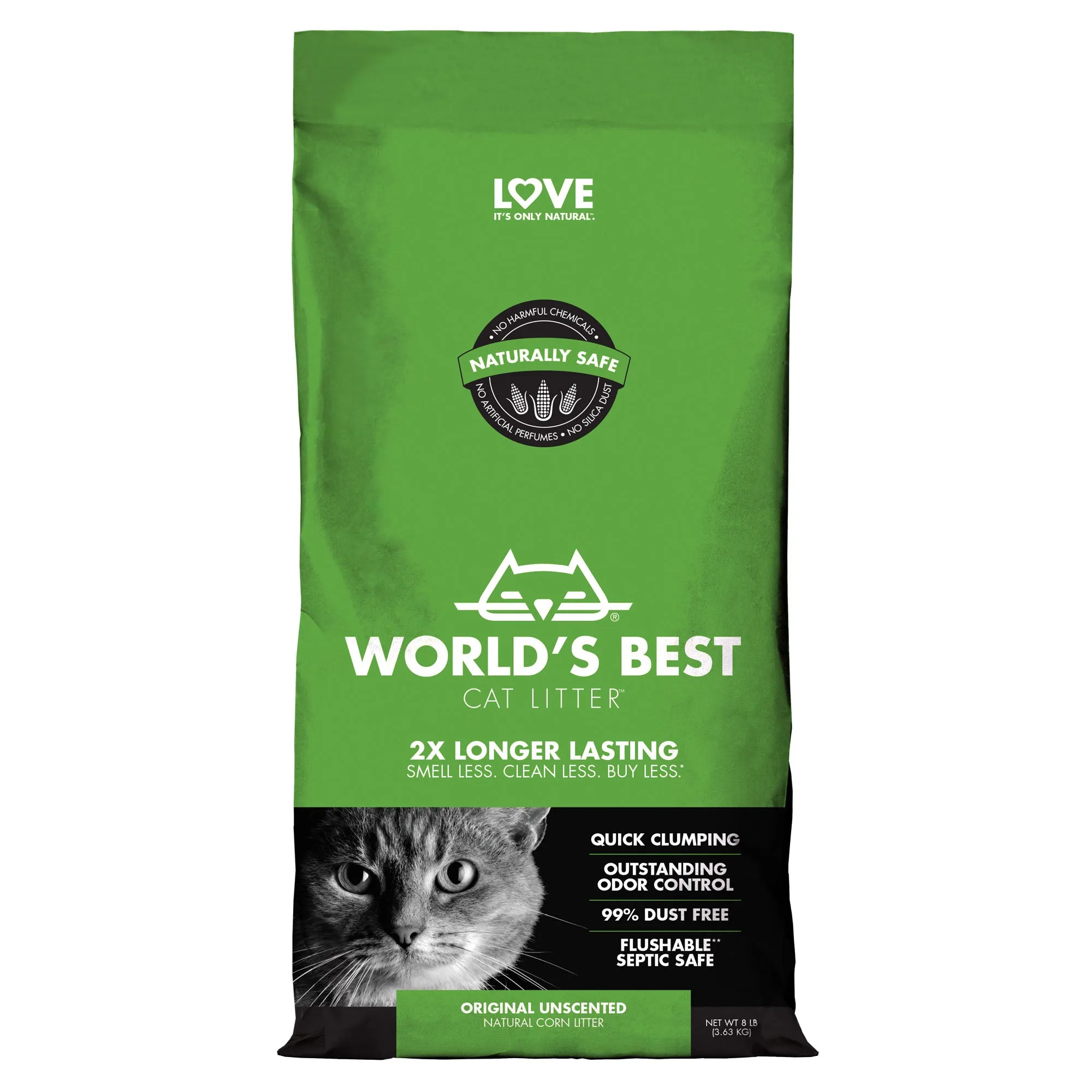
World’s Best Cat Litter Original (2 sizes)
-
Kittyfriend Wood Litter 10L: Kittyfriend Wood Litter 10L is 100% natural wood pellets with FSC certification and excellent absorbency. It's biodegradable and great for odor control, but it doesn't clump, so you'll need to scoop solids and replace the entire tray more often.
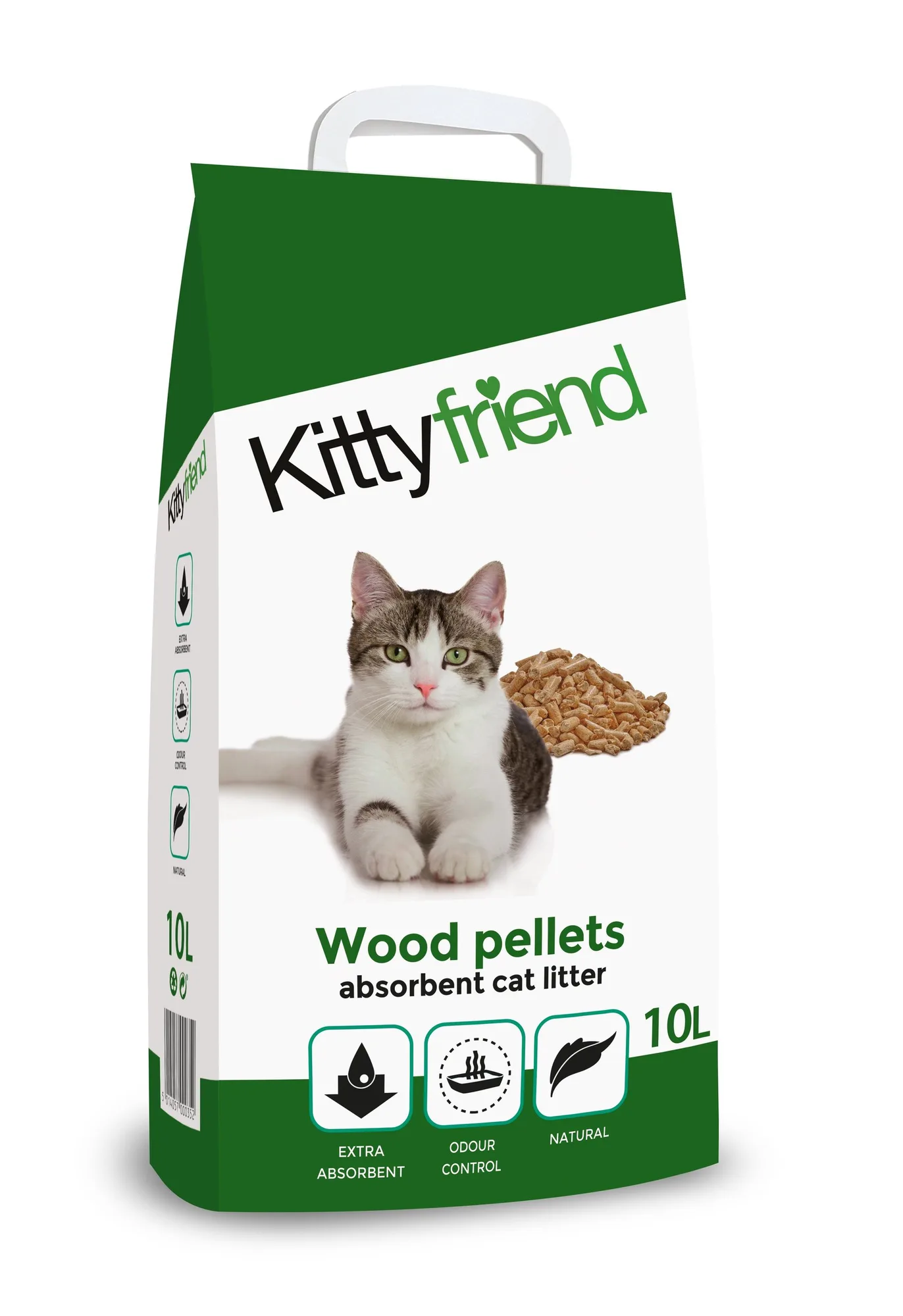
Kittyfriend Wood Litter 10L
Who should choose what
Best for
- Busy owners who want daily scooping with minimal effort: choose a clumping litter like World’s Best Original or CVET.
- Eco-conscious owners who want biodegradable litter: choose wood pellets like Kittyfriend Wood Litter.
Not for
- Cats with respiratory issues: avoid high-dust clay litters; choose a dust-free option like Pettex Premium.
- Owners who want flushable litter: avoid clay litters (CVET, Pettex); choose World’s Best Original (corn-based) instead.