Quick answer
Match the file profile to the shape of the cut, not the material. Flat files for straight edges and flats, round files for holes and curved slots, triangle files for inside corners and tight angles. Buy one shape that fits the cut you make most often, then add the next shape only when a job demands it.
Needle files are small, but the shape of the file is the whole decision. A flat file cannot clean an inside corner, and a round file cannot flatten a shoulder. Choosing needle files by shape first saves you from buying a set you only half use.
This guide walks through the common needle file shapes, what each one actually cuts, and how to decide when one profile is enough. It also covers handle and blade choices you may already own, so you can start filing without buying a new kit.
Start with the cut, not the file
Before you look at a file shape guide, describe the cut in one sentence. Is it a straight edge, a round hole, a corner, or a curved slot? The answer points to one profile. Straight edges and flat surfaces need a flat file. Holes, slots, and inside curves need a round file. Inside corners and angles under 90 degrees need a triangle file.
This order matters because material is a secondary choice. A flat file in the wrong cut will scratch the surface you want to protect, and a round file in a flat cut will leave a groove. Pick the profile first, then match the file to the material and the finish you need.
- Write down the cut shape before you shop: flat, round, corner, or curved slot.
- If a job has two shapes, buy the file for the shape you cut most often and use a second tool for the rest.
Flat, round, and triangle files: what each shape does
A flat needle file has a rectangular profile with cutting faces on the flat sides. Use it for straight edges, slots with square bottoms, and flattening small surfaces. It is the shape most people reach for first, and it is the right one when the cut has a flat wall.
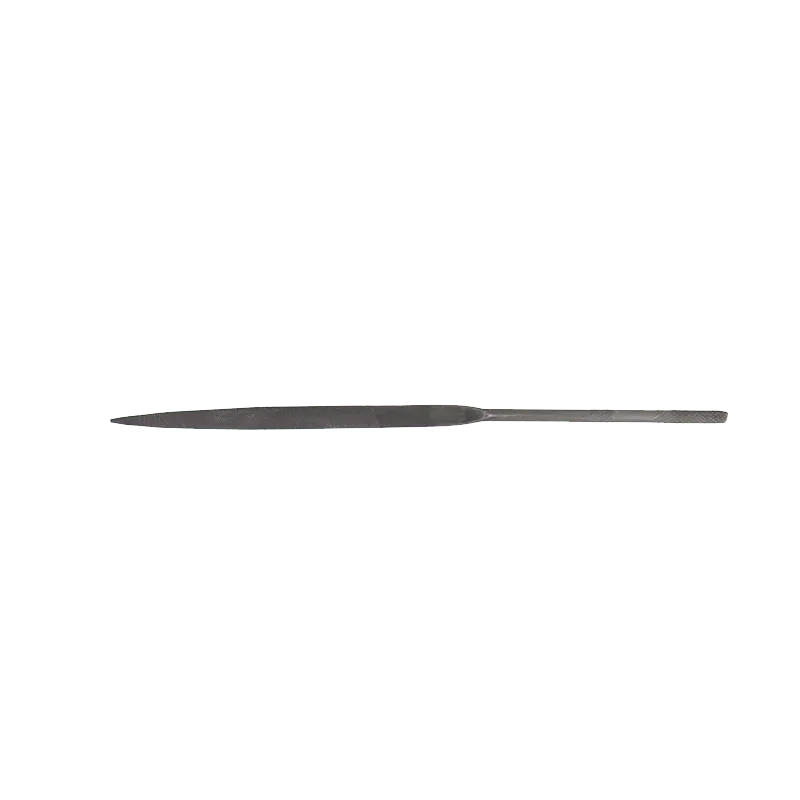
flat needle file
A round needle file, sometimes called a rat-tail profile, cuts circular holes, curved slots, and inside radii. It is the only shape that reaches the bottom of a round hole without changing the hole's shape. A triangle file has three cutting faces and is built for inside corners, dovetails, and angles that a flat file cannot reach.
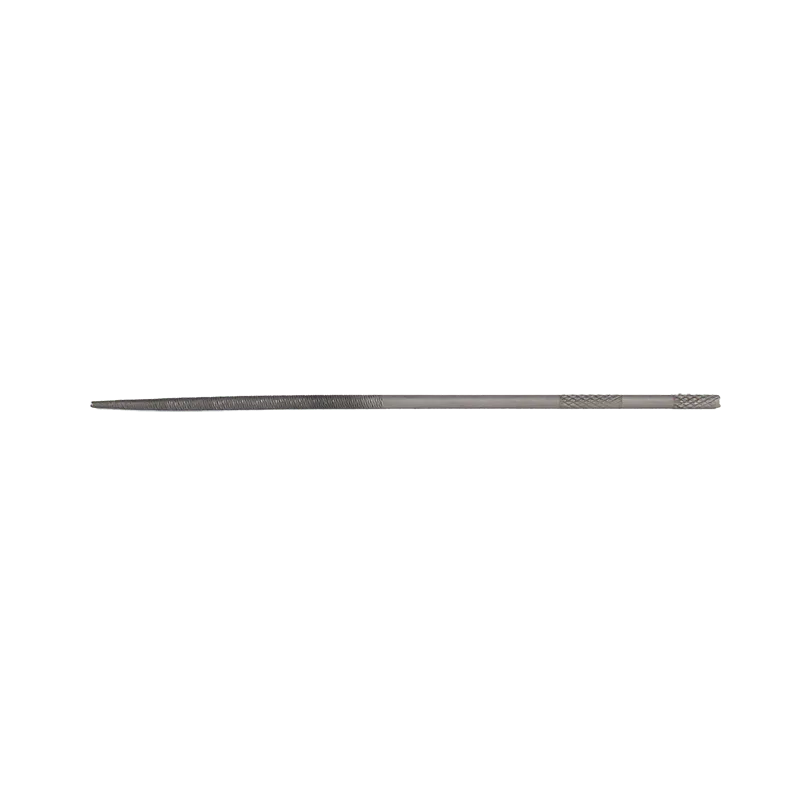
round needle file
None of these shapes replaces the others. A flat file will not clean a corner, and a triangle file will not flatten a shoulder. If you only buy one, buy the shape that matches the cut you make most often.
- Flat: straight edges, square slots, small flat surfaces.
- Round: holes, curved slots, inside radii.
- Triangle: inside corners, angles, dovetail-style cuts.
Choosing needle files by size, cut, and handle
Once the shape is right, size and cut decide how the file behaves. A shorter file is easier to control on small parts, while a longer file gives you more stroke on longer edges. Cut refers to how aggressively the teeth remove material: a coarse cut moves faster and leaves a rougher surface, while a fine cut removes less and leaves a smoother finish.
Handle choice is a comfort decision, not a cutting one. A bare file shank works for light touch-up, but a handle gives you more control when you apply pressure. If you already own a craft knife handle, check whether your blades and files share a compatible system before buying a separate handle.
- Match file length to the length of the cut, not the size of your hand.
- Use a coarse cut to shape and a fine cut to finish when the surface matters.
- If you own a compatible handle, buy files that fit it instead of a new set.
When a craft knife blade does the job instead
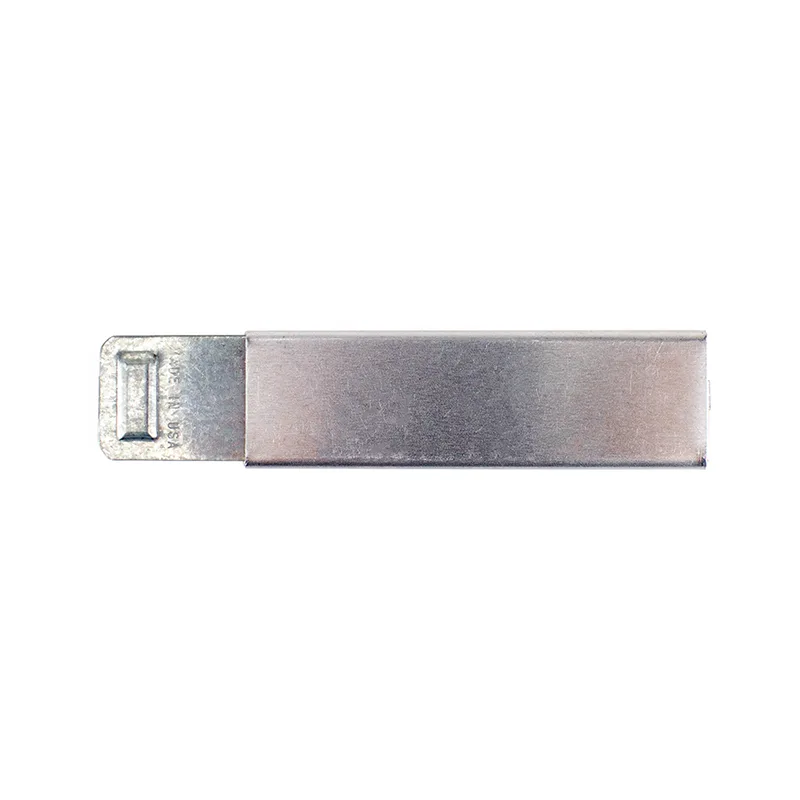
Not every shaping task needs a file. A sharp blade removes material in a controlled line, which is often faster than filing a flat edge. The Excel Blades K12 All Purpose Tap Knife with 5 Extra Blades is equipped with #9 blades and is described for cutting cardboard, trimming vinyl, and crafting with foam boards and polymer clay, so it handles the cutting stage before you file.
Use a file after the knife, not instead of it. Cut close to the line with the knife, then use the right needle file shape to bring the edge to final size. This two-step approach keeps the file from doing the heavy removal and preserves the file's teeth for the finish work.
- Cut first, file second when the shape is mostly straight.
- Keep a dedicated knife for cutting so your files stay clean.
Blades and files: keeping the edge you just made
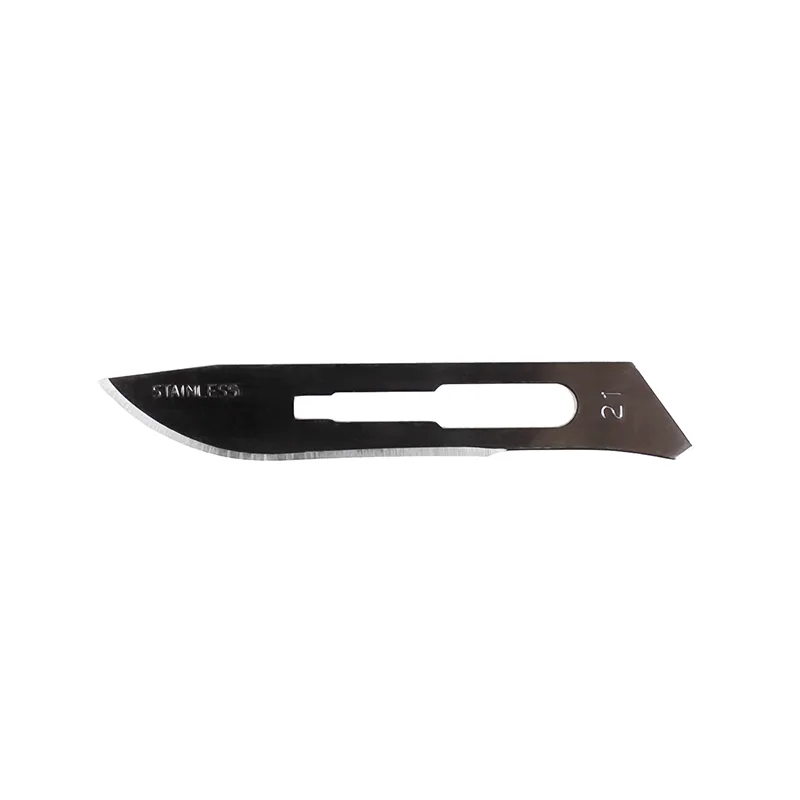
A file shapes an edge, and a blade maintains it. The #21 Surgical Scalpel Blade is made from stainless steel and has a curved cutting edge with a flat unsharpened back edge. The catalog lists it for paper, card-stock, stencils, film, photographs, tape, plastic, cork, wood, vinyl, cloth, leather, cardboard, foam boards, and most other light-weight crafting, and for model making, paper cutting, and similar tasks.
That range matters when you are choosing needle files because the same materials show up in both jobs. If you cut foam board with a blade, use a flat file to true the edge. If you cut a round hole in plastic, use a round file to size it. The blade and the file shape work as a pair.
- Replace a dull blade before filing so the cut line stays accurate.
- Keep blades and files in separate storage to protect the teeth.
Decision rules for choosing needle file shapes
- Rule 1: Match the profile to the cut: Flat for straight edges and flats, round for holes and curved slots, triangle for inside corners and tight angles. Do not substitute one shape for another on a visible surface. If the cut has a corner, a flat file is the wrong tool.
- Rule 2: Buy one shape first: Choose the shape that matches the cut you make most often. Add a second shape only when a real job needs it, not because a set looks complete. One correct file beats a set of five you rarely touch.
- Rule 3: Size and cut come after shape: Match file length to the length of the cut, and choose a coarse cut for shaping and a fine cut for finishing. Handle choice is about control and comfort. If the shape is wrong, no size or cut will fix the result.
- Rule 4: Cut with a blade, finish with a file: Use a craft knife to remove the bulk of the material, then use the correct needle file shape to bring the edge to final size. This keeps the file cutting cleanly. Dull blades and worn files both ruin a good edge.
Catalog facts that affect your choice
- K12 All Purpose Tap Knife with 5 Extra Blades: Equipped with #9 blades and described for cutting cardboard, trimming vinyl, and crafting with foam boards and polymer clay. Use it to cut close to the line before you file, so the needle file only has to finish the edge.
- #21 Surgical Scalpel Blade: Made from stainless steel with a curved cutting edge and a flat unsharpened back edge, listed for paper, card-stock, film, plastic, wood, vinyl, cloth, leather, cardboard, foam boards, and similar light-weight crafting. The flat back edge lets you cut against a straightedge, which keeps the cut line square before a flat file squares the shoulder.
Who should buy which needle file shape
Best for
- Model makers and hobbyists who clean inside corners and small angles
- Crafters who cut foam board, plastic, or wood and need to true edges and holes
- Anyone who already owns a compatible handle and wants to add one correct file shape
Not for
- Buyers who need a single tool for large flat surfaces; a full-size file or plane is the better choice
- Users who only cut straight lines with a knife and never shape the edge afterward
- Anyone expecting one file shape to handle flat, round, and corner cuts equally well
Pick the needle file shape that matches the cut in front of you: flat for edges, round for holes, triangle for corners. Buy that one shape first, cut close with a sharp blade, and add another profile only when a real job asks for it.