Quick answer
For most piecing and everyday machine quilting, choose a 50 weight cotton thread — it is strong, low-lint, and blends into seams. Use 40 weight cotton or polyester when you want visible quilting texture, and 60 weight or finer when you need thread to disappear. Match color to the fabric you want to emphasize, not to the thread cone.
Start with thread weight, not brand
Thread weight is the fastest way to narrow your choices. In the US numbering system, a higher number means a finer thread. A 50 weight cotton thread quilting standard works for piecing because it adds little bulk in seams and still holds up to machine tension. A 40 weight thread is thicker, so it shows more on the quilt surface — useful when the quilting line is part of the design. A 60 weight or 100 weight thread is fine enough to sink into the fabric, which is why it is often used for stitch-in-the-ditch or when you want the piecing to disappear.
If you are unsure, buy one spool of 50 weight cotton and test it on a small quilt sandwich. Adjust tension and needle size before committing to a whole project.
Fiber choice: cotton vs polyester quilting thread
Cotton thread is the traditional choice for quilting because it has a matte finish, grips the fabric, and ages like the quilt itself. It is also heat-tolerant, so it handles an iron well. The trade-off is that cotton has less stretch than polyester, so it can snap if your machine tension is too tight or your needle is dull.
Polyester thread is stronger and more elastic. It works well for quilting that will get heavy use, like kids' quilts or utility quilts, and it resists fading. The trade-off is that polyester can be shiny and may outlast the cotton fabric over decades. For most quilts, a cotton-wrapped polyester thread offers a middle ground: the strength of polyester with the look of cotton. Whichever you choose, keep the same fiber in the bobbin as in the needle to avoid tension surprises.
Thread color matching: blend, contrast, or accent
Thread color does two jobs: it can hide stitches or make them a design feature. To blend, match the thread to the dominant color in the fabric — not to the background. If the quilt is busy, a medium-value neutral like gray or taupe often disappears better than a perfect match. To contrast, pick a thread that is several shades lighter or darker than the fabric so the quilting pattern reads clearly. To accent, choose a color already present in the print, such as a bright pink or teal, and use it for a repeated motif.
Test color under the same lighting you will use when quilting. A thread that looks neutral in daylight can turn warm under a sewing lamp.
Match thread to the fabric you are actually sewing
Thread weight and fiber should follow the fabric. Quilting-weight cotton, like the prints from Tula Pink and Lori Holt, is a medium-weight woven that pairs well with 50 weight cotton for piecing and 40 weight cotton for quilting. If you are working with flannel or denim, move up to a 40 weight or 30 weight thread so the stitches do not pull through the weave. For delicate or loosely woven fabrics, drop to a 60 weight thread and a smaller needle.
The fabric collection does not change the thread rules, but it does change the color decision. A playful print with strong motifs, such as a pom pom or dinosaur egg design, can carry a contrasting thread. A low-volume blender usually looks best with a matching or slightly darker thread.
Needle and tension checks before you buy
Thread weight and needle size must agree. A 50 weight cotton typically uses a 80/12 or 90/14 universal or quilting needle. A 40 weight thread needs a 90/14 or 100/16 topstitch needle so the thread sits in the groove instead of fraying. A 60 weight thread can use a 70/10 or 80/12 needle. If you skip this step, even the best thread for quilting will shred or skip stitches.
Set your bobbin tension first, then adjust the top tension. The goal is a balanced stitch with no thread showing on the opposite side. If you see loops underneath, the top tension is too loose; if the thread pulls the fabric, it is too tight.
Thread decision rules
- Piecing seams: Use 50 weight cotton in a color that matches the darker of the two fabrics being joined. If seams look bulky, switch to 60 weight cotton.
- Everyday machine quilting: Use 40 weight cotton or cotton-wrapped polyester when you want the quilting pattern to show. If you want the quilting to disappear, use 50 or 60 weight cotton.
- Heavy-use quilts: Choose polyester or cotton-wrapped polyester for strength and stretch. Keep the same fiber in the bobbin to avoid tension problems.
- Decorative or accent stitching: Use 30 or 12 weight thread with a topstitch needle and a contrasting color. Test on a scrap first; heavier thread needs a larger needle.
- Color matching: Match the thread to the fabric value, not the exact hue. For busy prints, a medium neutral often blends better than a perfect match. When in doubt, choose one shade darker than the fabric.
Fabric facts that affect thread choice
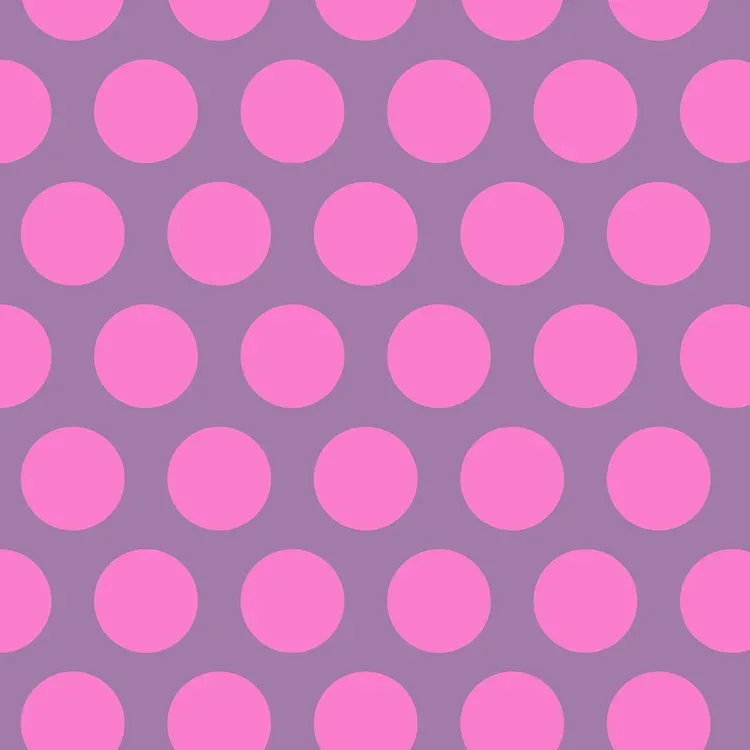
- Tula Pink Neon True Colors Pom Pom - Karma 1/2 yd: Tula Pink Neon True Colors Pom Pom in Karma is a 100% quilting-weight cotton, 44/45 inches wide, sold by the 1/2 yard. Quilting-weight cotton is the standard substrate for 50 weight cotton piecing thread. The playful pom pom print gives you permission to use a contrasting thread color if you want the quilting to show.
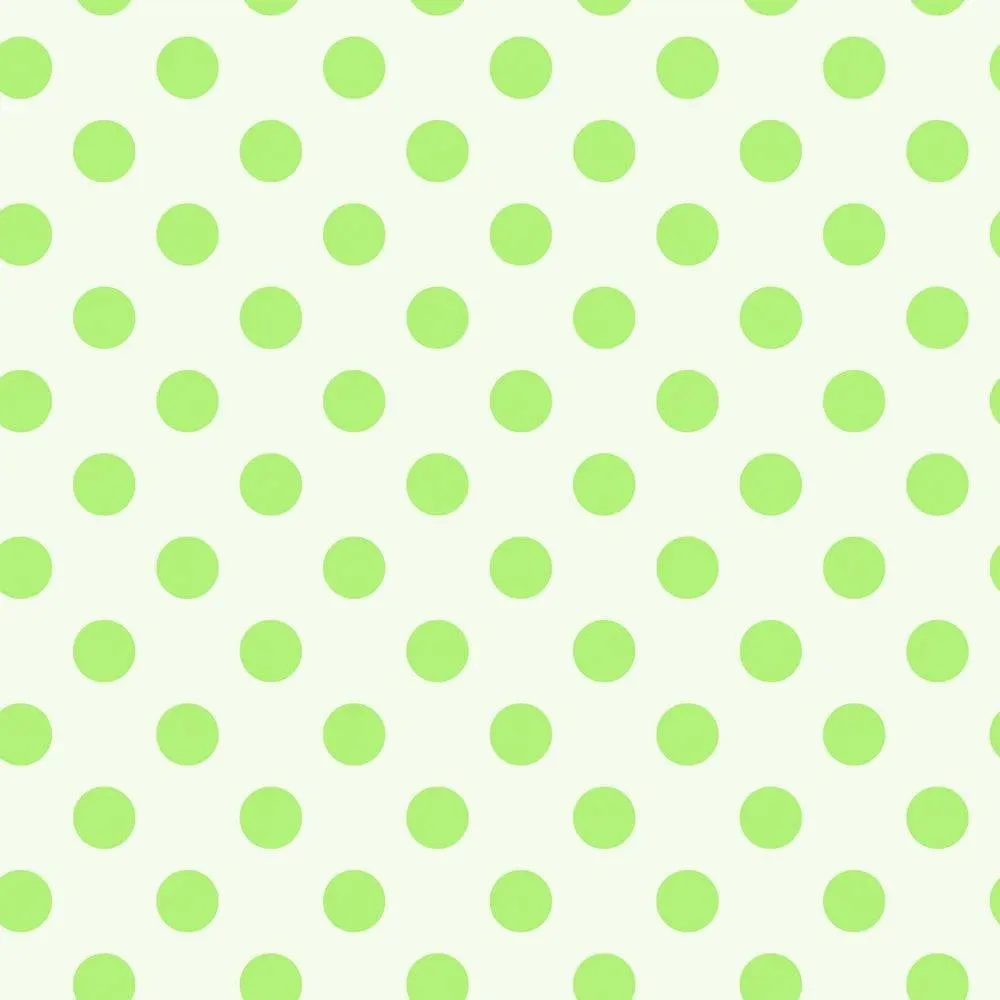
- Tula Pink Neon True Colors Pom Pom - Aura 1/2 yd: Tula Pink Neon True Colors Pom Pom in Aura is a 100% quilting-weight cotton, 44/45 inches wide, sold by the 1/2 yard. The Aura colorway is a luminous, light print. A light or neutral 50 weight cotton thread will blend, while a darker thread will create a visible quilting design.
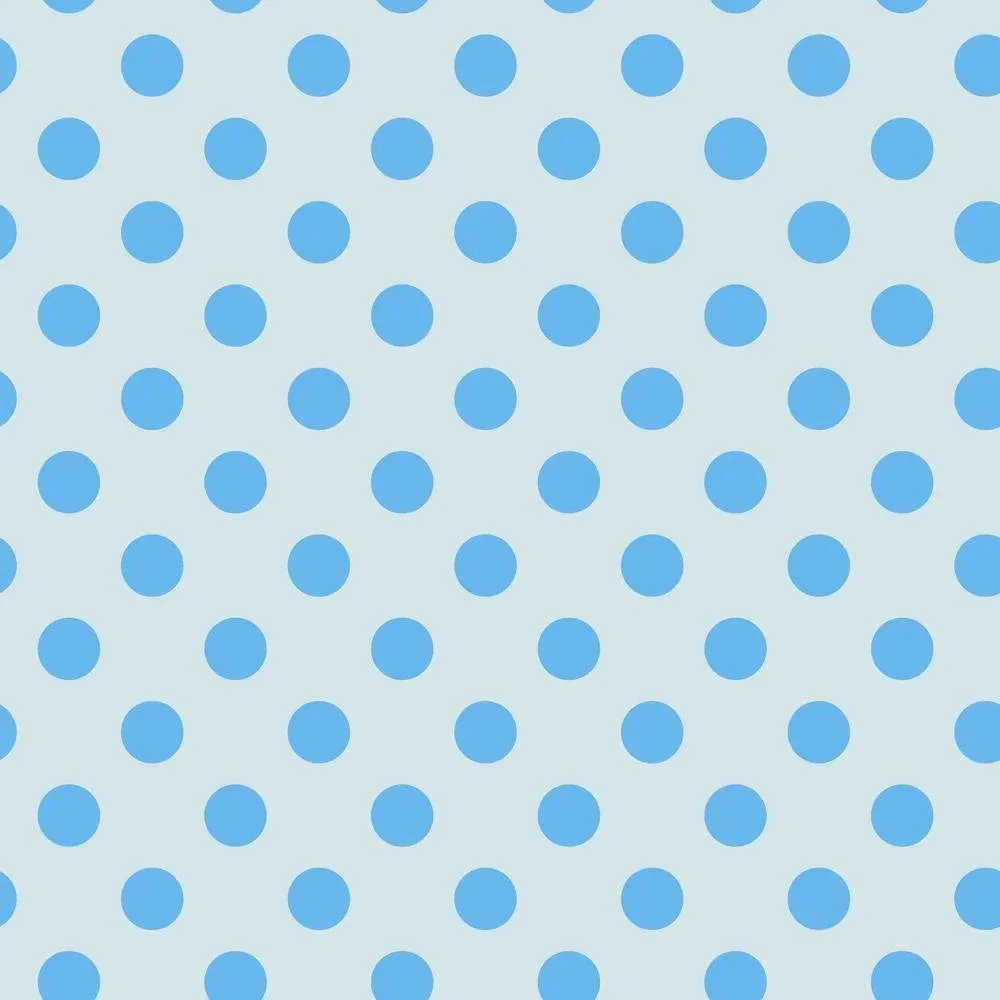
- Tula Pink ROAR! Dinosaur Eggs - Mist 1/2 yd: Tula Pink ROAR! Dinosaur Eggs in Mist is a 100% quilting-weight cotton, 44/45 inches wide, sold by the 1/2 yard. The Mist colorway is soft and cool. A gray or pale blue 50 weight cotton thread will disappear into the print, which is useful for piecing without distracting from the dinosaur egg motifs.
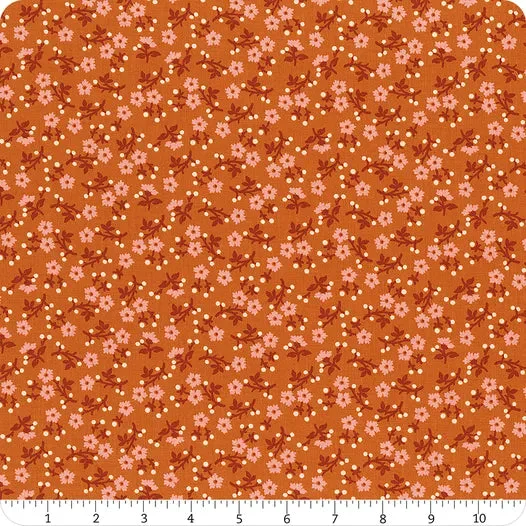
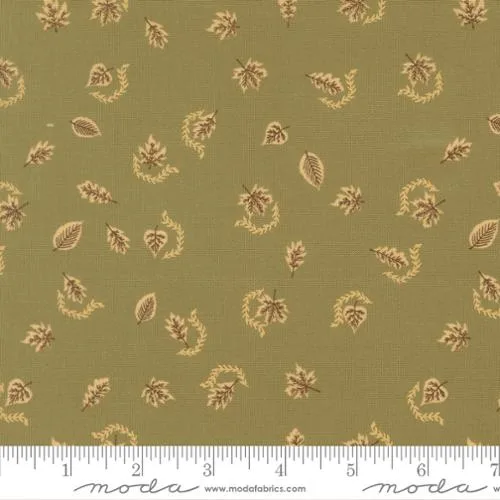
- Baked with Love 1/2 Yard – Grateful Amber: Baked with Love by Lori Holt for Riley Blake Designs in Grateful Amber is a 100% quilting-weight cotton, sold by the 1/2 yard, cut 18 x 44 inches. Warm amber tones pair well with a slightly darker cream or tan 50 weight cotton thread for a blended look, or with a deep brown 40 weight thread for visible quilting texture.
Who this thread advice is for
Best for
- Quilters piecing and quilting with 100% quilting-weight cotton
- Sewists who want one thread weight that handles most projects
- Makers choosing thread for a specific fabric print or colorway
Not for
- Sewists working with heavy upholstery or leather, who need 30 weight or heavier thread
- Projects requiring invisible monofilament thread, which follows different tension rules
- Hand quilters who prefer glazed or waxed hand-quilting thread