Quick answer
Place home fragrance where air naturally moves and people pause: entryway consoles, bathroom counters away from direct spray, and bedroom nightstands. Keep candles and diffusers out of foot traffic, and match the format to the room size so scent stays noticeable without becoming heavy.
Match the format to the room before you place it
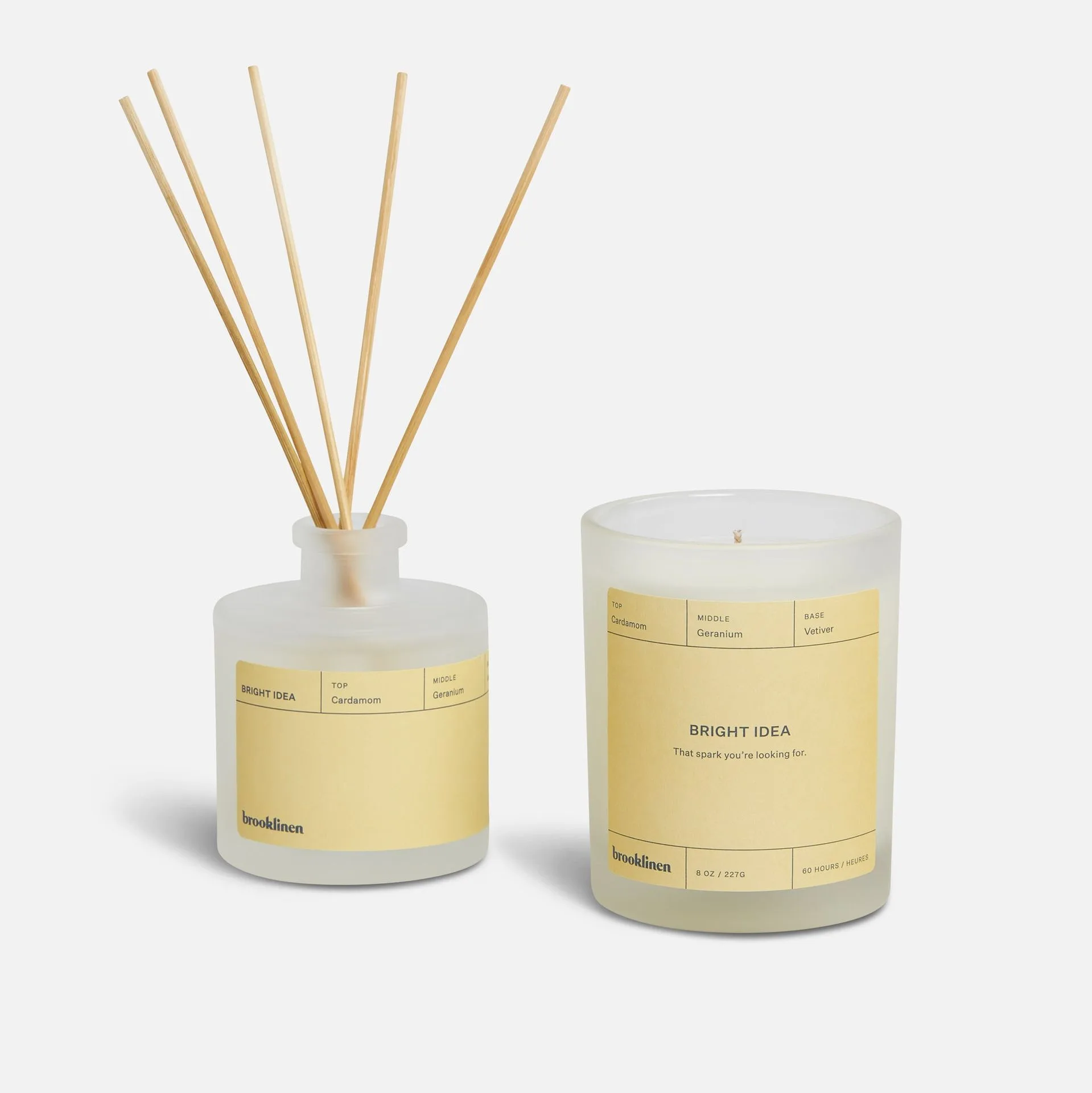
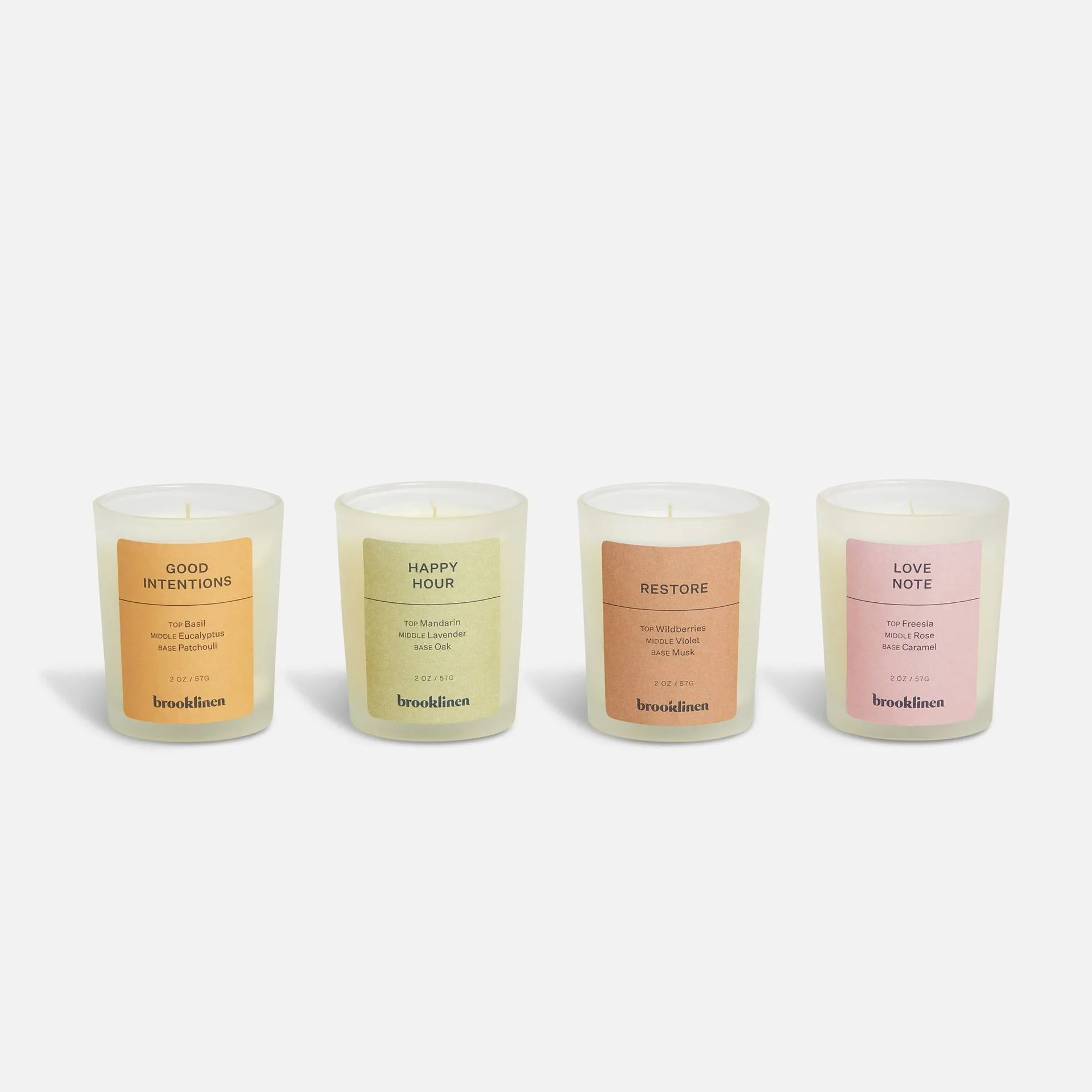
The right spot depends on the format. Candles need a heat-safe surface and at least a foot of clearance from curtains or shelves. Reed diffusers work passively and suit spots with steady, gentle airflow, like a hallway console or open shelving. Room sprays are best for quick resets in bathrooms, mudrooms, and kitchens, where you can spritz and leave. In small rooms, one passive format is usually enough; in open-plan spaces, use two lighter sources at opposite ends instead of one strong source in the middle.
Entryway and hallway placement
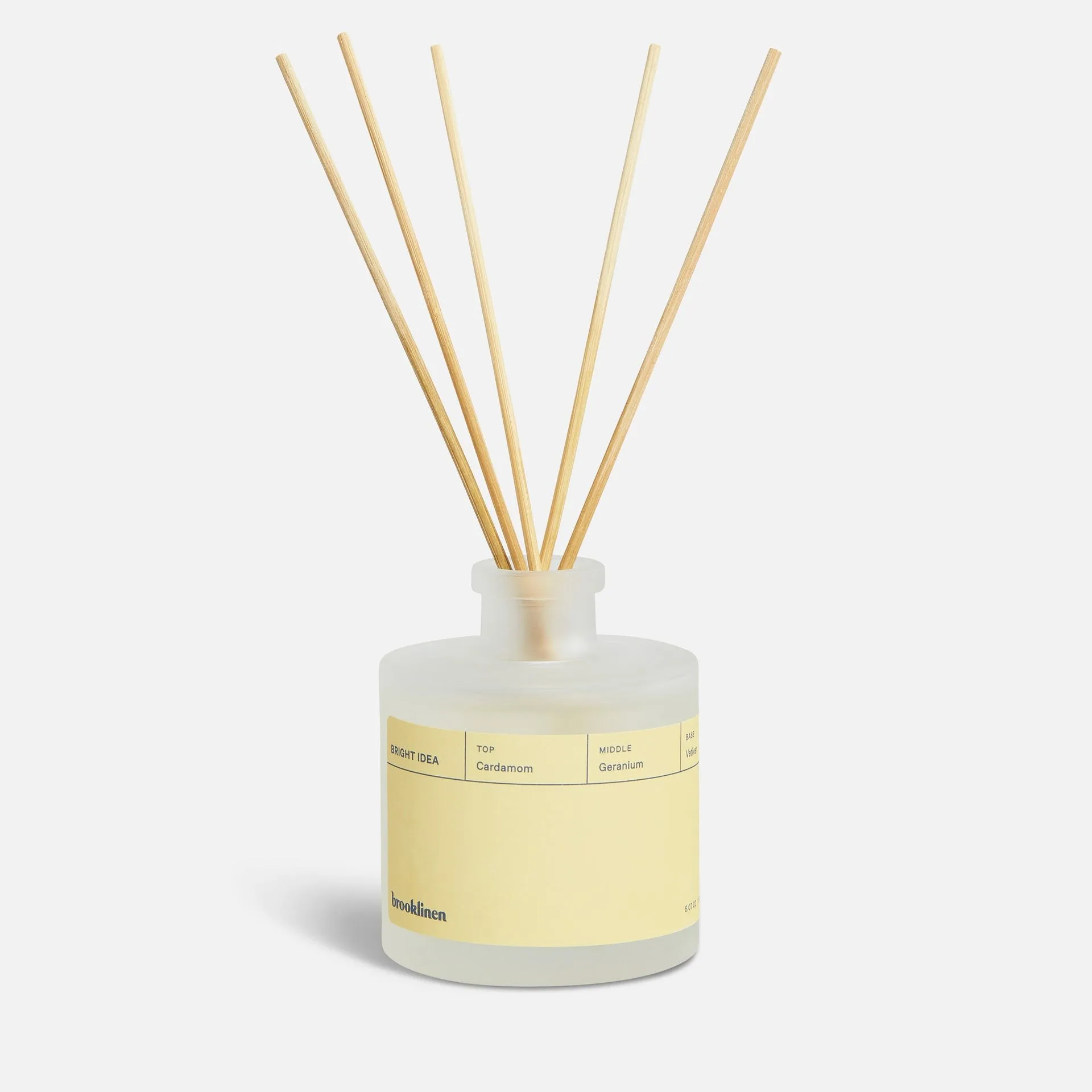
The entryway sets the tone, but it is also the draftiest part of many homes. A reed diffuser on a console table works well here because it releases scent gradually as people pass. Keep it at least a few inches from the wall so the reeds are not pressed flat, and flip the reeds once a week to refresh the throw. If you prefer a candle, choose a spot where bags and coats will not brush past the flame.
Living room placement for even scent
In living rooms, avoid placing fragrance directly beside the sofa where you sit for hours; close-range scent quickly becomes background noise. Instead, set a candle on a side table or shelf at the edge of the seating area, and keep a diffuser on the opposite side of the room. If the room is large, run the candle for 30 to 60 minutes rather than all evening, and let the diffuser carry the scent the rest of the time. This keeps the air from feeling thick.
Kitchen and dining area placement
Kitchens are the hardest room for fragrance because cooking odors compete with it. Skip candles near the stove, where grease and drafts interfere. Instead, place a diffuser on a counter far from the cooking zone, or use a room spray after meals once the air has cleared. In dining areas, keep scent low and away from the table so it does not mix with food aromas. A light scent on a sideboard or windowsill is usually enough.
Bathroom placement that actually lasts
Bathrooms are small and often damp, so placement matters more than strength. Put a reed diffuser on a shelf or counter away from the shower spray, where humidity will not water down the reeds. For quick freshening, keep a room spray in a cabinet and use it after the room has aired out, not during a steamy shower. If you use a candle, set it on a stable, heat-safe tray and never leave it burning unattended.
Bedroom placement for calm, not clutter
In bedrooms, place fragrance where you will notice it before sleep but not while you are in bed. A diffuser on a dresser or a candle on a nightstand you do not use for reading works well. Avoid placing scent directly beside your pillow; prolonged close exposure can make it feel stale by morning. If you want a subtle bedtime cue, run a candle for 20 minutes before you get into bed, then extinguish it.
Step-by-step home fragrance placement
- Start with the room's airflow: Stand in the doorway and notice where air moves: from a window, vent, or doorway. Place your first fragrance source just outside that direct path so scent disperses instead of blowing straight past you. Checkpoint: if you can smell it only when standing right next to it, move it a few feet into the room.
- Choose one anchor spot per room: Pick a single surface at eye level or slightly below, such as a console, shelf, or nightstand. Put your main fragrance there before adding anything else. Common mistake: placing two strong sources in a small room, which makes the scent feel heavy rather than layered.
- Keep heat and flame away from traffic: For candles, choose a heat-safe tray at least a foot from curtains, paper, and walkways. For diffusers, keep bottles where they will not be knocked over. Checkpoint: if you have to step around it, it is in the wrong spot.
- Position diffusers for passive throw: Set reed diffusers in gentle airflow, not directly under a vent or in a sealed corner. Flip the reeds weekly to keep the scent moving. Common mistake: tucking a diffuser behind a door or in a closed cabinet, where it cannot circulate.
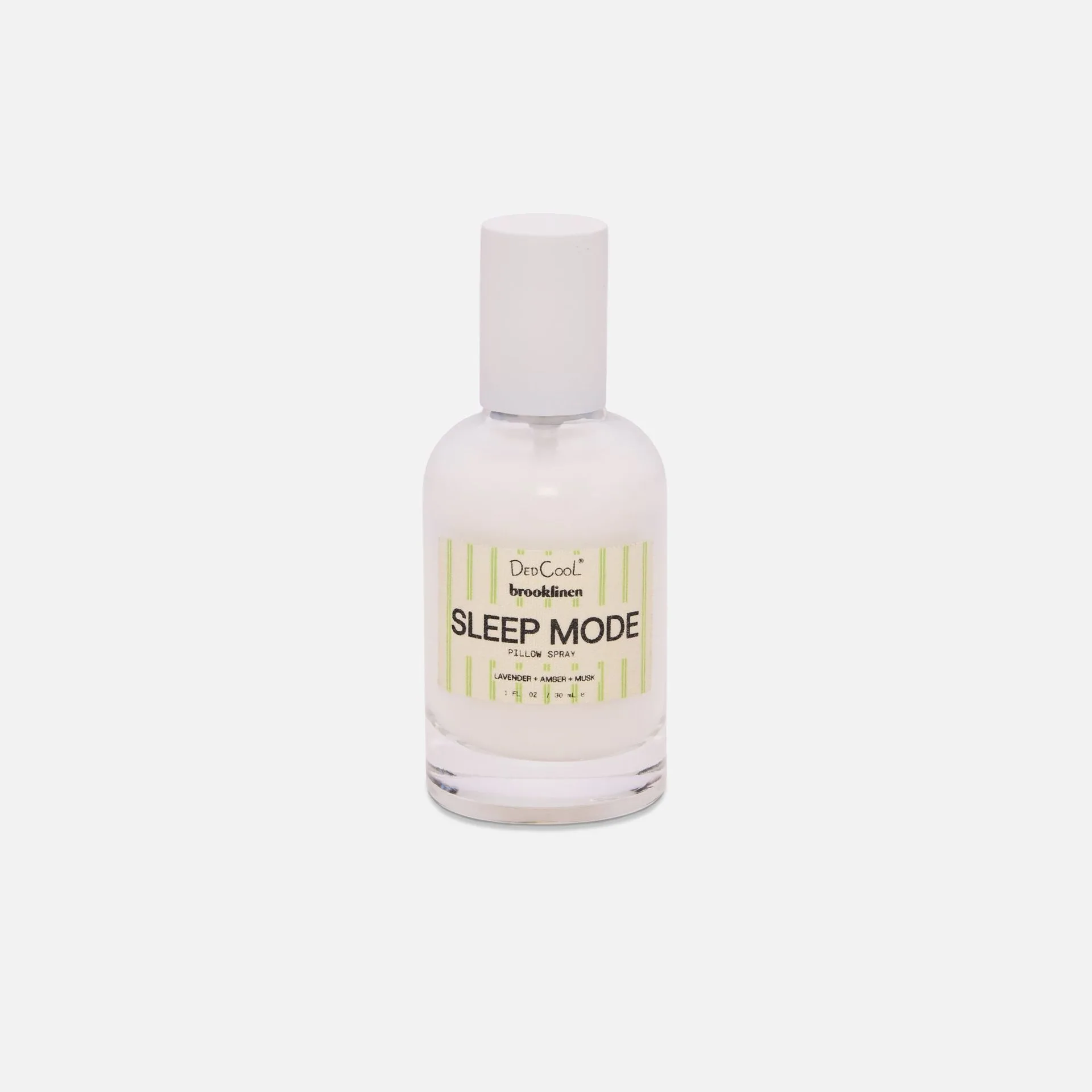
- Use sprays as a finish, not a base: Spritz room spray into the air after the room is tidy and aired out, aiming upward so it settles evenly. Do not spray directly onto fabrics or into a lit candle. Checkpoint: one or two sprays per average room; more can leave a wet, heavy feeling.
- Reset and rotate weekly: Trim candle wicks, flip reeds, and move a diffuser to a new spot if a room starts to smell flat. Rotating placement keeps your nose from tuning out a familiar scent. Next step: if a room still feels scentless, add a second lighter source at the opposite end rather than doubling the strength in one place.
Product facts to keep in mind
- Cotton Velvet Lumbar Pillow Cover: https://brooklinenstore.com/products/cotton-velvet-lumbar-pillow-cover-47600Cotton Velvet Lumbar Pillow Cover is made from 100% cotton that is fabric-dyed and garment-washed, with a visible silver zipper closure. Feather insert sold separately. A washable, garment-washed cover is a practical accent for a bedroom or living room where you also place fragrance; the removable cover makes it easier to refresh the room without worrying about the pillow.
- The Complete Clean Bundle: The Complete Clean Bundle includes three laundry sets with hypoallergenic formulas and no petroleum, artificial dyes, parabens, phthalates, or phosphates. If you use room sprays or candles near fabrics, keeping your laundry routine free of harsh additives helps avoid clashing scents and keeps bedding and throws feeling fresh between washes.