Quick Answer
To plan a dining room lighting layout with multiple pendants, start by measuring your table and room, then decide on the number of pendants based on table length. Space them evenly, typically 24 to 30 inches apart, and hang them 30 to 36 inches above the tabletop. Choose a layout that complements your table shape and room proportions, and always test the arrangement before finalizing.
Multiple pendant lights can transform a dining room from simply functional to visually striking. They provide focused task lighting for meals and create a warm, inviting ambiance. But getting the layout right requires careful planning to avoid a cluttered or uneven look.
This guide walks you through the key steps—from measuring your space to choosing the right number and spacing of pendants. Whether you're updating an existing dining area or designing from scratch, these practical tips will help you achieve a balanced, modern lighting arrangement.
Measure Your Dining Table and Room
Start by measuring the length and width of your dining table. This is your primary reference for determining how many pendants you need and where to place them. Also measure the ceiling height and the distance from the table to the nearest walls or furniture, as these affect the visual balance and practical clearance.
A common rule of thumb is to allow at least 6 inches of table space on each end of the pendant cluster. For example, a 72-inch table could comfortably accommodate three pendants spaced 24 inches apart, leaving 12 inches at each end. If your table is longer, you might opt for four pendants; if shorter, two may be sufficient.
- Use painter's tape on the ceiling to mark proposed pendant positions before drilling or installing.
Choose the Right Number of Pendants
The number of pendants should relate directly to the table length and the visual weight of the fixtures. For a linear table, two to four pendants are common. A good starting point is to divide the table length by the desired spacing (24-30 inches) and add one. For a round table, a single statement pendant or a cluster of three smaller pendants can work well.
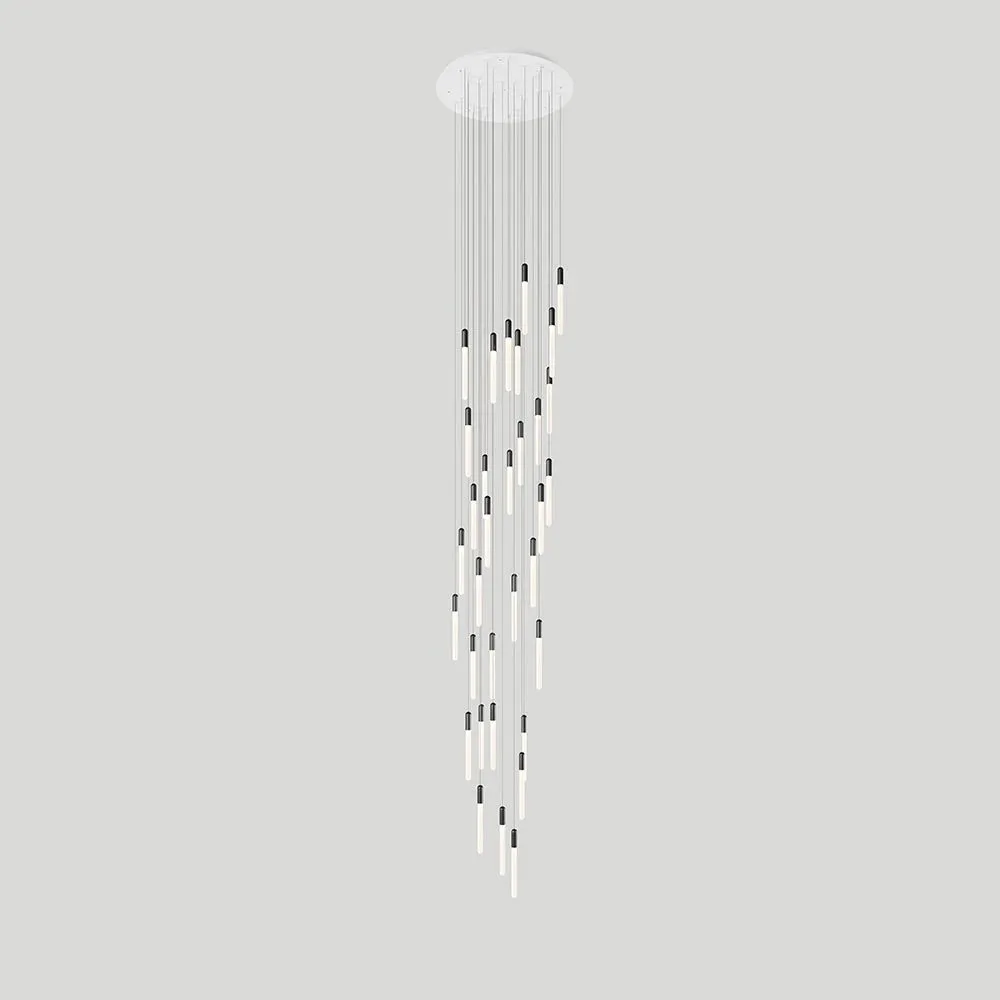
Consider the size and style of the pendants. Larger, more sculptural fixtures like the Dawn 14 Vertical chandelier can stand alone, while smaller pendants like the Cascadia C3 Round are better suited for grouping. The goal is to create a cohesive arrangement that doesn't overcrowd the table or the room.
- For a 60-inch table, two pendants spaced 24 inches apart leave 18 inches at each end—a comfortable proportion.
Determine Pendant Spacing
Spacing is critical for both function and aesthetics. As a rule, keep pendants 24 to 30 inches apart, measured from the center of each fixture. This spacing prevents the lights from overlapping too much while still providing even illumination across the table.
Also consider the width of the pendants. If your fixtures are wider, you may need to increase the spacing to avoid a cluttered look. Use the table length and the number of pendants to calculate the exact spacing: subtract the total width of the pendants from the table length, then divide by the number of gaps (one more than the number of pendants).
- For a 96-inch table with three 12-inch-wide pendants, the ideal center-to-center spacing is about 30 inches.
Set the Right Hanging Height
The hanging height of your pendants affects both the lighting quality and the sightlines across the room. For dining tables, the bottom of the pendant should hang 30 to 36 inches above the tabletop. This provides ample light for meals without blocking conversation or views.
If your ceiling is higher than 9 feet, you can raise the pendants slightly, but keep the 30-36 inch rule as a baseline. For a more dramatic, sculptural look, you might hang them lower, but always ensure they are at least 24 inches above the table surface to avoid glare and head bumps.
- Adjust the height so that the light source is at or slightly above eye level when seated—this reduces glare and creates a cozy ambiance.
Select a Layout That Complements Your Table
The arrangement of your pendants should mirror the shape of your table. For a rectangular table, align the pendants in a straight row along the centerline. For a round table, consider a triangular or circular cluster. This reinforces the table's geometry and creates a harmonious composition.
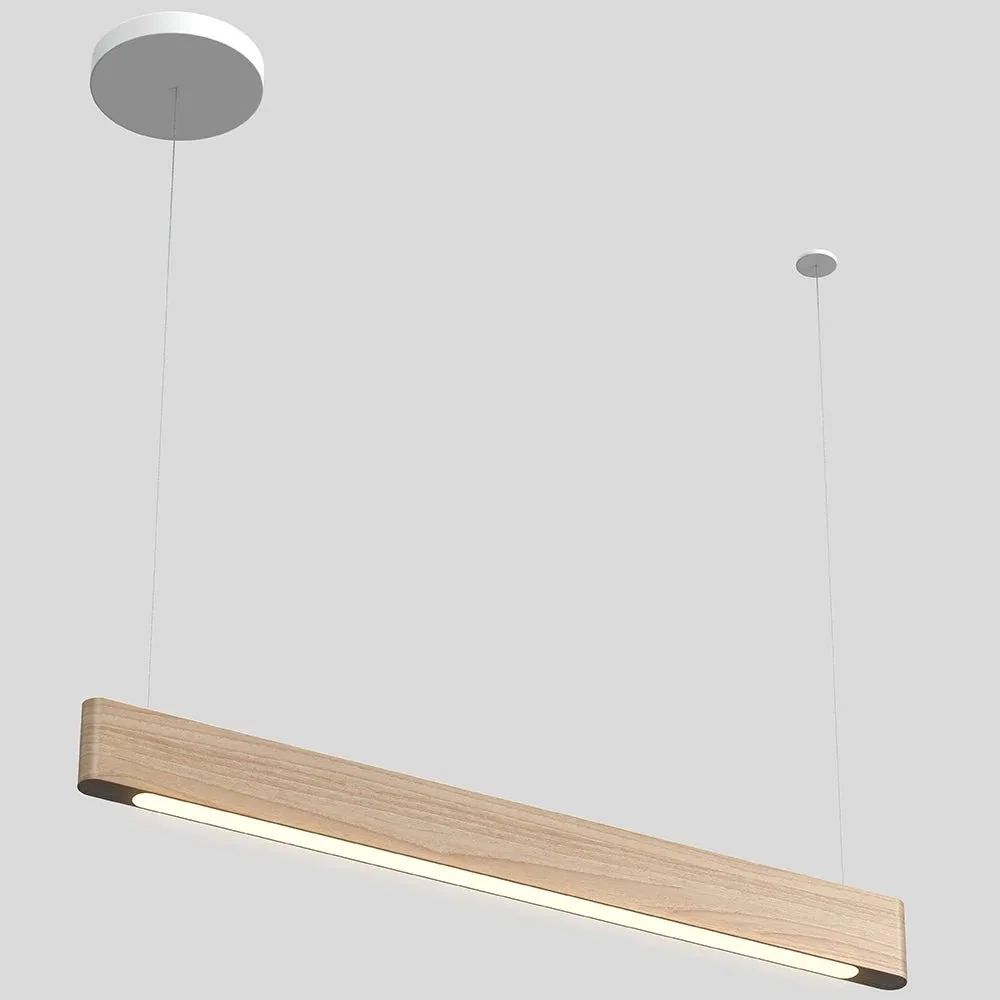
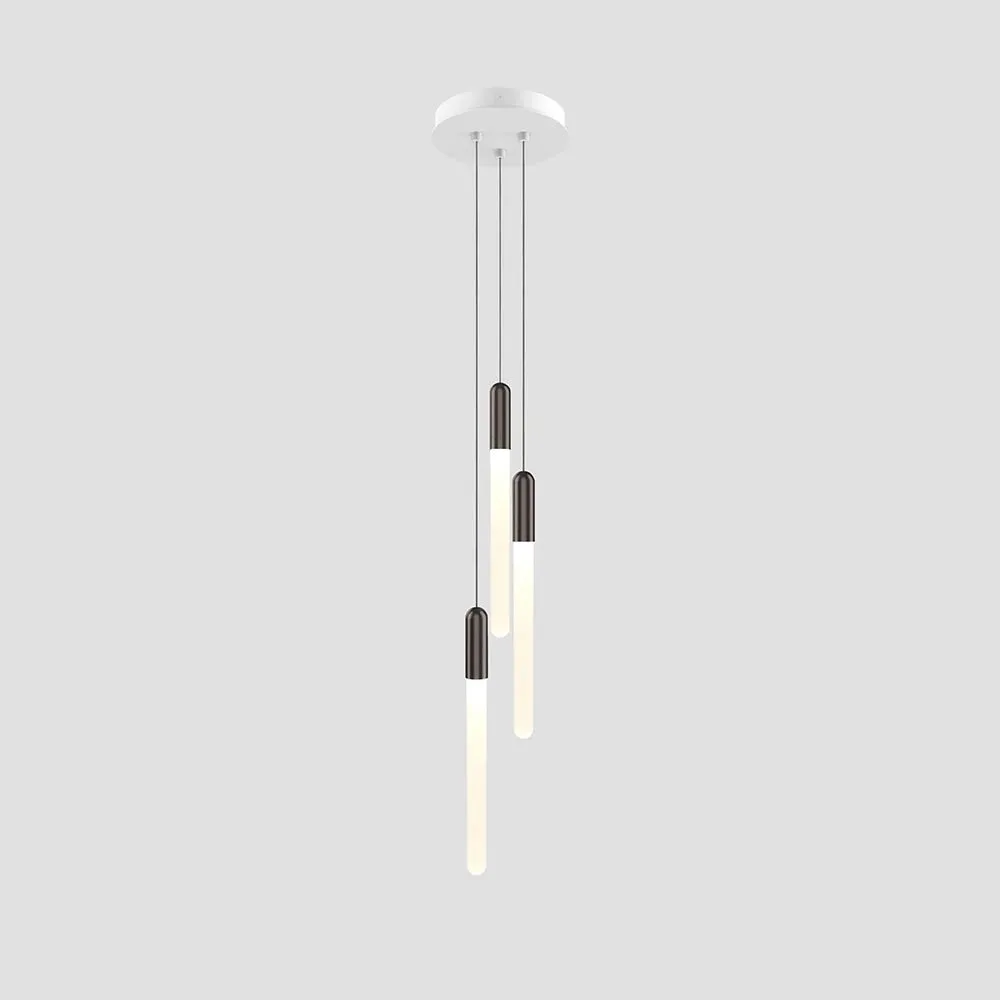
If your dining area is part of an open-plan room, use the pendant layout to define the dining zone. A row of pendants can visually separate the dining area from the living space without physical barriers. Choose fixtures that echo the room's style—minimalist designs like the Line 40 60 Parallel work well in modern interiors, while more organic shapes like the OVA C7 Round add warmth.
- For an open-plan layout, align the pendants with the center of the table, not the room, to keep the focus on the dining area.
Step-by-Step Planning Checklist
- Measure your table and ceiling: Record the length, width, and height of your dining table, as well as the ceiling height. This data drives all subsequent decisions. Checkpoint: Ensure you have accurate measurements before buying or installing any pendants.
- Decide on the number of pendants: Use the table length and pendant size to determine how many fixtures you need. A good rule is to allow at least 6 inches of table space at each end. Checkpoint: For a 72-inch table, three pendants spaced 24 inches apart work well.
- Calculate spacing: Subtract the total width of your pendants from the table length, then divide by the number of gaps (pendants + 1). This gives you the center-to-center spacing. Checkpoint: Aim for 24-30 inches between pendant centers for even light distribution.
- Set the hanging height: Hang the bottom of the pendants 30-36 inches above the tabletop. Adjust for ceiling height and personal preference, but keep at least 24 inches of clearance. Checkpoint: Test with temporary hanging or a friend holding the pendant to confirm the height feels right.
- Choose a layout that fits your table: Align pendants in a row for rectangular tables, or cluster them for round tables. Ensure the arrangement complements the room's proportions. Checkpoint: Step back and view the layout from multiple angles to ensure it looks balanced.
Pendant Options from Matthew McCormick Studio
- Line 40 60 Parallel | Pendant Lighting | Matthew McCormick Studio — Matthew McCormick Studio | Modern Lighting Design: Original design. Meticulous craftsmanship. Hand touched lighting distilled to its purest form. This minimalist pendant is ideal for a linear multiple-pendant layout, providing clean lines that won't overwhelm a dining space.
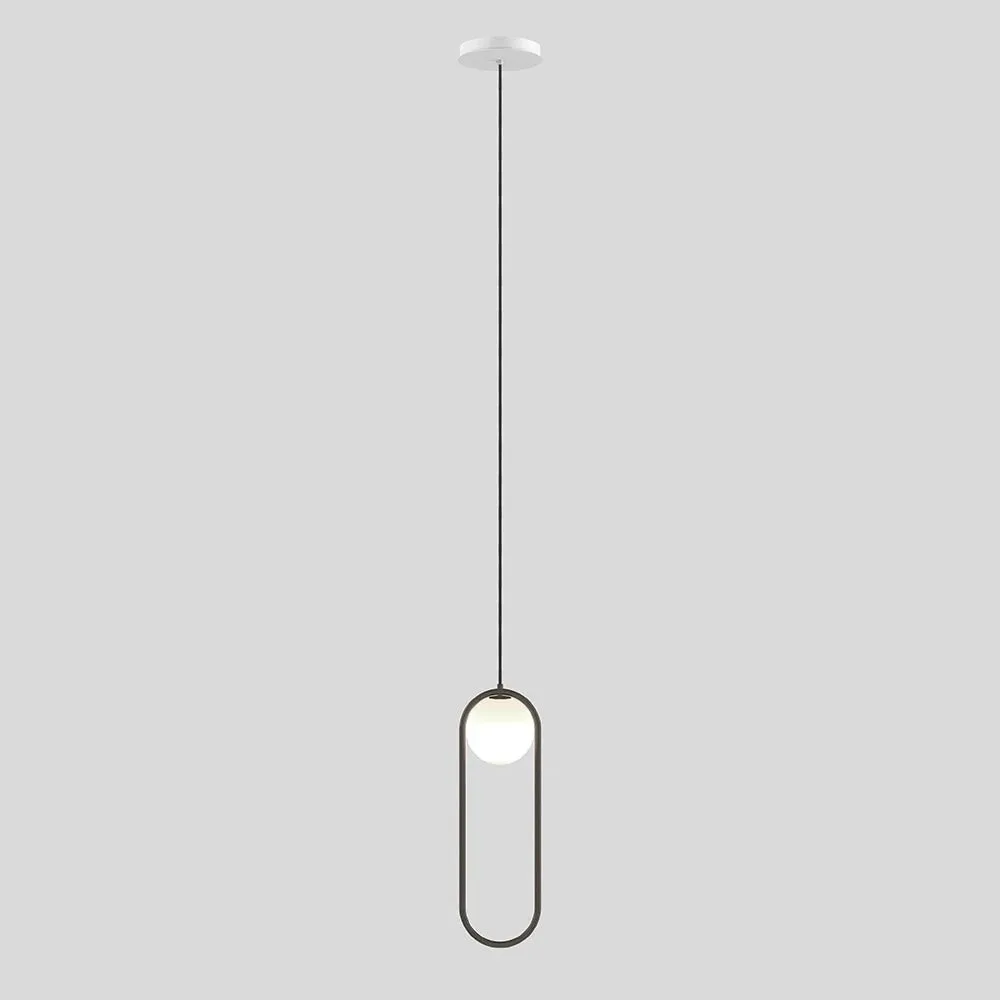
- Cascadia C3 Round | Pendant Lighting | Matthew McCormick Studio — Matthew McCormick Studio | Modern Lighting Design: Refined lighting for the timeless home. Experience the extraordinary quality of meticulously hand polished pendant lighting. Its smaller scale makes it a great choice for grouping multiple pendants over a dining table, offering a polished and cohesive look.
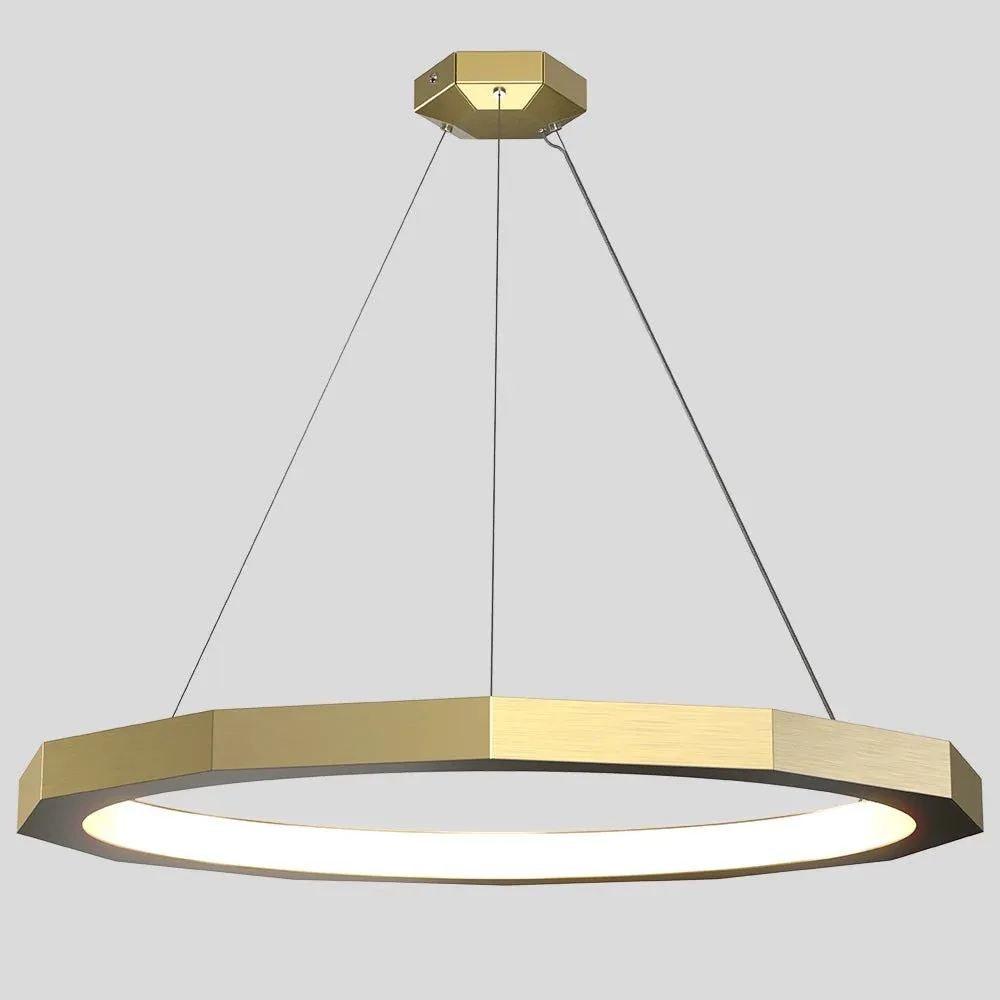
- Halo C5 Round Mixed | Pendant Lighting | Matthew McCormick Studio — Matthew McCormick Studio | Modern Lighting Design: Designer lighting for the contemporary home. Experience the refined beauty of handcrafted light fixtures – each piece is a work of art. With a distinct artistic presence, this pendant can serve as a focal point in a multi-pendant arrangement, adding character to the dining room.
- OVA C7 | ROUND — Matthew McCormick Studio | Modern Lighting Design: Ova exudes an ethereal glow that can turn any space into a sanctuary of elegance. Carefully handmade into dimensional layers of glass, Ova casts a diffused and ambient warmth through its womb-like, translucent inner body. The diffused, ambient light from Ova is perfect for creating a warm and inviting dining atmosphere, especially when used in a cluster.
Planning a dining room lighting layout with multiple pendants is a blend of measurement, proportion, and personal style. By following these steps, you can create a balanced and inviting space that works beautifully for everyday meals and special gatherings. Take your time to test the arrangement before finalizing, and choose fixtures that reflect your taste—whether that's minimalist, sculptural, or something in between.