Quick Answer
To play cooperative board games with your family, start by choosing a game that matches everyone's age and experience, then clearly explain the rules and emphasize teamwork over winning. Keep the mood light, take breaks if needed, and focus on shared fun rather than individual performance.
Family game night is a wonderful way to connect, but choosing the right game can be tricky. Cooperative board games for family play are a fantastic option because they encourage teamwork and communication instead of head-to-head competition. Everyone works together toward a common goal, which can reduce arguments and make the experience more inclusive for different ages and skill levels.
Whether you're introducing young kids to gaming or looking for a way to get teenagers off their screens, co-op games offer a shared challenge that builds bonds. In this guide, we'll share practical family game night tips, from picking the right game to keeping the energy positive, so your next game night is a hit.
Choosing the Right Cooperative Game
The first step to a successful co-op game night is picking a game that fits your family. Consider the ages of all players, the number of people playing, and how long you want the game to last. For younger children, look for games with simple rules and shorter playtimes. For older kids and adults, you can choose more complex games that require deeper strategy and cooperation.
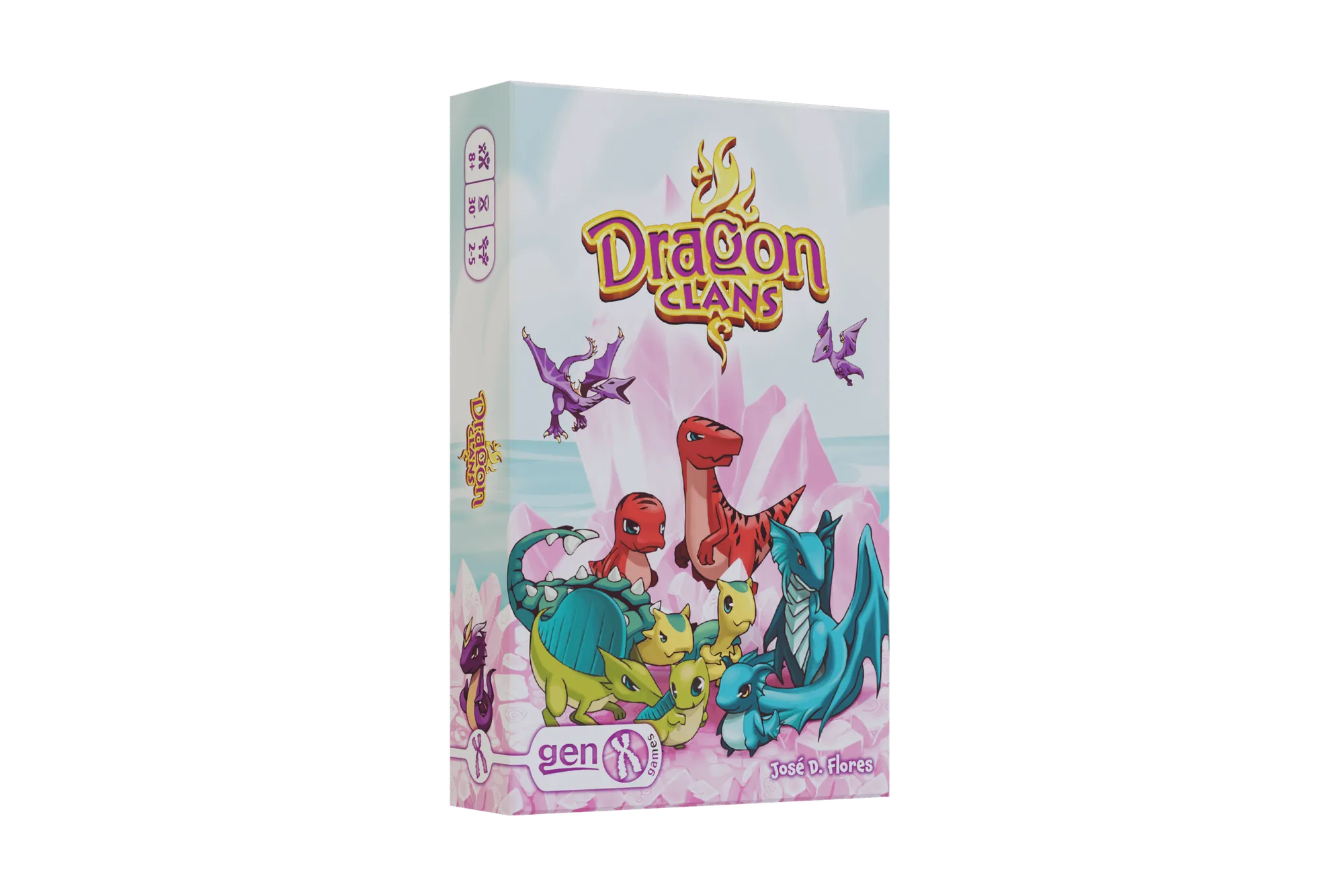
Also think about the theme. A game that everyone finds interesting will keep them engaged. For example, if your family enjoys mystery and detective work, a game like Detective: Smoke & Mirrors might be a hit. If you prefer fantasy and dragons, something like Dragon Clans could be more appealing. The key is to find a theme that sparks everyone's interest.
Dragon Clans
- Check the recommended age on the box, but also consider your child's maturity and attention span.
- Look for games with adjustable difficulty or expansion packs to grow with your family.
Setting Up for Success
Before you start, make sure you have enough table space and that everyone can see the game board and components. Read the rules ahead of time so you can explain them clearly and avoid mid-game confusion. If the game has a learning curve, consider playing a practice round without keeping score to get everyone comfortable.
Establish a positive tone from the beginning. Remind everyone that the goal is to work together and have fun, not to win at all costs. This is especially important if some players are more competitive than others. Encourage open communication and make sure everyone feels comfortable sharing their ideas and strategies.
- Designate a 'rules master' who can answer questions and keep the game moving.
- For complex games, set up a demo scenario first to teach the mechanics.
During the Game: Teamwork and Communication
As you play, encourage players to discuss their moves and think aloud. In cooperative games, sharing information is often the key to success. Ask questions like, 'What do you think we should do next?' or 'Can you help me figure out this puzzle?' This not only improves teamwork but also helps younger players learn strategic thinking.
It's also important to manage frustration. If the game gets difficult or someone makes a mistake, remind the team that it's okay to fail and that you can try again. Some cooperative games are designed to be challenging, and losing together can be just as fun as winning. Take breaks if needed, and keep the atmosphere light and supportive.
- Rotate who leads the discussion each turn so everyone gets a voice.
- Celebrate small victories, like solving a clue or defeating a mini-boss, to keep morale high.
Handling Different Ages and Skill Levels
Families often have players of different ages, which can be a challenge. In cooperative games, you can assign roles that suit each player's strengths. For example, a younger child might handle the dice rolling or card drawing, while an older player manages the overall strategy. This way, everyone contributes meaningfully.
If a game is too complex for the youngest players, consider teaming up: pair a younger child with an older sibling or parent so they can share decisions. Alternatively, you can modify the rules slightly to make it easier, such as removing some of the more difficult cards or giving extra starting resources. The goal is to make sure everyone feels included and can participate fully.
- Let younger players take on 'helper' roles, like managing tokens or reading cards aloud.
- For very young children, pick games with minimal reading or use pictures to convey information.
Making Game Night a Regular Event
Once you've had a successful cooperative game night, you'll likely want to make it a regular occurrence. Set a recurring date, like every Friday, and rotate who gets to choose the game. This gives everyone a sense of ownership and keeps the experience fresh. You can also build a small library of cooperative games that your family loves.
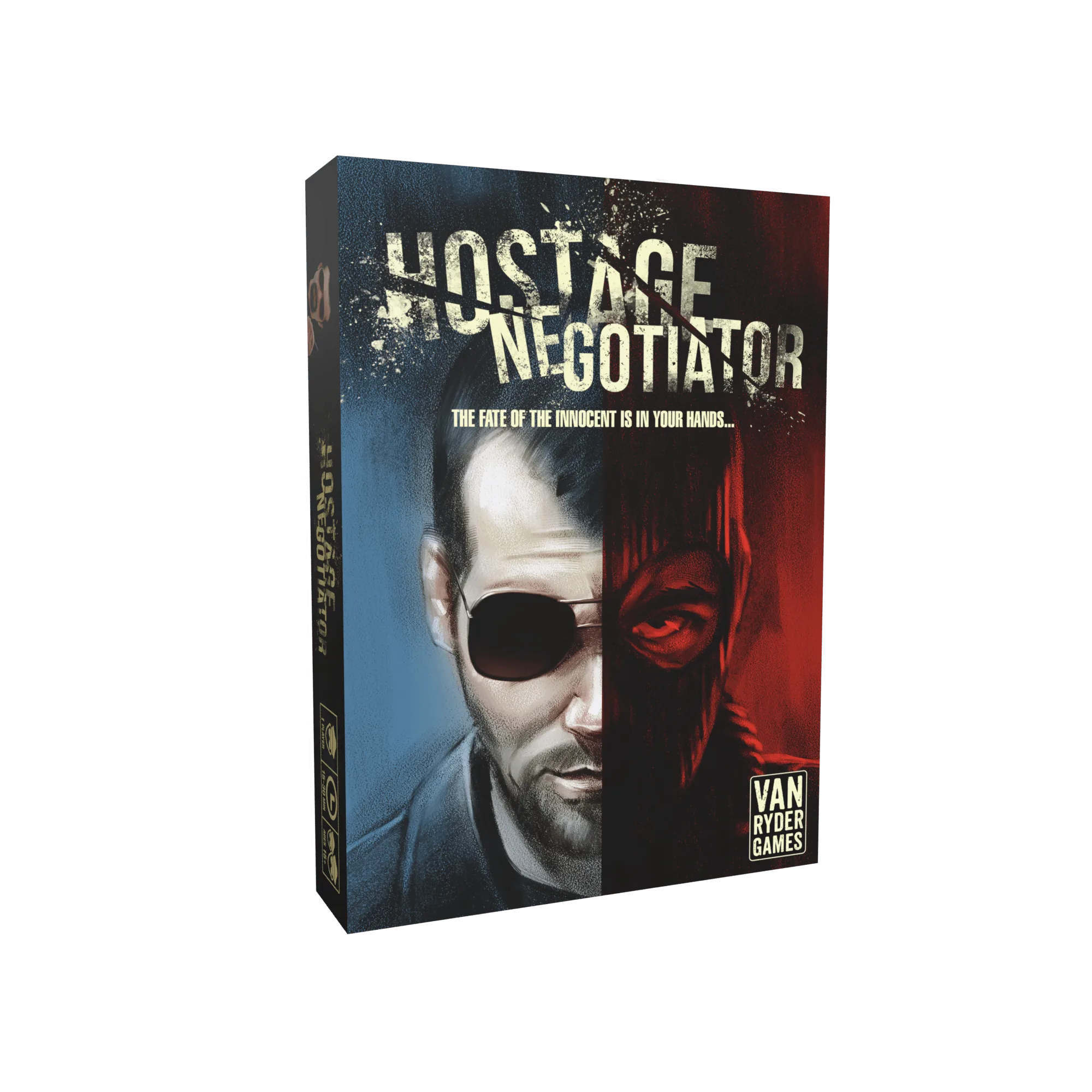
Consider expansion packs or sequels to keep your favorite games interesting. Many games offer additional content that introduces new challenges and scenarios. For example, if you enjoy Hostage Negotiator, you might add a Demand Pack to face new adversaries. This way, your family game night can evolve without having to learn entirely new rules.
Hostage Negotiator
- Create a 'game night jar' with ideas for snacks, themes, or special rules to keep things exciting.
- Take photos of your game nights to create memories and look back on your adventures.
Step-by-Step Guide to a Successful Co-op Game Night
- Pick the Right Game: Choose a cooperative game that fits your family's ages, interests, and time. Look for games with clear themes and appropriate complexity. Checkpoint: Does everyone understand the basic goal? If not, consider a simpler game.
- Learn the Rules Together: Go through the rulebook as a family before starting. Discuss any questions and make sure everyone knows how to play. Checkpoint: Have a practice round if needed to clarify rules without pressure.
- Set Up the Game Area: Arrange the table so everyone can see the board and components. Organize pieces and cards for easy access. Checkpoint: Is the game area comfortable and clutter-free? This reduces distractions.
- Emphasize Teamwork: Remind everyone that you win or lose together. Encourage sharing ideas and discussing strategies openly. Checkpoint: Are all players contributing? If someone is quiet, ask for their input.
- Manage the Game Flow: Keep the game moving by setting a pace that works for everyone. Take breaks if players get tired or frustrated. Checkpoint: Is the game still fun? If not, pause and reassess.
- Reflect and Plan Next Time: After the game, talk about what you enjoyed and what you might do differently next time. This helps improve future game nights. Checkpoint: Ask each player for one highlight and one suggestion for next time.
Cooperative Games from Van Ryder Games
- Dragon Clans: Roll dice and collect Dragon Cards to have the BEST Dragon Clan in the world! Dragon Clans is an easy-to-learn family game for 2-5 Dragon trainers, ages 8 and up. This is a perfect entry-level cooperative game for families with kids aged 8 and up, offering simple mechanics and a fun theme that everyone can enjoy.
- Detective: Smoke & Mirrors: Smoke and Mirrors features some of the hardest cases created so far. It brings 4 new cases with 240 new cards, challenging your mystery-solving skills. If your family loves puzzles and working together to solve mysteries, this expansion offers deep, complex cases that will test your teamwork and keep you engaged for hours.
Cooperative board games for family game night are a wonderful way to bond, build problem-solving skills, and create lasting memories. By choosing the right game, setting a positive tone, and emphasizing teamwork, you can ensure everyone has a great time. So gather your family, pick a game, and start working together toward a shared victory!