Quick Answer
To play hanafuda, you match cards by month and collect yaku combinations to score points. Start with the basic game Koi-Koi, which is easy to learn and offers strategic depth. Focus on recognizing the four card types and forming common yaku to win.
Hanafuda, meaning 'flower cards,' is a traditional Japanese card game that has captivated players for centuries. With its beautiful artwork and elegant mechanics, it's both a relaxing pastime and a competitive challenge. If you're new to hanafuda, this guide will walk you through the essential rules, card matching, and scoring so you can start playing with confidence.
Unlike many Western card games, hanafuda uses a deck of 48 cards divided into 12 months, each with four cards representing different plants or flowers. The goal is to collect cards that form specific combinations, known as yaku, which score points. The most popular variant, Koi-Koi, is perfect for beginners because it balances luck and strategy, making every game exciting.
Understanding the Hanafuda Deck
The hanafuda deck consists of 48 cards, each associated with a month of the year. Each month has four cards, and these cards are categorized by type: plain, ribbon, animal, and special (or bright). For example, January features the pine tree, with a plain card, a poetry ribbon, a crane (animal), and a special card. Recognizing these types is crucial because they determine what yaku you can form.
When learning hanafuda, start by memorizing the months and their key cards. You don't need to memorize every flower, but knowing which months have animal or special cards will help you spot valuable cards during play. A good checkpoint: can you identify the four card types at a glance? If yes, you're ready to move on to setup.
- Practice sorting the deck by month to familiarize yourself with the artwork.
- Use a reference sheet with the 12 months and their card types until you're comfortable.
Game Setup and Objective
Hanafuda is typically played with 2 players, though some variants support more. For a standard game, shuffle the deck and deal 8 cards to each player as a hand, and place 8 cards face up on the table as the field. The remaining 24 cards form the draw pile. The objective is to capture cards from the field by matching them with cards from your hand based on month.
The game proceeds in turns. On your turn, you play a card from your hand onto the field. If it matches the month of any field card, you capture that card and place both in your scoring pile. If no match exists, your card remains on the field, adding to the layout. After playing, you draw the top card from the draw pile and do the same: match it with a field card if possible, or leave it if not.
A common mistake for beginners is forgetting to check the draw pile card for a match after playing a hand card. Always remember: you get two chances to capture each turn. This can significantly change the game state.
- Keep your hand organized by month to quickly spot matches.
- Pay attention to which cards have been captured to calculate potential yaku.
Scoring and Yaku Combinations
The heart of hanafuda scoring lies in yaku, which are specific card combinations that earn points. For example, the 'Five Brights' (all five special cards) is worth 10 points, while 'Four Brights' (any four specials) is worth 8. Other common yaku include 'Poetry Ribbons' (three poetry ribbon cards) worth 5 points, and 'Boar, Deer, Butterfly' (three specific animal cards) worth 5. Each yaku has a fixed point value, and you can form multiple yaku in a single round.
To calculate your score, add up the points of all yaku you've completed. In Koi-Koi, you can choose to stop and bank your points, or say 'Koi-Koi' to continue and try for more, but if your opponent forms a yaku before you do, you lose all points for that round. This risk-reward decision is what makes the game thrilling.
A common mistake is not recognizing when you have a yaku. Keep a list of common yaku handy during your first games. Checkpoint: after each capture, mentally review your collected cards to see if any new yaku have been completed.
- Memorize at least the top five most common yaku to start.
- Always count your points before deciding to continue or stop.
Strategies for Winning
While luck plays a role, skilled players use strategy to increase their chances. First, prioritize capturing cards that are part of high-value yaku, such as special or animal cards. Second, pay attention to your opponent's captures and try to block them by taking cards they need. Third, manage the field: if a valuable card is exposed, be ready to grab it, but also consider leaving low-value cards to bait your opponent.
Another key strategy is to decide when to say 'Koi-Koi.' If you have a modest yaku and your opponent seems close to forming one, it might be safer to stop and bank your points. Conversely, if you're behind, continuing could give you a comeback. Risk assessment is crucial.
A common mistake is focusing only on your own hand and ignoring your opponent. Always track what they're collecting to anticipate their yaku. Checkpoint: after each round, review what yaku each player formed to improve your awareness.
- Practice with a friend or online to internalize card values.
- Watch experienced players to pick up subtle tactics.
Step-by-Step Hanafuda Learning Path
- Learn the Deck: Familiarize yourself with the 12 months and four card types. Use a chart to identify special and animal cards. Checkpoint: You can name at least one special card per month.
- Understand Setup and Turn Flow: Deal 8 cards to each player, place 8 on the field, and practice the two-match turn sequence. Checkpoint: You can play a turn without consulting the rules.
- Memorize Common Yaku: Start with the Five Brights, Four Brights, Poetry Ribbons, and Boar-Deer-Butterfly. Keep a list handy. Checkpoint: You can spot a yaku in your captures.
- Practice Koi-Koi Decisions: Play with a friend and practice the stop-or-continue decision. Track points each round. Checkpoint: You can explain why you chose to stop or continue.
- Develop Strategy: Focus on blocking opponents and prioritizing high-value cards. Review games to learn from mistakes. Checkpoint: You can list three strategic principles you apply.
Hanafuda-Inspired Games at Pencil First Games
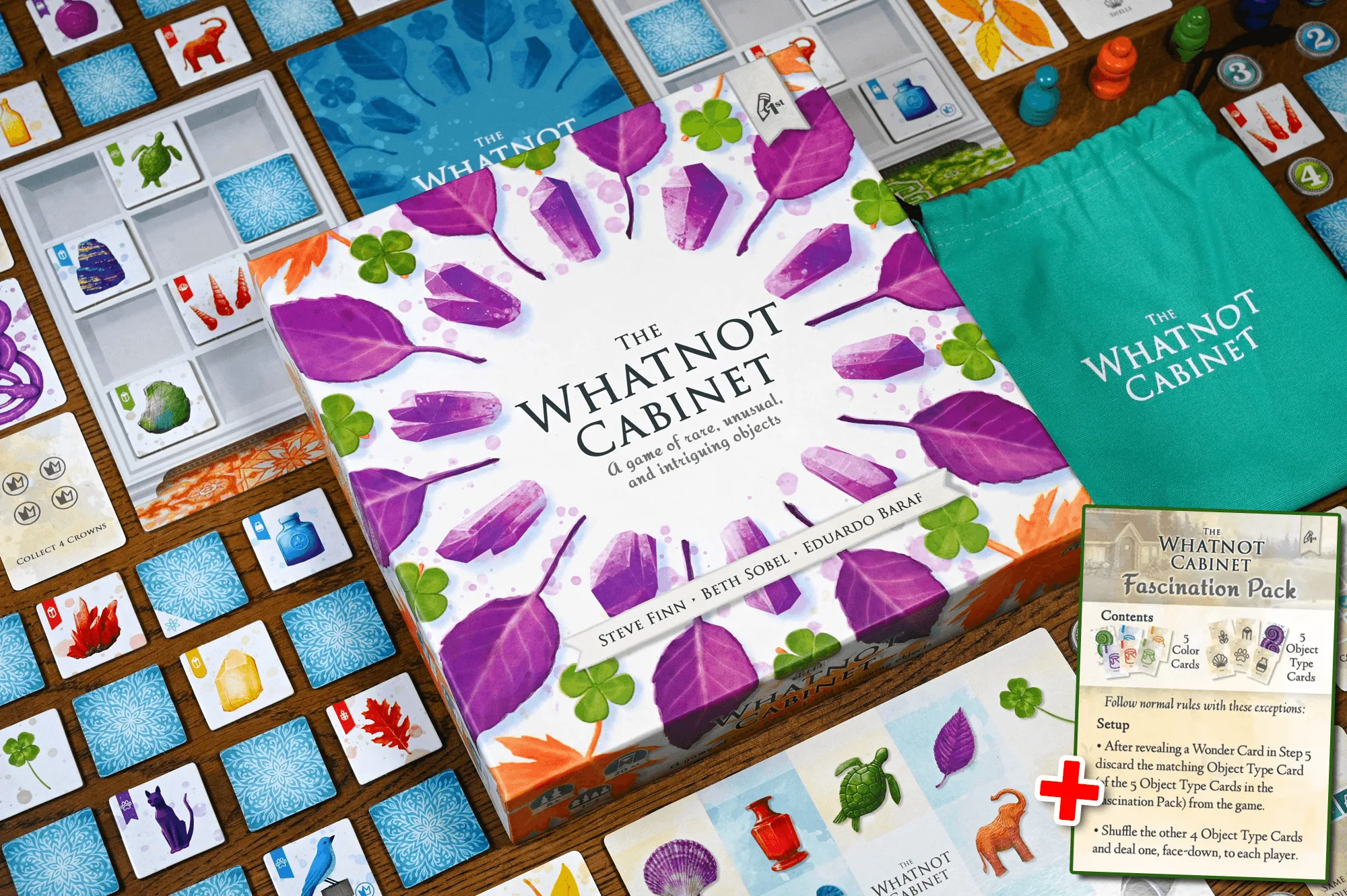
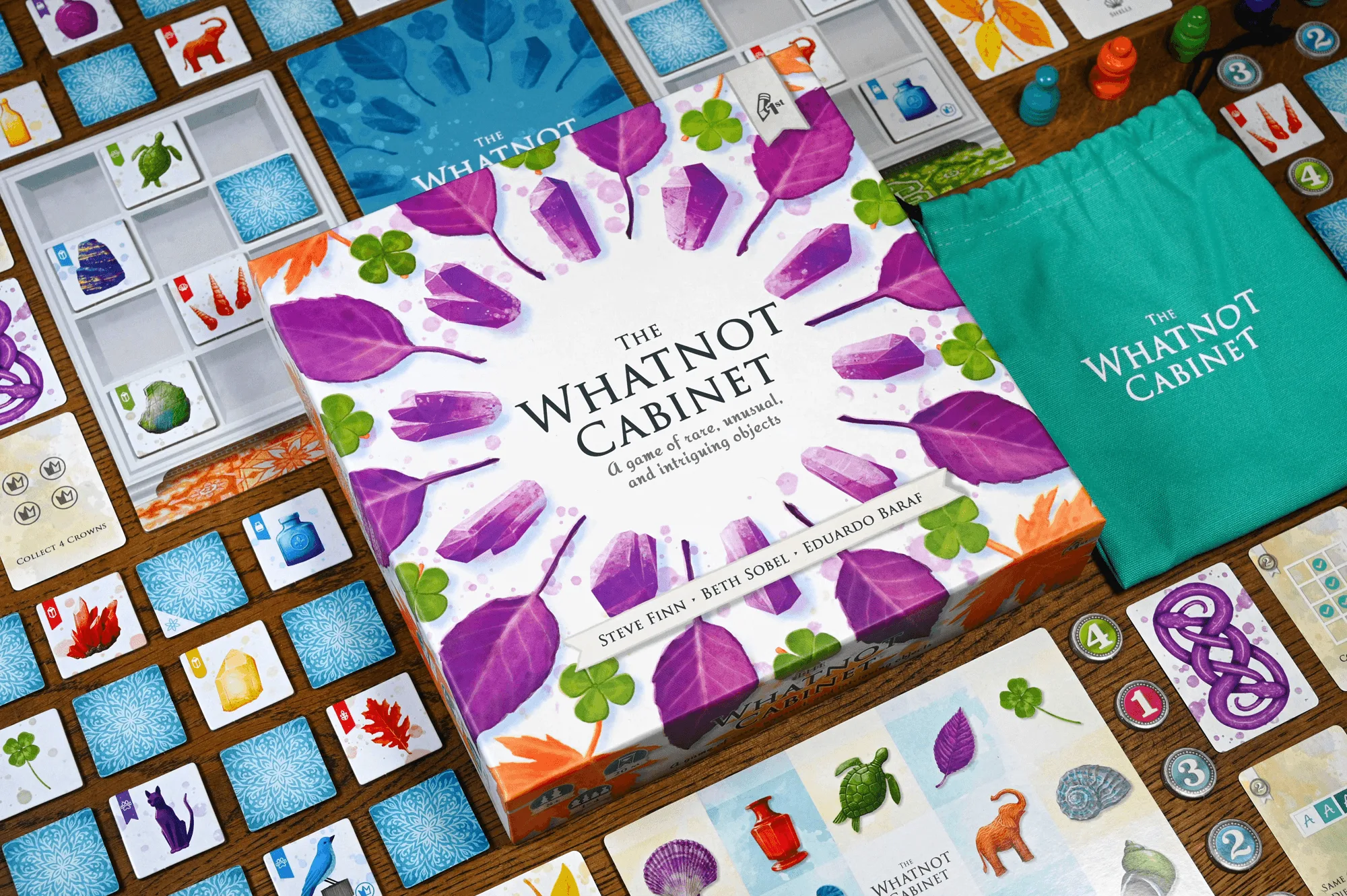
- https://pencilfirstgamesbuz.com/products/the-whatnot-cabinet-bundle-f1c6a8c578b06375cb12ce25-1021859The Whatnot Cabinet + Expansion Bundle: Players: 1-4, Playing Time: 20-30 Min, Ages: 8+. Create a curio cabinet with trinkets collected during your travels. If you enjoy the set-collection and pattern-matching aspects of hanafuda, The Whatnot Cabinet offers a similar relaxing yet strategic experience for solo or group play.
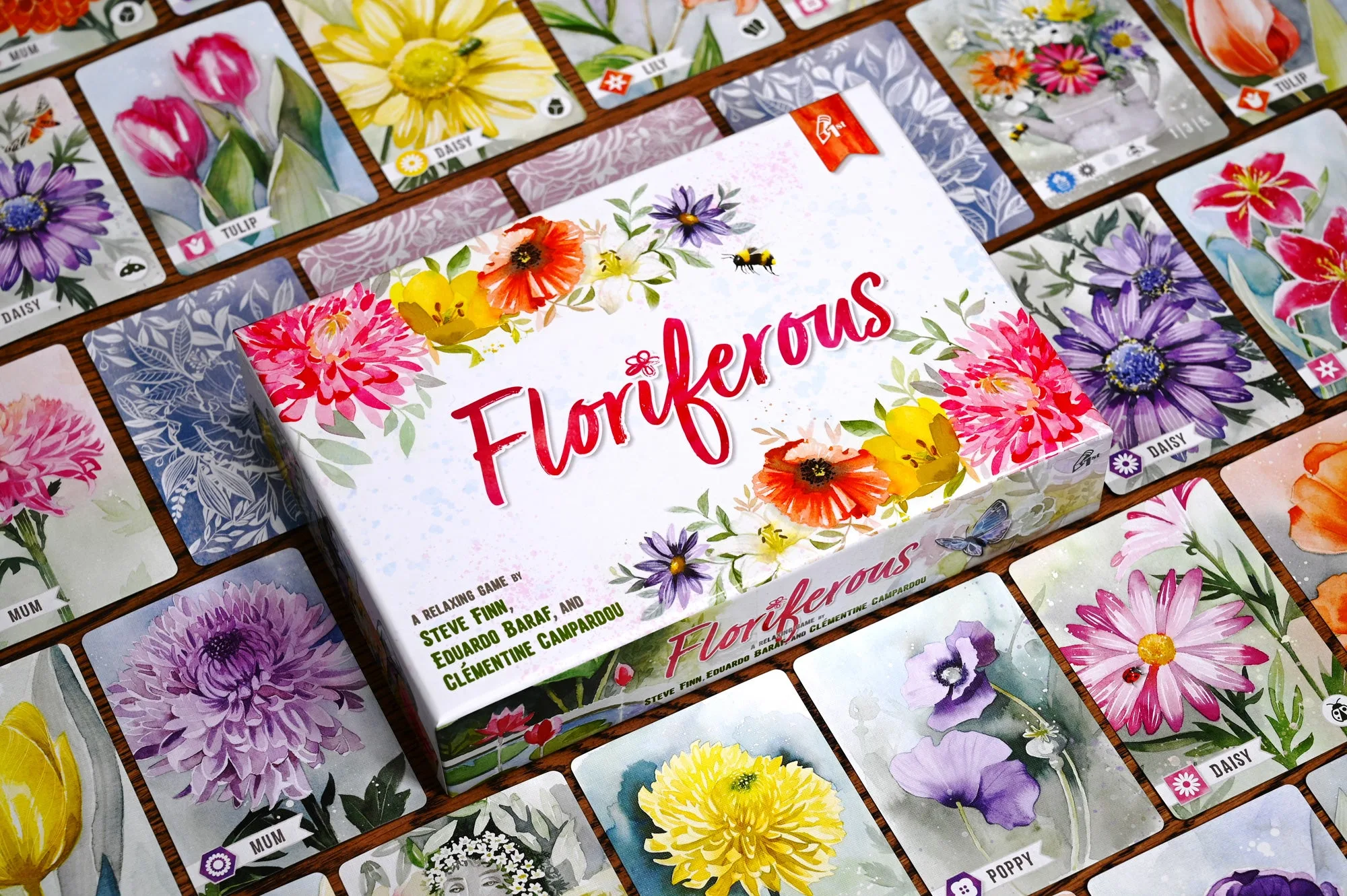
- floriferous-bundle-628719ec265da9a346f029e3-1021863">Floriferous + Expansion Bundle: Players: 1-4, Playing Time: 20 Min, Ages: 14+. Explore a garden of colorful flowers as you pick arrangements. Floriferous shares hanafuda's floral theme and card-matching appeal, making it a natural next game for fans of hanafuda's aesthetic and mechanics.
Hanafuda is a timeless game that rewards both patience and clever play. By learning the deck, mastering yaku, and practicing strategic decisions, you'll soon enjoy this beautiful game. For more card-based adventures, explore the elegant collections at Pencil First Games.