Quick answer
To play Paiko, each player deploys tiles to threaten opposing forces and secure territory, then uses elemental powers like wind, air, earth, fire, and tsunami to gain advantage. Start by learning tile placement and territory control, then layer in elemental timing. The game rewards positioning over raw aggression, so focus on board presence first.
Set up the board and choose your first tiles
Begin by placing the starting board and giving each player their tile pool. In Paiko, tiles serve two roles: they threaten opposing forces and they secure new territory from which to launch armies. Before you place anything, scan the board for open lanes and chokepoints. Your first tile should claim a position that does both—threaten an enemy tile while opening a path for your own future deployments. A common mistake is placing tiles only to attack; that leaves you with no territory to expand from. Checkpoint: after your first two tiles, you should be able to point to at least one new territory you control.
Learn the elemental powers and when to summon them
Paiko's elemental system includes wind, air, earth, fire, and tsunami. Each power changes the board in a specific way—tsunami, for example, clears tiles. The timing matters more than the power itself. Summoning too early wastes the effect on low-value targets; summoning too late lets your opponent secure the territory you needed. A good rule: use an elemental power when it either clears two or more opposing tiles or opens a lane for your own army to advance. Checkpoint: before you summon, ask whether the board will still favor you after the effect resolves.
Build territory before you build armies
New players often rush to launch armies from their first secured tile. In Paiko, territory is the resource that lets you launch armies at all. If you spend your early turns deploying forces without expanding your territory, you run out of launch points and become predictable. Instead, alternate: secure a new territory, then deploy from it. This rhythm keeps your opponent guessing and gives you multiple angles of attack. Checkpoint: count your secure territories at the end of each turn. If the number is not growing, you are overcommitting to one front.
Practice beginner tactics that punish overextension
The most common beginner mistake in Paiko is overextension—pushing tiles deep into enemy territory without support. A single tile far from your territory is easy to isolate and remove. Instead, advance in pairs or small groups so each tile threatens multiple squares and can be reinforced. When your opponent overextends, do not chase the lone tile. Instead, cut off its retreat by placing tiles behind it. That converts their mistake into your territory. Checkpoint: if you can remove an enemy tile without exposing your own, take the trade.
Use the two-player starter box to learn the full game
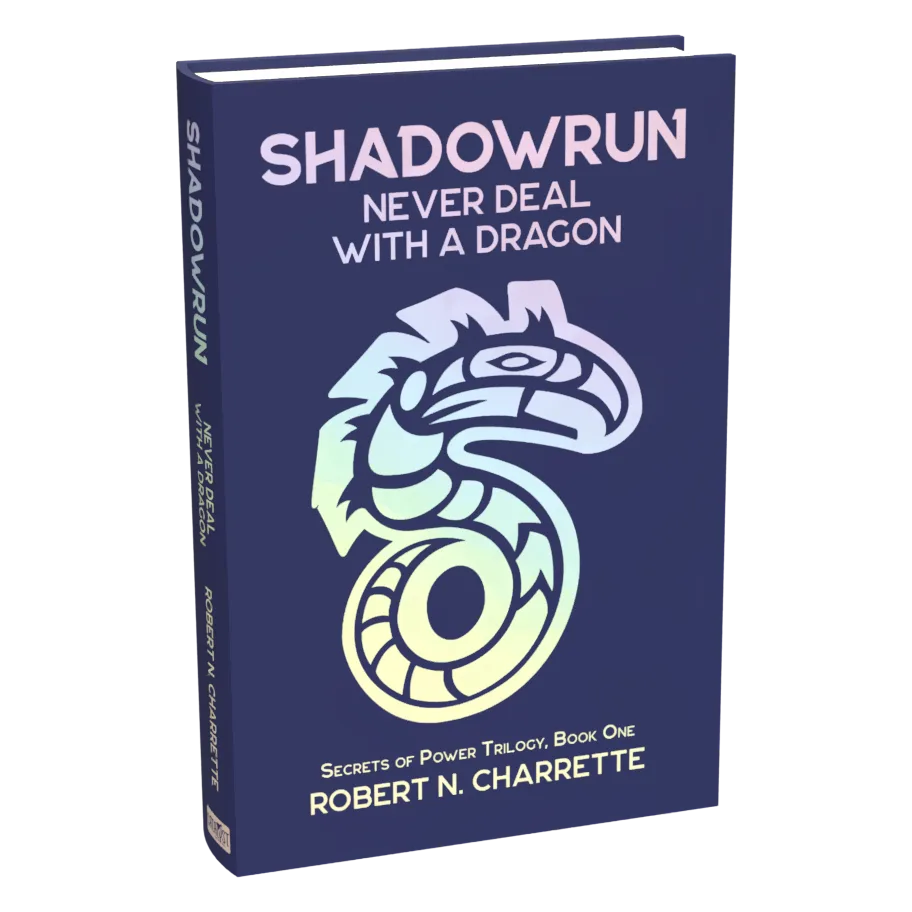
Shadowrun: Edgezone: Mayhem is a different game, but its two-player starter structure is a useful comparison for how Paiko scales. Paiko is designed for two players to learn the core loop of tile deployment and elemental timing. Once you understand how territory and threat interact, you can add advanced tactics like baiting an opponent into wasting a tsunami. The box includes everything needed to start playing, so you do not need expansions to learn the rules.

Shadowrun: Edgezone: Mayhem
Step-by-step: your first game of Paiko
- Place your starting tiles: Deploy two tiles that each threaten an opposing tile and open a new territory for your army. Checkpoint: you should control at least one new territory after this step.
- Secure territory before attacking: On your next turn, place a tile to expand your territory rather than attacking a lone enemy tile. Checkpoint: if you cannot name the territory you just secured, you are overattacking.
- Time your elemental power: Wait until an elemental power like tsunami can clear two or more opposing tiles or open a lane for your army. Checkpoint: if the board does not favor you after the effect, do not summon it yet.
- Punish overextension: When your opponent pushes a tile far from their territory, place tiles behind it to cut off retreat instead of chasing it. Checkpoint: removing an enemy tile without exposing your own is always a good trade.
- Alternate territory and army deployment: Each turn, either secure a new territory or deploy from an existing one—never do neither. Checkpoint: at the end of each turn, your secure territory count should be stable or growing.
Product facts
- Paiko: A Game of Tactics and Elegance: Paiko is a game of tactics and elegance where each side deploys tiles to threaten opposing forces and secure new territory from which to launch their own armies. This explains why territory control matters as much as direct attacks. If you only threaten without securing, you run out of launch points.
- Paiko: A Game of Tactics and Elegance: The game includes elemental powers such as tsunami, which can clear the board. Knowing a board-clearing power exists changes how you group your tiles. Avoid stacking too many tiles in one lane if your opponent can wipe them.
- Kung Fu Panda: Street Food Showdown: Kung Fu Panda: Street Food Showdown is a lighter tile-building game about building Combo Bowls in Juniper City. If Paiko feels too abstract at first, this is a simpler tile-placement alternative to practice set collection and combo building before returning to Paiko's deeper tactics.