Quick answer
Start with a small set of dominoes, deal three to five tiles per player, and place one tile face up in the middle. Take turns matching a picture, colour or number to an open end. For young children, skip scoring and play until the tiles run out. The goal is turn-taking and matching, not winning.
Spring garden dominoes work best when you treat the first few games as practice, not competition. A toddler or preschooler can match pictures long before they can count dots or follow a full rule set, so start with the simplest version and add rules only when your child is ready.
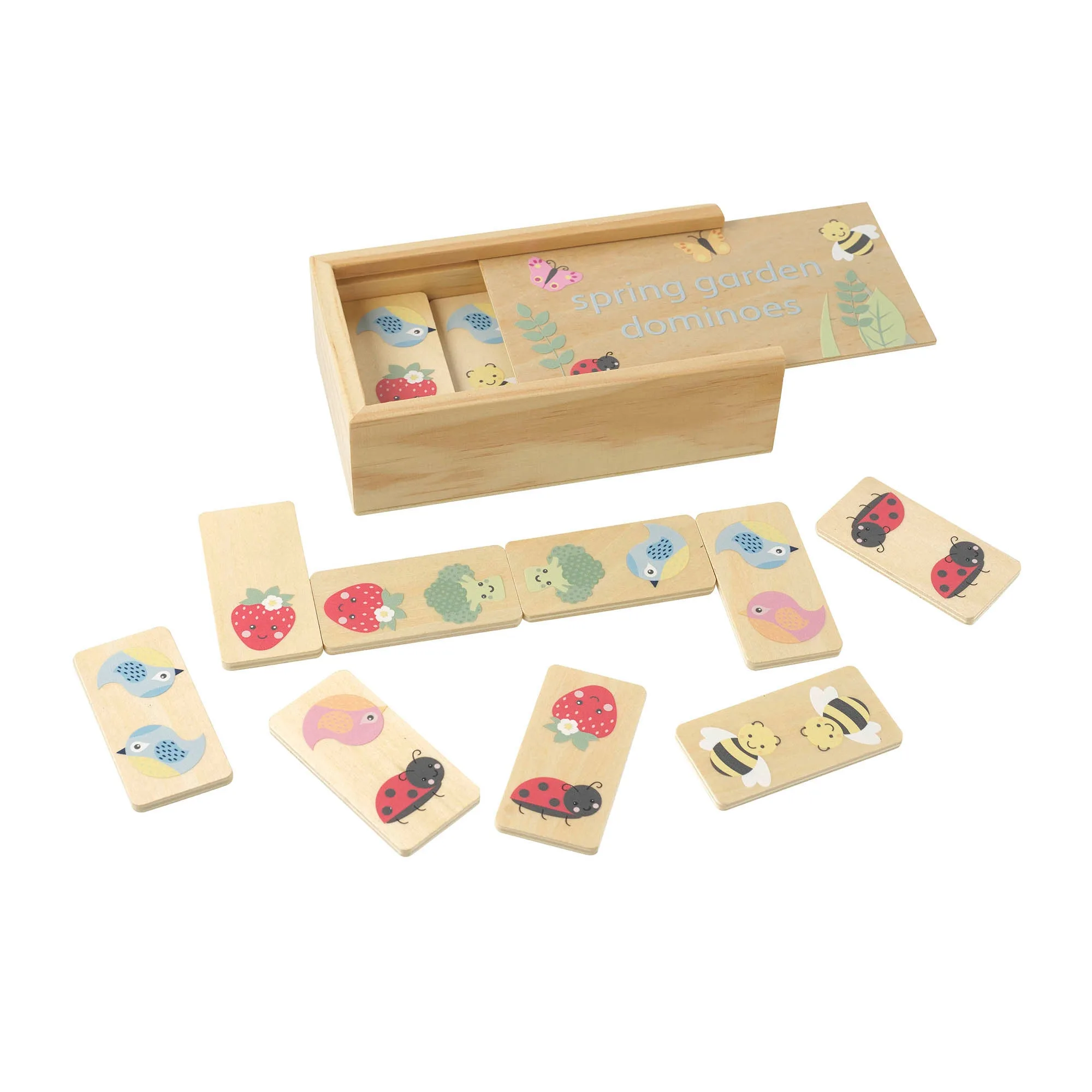
Spring garden dominoes
Most dominoes rules for children fail because adults introduce scoring, penalties and hidden hands too early. A calmer approach is to keep every tile visible, take short turns, and end the game while your child is still enjoying it. That way the wooden dominoes game becomes a routine they ask for rather than a test they want to escape.
Set up the game so a young child can succeed
Tip the tiles out on a flat surface and let your child handle them for a minute before you explain anything. Name the pictures or colours as they pick each one up. Then choose a small number of tiles, usually three to five per player, and place the rest in a face-down pile. Put one tile face up in the middle as the starting tile.
Keep the play area clear of other toys. A tray or a large book works well because it stops tiles sliding off the table and gives your child a visible boundary. If you are playing with a two-year-old, place the starting tile directly in front of them so the first move is obvious.
- Use a tray or mat so pieces stay in one place.
- Start with three tiles each for the first game.
- Leave the spare tiles face down and out of reach.
Teach the matching move before the rules
Show your child how to place a tile next to an open end so the pictures or colours match. Do one move yourself, then hand them a tile that clearly matches and let them place it. Say the match out loud, for example 'red flower next to red flower' or 'three next to three'. This turns the rule into something they can see and hear.
If they pick a tile that does not match, do not correct it immediately. Wait a moment, then point to the open end and ask which picture is needed. Many children self-correct once they understand that the line of tiles is meant to continue.
- Match one feature at a time: picture, colour or number.
- Say the match out loud to reinforce the rule.
- Let your child place the tile themselves, even if it is crooked.
Run the turn order without tears
Decide who goes first before the tiles are dealt, and use a simple cue such as 'youngest first' or 'the person wearing red'. Then move clockwise around the table. Young children often forget whose turn it is, so a short phrase like 'my turn, your turn' keeps the game moving without a debate.
If your child wants to take two turns in a row, redirect rather than scold. Say 'that was a good match, now it is my turn' and take your turn quickly. The rhythm of alternating turns matters more than strict fairness in the first year of play.
- Choose the first player before dealing.
- Use a consistent turn direction every game.
- Keep your own turn short so waiting feels manageable.
Adjust the rules as your child grows
For a two- or three-year-old, play open-handed with all tiles visible and no scoring. For a four-year-old, hide the spare tiles and let them draw one when they cannot match. For a five-year-old, introduce counting the dots on each end and adding them up at the end of the round.
You can also change the win condition. Instead of 'first to use all tiles', play until the line of dominoes reaches a certain length, or until every tile has been placed. Cooperative endings suit preschool dominoes well because nobody loses, and the shared goal keeps attention on the game.
- Ages 2 to 3: open hands, no scoring, picture matching only.
- Age 4: hidden tiles, draw one if you cannot match.
- Age 5: count end dots and add them up at the end.
Keep the game short and pack it away together
A first game should last five to ten minutes. Watch for signs of fatigue such as tiles being swiped off the table or your child lying down. When that happens, finish the round rather than the whole game, and say clearly that you will play again tomorrow.
Tidy-up is part of the routine. Count the tiles back into the box together and let your child close the lid. This small ritual signals that the game is over and makes it easier to move on to the next activity without a struggle.
- End while your child is still engaged.
- Count tiles into the box as a shared job.
- Store the box where your child can reach it next time.
Step-by-step: your first game of spring garden dominoes
- 1. Choose a small set and clear the table: Pick a dominoes set with clear pictures or colours and use only part of it for the first game. Clear away other toys and place a tray or mat in the middle of the table. Checkpoint: your child can see every tile without reaching across the table.
- 2. Deal three tiles each and place one starting tile: Give each player three tiles face up. Put one tile face up in the centre as the starting point. Leave the rest face down in a pile that a young child cannot easily grab. Common mistake: dealing too many tiles, which makes the first game drag.
- 3. Model one matching move: Place a tile next to the starting tile so the pictures, colours or numbers match. Say the match out loud, then invite your child to do the same with one of their tiles. Checkpoint: your child places the tile themselves, even if it is not perfectly straight.
- 4. Take turns in one direction: Move around the table in the same order every game. Use 'my turn, your turn' to keep the rhythm. If a player cannot match, let them pass or draw a tile depending on their age. Common mistake: letting a child take extra turns, which makes waiting harder next time.
- 5. End the round before fatigue sets in: Stop when the tiles run out or when the line reaches an agreed length. Skip scoring for children under five. Announce the end clearly and move straight into tidy-up. Checkpoint: the game finishes with your child still interested, not frustrated.
Wooden toys that support early matching games
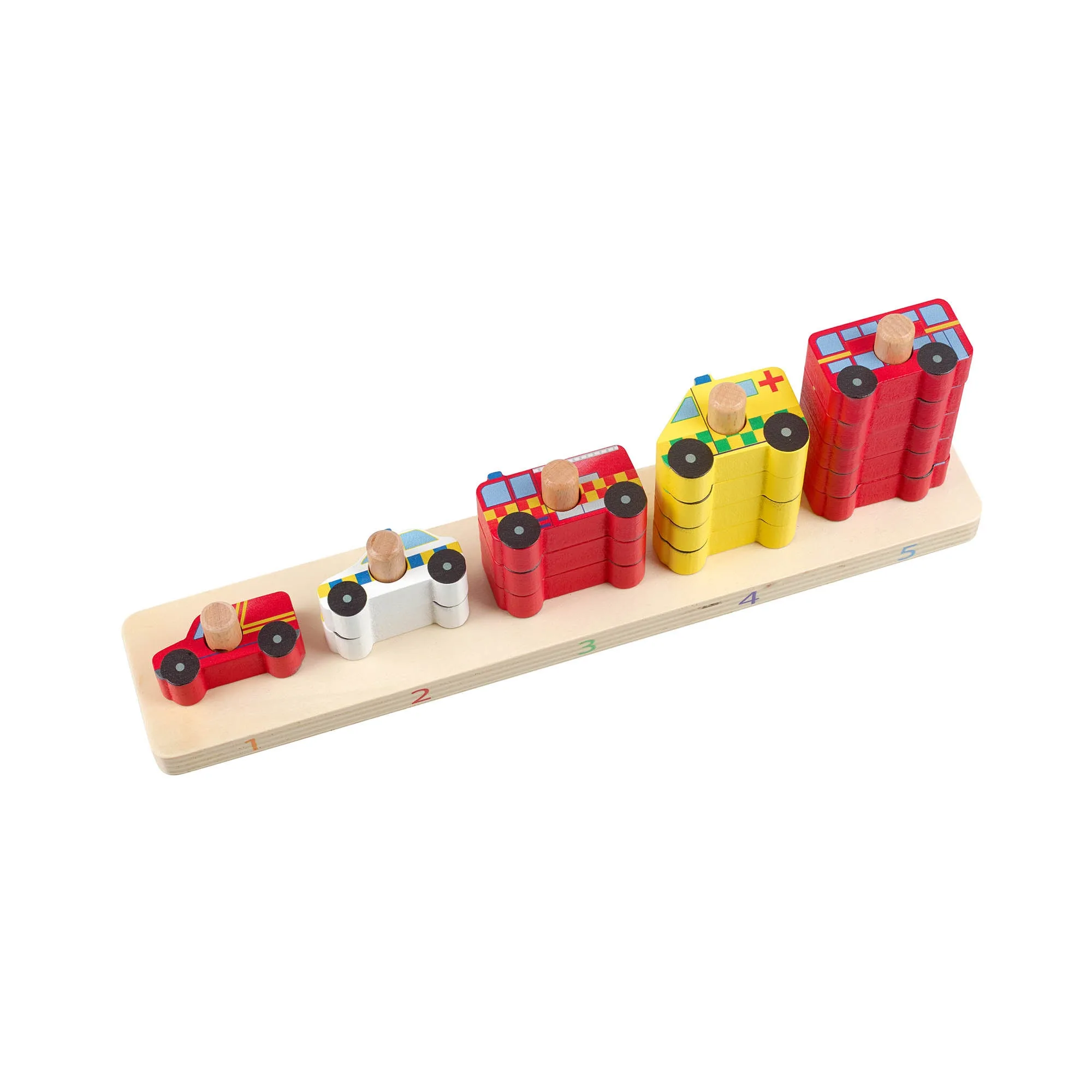
- Emergency Services Counting Game: Contains 15 brightly coloured emergency service vehicles and is designed to help teach little ones to count to 5, while supporting motor skills and colour recognition. Made from FSC-certified wood with fully recyclable packaging. The vehicle pieces give you a second matching activity once dominoes feel too easy, and the counting-to-5 focus suits the same preschool stage.
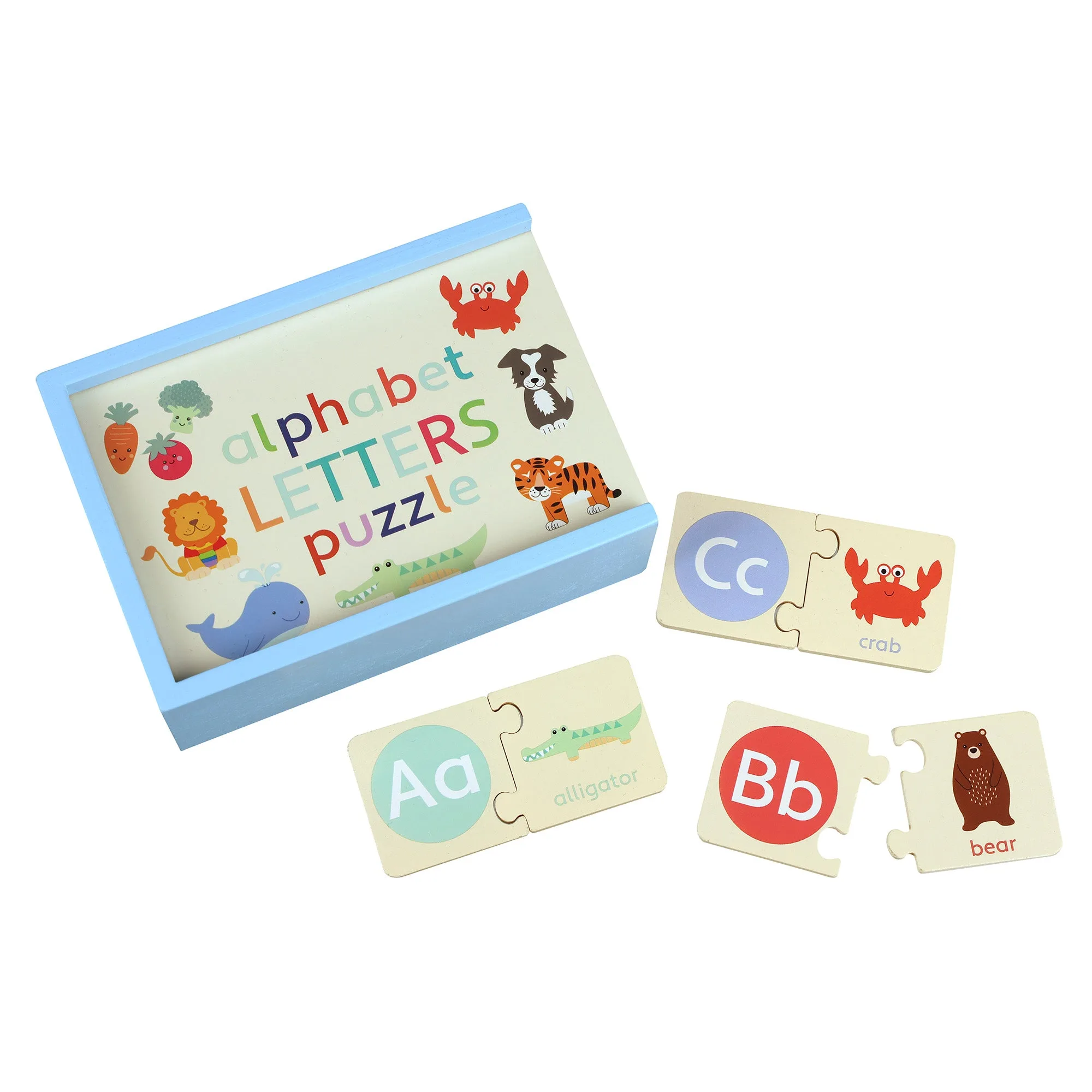
- Alphabet Puzzles in a Box: A set of two-piece puzzles for each letter of the alphabet, each with the letter in upper and lower case to match with a picture beginning with that letter. If your child enjoys matching pictures in dominoes, this extends the same skill into letters, which is a natural next step for a four- or five-year-old.
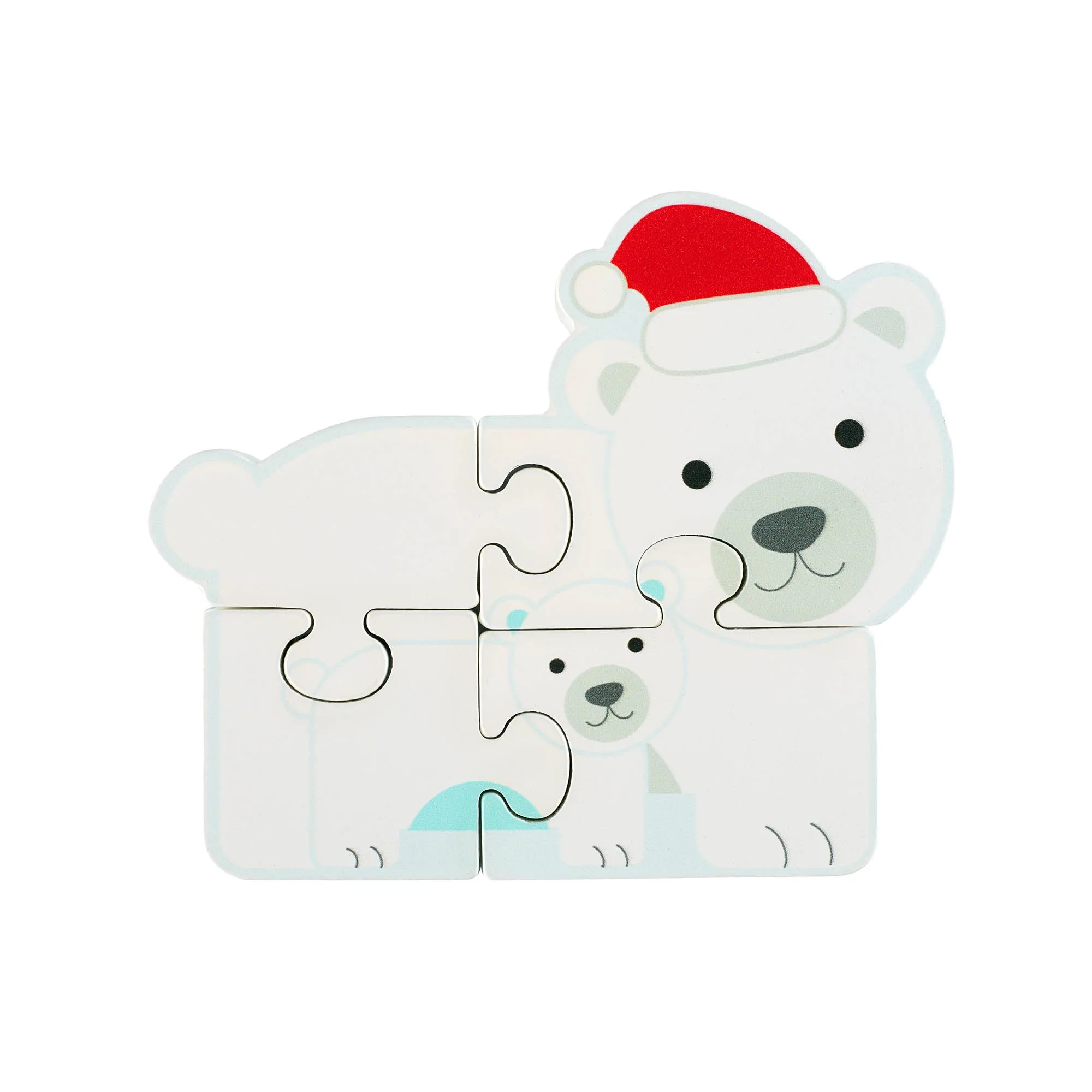
- Polar Bears Wooden Puzzle: A simple toddler puzzle made from FSC-certified wood that can help with colour recognition, fine motor skills and imaginative play with the completed character. Useful as a warm-up before dominoes because the single-piece matching is easier and builds the hand control needed to place tiles.
Spring garden dominoes reward patience more than perfect rules. Start with three tiles, match one feature at a time, and let the game end while it is still fun. As your child grows, add hidden tiles, drawing and simple counting, and the same wooden set will keep working for years.