Quick answer
A clogged diffuser nozzle is usually caused by mineral buildup or thick essential oil residue. Clean the nozzle with warm water and a cotton swab, and use a gentle cleaning solution weekly. If the nozzle is still blocked after a deep clean, you may need to replace the nozzle or consider a different diffuser.
diffuser
When your diffuser starts sputtering or stops misting entirely, the first suspect is often a clogged nozzle. This is a common issue, especially with ultrasonic diffusers that use water and essential oils. The good news is that most clogs can be fixed at home with simple tools and a little patience.
In this troubleshooting guide, you'll learn how to separate the symptoms, identify the likely cause, and apply the right corrective action. We'll also cover when you should stop troubleshooting and consider a replacement or alternative product.
Why Diffuser Nozzles Get Clogged
Diffuser nozzles clog for two main reasons: mineral deposits from hard water and residue from thicker oils. When water evaporates, calcium and magnesium can build up around the nozzle opening, gradually restricting airflow. Similarly, viscous oils—especially those with base notes like sandalwood or amber—can leave a sticky film that attracts dust and debris.
Understanding the cause is key to choosing the right fix. If you see white or chalky buildup, that's mineral scale. If the residue is oily or sticky, it's oil residue. In many cases, you'll have both. This is why regular cleaning is the best prevention.
- Use distilled water to reduce mineral buildup.
- Clean the nozzle and reservoir weekly, especially if you use the diffuser daily.
- Avoid overfilling or using too much oil, which can lead to residue.
Step-by-Step: How to Unclog a Diffuser Nozzle
Start by unplugging the diffuser and removing any remaining water and oil. Take apart the nozzle if it's removable—many diffusers have a small cap or insert that can be detached. Rinse the nozzle under warm running water to remove loose debris.
For stubborn buildup, soak the nozzle in a solution of equal parts water and white vinegar for 15-20 minutes. Vinegar dissolves mineral deposits without damaging plastic or metal parts. After soaking, use a cotton swab or a soft toothbrush to gently scrub the opening and threads. Rinse thoroughly and allow it to dry completely before reassembling.
If the nozzle is still blocked after this, you may need to use a pin or needle to carefully clear the opening. Be gentle—you don't want to enlarge the hole. Once the nozzle is clear, refill the diffuser with fresh water and a few drops of oil, then test it.
- Never use abrasive cleaners or metal tools that can scratch the nozzle.
- If your diffuser has a heating element, avoid submerging it—clean only the nozzle and reservoir.
- Dry all parts fully before reassembly to prevent mold or residue.
When to Stop Troubleshooting and Consider a Replacement
If you've cleaned the nozzle thoroughly and the diffuser still won't mist, the problem may not be the nozzle itself. The ultrasonic plate or the internal pump could be faulty. In that case, further disassembly is risky and may void your warranty.
At this point, it's smart to stop and evaluate. If your diffuser is old or the repair cost is high, replacing it might be more practical. Alternatively, you might consider a diffuser with a simpler design that's easier to clean, or one that uses pre-filled cartridges to avoid oil residue issues altogether.
- Check your warranty before attempting any disassembly.
- If the diffuser is more than two years old, replacement may be more cost-effective.
- Consider a diffuser with a replaceable nozzle or a design that minimizes clogging.
Diagnosis: Is It Really a Clogged Nozzle?
- Symptom: Diffuser produces little or no mist, sputters, or makes a gurgling sound. If the sound is normal but mist is weak, the nozzle is likely partially blocked.
- Likely Cause: Mineral scale from hard water or sticky oil residue around the nozzle opening. If you see white buildup, it's minerals; if it's oily, it's oil residue.
- Corrective Action: Soak the nozzle in vinegar solution, scrub gently, and clear the opening with a pin if needed. After cleaning, test with fresh water and a few drops of oil.
- Stop or Choose Another Option: If the diffuser still doesn't mist after a thorough cleaning, the internal mechanism may be faulty. Consider replacing the diffuser or trying a different scent delivery method like reed diffusers.
Products That Help with Diffuser Maintenance
- https://aromabloomai.shop/products/8oz-diffuser-oil-215558https://aromabloomai.shop/products/8oz-diffuser-oil-215572https://aromabloomai.shop/products/8oz-diffuser-oil-2155738oz Diffuser Oil: Refill AirEssence or PetiteEssence Diffusers with your favorite blend of perfume-grade natural and essential oils. Using high-quality oils can reduce residue buildup, and the larger size means fewer refills and less handling of the nozzle.
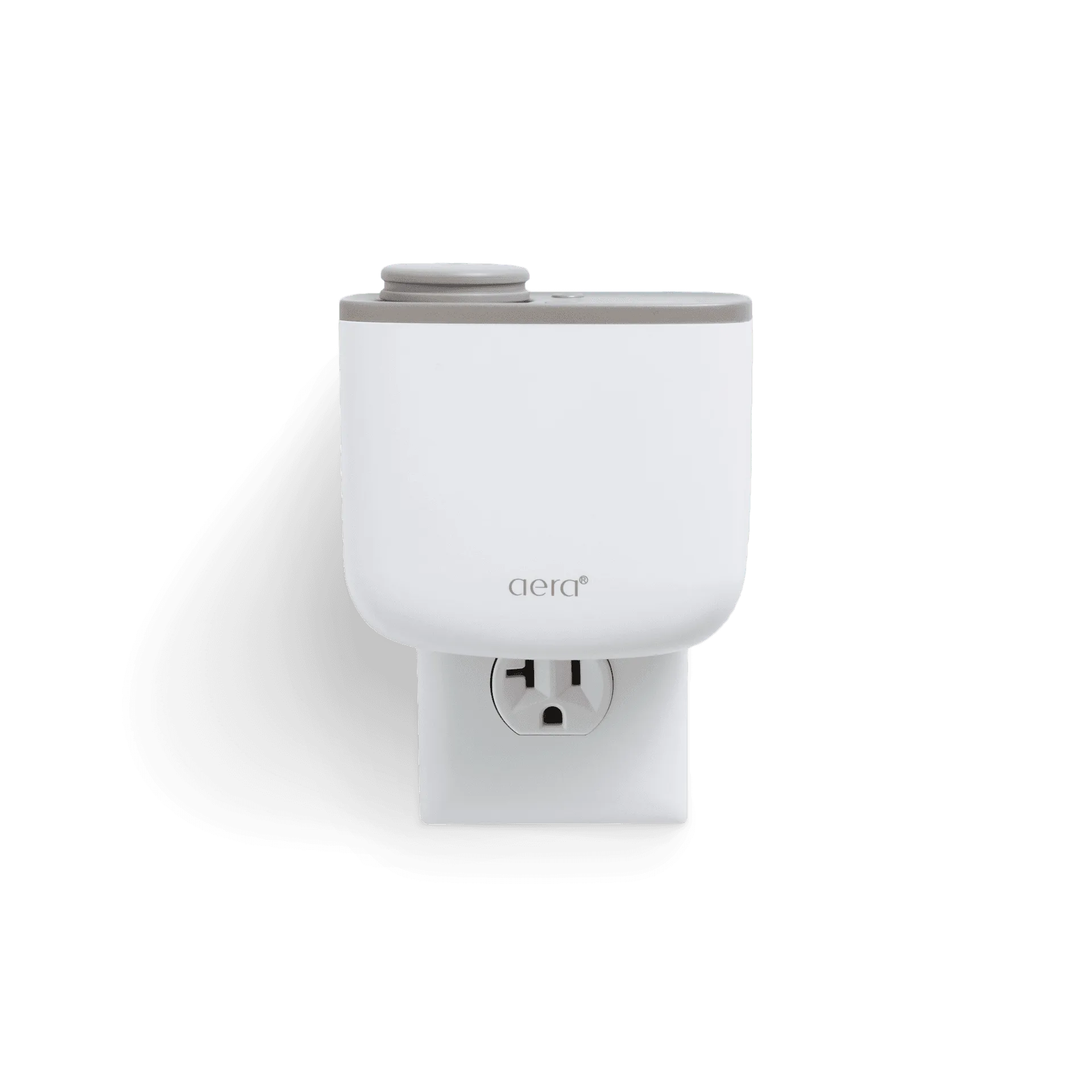
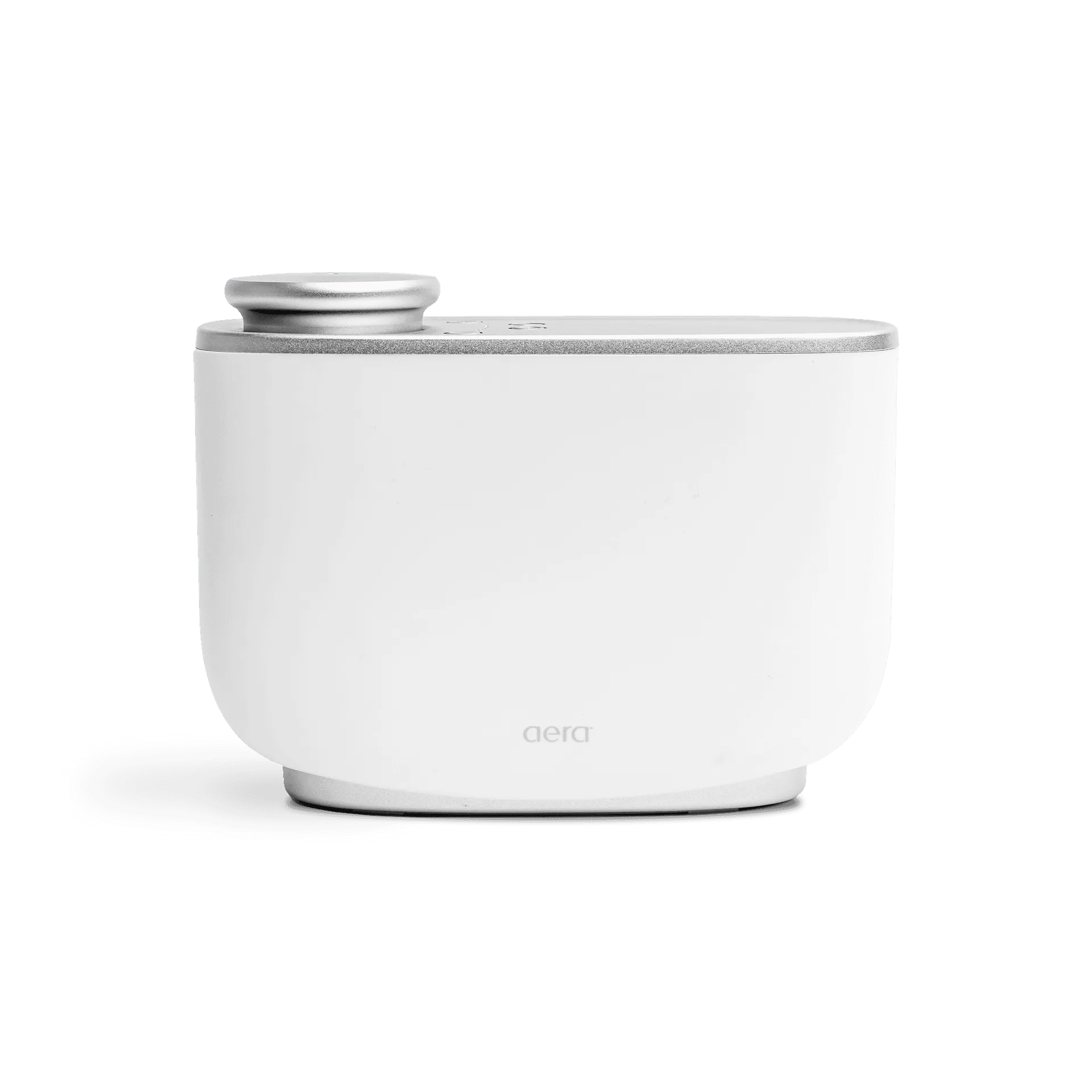
- Diffuser: Clean fragrance and aromatherapy diffuser system for medium to large-sized rooms. Create schedules and control with your phone using the app. Hypoallergenic scent technology, safe for your family & pets. No-fade, long lasting fragrance. Fragrance not included. Wi-Fi enabled. This device uses hypoallergenic scent technology, which may produce less oily residue than traditional ultrasonic diffusers, potentially reducing nozzle clogs.
A clogged diffuser nozzle is a common annoyance, but with the right diagnosis and a few simple cleaning steps, you can often fix it in minutes. Regular maintenance—using distilled water, cleaning weekly, and choosing high-quality oils—will keep your diffuser misting smoothly. If all else fails, don't hesitate to replace the unit or explore alternative diffusers that are easier to maintain.