Quick Answer
To prevent chafing during marathon training, apply a dedicated anti-chafe product like Thigh Rescue Gel to all friction-prone areas before every run. Choose moisture-wicking clothing, keep skin dry, and reapply during longer sessions to stay protected.
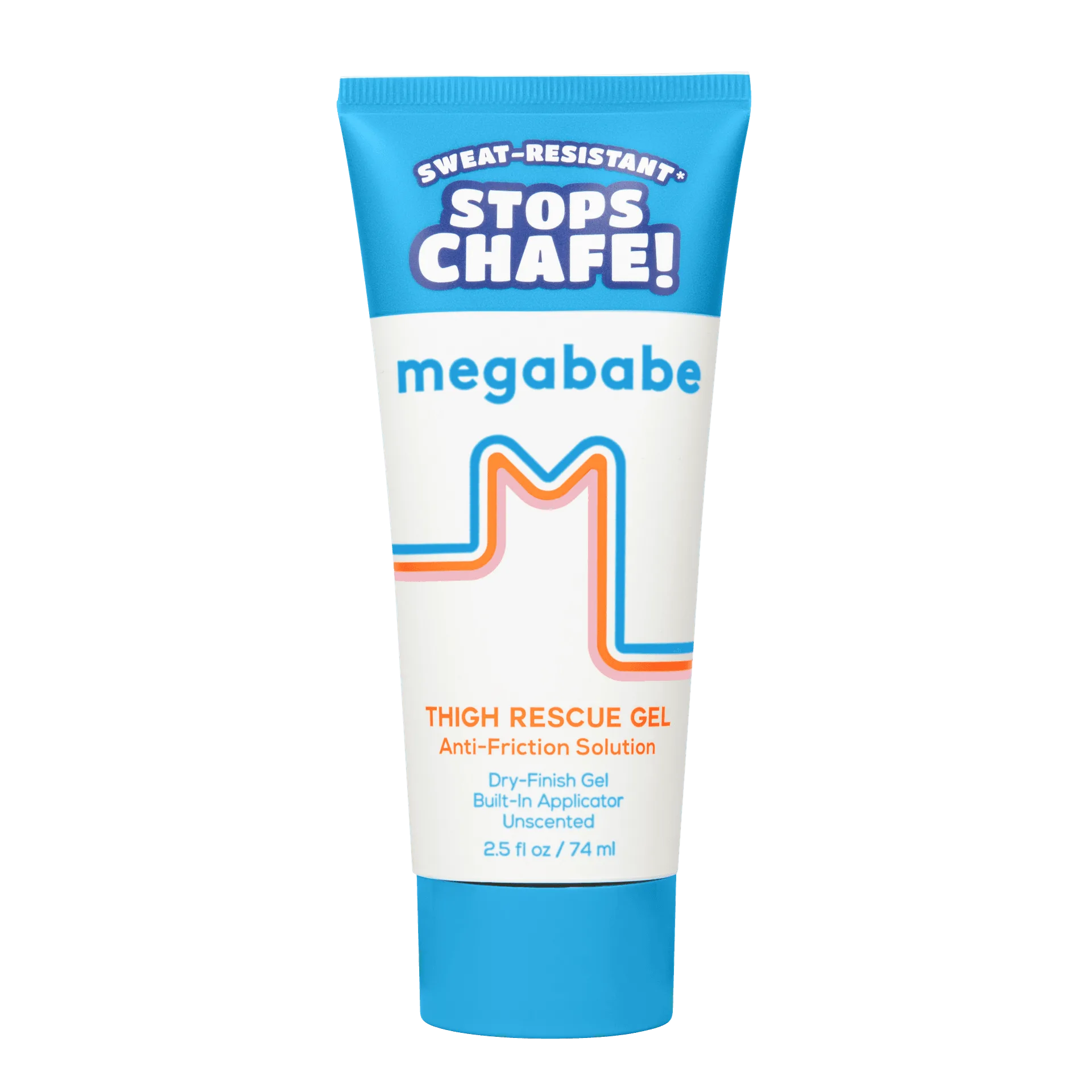
Thigh Rescue Gel
Marathon training pushes your body to new limits, but chafing can turn every mile into a painful reminder of friction. The good news? With the right preparation and products, you can keep your skin comfortable even on the longest runs.
Chafing happens when skin rubs against skin or clothing, especially when sweat and salt are involved. It commonly affects the thighs, underarms, and waistband areas. By taking a few proactive steps, you can prevent irritation and focus on your training goals.
Why Chafing Happens During Marathon Training
Chafing is caused by repetitive friction, moisture, and heat. As you run, your skin moves against itself or your clothing, and sweat adds a layer of moisture that increases friction. Over time, this can lead to redness, irritation, and even broken skin that makes every step uncomfortable.
Certain areas are more prone to chafing, including the inner thighs, underboobs, and waistbands. Long runs, especially in hot or humid weather, increase the risk. Understanding these triggers helps you target prevention where it matters most.
- Moisture-wicking fabrics reduce friction by keeping sweat away from your skin.
- Apply anti-chafe products before you start, not after the irritation begins.
How to Choose the Right Anti-Chafe Product
Not all anti-chafe products are created equal. Look for a formula that is sweat-resistant, easy to apply, and comfortable on the skin. Gels and sticks are popular because they glide on smoothly and form a protective barrier without leaving a greasy residue.
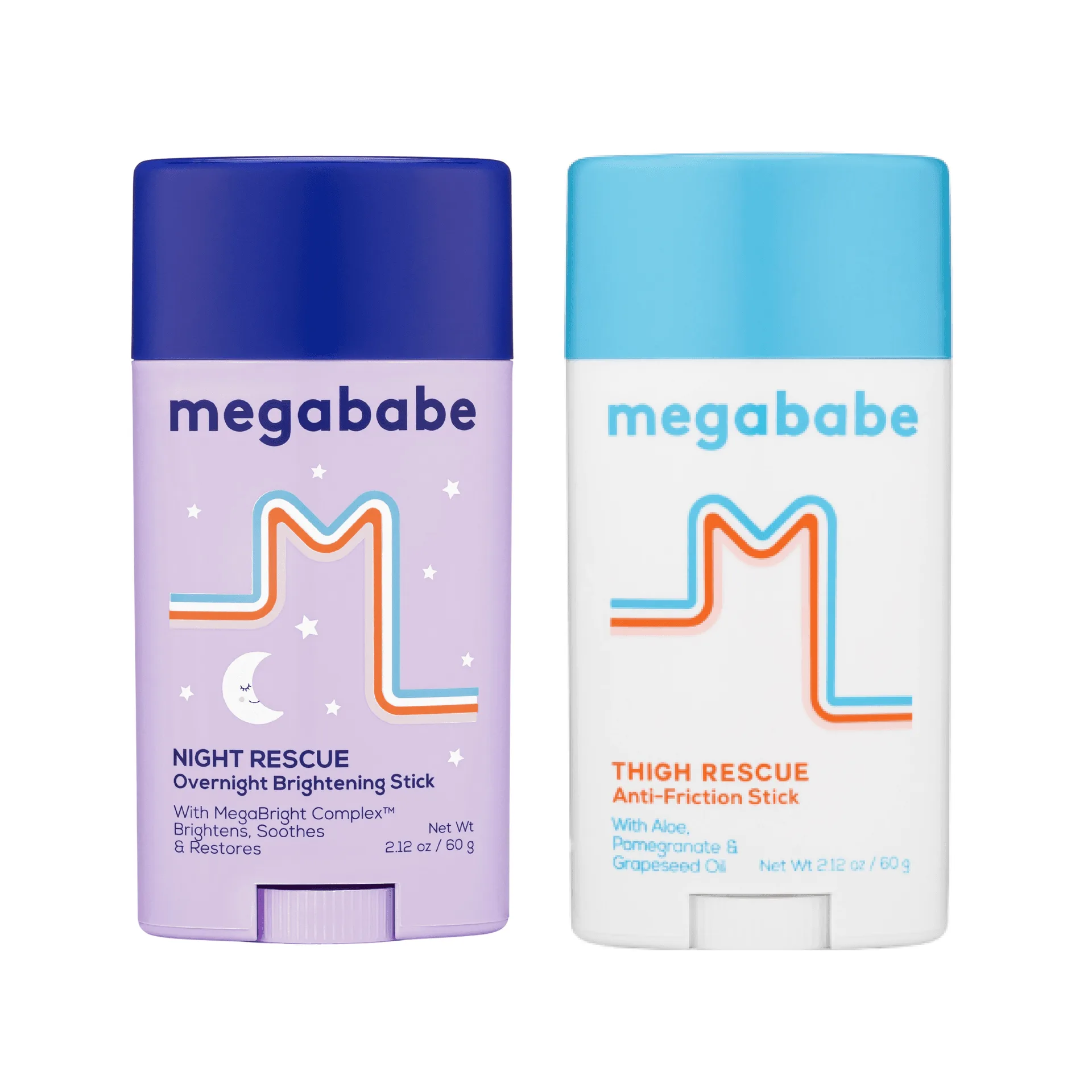
For marathon training, you want a product that stays put for hours. Thigh Rescue Gel is designed to be sweat-resistant and dries down fast, so it feels like nothing on the skin while protecting against chafe. It can be used on thighs, underboobs, skinfolds, and anywhere rubbing occurs.
Consider your skin sensitivity. Unscented options are often better for runners with sensitive skin, as added fragrances can cause irritation. Also, think about how easy the product is to reapply during a long run or race.
- Test any new product on a small area before a long run to check for reactions.
- Choose a formula that suits your sweat level and the climate you train in.
Preparing Your Skin Before a Run
Start with clean, dry skin. Apply your anti-chafe product to all friction-prone areas before you dress. This creates a protective layer that reduces friction from the very beginning. Don't forget areas you might not think about, like the waistband or sports bra lines.
If you're running a marathon, consider carrying a small amount of product with you for reapplying mid-race. Some runners use a mini keychain or travel-sized container for convenience. Reapplying during longer runs can make a big difference.
Pay attention to how your skin feels during training. If you notice any hot spots, address them immediately by applying more product or adjusting your clothing. Waiting until after the run can lead to more severe irritation.
- Apply anti-chafe product at least 10 minutes before running to let it set.
- Reapply every few hours during long runs, especially in humid conditions.
What to Do If Chafing Occurs
Even with the best prevention, chafing can sometimes happen. If you feel irritation during a run, stop and assess the area. Clean the skin gently, apply a soothing balm or petroleum jelly, and consider changing into dry clothing if possible.
After a run, clean the affected area with mild soap and water, pat it dry, and apply a healing ointment. Avoid tight clothing that can rub the area further. Give your skin time to recover before your next run.
If chafing becomes a recurring issue, evaluate your clothing and your anti-chafe routine. You may need to switch to different fabrics or apply more product to certain areas. Consistency is key to preventing future problems.
- Don't ignore chafing—it can worsen and lead to infections.
- Use a barrier cream to protect the area while it heals.
Step-by-Step Chafe Prevention Routine
- Step 1: Start with clean, dry skin: Shower and dry off completely before applying any anti-chafe product. Moisture on the skin can reduce the effectiveness of the product and increase friction. Checkpoint: Skin should feel dry to the touch before you apply anything.
- Step 2: Apply anti-chafe product to all friction zones: Apply Thigh Rescue Gel to your inner thighs, underboobs, waistband area, and any other spots that rub. Use a generous amount and spread it evenly. Checkpoint: You should not see any missed spots when you look in the mirror.
- Step 3: Dress in moisture-wicking clothing: Put on running clothes made from technical fabrics that pull sweat away from your skin. Avoid cotton, which holds moisture and increases friction. Checkpoint: If your clothes feel damp quickly, consider a different fabric.
- Step 4: Reapply during long runs: For runs over 90 minutes, carry a small container of Thigh Rescue Gel or a travel-sized version. Stop briefly to reapply to areas that feel warm or irritated. Checkpoint: If you feel any rubbing, reapply immediately rather than waiting.
- Step 5: Post-run care: After your run, shower and gently clean your skin. Apply a soothing lotion or balm to any areas that feel sensitive. This helps your skin recover and prevents future chafing. Checkpoint: Skin should feel comfortable, not sore, by the next day.
Products That Help
- Thigh Rescue Gel: Thigh Rescue Gel keeps you protected against chafe, even when life gets sweaty. The clear, lightweight gel glides on smoothly & dries down fast, feeling like nothing on skin while protecting like everything. Tested to be sweat-resistant, the unscented gel stays put wherever you need it: thighs, underboobs, skinfolds, waistbands or (truly) anywhere rubbing happens. This makes it an excellent anti-chafe stick for runners who need long-lasting protection during marathon training, especially in high-sweat conditions.
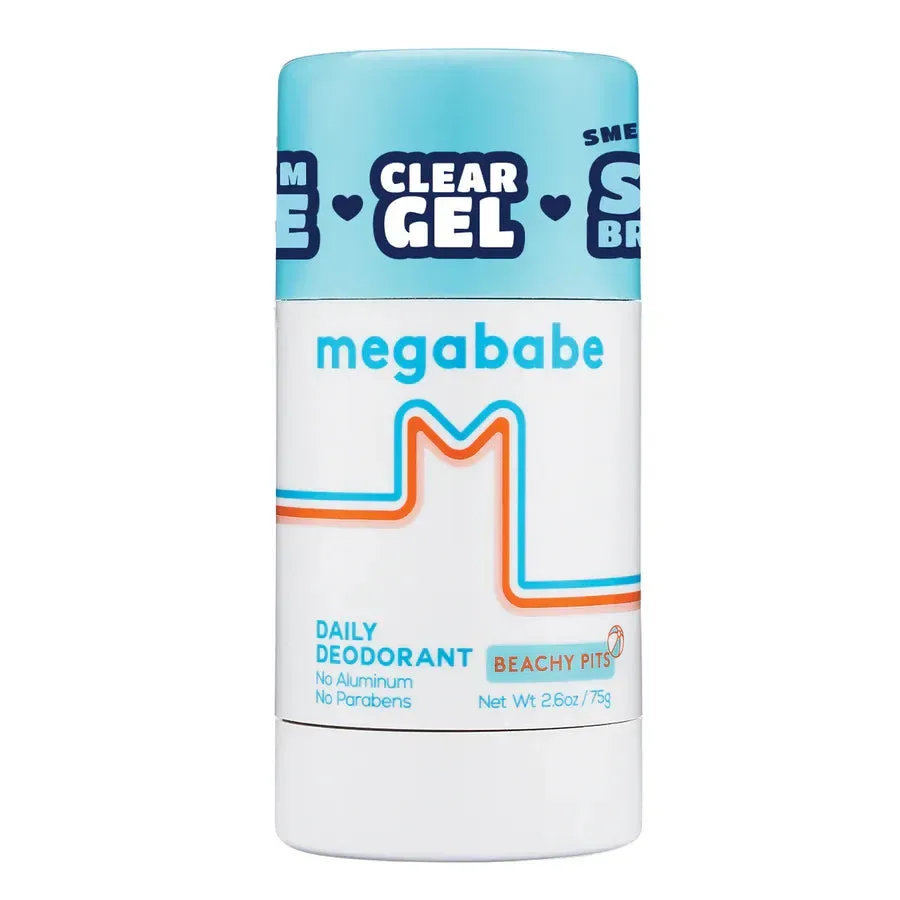
- Beachy Pits: Beachy Pits isn’t your typical beach scent. We think it smells like the very best part of sunscreen... vacation in a stick! This cult-fave deo has been gently updated with additional odor-fighting and skin-boosting ingredients. Enzymes and extracts break down odor and absorb wetness without aluminum or baking soda. For runners, this deodorant helps manage underarm sweat and odor, complementing your chafe prevention routine by keeping skin dry and fresh.
Preventing chafing during marathon training is all about preparation and the right products. By incorporating Thigh Rescue Gel into your routine and following these steps, you can focus on your training without the distraction of painful friction.