Quick Answer
Most cuticle lifting comes from three things: oil or moisture left on the nail plate, polish flooded into the cuticle line, or coats applied too thick. Fix prep first, keep a hairline gap at the cuticle, and build thin layers. If lifting keeps returning after that, the problem is usually your lamp, your base coat, or nail plate damage rather than the color itself.
Gel polish lifting at the cuticle is frustrating because it rarely shows up on day one. The edge looks sealed, then a week later the gel has popped free along the base of the nail and starts catching on hair, fabric, and everything else.
The good news is that cuticle lifting is one of the most predictable gel problems to fix. It follows a pattern, and once you know which stage of your manicure is causing it, the correction is usually small. This guide walks through the symptoms, the likely causes, the fix for each one, and the point where you should stop and change your approach instead of redoing the same manicure again.
What Cuticle Lifting Actually Looks Like
True cuticle lifting starts at the base of the nail, right where the gel meets the eponychium. You will see a gap, a lifted lip, or a visible white line of separation before the gel ever chips at the tip. Sometimes the whole edge lifts in one clean piece; other times it peels slowly and takes a little surface of the natural nail with it.
This matters because the cause is different from tip chipping. Tip wear comes from impact and edge stress. Cuticle lifting comes from the foundation: what was on the nail plate before the gel went on, and how the product was placed at the base of the nail.
- Gap or lip at the cuticle line within 3-10 days is a prep or application issue, not normal wear.
- Lifting that starts at the tip and works backward is a different problem.
- If the lifted edge feels tacky underneath, product was likely applied over oil or moisture.
Cause 1: Prep That Leaves Oil or Moisture Behind
Gel needs a dry, oil-free surface to bond. Cuticle oil, hand cream, soap residue, and even natural oils from your skin will sit between the nail plate and the base coat. The gel cures on top of that layer instead of onto the nail, so the bond is only as strong as the oil film underneath.
The fix is order of operations. Do your cuticle work and shaping first, then wash and dry your hands, then dehydrate the nail plate, then apply bonder or primer if you use one, then base coat. If you apply cuticle oil or hand cream before the gel is fully finished, you have re-oiled the nail you just prepped.
- Clean up cuticles before you dehydrate, not after.
- Let nails dry completely after washing; moisture hides in the sidewalls.
- Save cuticle oil and hand cream for after the final top coat is cured.
Cause 2: Flooding the Cuticle Line
Flooding is when gel touches the skin at the base of the nail. Skin flexes and sheds, gel does not. The moment the gel is bonded to skin instead of only to the nail plate, that edge is being pulled in two directions every time you move your finger. It lifts, and it usually takes the nearby gel with it.
Prevention is about leaving a deliberate hairline gap. Apply base coat and color slightly away from the cuticle, then use a clean detail brush to pull the product into a neat curve without touching skin. If you do flood, clean it up before curing. Curing gel onto the skin makes removal harder and raises the risk of irritation.
- Aim for a gap about the width of a hair between gel and cuticle.
- Clean flooded edges with a brush and cleanser before curing, not after.
- If you cannot control the brush, use a smaller brush or thinner coats.
Cause 3: Coats That Are Too Thick
Thick coats cure unevenly. The surface may look set while the layer underneath is still soft, and soft gel at the base of the nail will lift under normal daily flexing. Thick color also tends to pool at the cuticle, which combines flooding with under-curing in one move.
Build your manicure in thin layers instead. Two or three thin color coats will look more even and cure more reliably than one heavy coat. The same logic applies to top coat: a thin, floated layer seals the edge without creating a ridge that catches on everything.
- Wipe your brush on the bottle neck so you are not carrying excess product.
- If a coat looks streaky, cure it and add another thin coat rather than adding more product.
- Check your lamp's recommended cure time and follow it for each layer.
Cause 4: Under-Cured Base or Top Coat
If the base coat is not fully cured, everything above it is sitting on a soft foundation. Cuticle lifting is a common first symptom because that area is the hardest part of the nail for the lamp to reach consistently. Hands positioned too far back, fingers crowded together, or a lamp that no longer matches the product can all leave the base under-cured.
Check that your lamp is the type your gel system requires, that fingers sit fully inside it, and that you are not stacking fingers so the sides are shadowed. If your lamp is old, the bulbs or LEDs may have lost output even if they still light up.
- Cure the thumb separately if it sits outside the lamp's coverage.
- Do not pull your hand out early; follow the product's stated cure time.
- If lifting is always at the same finger, suspect lamp positioning, not your prep.
Cause 5: Weak or Damaged Nail Plate
A nail that is thin, peeling, or still recovering from a previous harsh removal does not give gel much to hold on to. If the surface is flaking, the gel bonds to flakes that eventually come away. This is the point where repeating the same manicure will not solve the problem.
Give the nail a break, keep it short, and let the plate recover. When you resume, use gentle removal and avoid over-filing the surface. If your nails are consistently thin after every gel cycle, the removal method is the real issue, not the polish.
- Stop filing the natural nail surface if it is already thin.
- Never peel or pick gel off; that removes layers of the nail plate.
- If nails stay weak after a break, see a professional or a doctor before continuing.
Cuticle Lifting Diagnosis: Match the Symptom to the Fix
- Lifting within 3 days, clean edge, no visible damage: This points to prep or application. Re-check dehydration, cuticle gap, and coat thickness before changing products. If it happens again after correcting prep, move to the next diagnosis.
- Lifting at the same finger every time: Positioning or lamp coverage is the likely cause. Cure that finger separately and make sure it sits fully inside the lamp. If lifting moves to a different finger after repositioning, the lamp was the issue.
- Lifting with a soft or tacky layer underneath: The base coat was under-cured or applied over oil. Re-prep, cure the base fully, and keep the first color coat thin. Stop and reassess the lamp or base coat if this repeats.
- Lifting on thin, peeling, or recently damaged nails: The nail plate cannot hold the gel reliably right now. Take a break from gel, keep nails short, and let them recover. Do not keep redoing the manicure on a damaged plate.
- Lifting continues after prep, placement, and curing are all corrected: The product system may not match your lamp, or the base coat may not suit your nails. Try a different base or consult a professional. At this point, changing technique alone will not fix it.
Product Details That Support Better Adhesion
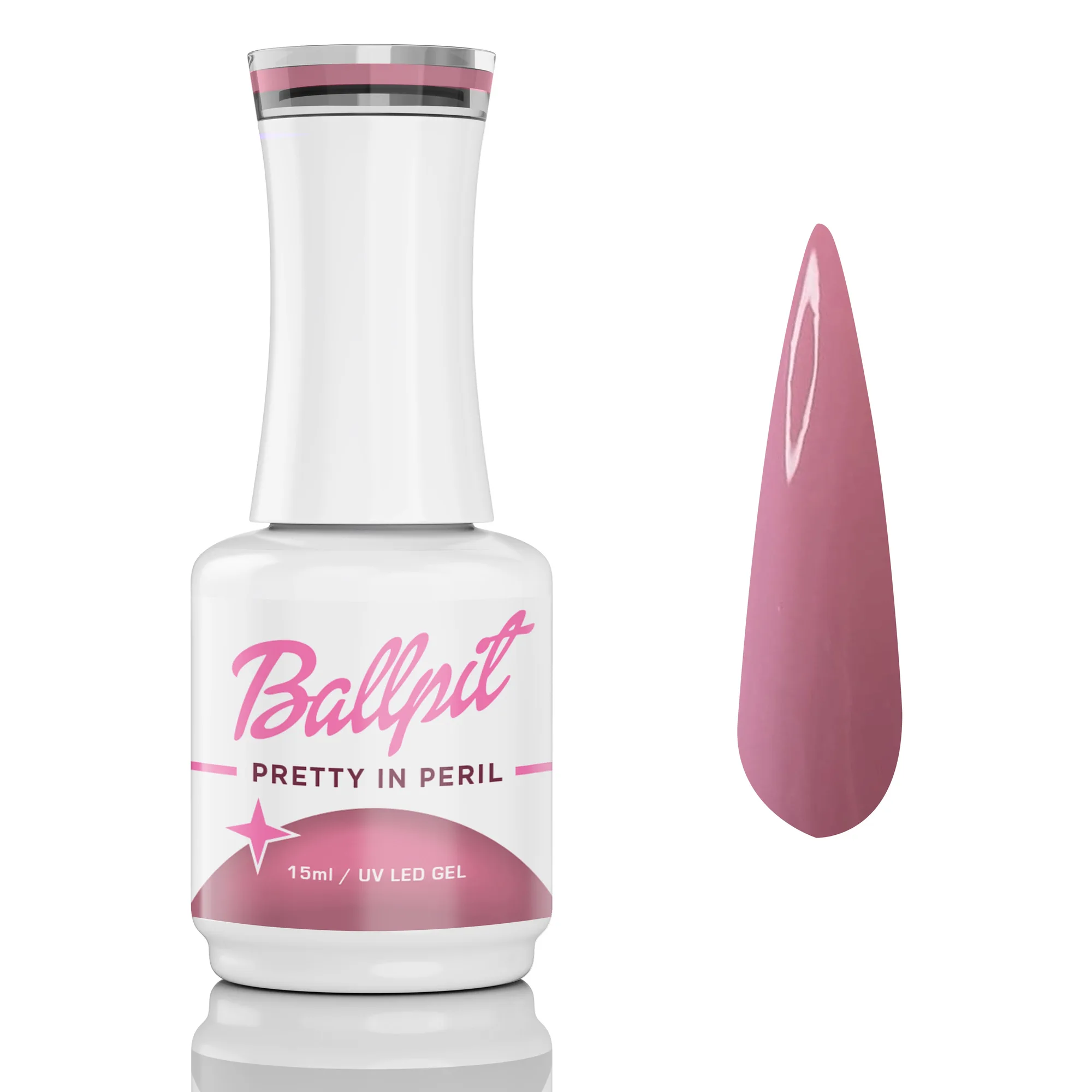
- Pretty in Peril - Gel Polish: 15ml UV / LED soak-off gel made with the brand's classic creamy gel formula, featuring extreme pigment and anti-spread properties. An anti-spread formula helps you place color precisely without it running into the cuticle line, which is one of the main causes of cuticle lifting. Higher pigment also means you can use thinner coats and still get coverage.
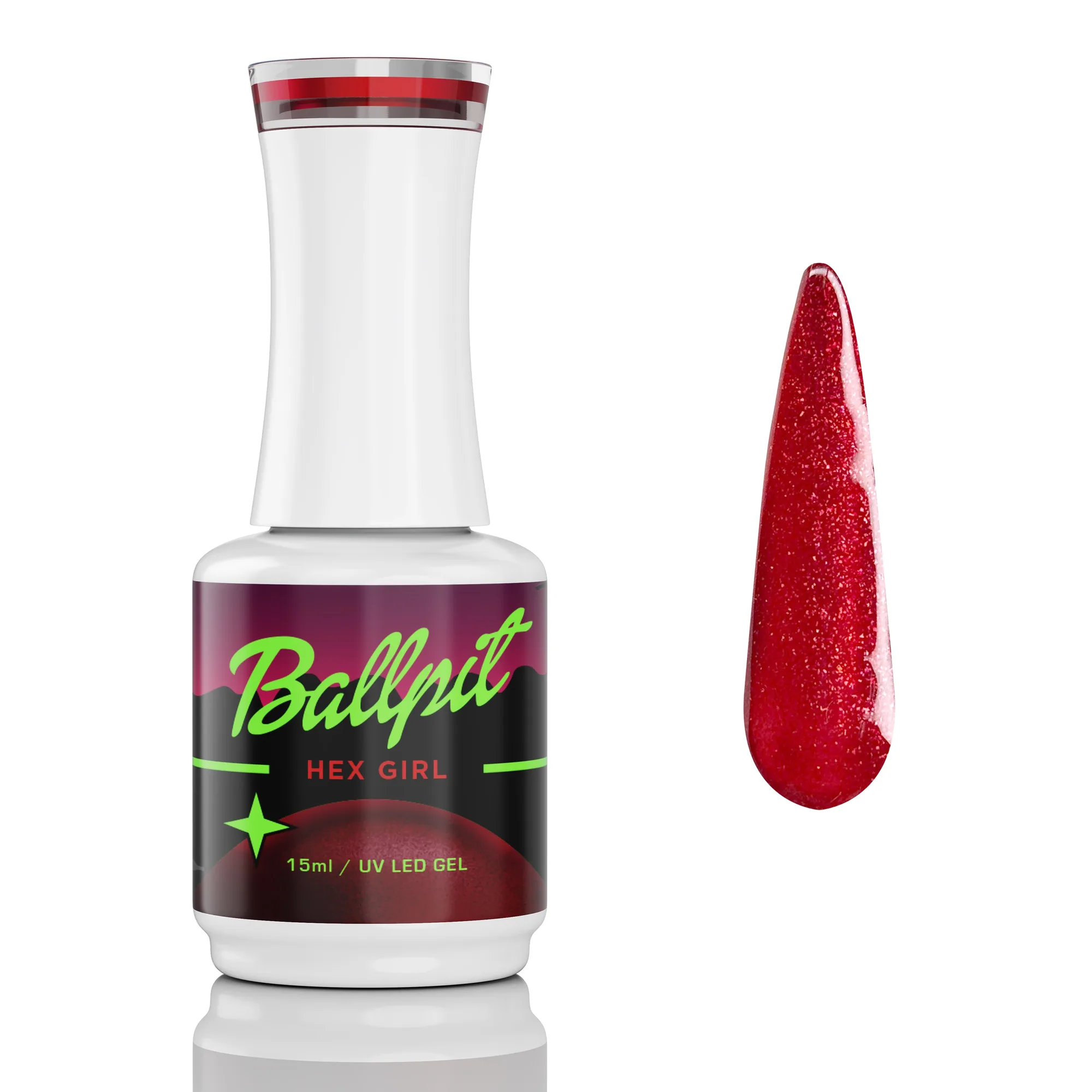
- Hex Girl - Limited Edition Gel Polish: 15ml limited edition UV / LED soak-off gel with a self-leveling glitter formula. Self-leveling glitter can be applied in a controlled layer without thick ridges, so the base of the nail cures more evenly and the edge stays flatter at the cuticle.
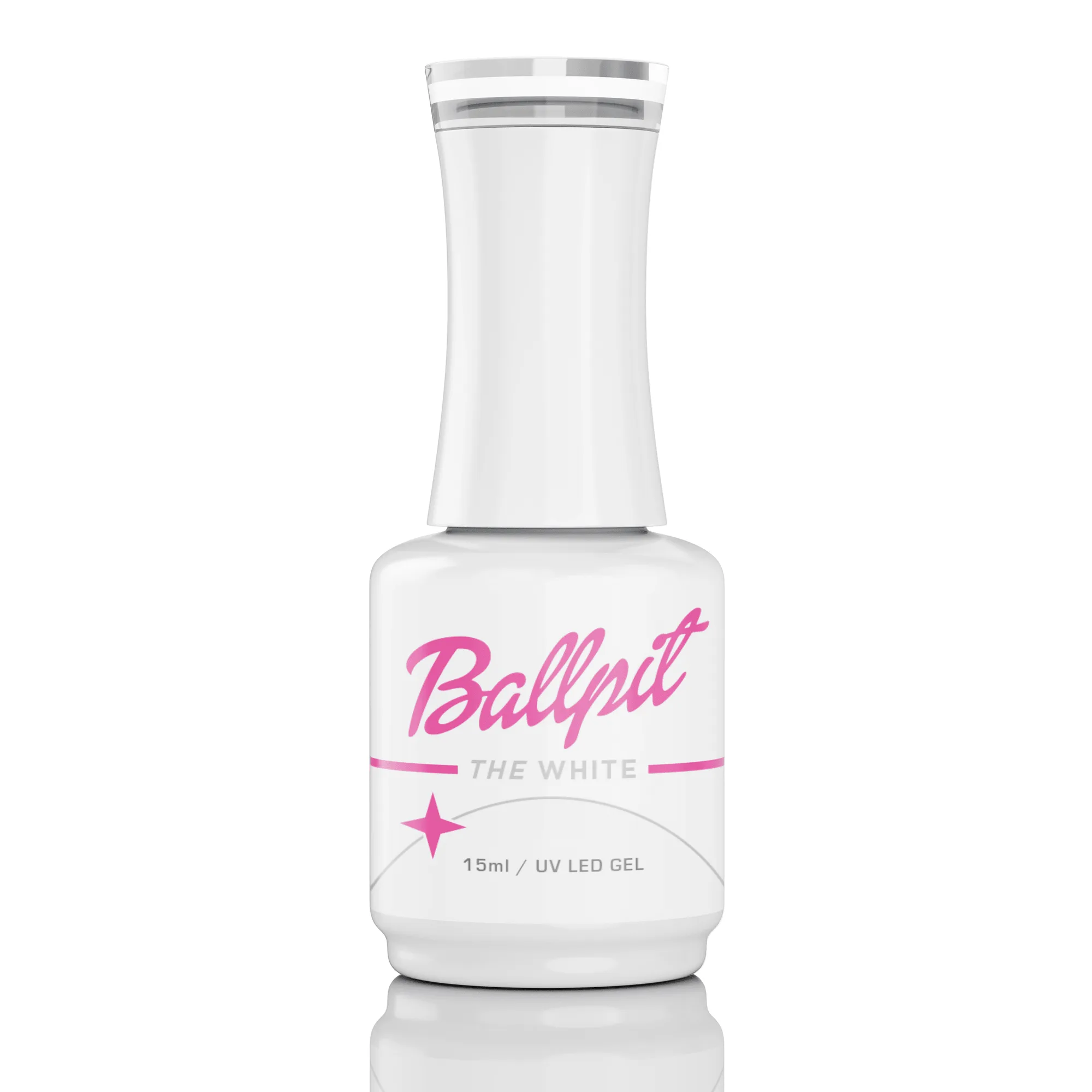
- The White - Gel Polish: UV / LED soak-off gel in a 15ml size, offered in a Standard option and intended for gel manicure use with UV or LED curing. White is the shade most likely to look uneven if applied thickly. Using it in thin, fully cured layers is the practical way to avoid the soft base that leads to cuticle lifting.
Cuticle lifting is almost always a foundation problem, not a color problem. Fix prep, keep a clean gap at the cuticle, build thin coats, and confirm your base is fully cured. If lifting still returns after all of that, stop repeating the same manicure and look at your lamp, your base coat, or the condition of your nail plate.