Quick answer
Prevent needlepoint hand fatigue by stitching with a relaxed grip and straight wrist, supporting your canvas at a comfortable height, and taking a short break every 20 to 30 minutes. Adjust these three things before you buy any gadget; most soreness comes from posture and tension, not from the kit itself.
Hand fatigue is one of the quiet reasons stitchers put a project down for weeks. The stitches themselves are small, but the same few muscles repeat thousands of times, and a cramped grip or a low canvas turns a soothing hobby into a dull ache.
The good news is that needlepoint hand fatigue usually responds to small setup changes rather than expensive equipment. Below is a step-by-step routine you can run through before, during, and after a stitching session, plus a few product notes that genuinely help.
Set up your stitching spot before you thread a needle
Most stitching pain prevention starts before the first stitch. Sit with both feet flat, your forearms roughly parallel to the floor, and your canvas angled toward you rather than lying flat on a table. If your canvas is too low, you will hunch and grip harder to compensate.
A simple pillow, lap stand, or rolled towel under the canvas can raise it enough to relax your shoulders. Keep your elbows close to your body instead of winging out. This is the foundation of needlepoint ergonomics: bring the work to you rather than reaching for it.
- Checkpoint: if you have to lean forward to see the holes, raise the canvas or improve the light before you stitch another row.
Loosen your grip and let the needle do the work
A death grip on the needle is the fastest route to needlepoint wrist pain. Hold the needle like a pencil, with light pressure, and let your fingers guide rather than squeeze. If your knuckles turn white, you are working too hard.
The same applies to your non-stitching hand. Instead of clamping the canvas, rest it on your lap or a stand and use gentle pressure to steady it. When your hand starts to cramp, stop and shake it out for ten seconds before continuing.
- Common mistake: gripping tighter when a thread tangles. Untangle first, then resume with a relaxed hand.
Take timed breaks and change position
Set a timer for 25 minutes. When it goes off, stand up, roll your shoulders, and stretch your fingers and wrists. Even a 60-second break resets the muscles and helps you stitch without hand cramps for longer sessions.
Use the break to check your posture. Are your shoulders creeping up? Is your neck jutting forward? A quick reset keeps comfortable needlepoint stitching possible over many evenings rather than one long, painful push.
- Checkpoint: if you feel tingling or numbness, stop for the day. That is not ordinary fatigue.
Keep your hands and threads in good condition
Dry skin catches on wool and silk, which makes you grip harder and work slower. A small amount of hand lotion can help, but it must not stain your fabric or threads. Look for a non-greasy, unscented formula that washes out if it touches your work.
Thread condition matters too. Short lengths, around 18 inches, reduce friction and the urge to tug. If your thread is fraying or your needle is dull, replace it; a sharp needle passes through canvas with far less effort.
- Practical tip: keep a dedicated stitching lotion in your project bag so you use it before your hands feel rough, not after.
Your 5-step anti-fatigue stitching routine
- Raise and angle your canvas: Prop your canvas on a pillow, lap stand, or rolled towel so the surface tilts toward you and sits at roughly chest height. Sit with feet flat and forearms parallel to the floor. Checkpoint: if you are leaning forward or looking down your nose, raise it another inch.
- Hold the needle lightly: Grip the needle like a pencil with just enough pressure to control it. Let your wrist stay straight rather than bending it up and down with every stitch. Common mistake: gripping harder when the thread drags. Untangle or shorten the thread instead.
- Stitch in 25-minute blocks: Set a timer for 25 minutes. When it rings, stand, stretch your fingers and wrists, and roll your shoulders before starting the next block. Checkpoint: tingling or numbness means stop for the day, not push through.
- Moisturize before you start: Apply a non-greasy, non-staining hand lotion before stitching and after washing your hands. Dry skin increases friction and makes you squeeze the needle. Use a formula that washes out of fabric, like Stitcher's Hand Lotion, so you can stitch without worry.
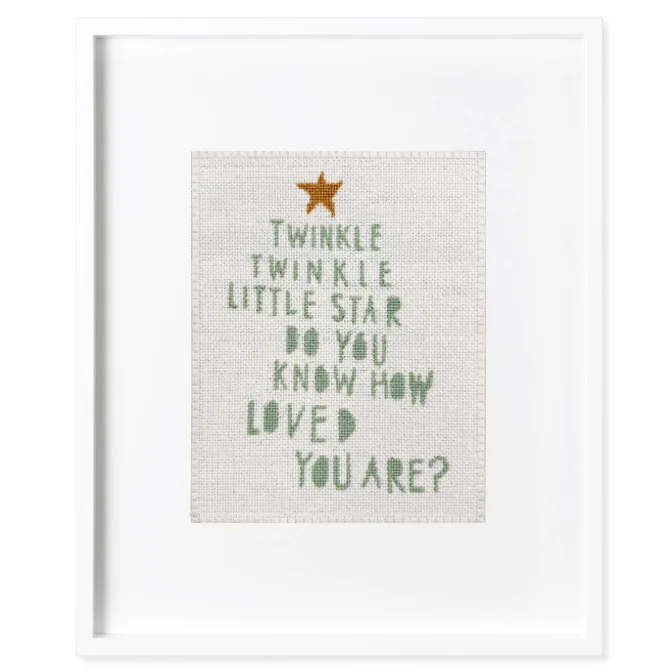
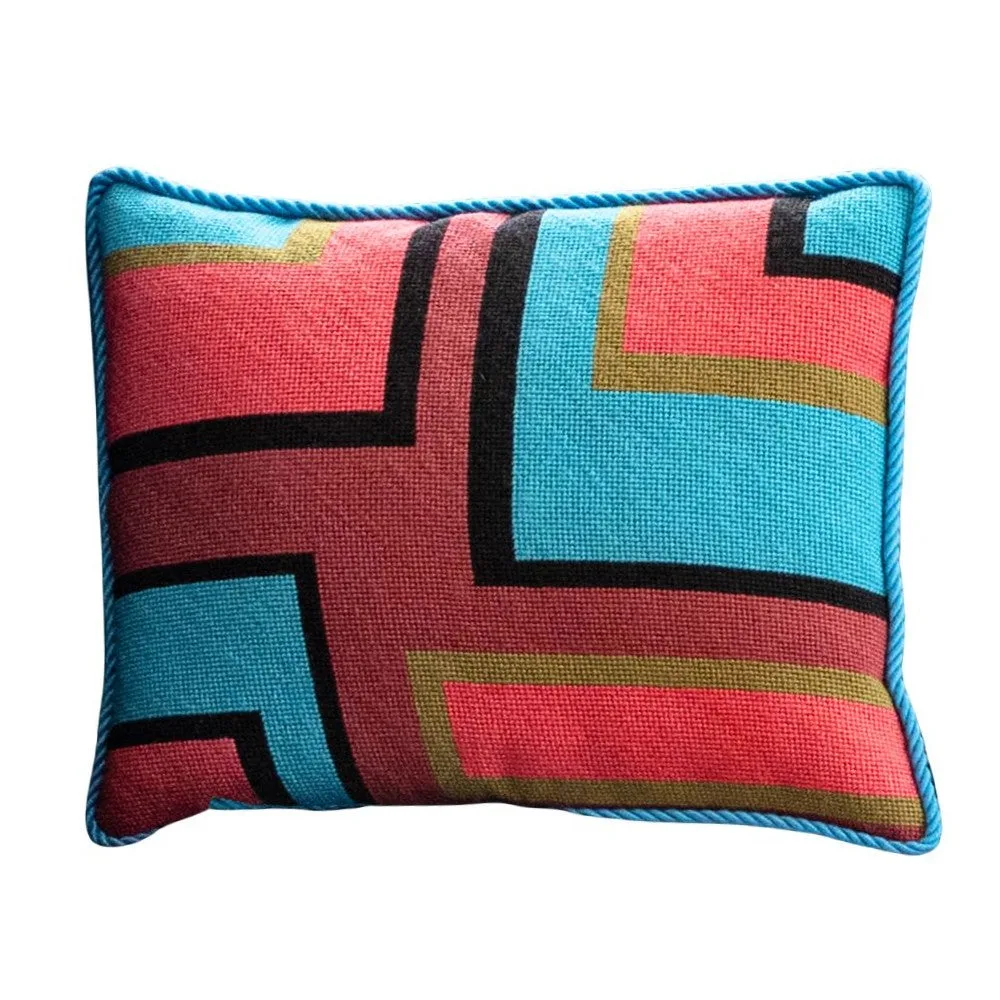
- Match mesh to your hand stamina: If fatigue hits early, choose a 10-mesh or 14-mesh kit rather than 18-mesh. Larger holes need less force per stitch, which adds up over hundreds of stitches. Try Future Pink Needlepoint Pillow Kit (10-mesh) or Twinkle Twinkle Little Star Pistachio Needlepoint Kit (14-mesh) for easier stitching sessions.
Products that support comfortable stitching
- Stitcher's Hand Lotion: Luxuriously soothing lotion that is safe to use even while stitching. The non-greasy formula, with aloe vera, won't stain your fabric or threads. Unscented, 2 fl oz tube with flip cap. Washes out if it gets on clothing or needlework projects, and it is non-staining. Dry hands make you grip tighter and stitch slower. A non-staining lotion lets you moisturize mid-project without risking your canvas or threads.
- Twinkle Twinkle Little Star Pistachio Needlepoint Kit: Includes an 8" x 10" design on 14-mesh mono canvas, a hand-picked selection of single-ply Pepperpot Silk, Milan wool/silk blend, and Entice sparkly threads, two Bohin stainless steel size 20 needles, and an illustrated stitch guide with beginner instructions. The 14-mesh canvas has larger holes than 18-mesh, so the needle passes through with less resistance, which is easier on tired hands.
- Future Pink Needlepoint Pillow Kit: Canvas is an edge-taped 10-mesh interlock needlepoint canvas with the 14" x 12" abstract art professionally color-printed on. Yarns are Appleton's 100% wool tapestry yarns for Basketweave or Continental stitch, with two stainless steel needles and instructions. A 10-mesh interlock canvas is the most forgiving mesh for hand fatigue because the holes are large and the canvas is stiff, so you need less grip strength to stitch.
Hand fatigue is not a sign you are doing needlepoint wrong; it is a signal to adjust your setup. Fix your posture, loosen your grip, take breaks, and choose a mesh that suits your hands. Your projects will last longer, and so will your stitching sessions.