Quick Answer
Most lace bralette snags come from metal hardware, zippers, and rough edges, not from the lace itself. Wash lace in a mesh bag on cold, fasten hooks before washing, and keep bralettes away from Velcro, exposed zippers, and rough jewelry. If a single thread pulls, do not cut it. Ease the loop back through with a blunt needle and reshape the lace by hand.
A pulled thread in a lace bralette feels like a small disaster, but it is usually a fixable one. Lace is a looped fabric, which means it can catch on almost anything with a rough edge or a sharp point. Knowing what actually causes the damage makes lace bralette care much simpler.
This guide separates the symptom from the cause, gives you a corrective action for each situation, and tells you when a repair is worth doing and when it is time to let the piece go.
Why Lace Snags So Easily
Lace is built from a network of loops rather than tightly woven threads. That structure is what gives it stretch and a delicate look, but it also means a single loop can be lifted out of place by anything that catches it. Zippers, hook-and-eye closures, Velcro, rough seams, and even a jagged fingernail are common culprits.
The snag itself is not usually a tear. A pulled loop can often be worked back into place, which is why the first rule of lace bralette maintenance is to resist the urge to cut the loose thread. Cutting it turns a repairable pull into a hole.
- Fasten hooks and eyes before washing so they cannot catch on lace.
- Turn lace pieces inside out and place them in a mesh laundry bag.
- Check bag straps, zippers, and jewelry before dressing.
Washing and Drying Without Damage
Most bralette fabric damage happens in the wash, not on the body. Lace can rub against zippers, snaps, and heavier fabrics in the drum, which lifts loops and dulls the pattern. Use cold water on a gentle cycle, or hand wash if the lace is very fine. Skip the dryer entirely; heat and tumbling are hard on stretch fibers and lace edges.
If you hand wash, squeeze water through the lace rather than wringing it. Lay the bralette flat to dry and reshape the cups and straps while damp. Hanging a wet lace bralette by one strap can stretch it out of shape.
- Use a mesh bag sized for delicates so the piece is not crushed.
- Avoid fabric softener, which can coat fibers and reduce stretch.
- Lay flat to dry; never tumble dry lace.
How to Repair a Snag Without Making It Worse
For a single pulled loop, turn the bralette inside out and use a blunt needle or a fine crochet hook to gently pull the loop back to the wrong side. Work slowly and follow the direction of the lace pattern. Do not pull hard, and do not trim the thread unless it is already broken.

crochet
If the thread has snapped and left a small hole, a few tiny stitches with matching thread can stabilize the edge and stop it from running. This is a stopgap, not a rebuild. If the hole sits on a seam or a high-stretch area, stitching may distort the fit, and replacement is the better call.
- Work on the wrong side of the lace to hide the repair.
- Match thread color and use the smallest needle you have.
- Stop if the lace starts to pucker or the hole grows.
When to Stop Repairing and Replace
A snag in a stable area of lace is usually a quick fix. A tear that crosses a seam, runs along an underwire channel, or sits where the band stretches with every breath is a different problem. Repeated repairs in those spots tend to fail because the fabric around them is already weakened.
If the lace has lost its stretch, if multiple loops are pulling at once, or if the repair changes how the bralette sits, replacement is the practical choice. Delicate lace has a lifespan, and pushing past it usually means the piece fails at the worst moment.
- Replace if the tear crosses a seam or a high-stretch zone.
- Replace if the lace no longer springs back after stretching.
- Repair only single pulls in stable, low-stretch areas.
Everyday Habits That Protect Lace
The easiest way to protect a lace bralette is to control what it touches. Put the bralette on before jewelry, and take it off after removing necklaces and bracelets. Check the inside of tops and dresses for exposed zippers, hooks, or rough embroidery that could rub against the lace all day.
Storage matters too. Fold lace bralettes flat or hang them separately rather than tossing them into a drawer with hardware-heavy items. A small amount of separation prevents the slow abrasion that turns into a snag.
- Dress the bralette before jewelry, undress it after.
- Store lace away from zippers, belts, and bags with metal hardware.
- Rotate lace pieces so no single bralette takes daily wear.
Lace Damage Diagnosis
- Single pulled loop, no broken thread: Turn the piece inside out and ease the loop back through with a blunt needle or fine crochet hook. Work in the direction of the lace pattern and do not cut the thread. Repairable at home in a few minutes.
- Small hole with a snapped thread in a stable area: Stabilize the edge with a few tiny matching stitches on the wrong side. Keep the stitches loose so the lace can still stretch. A stopgap repair; check it after each wash.
- Tear across a seam, underwire channel, or high-stretch band: Do not stitch this yourself. The surrounding lace is already weakened, and a repair will distort the fit or fail under tension. Replace the piece rather than repairing it.
- Lace that no longer springs back after stretching: Loss of stretch means the fibers are worn, not just snagged. No repair restores elasticity to tired lace. Choose a new bralette and retire this one.
Catalog Details That Matter for Lace Care
- My Kind of Night Lace Teddy: Size range S to XL with bust 33.9-41.7 inches and waist 26-33.9 inches. A lace piece that fits your measurements closely puts less strain on the lace, which reduces the chance of pulls at the seams.
- Scallop Trim Teddy: Size range S to XL, with a listed length of 24.8-27.2 inches and bust 34.6-39.4 inches. Scalloped lace edges are common snag points; checking the listed length and bust before buying helps you avoid a fit that tugs on those edges.
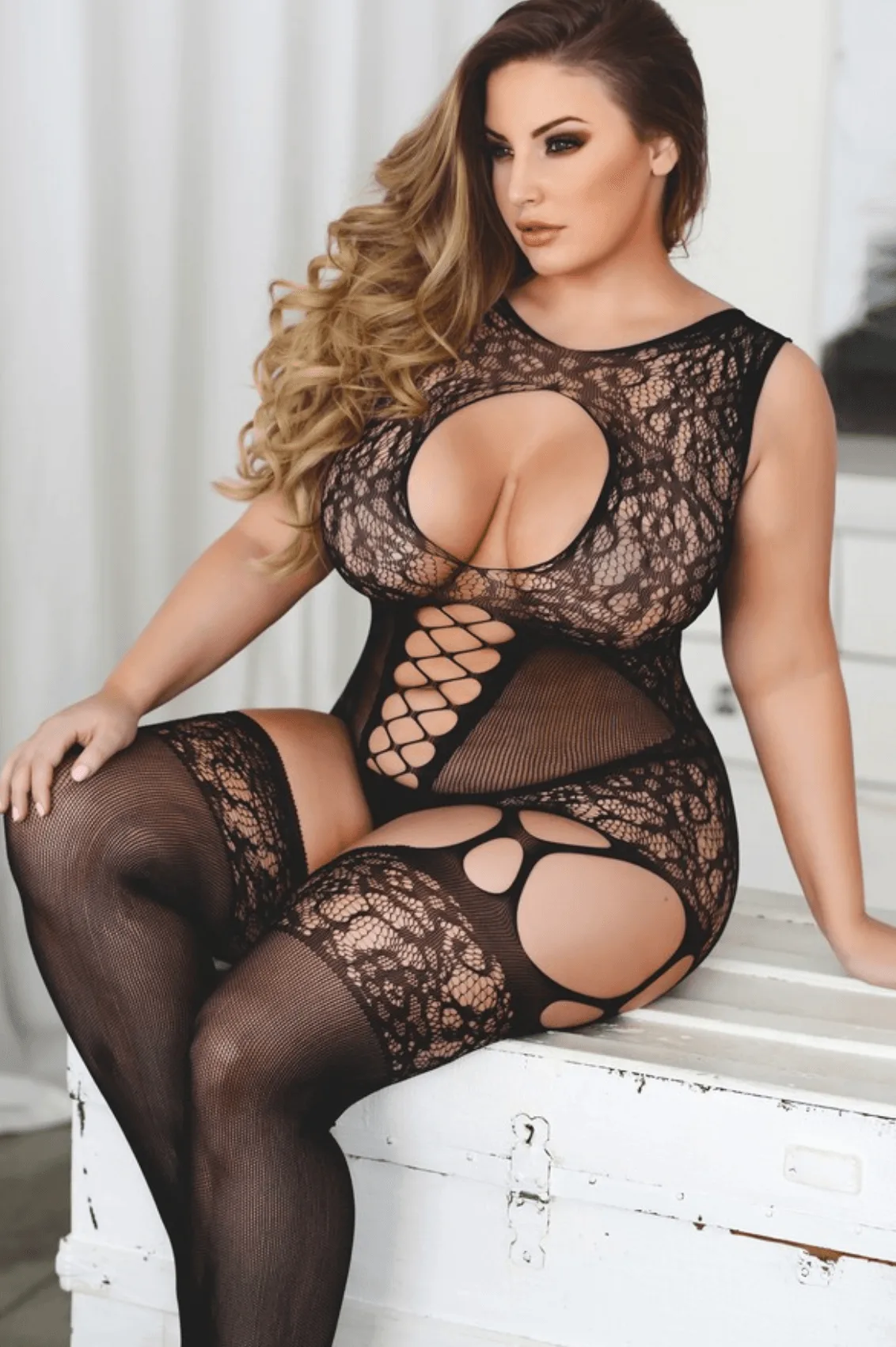
- Flaunt It Crotchless Bodystocking: Soft and stretchy with attached garter tights, sized for 150-250 lbs and 5'7"-6'2". Stretch lace blends need the same cold-water, mesh-bag care as finer lace, and the attached tights add more hardware-free fabric that can catch on rough surfaces.
Lace bralettes last longer when you treat snags as a warning rather than a crisis. Keep them out of the dryer, away from hardware, and repair only the pulls that sit in stable fabric. When the lace itself gives out, replace it without guilt.