Quick answer
Color transfer happens when dye moves from one material to another through rubbing, moisture, or heat. To prevent it, keep dark leather away from light fabrics, avoid overloading your bag so it presses against your clothes, and treat new or brightly dyed leather before first use. If transfer has already happened, act quickly with a leather-safe cleaner and stop if the finish starts to lift.
You notice a faint shadow on your white shirt where your bag rested, or a pale smear on the corner of a dark leather satchel. That is color transfer, and it is one of the most common complaints about leather bags, especially in humid weather or with new, heavily dyed pieces. The good news is that most transfer is preventable and often reversible if you catch it early.
This guide separates what you see from what actually causes it, then gives you corrective steps and a clear stopping point. It applies to any leather bag, including Cambridge Satchel styles like The Sophie, The Mini Sophie, and The Poppy, and it will help you decide when a bag is simply the wrong choice for your wardrobe or climate.
What color transfer actually looks like
Transfer usually appears as a dull, uneven patch rather than a sharp stain. On light clothing, you may see a grey, blue, or brown shadow along the side of the bag or where the strap crosses your shoulder. On light leather, you may find a dark smudge from indigo denim, a red mark from a coat lining, or a general darkening where the bag rubs against your body.
It helps to distinguish transfer from other marks. Scratches are physical lines in the surface; transfer is pigment sitting on top. Water stains have a tide-line edge; transfer is usually soft-edged and follows a contact pattern. If the mark appears only where the bag touches fabric, transfer is the likely cause.
- Check the inside of the strap and the back panel first, since these rub most.
- Look at the contact points on your clothing, not just the bag.
- Photograph the mark before you treat it so you can see if it fades.
Why it happens: dye, friction, moisture, and heat
Leather is dyed, and some dye remains near the surface, especially on deeply saturated colors like oxblood or bright red. When that surface rubs against another material, pigment can migrate. Friction alone can do it, but moisture and heat make it far worse because they soften the finish and open the leather's surface.
New bags are the highest risk because excess surface dye has not yet worn away. Dark denim, wool coats, and synthetic linings are common transfer partners. Humidity, rain, and body heat all accelerate the process, which is why transfer often shows up in summer or on a long commute rather than in a cool, dry room.
- Assume any new, saturated leather bag can transfer for the first few weeks.
- Treat denim as a high-risk fabric, especially raw or dark indigo.
- Reduce risk in humid weather by keeping the bag away from bare skin and light clothing.
Corrective action: what to do when you see transfer
Act as soon as you notice it. For clothing, launder according to the care label; most transfer on washable fabric comes out with a normal wash, though you may need to treat the area first. For leather, wipe with a soft, dry cloth to remove loose pigment, then use a leather-safe cleaner on a small hidden area to test.
Work in gentle circles with minimal product and let the leather dry naturally, away from direct heat. Do not scrub, and do not use alcohol, acetone, or household solvents, which can strip the finish and make the mark worse. If the mark is on a light leather bag, be especially cautious: over-cleaning can dull the surface even when the stain fades.
- Test any cleaner on the inside of the strap or a hidden corner first.
- Use a clean white cloth so you can see whether dye is lifting.
- Condition lightly after cleaning to restore suppleness, but only once the leather is fully dry.
Prevention that works in daily use
The most effective prevention is separation. Keep dark leather away from light fabrics and light leather away from dark denim. If you carry a light bag with dark clothing, a scarf or a light jacket between the bag and your body can act as a barrier. Rotating bags also helps, because it gives each piece time to dry and reduces constant rubbing on one contact point.
Avoid overloading your bag. A bag that bulges presses harder against your clothes and creates more friction. Store leather bags in their dust bags when not in use, and keep them out of hot cars and direct sun, both of which soften finishes and increase transfer risk. For Cambridge Satchel bags, the included protective dust bag is a simple but genuinely useful storage tool.
- Use a barrier layer between the bag and high-risk fabrics.
- Do not carry more than the bag is designed to hold.
- Store in the dust bag, away from heat and light.
When to stop and choose another option
Stop treating and reassess if the leather starts to feel tacky, if the color lifts onto your cloth, or if the finish looks dull or patchy after cleaning. That means you are removing the leather's own finish, not just transferred dye, and further cleaning will cause damage. In that case, a professional leather specialist is the right next step.
If transfer keeps happening no matter what you do, the bag may simply not suit your wardrobe or climate. A deeply dyed leather that transfers constantly is a poor match for someone who wears white linen in a humid city. In that situation, choose a lighter or more neutral leather, or a style that sits away from your body, rather than fighting the material.
- Stop if the leather feels sticky or the color lifts onto your cloth.
- Choose a different leather or bag style if transfer is recurring.
- Seek a professional before attempting aggressive cleaning.
Diagnosis: match the symptom to the cause
- Soft shadow on light clothing: Dye from a dark or newly dyed leather bag is rubbing onto fabric, often at the strap or side panel. This is the most common transfer pattern. Switch to a barrier layer or a different bag for light outfits, and treat the leather before first use.
- Dark smudge on light leather: Indigo from denim or dye from a dark coat lining has transferred onto the bag surface. It usually sits on top of the finish rather than soaking in. Wipe gently with a dry cloth, then use a leather-safe cleaner on a hidden area first. Stop if the finish dulls.
- Sticky or tacky leather after cleaning: You are removing the leather's own finish, not just transferred dye. This happens with too much product, too much friction, or harsh cleaners. Stop immediately and let it dry. If it stays tacky, consult a leather professional rather than continuing.
- Transfer that keeps returning: The bag's dye is not fully fixed, or your climate and wardrobe create constant friction and moisture. This is a mismatch, not a cleaning problem. Choose a lighter or more neutral leather, or a style that sits away from your body, instead of repeated treatment.
Cambridge Satchel styles and transfer risk
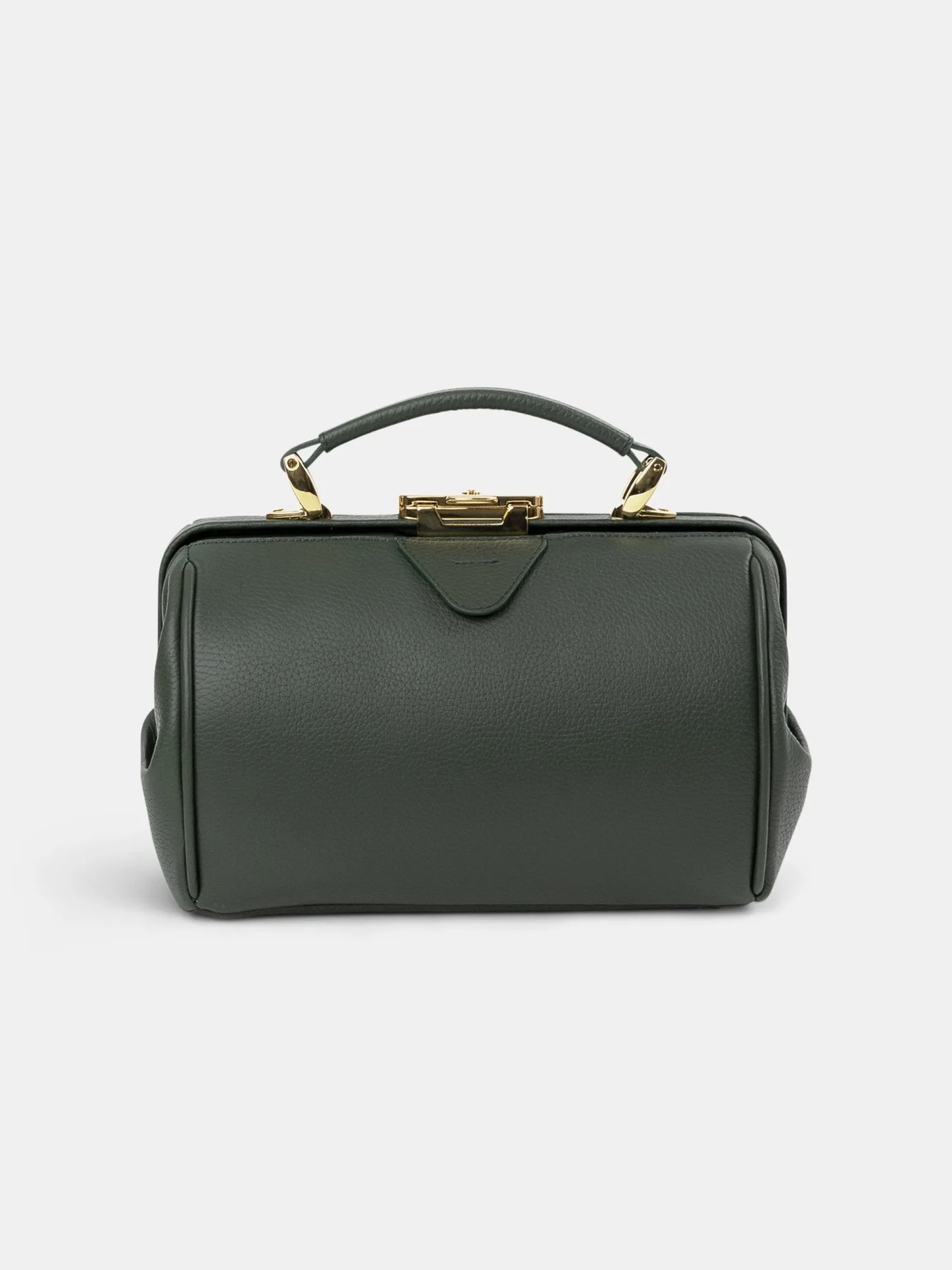
- The Sophie - Ivy Calf Grain: Premium soft and flexible calf grain leather with a detachable shoulder strap and a little golden key for locking. Soft calf grain moves with you, so it can rub more against clothing than a stiff bag. The detachable strap lets you switch to hand-carry on high-risk days, reducing contact with light fabrics.
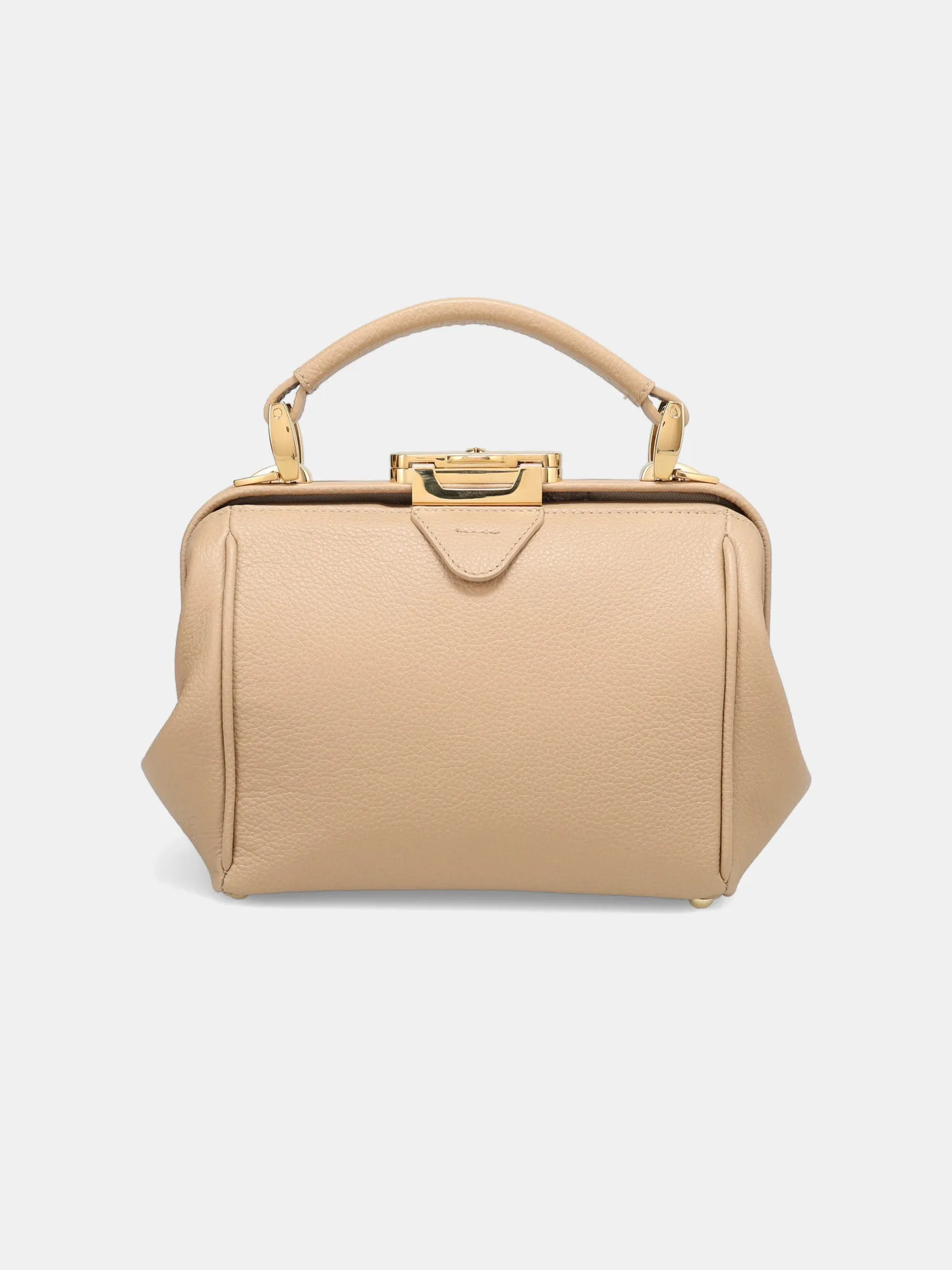
- The Mini Sophie - Latte Calf Grain: The beloved Sophie design in a petite package, with premium soft and flexible calf grain leather and a detachable shoulder strap. A light latte color shows dark transfer easily, so this is a bag to keep away from dark denim. The smaller size means less surface area in contact with your clothes, which lowers risk.
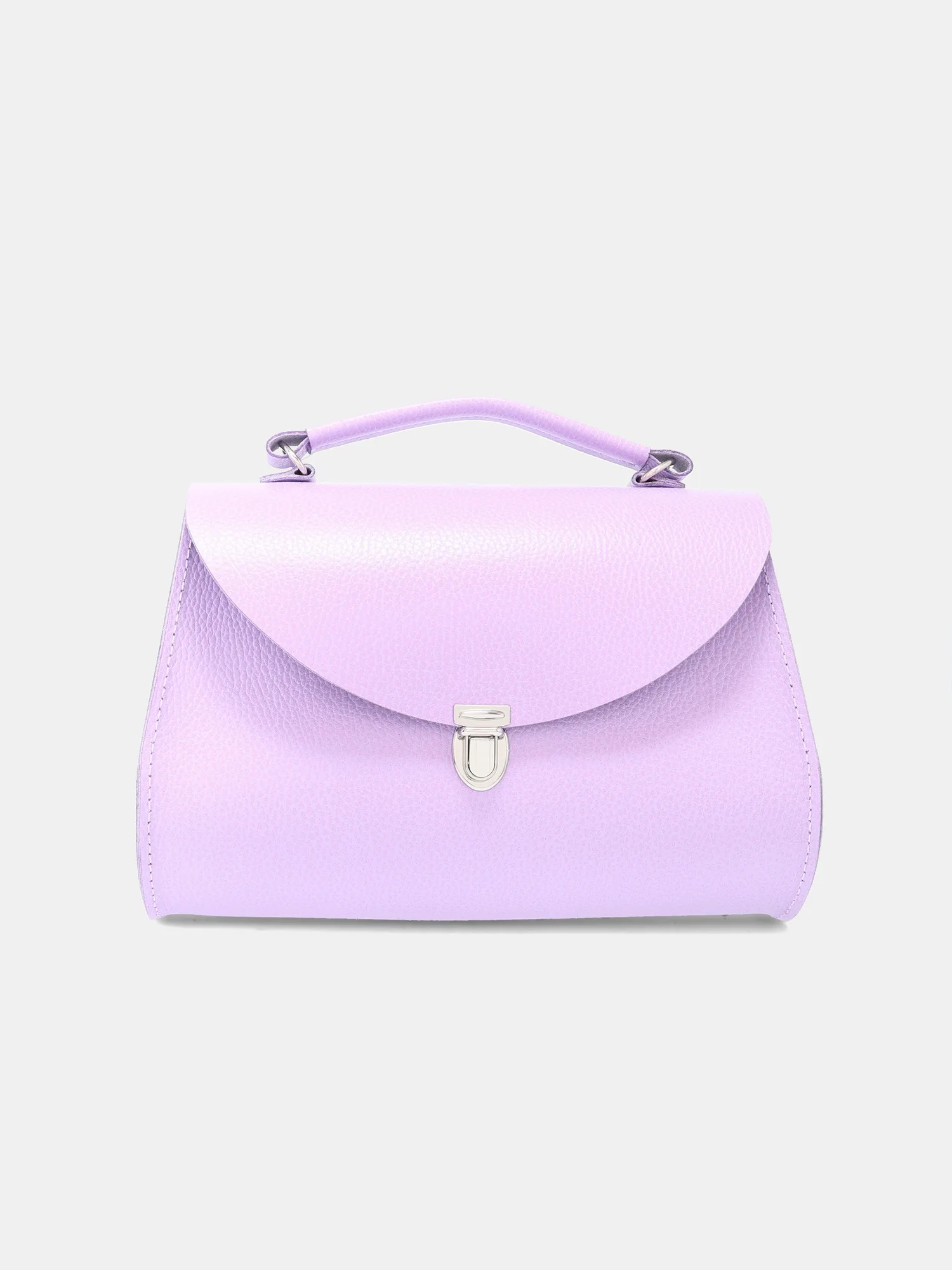
- The Poppy - Lavender Celtic Grain: Pushlock closure system, organised interior storage, and a distinctive curved silhouette. The structured shape and pushlock closure keep the bag's body away from your torso, reducing friction. A light lavender finish still needs care with dark fabrics, but the shape helps.
Color transfer is manageable when you treat it as a contact problem rather than a stain emergency. Separate risky materials, keep the bag from pressing against your clothes, and clean gently only when you see a mark. If the leather itself starts to break down, stop and get help, or choose a bag that suits how you actually dress.