Quick answer
Prevent luggage damage by inspecting wheels, handles, and zippers before every trip, packing within the bag's limits, and handling your suitcase carefully at airports. After each trip, clean and store it properly. These habits keep your luggage in good condition and reduce the risk of cracks, tears, and broken parts.
Luggage damage is frustrating and often avoidable. Most cracks, dents, and broken wheels happen because of rough handling or poor packing habits. With a few simple steps, you can protect your suitcase and extend its life.
This guide walks you through six actionable steps to prevent luggage damage. Each step includes a common mistake to avoid, so you can keep your bag in top shape trip after trip.
Step 1: Inspect Your Luggage Before Every Trip
Before you pack, check your suitcase for loose screws, worn wheels, and sticky zippers. Run your hand along the seams and corners to feel for weak spots. If you spot a small issue, fix it now rather than risk a bigger failure mid-trip. A quick inspection takes two minutes and can save you from a broken bag at the airport.
Pay special attention to the telescopic handle. Extend it fully and retract it a few times. If it sticks or wobbles, it may need lubrication or repair. Also, check the zipper teeth for debris and the pull tabs for fraying. Early detection is key to preventing luggage damage.
- Common mistake: Ignoring a slow zipper or a wobbly wheel until it fails completely.
Step 2: Pack Smart to Reduce Stress on Your Suitcase
Overpacking is a leading cause of luggage damage. When a suitcase is stuffed beyond its capacity, zippers strain, seams stretch, and wheels bear extra weight. Distribute weight evenly, placing heavier items near the bottom and lighter items on top. Use packing cubes to keep things organized and prevent shifting.
If your bag has an expansion zipper, use it only when needed. Over-expanding puts pressure on the zipper and can cause it to burst. Remember that a fully packed bag is harder to lift, increasing the chance of drops and impacts.
- Checkpoint: Weigh your packed bag at home. If it feels too heavy for you to lift comfortably, it's too heavy for your luggage to handle repeatedly.
Step 3: Choose the Right Luggage for Your Trip
The type of luggage you use matters. Hardside suitcases made from polycarbonate flex on impact and resist cracking, making them a good choice for rough handling. Softside bags offer external pockets and can absorb some impact, but they may show wear faster. Consider your destination and airline policies.
For frequent flyers, invest in luggage with reinforced corners and durable wheels. Brands like Travelpro offer models with features designed to withstand travel stress. The Platinum® Elite Carry-On Hardside Spinner, for example, has a polycarbonate shell and aluminum corner armor to protect high-collision zones.
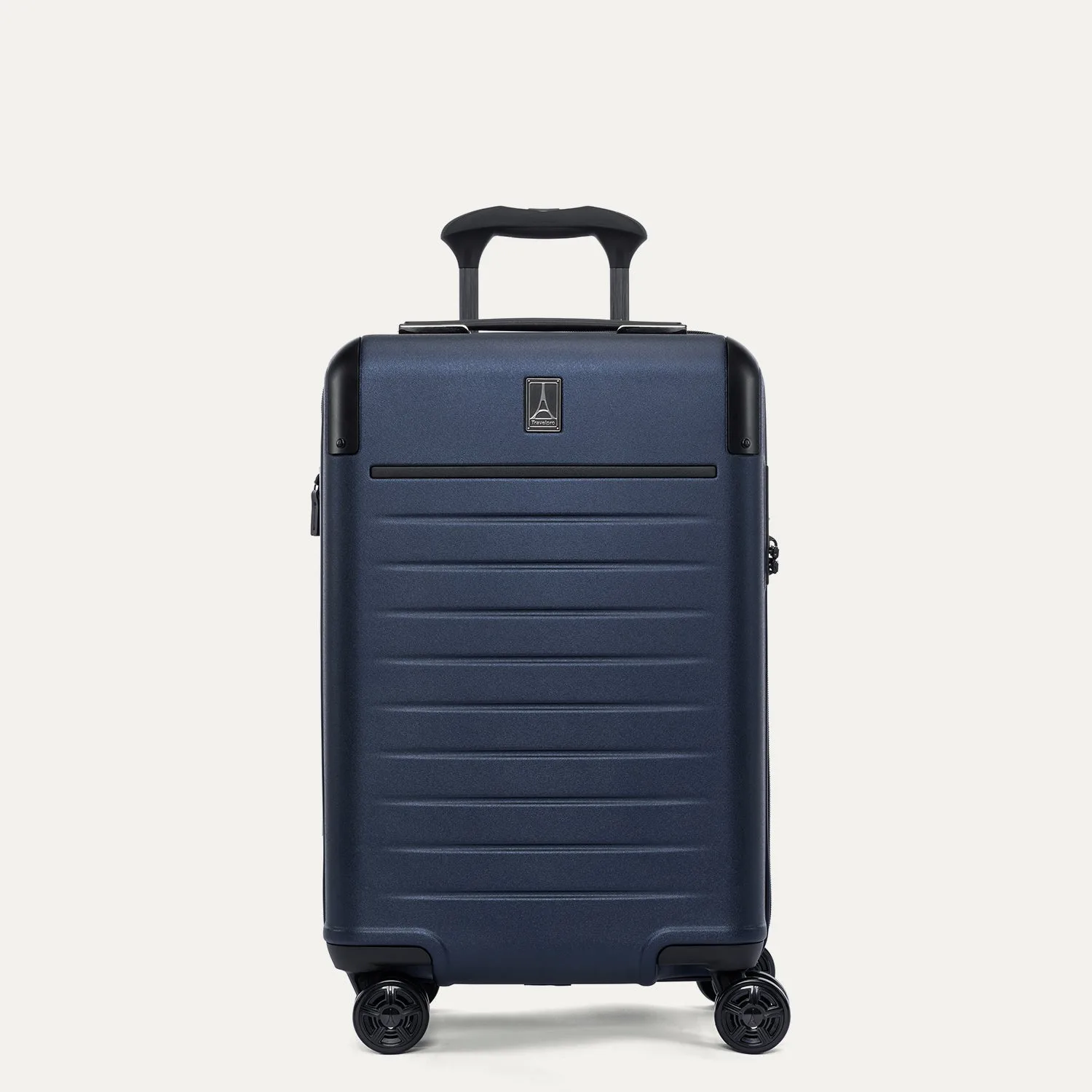
Platinum® Elite Carry-On Hardside Spinner
- Common mistake: Buying a cheap suitcase that lacks reinforced corners or quality wheels, then wondering why it breaks after a few trips.
Step 4: Handle Your Luggage Carefully at Airports
You can't control how baggage handlers treat your bag, but you can control your own actions. Avoid dragging your suitcase over curbs or stairs; lift it instead. When using escalators, hold the bag rather than letting it roll onto the steps. At baggage claim, don't yank your bag off the belt—wait for it to come to you.
If you're traveling with a carry-on, place it in the overhead bin gently. Don't force it if it doesn't fit; check it at the gate instead. For checked bags, consider using a luggage strap or belt to keep the bag closed and add a layer of protection.
- Checkpoint: After retrieving your bag, inspect it immediately for new damage. Report any issues to the airline before leaving the airport.
Step 5: Clean and Maintain Your Luggage Regularly
Dirt and grime can wear down wheels and zippers over time. Wipe down your suitcase with a damp cloth after each trip, especially the wheels and handles. For hardside bags, use a mild soap solution and avoid abrasive cleaners. For softside, a soft brush can remove dust from fabric.
Lubricate wheels and zippers with a silicone-based lubricant a few times a year. This keeps them moving smoothly and prevents sticking. Check the handle mechanism and apply lubricant if needed. Regular maintenance is a core part of luggage care tips that really work.
- Common mistake: Using WD-40 or oil-based lubricants on zippers—they attract dirt and can stain fabric. Use silicone spray instead.
Step 6: Store Your Luggage Properly Between Trips
How you store your luggage affects its longevity. Keep bags in a cool, dry place away from direct sunlight. Sunlight can degrade plastic and fade fabric. If you have hardside luggage, store it flat or upright, but avoid stacking heavy items on top. Softside bags should be stuffed lightly with clean towels to hold their shape.
Avoid hanging bags by their handles for long periods, as this can stretch or warp the handle. Instead, use shelves or a storage rack. If you have a luggage set, nest smaller bags inside larger ones to save space, but don't overstuff them.
- Checkpoint: Before storing, make sure your luggage is completely dry to prevent mold and mildew.
Your 6-step luggage protection routine
- Inspect before every trip: Check wheels, zippers, handles, and seams for wear. Fix small issues immediately. A two-minute check prevents mid-trip failures.
- Pack within limits: Avoid overstuffing. Distribute weight evenly and use packing cubes. Overpacking strains zippers and seams.
- Choose durable luggage: Opt for hardside with reinforced corners or quality softside with sturdy wheels. The right bag resists damage better.
- Handle with care: Lift over curbs, don't drag. Place carry-ons gently in overhead bins. Your actions at the airport matter.
- Clean and lubricate: Wipe down after trips. Use silicone spray on zippers and wheels. Maintenance extends luggage life.
- Store properly: Keep in a cool, dry place. Stuff softside bags to hold shape. Proper storage prevents warping and mold.
Travelpro products built to resist damage
- Platinum® Elite Carry-On Hardside Spinner: Sleek polycarbonate shell resists cracking under pressure, while polished aluminum corner armor artfully reinforces high-collision zones. This construction helps prevent the most common hardside damage: cracks and corner dents.
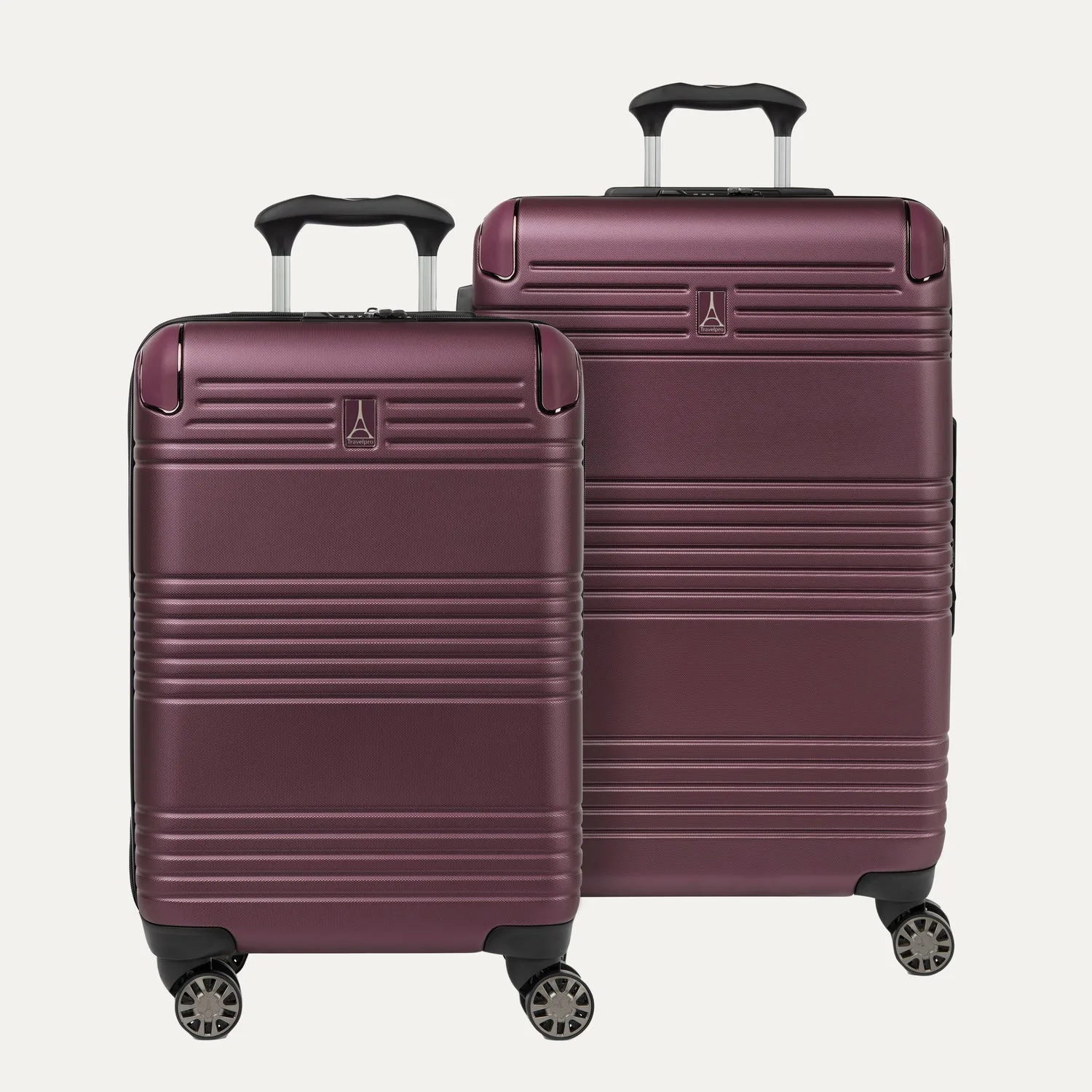
- Roundtrip® Carry-On / Medium Check-In Hardside Set: 100% Polycarbonate hard shell and molded corner guards provide sharp aesthetics with built-in durability. Molded corner guards add an extra layer of protection where bags often take the hardest hits.
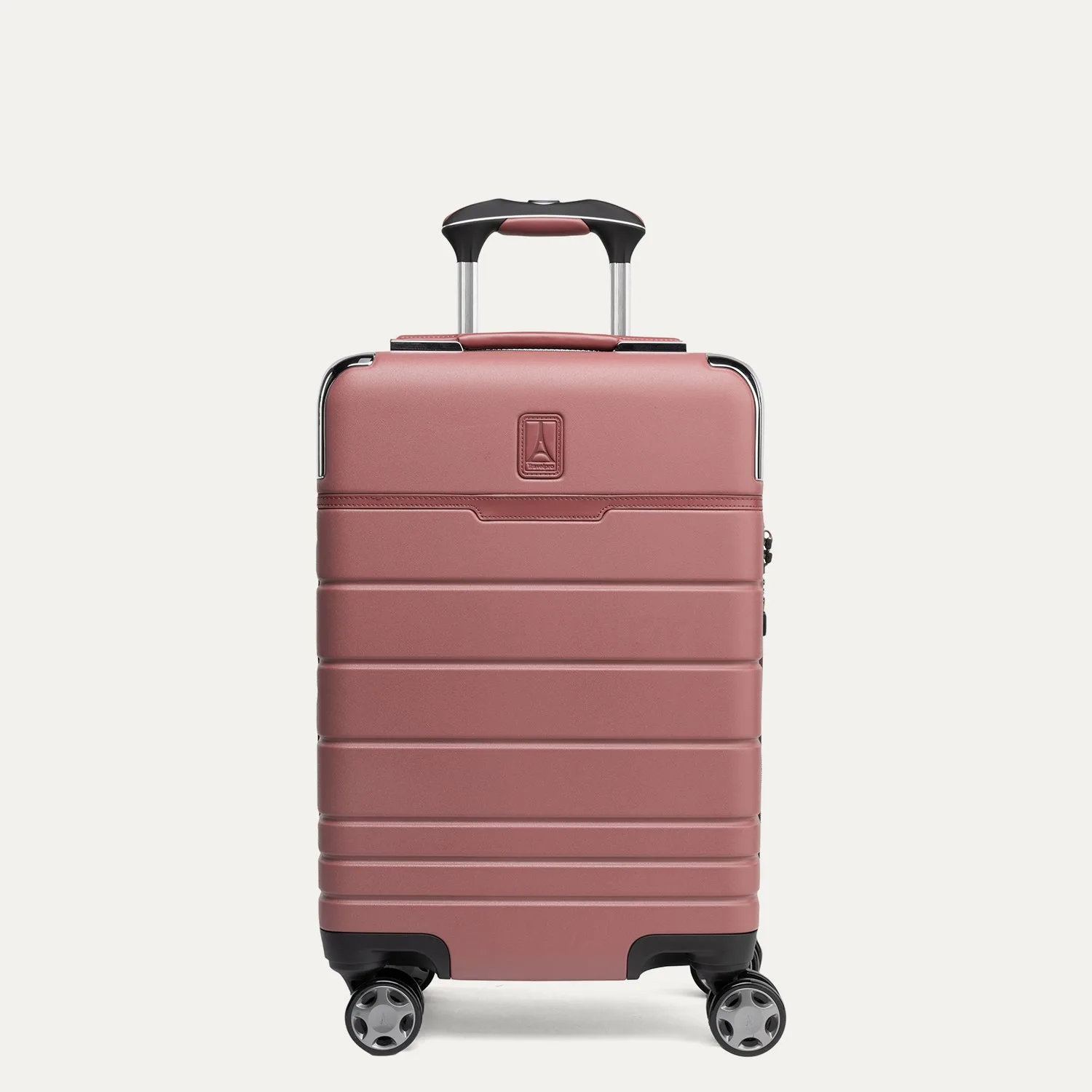
- Travelpro® x Travel + Leisure® Compact Carry-On Spinner: Ultra-resilient, lightweight bag is designed to comply with carry-on size restrictions. A lighter bag is easier to handle, reducing the chance of drops and impacts that cause damage.
Preventing luggage damage comes down to consistent habits: inspect, pack smart, handle carefully, maintain, and store properly. Follow these steps, and your suitcase will stay reliable for years of travel.