Quick answer
Static cling in tights and nightwear is usually caused by very dry air, overdrying, and friction between synthetic fabrics. Shorten the dryer cycle, add a dryer sheet or wool ball, and separate cling-prone pieces from heavy cotton. If the fabric is delicate lace, tulle or modal, skip heat and use a light anti-static spray or a small amount of conditioner in a hand rinse.
You pull on your tights and they grab your skirt, your nightwear clings to your legs, and every step feels like a small electric shock. Static cling is annoying, but it is also predictable once you know what causes it.
This guide separates the symptom from the cause, gives you corrective steps you can take today, and tells you when to stop treating the fabric and choose a different piece instead.
What static cling actually is
Static cling happens when an electric charge builds up on the surface of a fabric and has nowhere to go. Friction from walking, sitting or pulling clothes on and off transfers electrons between materials. When the air is dry, that charge stays on the surface and makes fabrics stick to each other and to your skin.
Synthetic fibres such as nylon, polyester and elastane hold a charge more easily than cotton. That is why tights, which are often a nylon and elastane blend, are a common culprit, and why a cotton brief feels calmer against the body than a smooth synthetic one.
- Low humidity, heated rooms and winter air make static worse.
- Overdrying removes the last bit of moisture that would otherwise let the charge dissipate.
- Rubbing tights against a synthetic lining or a wool skirt creates the friction that starts the problem.
Diagnose the cause before you treat it
Not every cling problem has the same fix. If your tights stick to your skirt but not to your skin, the issue is likely friction between two fabrics. If your nightwear clings to your legs in bed, the cause is more likely dry air and a long dryer cycle. If the cling appeared only after you changed detergent, the residue is probably the problem.
Check the fabric label first. Tights and delicate nightwear often need cool washing and low heat, so a hot dryer cycle is both the cause of the static and a risk to the garment. Once you know whether the trigger is air, heat or friction, the right fix becomes obvious.
- Cling to skin: dry air or overdrying.
- Cling to other clothes: friction between two smooth fabrics.
- Cling after washing: detergent or softener residue.
Anti static laundry tips that protect delicate fabrics
Start with the wash. Use a gentle cycle and avoid overloading the drum, because clothes that rub together for longer build more charge. Skip heavy fabric softener on tights and lace, as it can coat the fibres and reduce stretch over time. If you want a softener, use a small amount and choose a formula made for delicate items.
In the dryer, the single most effective change is to stop the cycle while the garments are still slightly damp. A dryer sheet or a couple of wool dryer balls reduces friction and helps neutralise the charge. For tights and fine nightwear, low heat or an air-dry rack is safer and produces less static than a full hot cycle.
- Dry tights and nightwear on low heat or air-dry.
- Remove items while slightly damp to reduce charge build-up.
- Never mix heavy towels with delicate nightwear in the same load.
Fixes you can use in the moment
If you are already dressed and the cling is happening now, a light mist of anti-static spray on the outside of the tights or the lining of the skirt works quickly. Hold the can well away from the fabric and let it dry before dressing. A small amount of body lotion on your legs also reduces friction between skin and fabric.
For nightwear, a quick pass with a damp hand or a light mist of water can settle the charge. Do not rub the fabric, as friction makes static worse. If you are wearing a modal or cotton-blend piece, these materials usually hold less charge than pure synthetics, so the problem may be the layer underneath rather than the nightwear itself.
- Spray anti-static product on the garment, not on your skin.
- Moisturise your legs before putting on tights.
- Let sprayed items dry fully before wearing.
When to stop treating and choose another option
If a pair of tights still clings badly after you have shortened the dryer cycle, added a dryer sheet and tried an anti-static spray, the fabric blend is probably the issue. Some inexpensive nylon tights simply hold more charge, and no laundry trick will fully change that. At that point, choose a different pair or switch to a cotton-rich option for the layer closest to your skin.
The same logic applies to nightwear. If a synthetic nightdress clings every night, a cotton or modal-blend piece will usually feel calmer. Look for breathable, low-friction fabrics and keep the delicate pieces for occasions when you can control the room humidity and the wash cycle.
- If cling returns within an hour, the fabric blend is the likely cause.
- Choose cotton-rich underwear and nightwear for daily wear.
- Keep anti-static spray for occasional rescue, not every wash.
Static cling diagnosis chart
- Tights stick to your skirt or dress: Friction between two smooth fabrics is the likely cause. Mist the outside of the tights with anti-static spray and let them dry before dressing. If it returns within an hour, the tights blend is the problem; switch to a cotton-rich option underneath.
- Nightwear clings to your legs in bed: Dry air and overdrying are the usual triggers. Shorten the dryer cycle, remove items slightly damp, and add a dryer sheet or wool balls. If the room is very dry, a humidifier or a cotton-blend nightwear piece will help more than any spray.
- Cling appeared after changing detergent: Residue from softener or too much detergent can coat fibres and increase charge. Rinse the load again with no softener and reduce the dose next time. If the fabric still feels coated, hand rinse delicate pieces with a little conditioner and cool water.
Products that help reduce static in real use
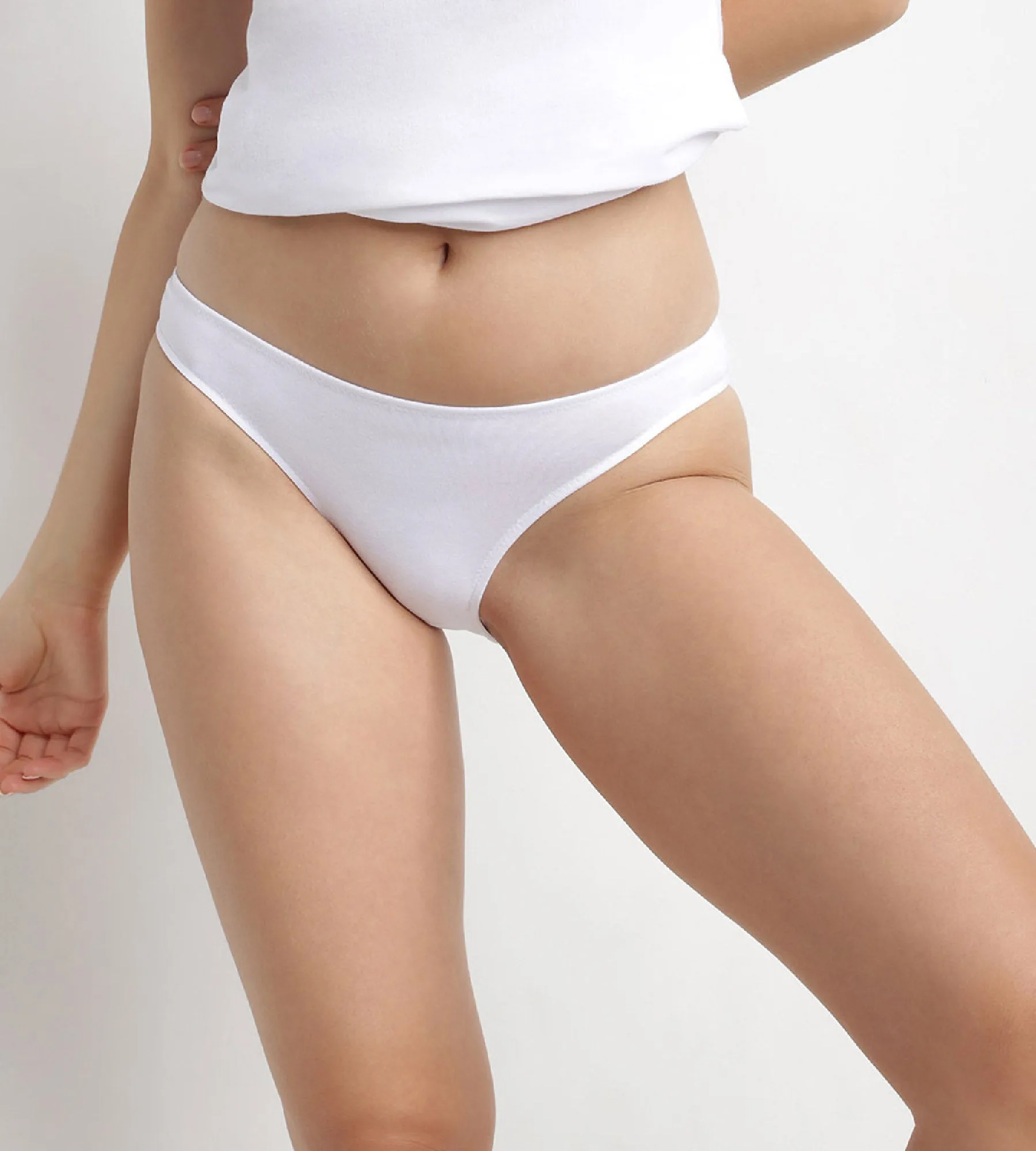
- Slip blanc EcoDIM Confort en coton: Classic white cotton brief from the EcoDIM line, DIM's mostly cotton range offered at a small price, available in sizes 36 to 46. A cotton-rich base layer holds far less static than a smooth synthetic one, so it is a practical first layer under tights or nightwear.
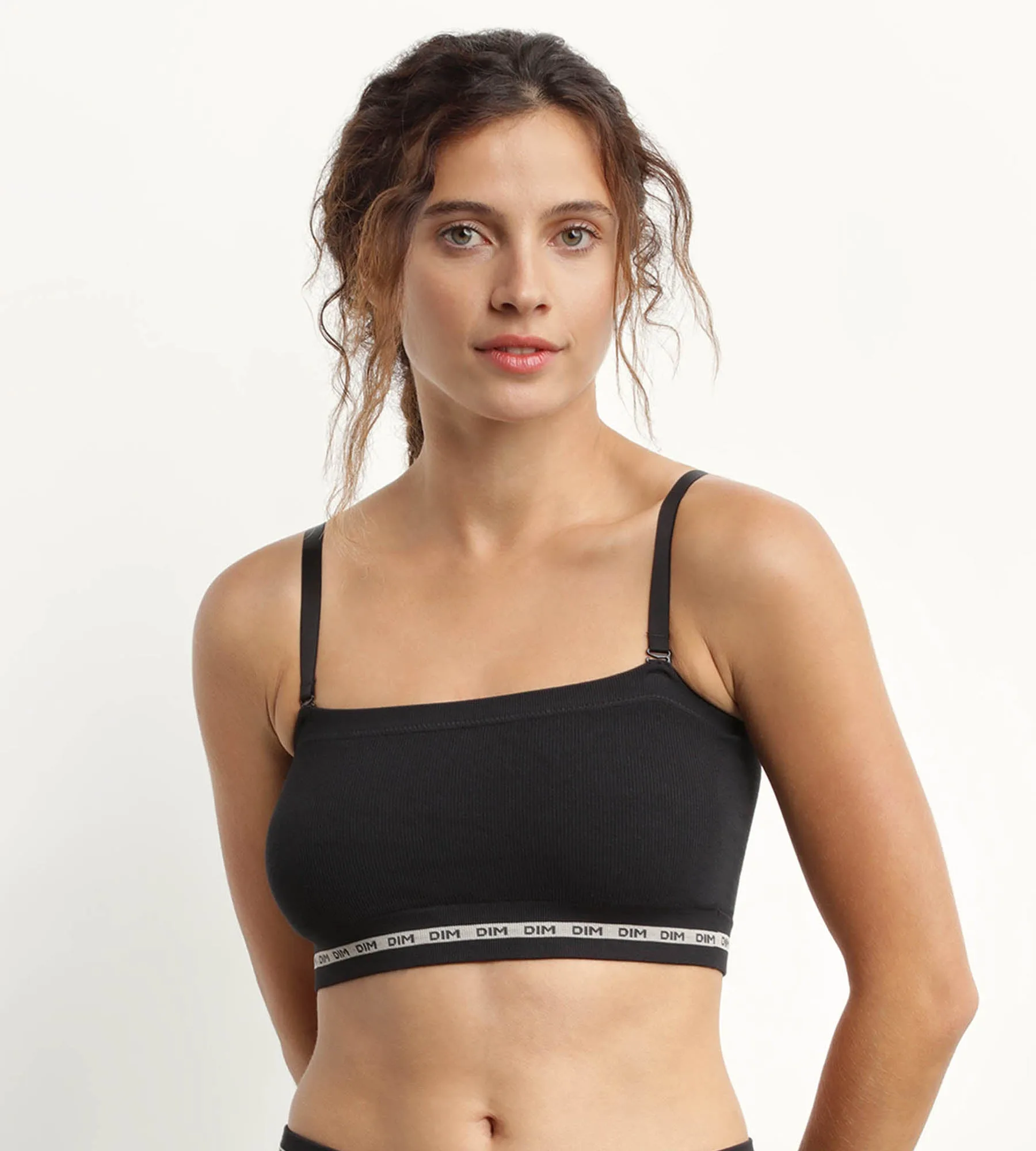
- Soutien-gorge bandeau en modal polyamide Noir sans armature Dim Icons Seamless: Wireless bandeau style in modal polyamide, seamless and without a moulded cup, with a timeless black colour. Modal polyamide feels soft and smooth against the skin, which reduces friction under nightwear and helps limit charge build-up.
- Short de pyjama twill jaune pâle rayé Slow Days Fresh Vibes: Women's pyjama short in striped viscose twill with a flat elasticated waistband, decorative contrast bow and double topstitching. A viscose twill short sits smoothly at the waist and is less prone to clinging than a fully synthetic sleep short, making it a comfortable choice for warm rooms.
Static cling is a solvable problem once you separate dry air, overdrying and friction. Start with a shorter dryer cycle and a cotton-rich base layer, and save the anti-static spray for the moments when you need a quick fix.