Quick answer
Pilling happens when short or loose fibers rub against each other and tangle into little balls. To prevent sweater pilling, reduce friction: wash knits inside out on a gentle cycle or by hand, skip the dryer, and give sweaters a day of rest between wears. If pills keep forming after you have corrected those habits, the fabric blend is the problem, not your routine.
You pull a sweater out of the drawer, and the sleeves are covered in tiny fuzz balls. It is frustrating, but pilling is not a sign that you ruined the sweater. It is a normal reaction between fibers, friction, and moisture, and it tells you something about how the knit was made and how it is being handled.
The good news is that most pilling can be prevented or slowed once you know what causes it. Below is a simple diagnosis: what the symptom looks like, what likely caused it, what to do about it, and when to stop fighting the fabric and choose a different sweater.
What pilling actually is
A pill forms when loose fibers work their way out of the yarn, rub against neighboring fibers, and roll into a small knot. Short fibers and loosely twisted yarns shed more easily, which is why some knits pill within a few wears while others stay smooth for years. Friction from seatbelts, bag straps, and jacket linings speeds the process up.
Cotton sweater pilling tends to look different from wool pilling. Cotton pills often feel denser and cling harder to the surface, while wool pills can felt into the fabric if they are rubbed too much. Either way, the fix starts with reducing the rubbing that creates the pills in the first place.
- Check the underarm and side areas first; those spots rub the most and show pilling earliest.
Symptom: pills appear after only a few wears
If a sweater pills almost immediately, the yarn likely contains short-staple fibers or a loose twist. That is common in softer, fuzzier knits because the fiber ends that create softness are also the ones that tangle. It does not automatically mean the sweater is low quality, but it does mean the fabric needs gentler handling than a tightly spun knit.
Look at where the pills cluster. Pills under the arms and along the sides point to friction from movement. Pills across the whole body often point to washing and drying habits. Matching the location to the cause saves you from guessing.
- Pills in one zone: friction problem. Pills everywhere: laundry problem.
Likely cause: friction during wear and storage
Sweaters rub against jackets, crossbody bags, car seats, and desk edges all day. Each rub loosens fibers a little more. Wearing the same sweater two days in a row does not give the fibers time to relax back into the yarn, so the damage compounds. This is the single easiest cause to fix.
Storage matters too. Cramming knits into a full drawer creates constant pressure and rubbing. Folding sweaters rather than hanging them prevents shoulder stretch, and leaving a little breathing room between stacks reduces surface friction. If you hang knits, use a padded hanger and accept that the shoulders may still stretch over time.
- Rotate sweaters so each one gets at least a day off between wears.
- Fold instead of hanging to protect the knit structure.
Likely cause: rough washing and drying
The dryer is the most common accelerator of pilling. Tumbling tosses the sweater against the drum and other garments, and heat helps fibers work loose. If you want to stop pilling on sweaters, line drying or flat drying is the highest-impact change you can make. It costs nothing and protects the yarn.
In the wash, turn the sweater inside out, use a mesh bag, and choose a gentle cycle with cold water. Avoid washing knits with heavy items like jeans or towels, which beat against the fabric. Skip fabric softener on knits; it can coat fibers and make them feel limp without reducing pilling.
- Inside out, mesh bag, cold gentle cycle, no dryer.
- Wash knits with similar lightweight items, never with denim or towels.
Corrective action: remove existing pills the right way
Once pills have formed, do not pull them off with your fingers. That yanks more fiber loose and creates a new pill in the same spot. Use a fabric shaver or a fine sweater comb, lay the garment flat, and work in one direction with light pressure. A single pass is usually enough; going over the same area repeatedly thins the knit.
After shaving, give the sweater a rest and reassess after two or three wears. If pills return quickly in the same spots, the fiber is continuing to shed and you are in maintenance mode rather than prevention mode. That is useful information, not a failure.
- Shave on a flat surface, one direction, light pressure.
- Never pull pills off by hand.
When to stop treating and choose another sweater
If a sweater pills heavily after you have fixed your washing, drying, and rotation habits, the fabric itself is the limiting factor. You can keep shaving it, but you will eventually thin the knit and shorten its life. At that point, the better move is to treat it as a casual layer and put your care energy into knits that hold up.
When shopping, look for tighter yarn twists and smoother surfaces. A tightly knit cotton or a smooth wool blend will generally resist pilling better than a fuzzy, loose knit. If a listing does not state the fiber content or knit type, treat that as a decision limitation and ask before buying, since you cannot predict pilling without knowing the material.
- If pills return within two wears after shaving, stop shaving and demote the sweater.
- Prioritize tighter twists and clear fiber information when buying.
Pilling diagnosis: symptom, cause, action, stopping point
- Symptom: pills under arms and along the sides: Friction from movement, bags, and jacket linings is loosening fibers in the highest-rub areas. Rotate the sweater with at least a day of rest between wears and avoid tight outer layers over it.
- Symptom: pills across the whole sweater after washing: The dryer and rough laundry loads are tumbling fibers loose and spreading pills over the entire surface. Switch to inside-out washing in a mesh bag, cold gentle cycle, and flat or line drying.
- Symptom: pills return within two wears after shaving: The yarn contains short fibers or a loose twist, so it will keep shedding no matter how carefully you treat it. Stop shaving to avoid thinning the knit; wear it as a casual layer and choose tighter, smoother knits next time.
Catalog details that help you judge a knit
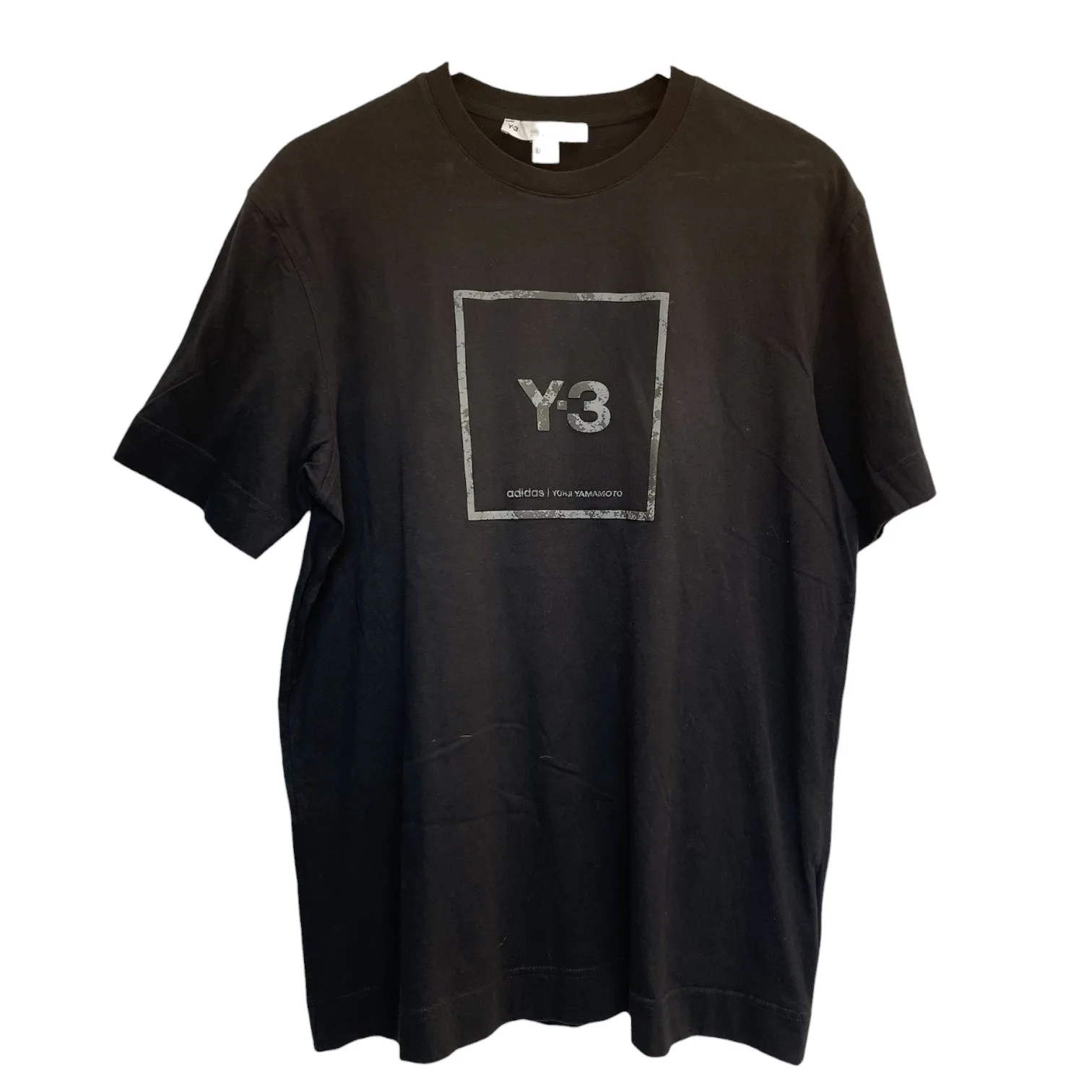
- Y-3/adidas/T-Shirt/L/Cotton/BLK/camo y-3 square: Material: Cotton; Measurements: Length 27 inches, Chest 42.5 inches; Condition: USED_GOOD. A smooth cotton jersey surface like this shows pilling less obviously than a fuzzy knit, and the listed chest measurement lets you check fit before you commit.
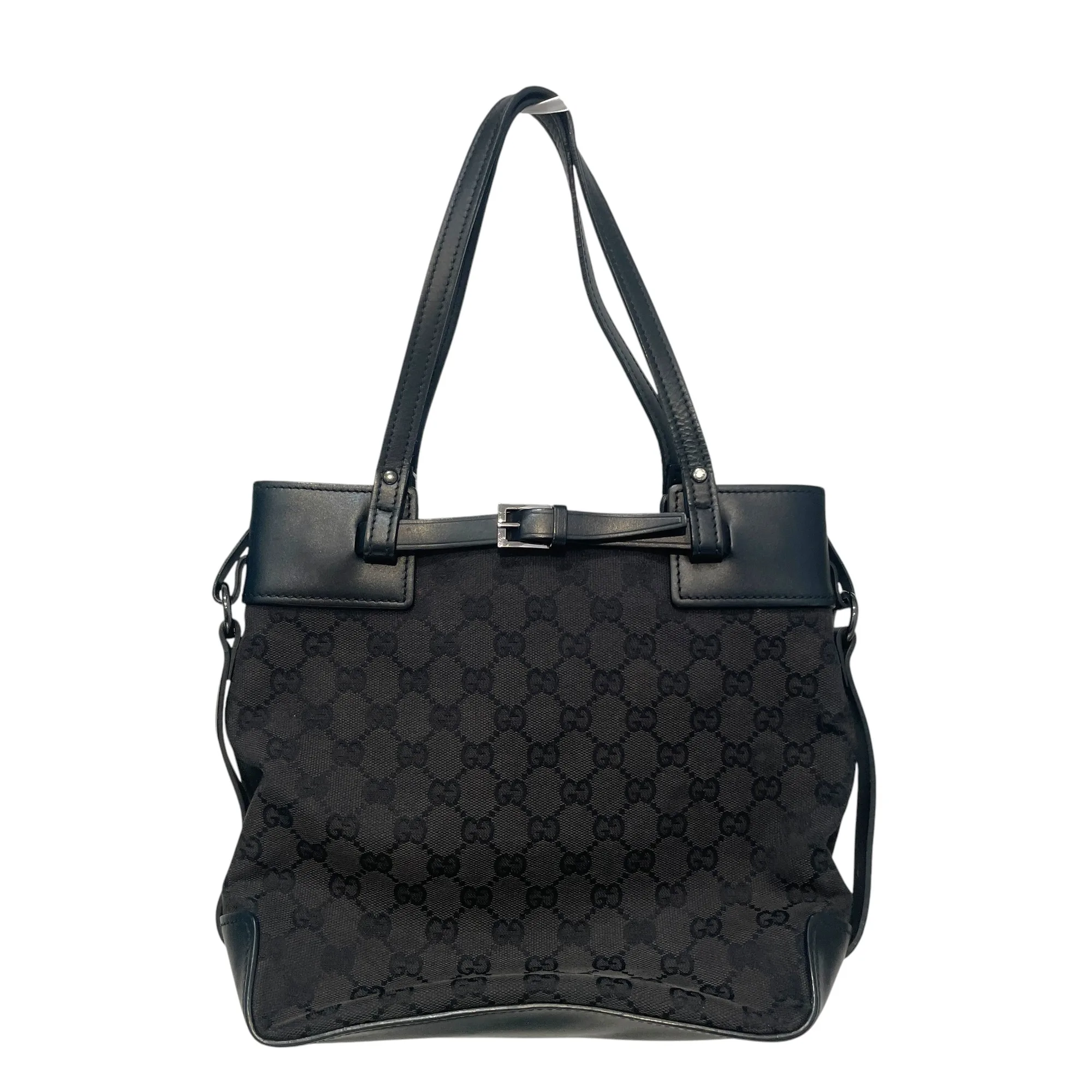
- GUCCI/Hand Bag/Monogram/Cotton/BLK/GG Canvas: Material: Cotton; Measurements: Height 10.5 inches, Width 11 inches, Depth 4 inches; Condition: Used_Very Good. Cotton canvas is a tightly woven material that resists the surface fuzzing you see on loose knits, which is a useful comparison point when you are evaluating fabric durability.
Pilling is a fabric behavior, not a personal failing. Fix friction and laundry habits first, shave existing pills gently, and if the sweater keeps shedding, let it go casual and put your care into knits that reward it.