Quick answer
To prevent swimmer's ear, keep water out of your ear canals during swimming and showering, dry your ears gently afterward, and avoid inserting anything into the canal. SwimSafe earplugs are designed to keep water out while letting ambient sound and conversation through, making them a practical first line of defense for pools, lakes, and repeated water exposure.
Why trapped water leads to swimmer's ear
Swimmer's ear, also called otitis externa, is an infection of the outer ear canal. When water stays in the canal after swimming or bathing, it can soften the skin and create a damp environment where bacteria or fungi multiply. The earliest signs are often itching, a blocked or full feeling, or tenderness when you tug on your earlobe. Catching those signs early and changing your water routine can stop a minor irritation from becoming a painful infection.
The prevention logic is simple: reduce the amount of water that enters the canal, remove what does get in without scraping the skin, and keep the canal dry between exposures. Earplugs are the most direct tool for the first part, but they work best as part of a routine rather than a one-time fix.
Choose earplugs made for water, not just noise
General-purpose foam earplugs are designed to block sound, not to seal against water. They can absorb water, loosen when wet, and leave gaps that let water trickle in. For swimming, look for earplugs specifically shaped and marketed for water protection.
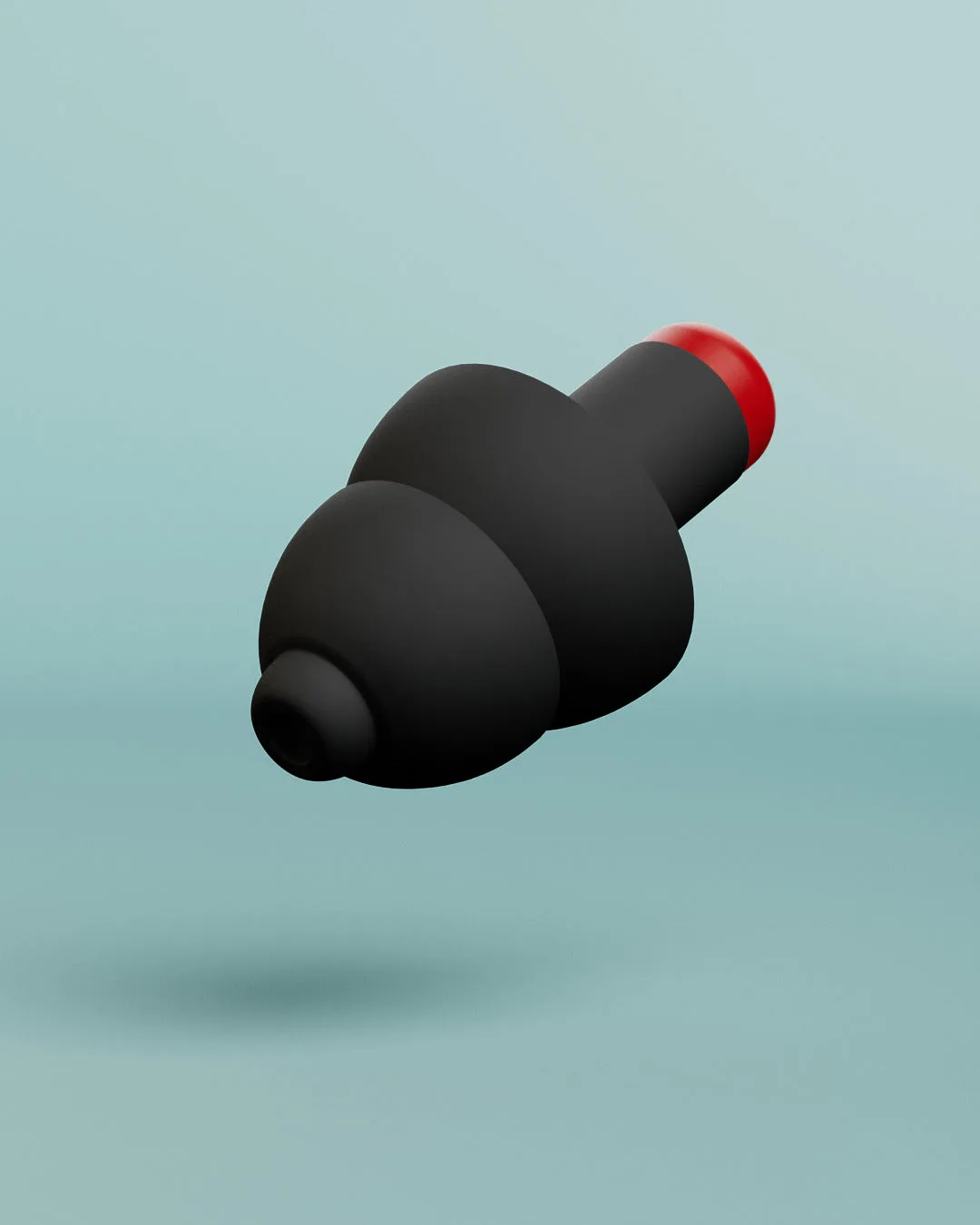
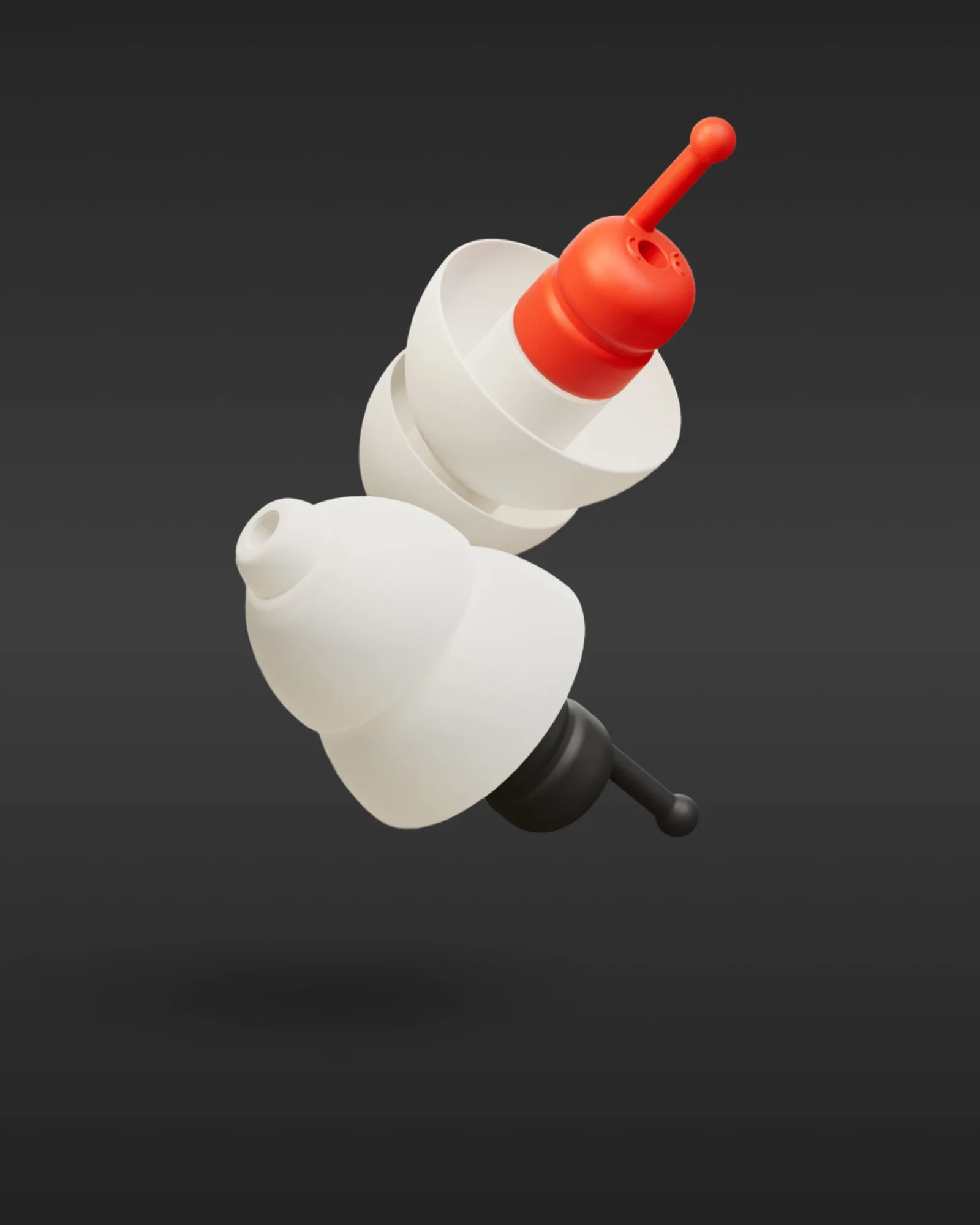
Alpine SwimSafe earplugs are designed to keep water out of your ears, which is especially useful when you spend a whole day in, on, or around water. Their acoustic filters allow ambient sounds and conversations to remain audible, and the very small opening in the filters prevents a blocked feeling. The shape of the earplugs ensures that no water enters the ears. That combination matters if you want to hear a coach, a lifeguard, or a friend while you swim.
Fit matters more than brand for water protection
A water earplug only works if it seals the opening of your ear canal. If you feel cool water seeping in within the first minute, the fit is wrong, not the product. Re-seat the plug, try a different size if available, or switch to a model with a different shape. For kids, an adult should check the seal before they get in the water, because children often push earplugs in too far or not far enough.
Some earplugs, including SwimSafe, come in a single Title option, while others such as SoftSilicone offer size choices. If you have narrow or unusually shaped canals, a sized option may give you a better seal. There is no universal fit, so test your earplugs in a sink or shallow water before relying on them for a full swim session.
SoftSilicone
Dry your ears without damaging the canal
After swimming or showering, tilt your head to each side and let gravity do the first pass. Gently pull your earlobe down and back to straighten the canal, then pat the outside of your ear with a soft towel. You can also use a hair dryer on the lowest heat and fan setting, held several inches from your ear, for about 30 seconds per ear.
Never push cotton swabs, keys, or fingers into the canal. That scratches the thin skin, pushes wax deeper, and creates the small breaks that let infection start. If water still feels trapped after gentle drying, lie on your side on a towel for a few minutes rather than digging for it.
Know when to skip the water and see a clinician
If you already have ear pain, discharge, swelling, or significant hearing changes, earplugs and drying routines are not a treatment. Those signs suggest an infection or a damaged canal, and a clinician should look at your ear before you swim again. Using earplugs over an active infection can trap moisture and make things worse.
People with ear tubes, a perforated eardrum, or a history of ear surgery should ask their doctor which water protection is appropriate. Earplugs reduce water exposure but do not make an ear waterproof, so medical advice comes first when the eardrum is not intact.
Your step-by-step swimmer's ear prevention routine
- 1. Check your ears before you get in the water: Look for itching, redness, tenderness, or any discharge. If your ear is already irritated or painful, do not swim and do not insert earplugs. Let a clinician check it first. Checkpoint: no pain, no discharge, no swelling before you swim.
- 2. Insert water-specific earplugs correctly: Use earplugs designed for water, such as SwimSafe, and seat them so the canal opening is sealed. Pull your ear up and back, slide the plug in, and hold it for a few seconds while it settles. For kids, an adult should confirm the seal. Checkpoint: if water trickles in within the first minute, reseat or resize before you continue.
- 3. Keep them in for the whole water session: Take earplugs out on the pool deck, not in the water, and store them clean and dry. Reusing wet or gritty earplugs can irritate the canal and break the seal. Checkpoint: earplugs stay in from first splash to final exit.
- 4. Dry your ears gently after swimming: Tilt your head side to side, pat the outer ear with a towel, and optionally use a hair dryer on low heat and low fan a few inches away. Do not insert cotton swabs or fingers into the canal. Common mistake: aggressive swabbing feels clean but scratches the skin and raises infection risk.
- 5. Give your ears air between exposures: If you swim daily, let your ears dry fully between sessions and avoid wearing earplugs for non-water activities when the canal is still damp. Alternate with a dry-land day if your ears feel sensitive. Checkpoint: ears feel dry and comfortable before the next swim.
- 6. Act early if symptoms appear: Itching that turns into pain, a blocked feeling that does not clear, or any drainage means stop swimming and see a clinician. Do not try to treat it by wearing earplugs more often. Next step: if symptoms last more than a day or two, get your ear checked before returning to the water.
Product facts that matter for water protection
- SwimSafe: Alpine SwimSafe earplugs are designed to keep water out of your ears, especially useful when spending a whole day in, on, or around water. The acoustic filters allow ambient sounds and conversations to remain audible, and the very small opening in the filters prevents a blocked feeling. The shape of the earplugs ensures that no water enters the ears. You get water protection without the muffled, plugged-up feeling that makes many swimmers take earplugs out mid-session, so you can hear instructions and stay aware of your surroundings.