Quick Answer
The short answer: it depends on your project and fabric type. For most quilting cottons, prewashing is a personal choice, but it's especially recommended for batiks and high-contrast fabrics to prevent bleeding and shrinkage. However, if you're using precuts like charm packs, skip prewashing to avoid fraying and distortion.
Few quilting debates are as persistent as whether to prewash fabric. Some quilters swear by it, while others never do. The truth is, there's no single right answer—but understanding how different fabrics behave can help you decide.
In this guide, we'll separate fact from fiction, looking at the real tradeoffs for cotton quilting fabrics, batiks, and precuts. By the end, you'll know exactly when to prewash and when to let it go.
The Case for Prewashing
Prewashing quilt fabric removes excess dye and chemicals from the manufacturing process, reducing the risk of color bleeding in your finished quilt. It also allows you to account for shrinkage before you cut, so your carefully pieced quilt won't pucker after its first wash.
For high-contrast quilts—think white and red or white and black—prewashing is especially wise. If a fabric bleeds, you'd rather discover it before you've spent hours piecing it together.
- Test for colorfastness by soaking a small swatch in warm water with a bit of detergent.
- Prewash in cold water and dry on low to mimic the care you'll give the finished quilt.
The Case Against Prewashing
On the flip side, prewashing can cause fraying, tangling, and distortion, especially for lightweight fabrics. It also strips away the crisp finish that makes cutting and piecing easier—many quilters love that stiff, clean feel of unwashed fabric.
Precuts like charm packs and jelly rolls are another reason to skip prewashing. These are cut to precise dimensions, and washing can cause them to shrink or fray, ruining their uniformity. If you're using precuts, it's best to keep them unwashed and plan to wash the finished quilt gently.
- To minimize fraying, serge or zigzag the raw edges before washing.
- If you're mixing prewashed and unwashed fabrics, be consistent to avoid uneven shrinkage.
Special Care for Batiks and High-Contrast Fabrics
Batik fabrics are known for their vibrant, hand-dyed look, but they're also more prone to bleeding. If you're using batiks, prewashing is strongly recommended to set the dyes and prevent color migration into neighboring fabrics.
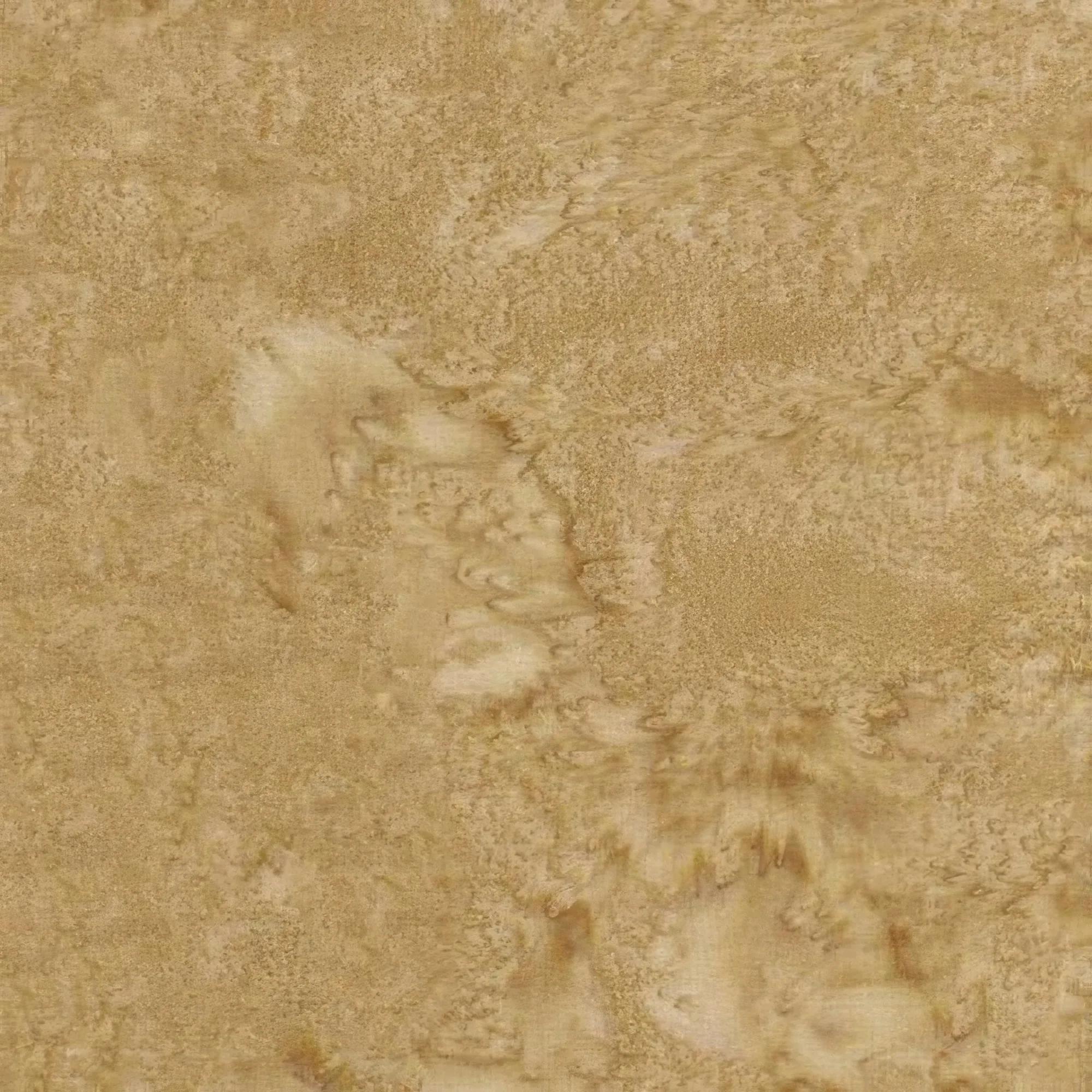
For example, Island Batik's Breathtaking Browns in Fawn is a rich, earthy tone that could bleed onto lighter fabrics. Prewashing this batik will help keep your quilt colors crisp and defined.
- Use a color catcher sheet in the wash to absorb any loose dye.
- If you're nervous, prewash batiks twice to ensure the dye is fully set.
What About Gingham and Other Prints?
Gingham and other high-contrast prints deserve extra attention. The crisp white and colored squares in gingham can be a recipe for bleeding, especially if the fabric is a deep shade. Prewashing helps preserve that sharp contrast.
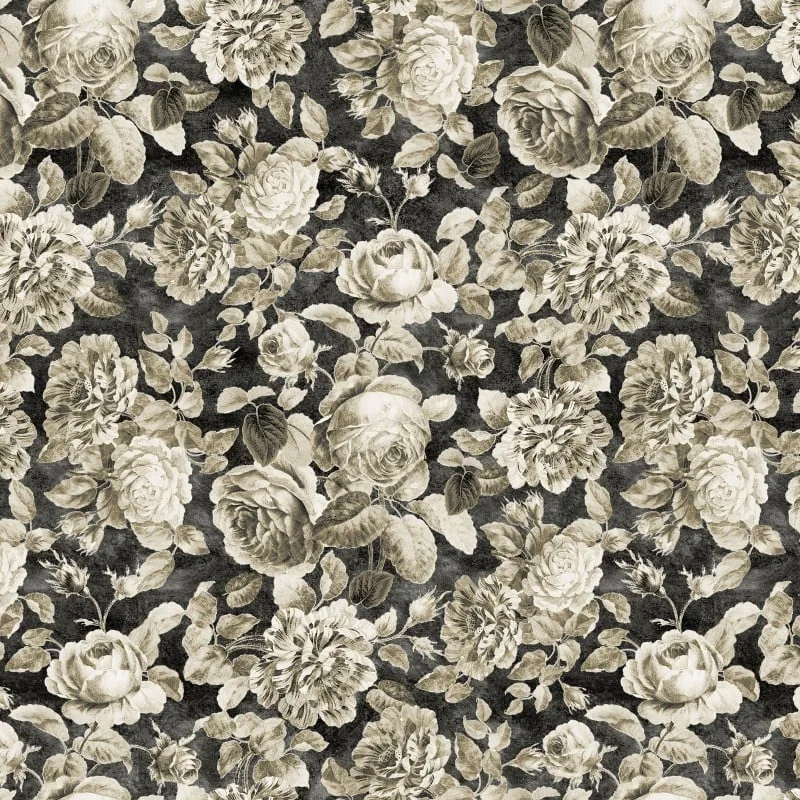
For most quilting cottons, though, prewashing is optional. If you're using a coordinated collection like Paris Nights by Camelia Creations, you can trust that the fabrics are designed to work together, but they may still shrink at different rates if you mix washed and unwashed pieces.
- Always test a small piece of gingham before committing to a full wash.
- When in doubt, prewash—it's easier to handle a slightly crinkled fabric than a ruined quilt.
Prewash Verdicts
- Myth: You must prewash all quilt fabric: False. Prewashing is a personal choice for most quilting cottons. It's only essential for fabrics that are prone to bleeding or when you need to control shrinkage. Decide based on your project, not on a blanket rule.
- Myth: Prewashing ruins fabric: Not true if done carefully. Use cold water and a gentle cycle to minimize fraying and distortion. The benefits often outweigh the risks. Prewash with care, and you'll be fine.
- Myth: Precuts should be prewashed: False. Precuts like charm packs are cut to exact sizes, and washing can cause them to shrink and fray, ruining their precision. Always skip prewashing for precuts. Keep precuts unwashed and wash the finished quilt.
Fabric Considerations
- Island Batik - Breathtaking Browns - Fawn - K50152-: Island Batik - Breathtaking Browns - Fawn - K50152-'816563 Batiks are prone to bleeding, so prewashing this fabric helps set the dye and prevent color migration.
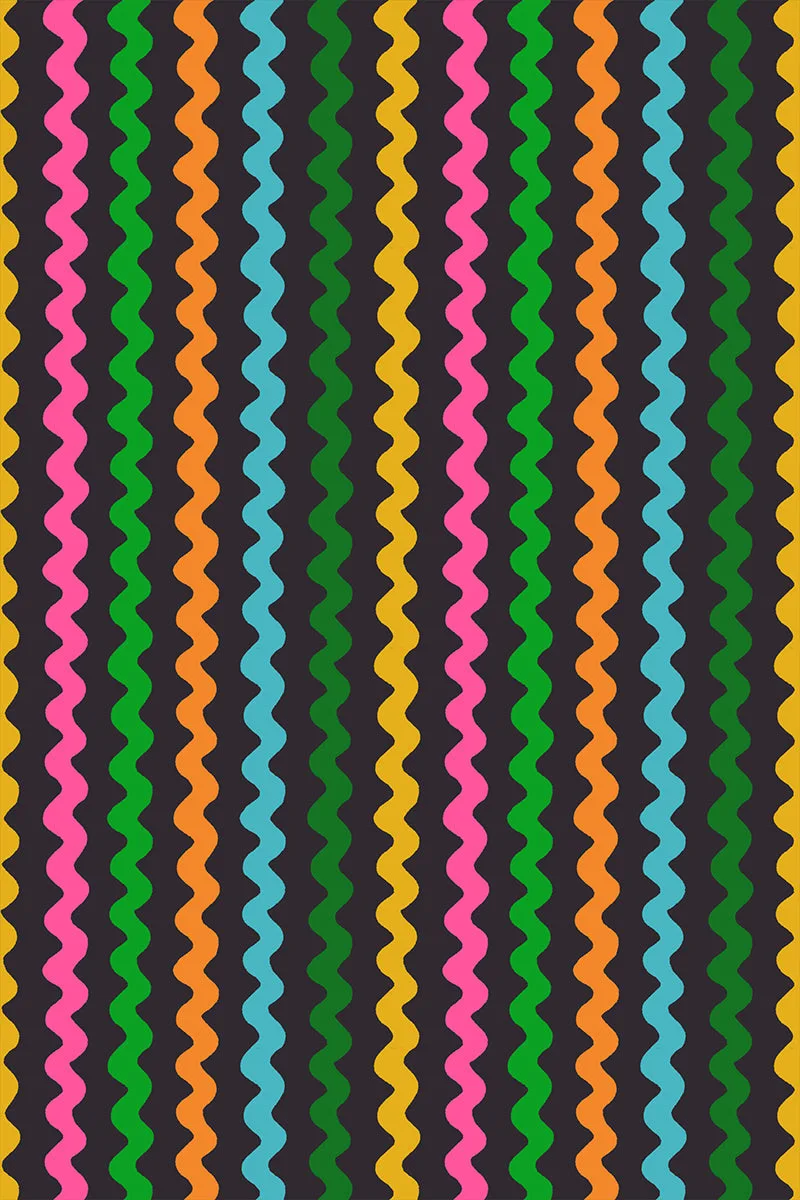
- MODA - 1-800-Notion by Ruby Star Society - Ric Rac - Soft Black: This 100% cotton quilting fabric is 43/44 inches wide and is sold by the quarter yard. Machine wash cold; tumble dry low. The care instructions indicate this fabric can be washed, but if you're using it in a quilt with unwashed fabrics, prewashing helps avoid shrinkage mismatches.
- BLANK QUILTING - Paris Nights by Camelia Creations - Floral - Charcoal: Paris Nights by Camelia Creations for Blank Quilting Corporation. 100% cotton quilting fabric. 43/44 inch wide. A dark floral like this can bleed onto lighter fabrics, so prewashing is a safe choice to protect your quilt's design.
So, should you prewash quilt fabric? There's no one-size-fits-all answer. For most quilting cottons, it's a matter of personal preference, but for batiks and high-contrast fabrics, prewashing is a smart safeguard. And when it comes to precuts, leave them be. Trust your instincts, test your fabrics, and you'll create quilts that look great and last for years.