Quick Answer
To fit a dog harness properly, measure your dog's neck and chest, choose the right size based on the manufacturer's chart, and adjust the straps so that two fingers fit snugly under each strap. Always check that the harness doesn't restrict movement or rub against the skin.
A well-fitted harness is essential for your dog's comfort and safety during walks and outdoor activities. An ill-fitting harness can cause chafing, escape attempts, or even injury. This guide walks you through the steps to ensure a perfect fit, from measuring to adjusting, so your dog can enjoy maximum comfort and you can have peace of mind.
Whether you're using a harness for daily walks or active adventures, taking the time to fit it correctly makes all the difference. Below, we’ll cover the key steps, common mistakes, and how to choose the right harness for your dog's needs.
Step 1: Measure Your Dog Correctly
Start by measuring your dog's neck and chest. For the neck, measure the circumference at the base where a collar would sit. For the chest, measure the widest part, usually just behind the front legs. Use a flexible measuring tape and keep it snug but not tight.
Record these measurements and compare them to the manufacturer's sizing chart. Each brand has its own sizing, so always refer to the specific product's chart. For example, the Casual Harness ECO and Weekend Warrior Harness II ECO have different fits, so check their individual charts.
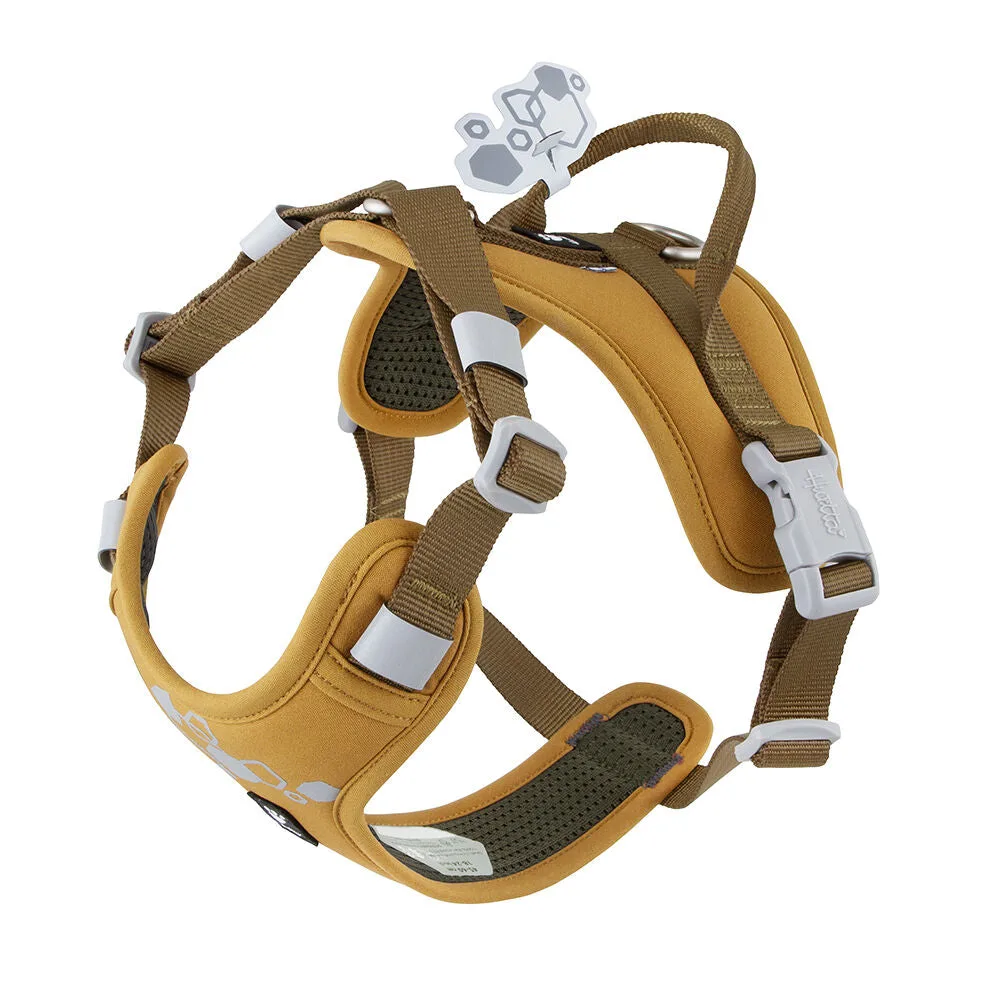
Weekend Warrior Harness II ECO
- Use a soft measuring tape for accuracy.
- Measure twice to ensure consistency.
- If between sizes, size up for comfort.
Step 2: Choose the Right Harness Type
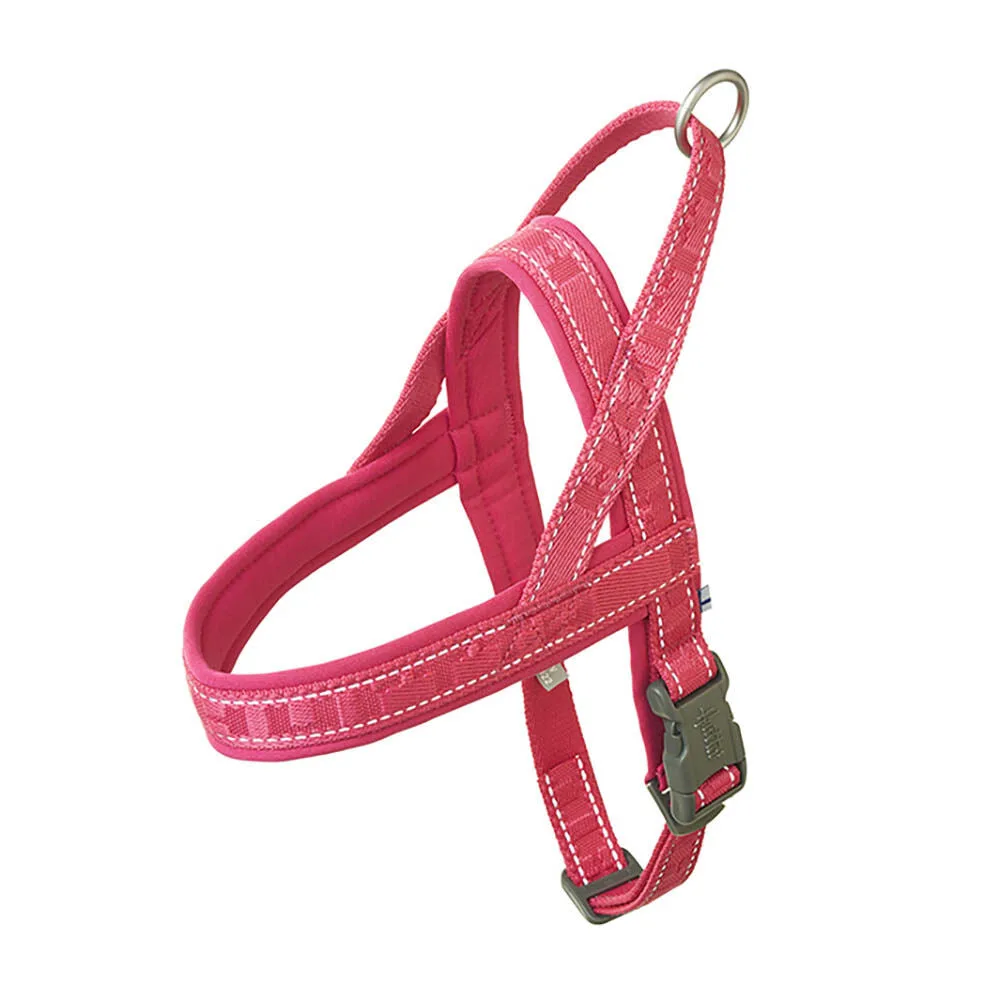
Consider your dog's activity level and body shape. For everyday walks, a padded harness like the Casual Harness ECO offers comfort and durability. For active dogs, a harness with more adjustability, like the Weekend Warrior Harness II ECO, provides a secure fit and better control.
Think about the features you need: quick-drying materials for water activities, reflective elements for night walks, or a lightweight design for travel. The right type ensures the harness fits well and serves its purpose.
- Padded harnesses are great for dogs with sensitive skin.
- For high-energy dogs, choose a harness with a front clip for better control.
- Ensure the harness has enough adjustment points for a customized fit.
Step 3: Put the Harness On Correctly
Loosen all straps before putting the harness on your dog. Slip it over your dog's head (if it's a step-in style, have your dog step into it) and then fasten the buckles. Make sure the harness is centered on your dog's body and not twisted.
Check that the front strap sits across the chest, not on the throat, and that the back D-ring is positioned between the shoulder blades. Adjust the straps so the harness is snug but allows free movement.
- Have treats ready to make the process positive.
- If your dog is nervous, practice in short sessions.
- Ensure all buckles are securely fastened.
Step 4: Adjust the Straps for a Secure Fit
Adjust the straps so that you can fit two fingers (stacked) under each strap. This ensures the harness is snug enough to prevent slipping but loose enough to be comfortable. Check that the harness doesn't rub under the armpits or restrict your dog's stride.
For harnesses with multiple adjustment points, like the Weekend Warrior II ECO, fine-tune each strap to achieve an even fit. The harness should stay in place when your dog moves, but you should be able to rotate it slightly on the body.
- The two-finger rule is a reliable guide.
- Avoid over-tightening, which can cause chafing.
- If the harness shifts, re-adjust the straps.
Step 5: Test the Fit and Monitor Comfort
Once adjusted, do a quick test: walk your dog around and observe their movement. They should be able to run, sit, and play without any restriction. Watch for signs of discomfort like excessive scratching, whining, or trying to wiggle out.
Re-check the fit after a few minutes and after your dog has been active. Some harnesses may loosen over time, so it's important to re-adjust as needed. Also, check for any signs of rubbing or hair loss after use.
- Perform a 'two-finger test' at each strap.
- Monitor your dog during the first few uses.
- Re-adjust if the harness seems loose.
Step-by-Step Fitting Checklist
- Measure: Measure your dog's neck and chest with a flexible tape. Compare to the brand's size chart. Checkpoint: Measurements should be snug but not tight.
- Choose: Select a harness type that suits your dog's activities and body shape. Checkpoint: Ensure the harness has enough adjustment points.
- Put On: Loosen all straps, slip the harness on, and fasten buckles without twisting. Checkpoint: The harness should be centered and not pressing on the throat.
- Adjust: Tighten straps so two fingers fit under each. Ensure no rubbing under armpits. Checkpoint: Harness should stay in place but allow free movement.
- Test: Walk your dog and observe for any signs of discomfort or shifting. Checkpoint: Re-adjust as needed after activity.
Harnesses That Fit Well
- Casual Harness ECO: The Hurtta Casual Harness ECO is a durable, padded harness made of quick-drying neoprene combined with a 100% recycled knit fabric. This updated, environmentally friendly version also features 100% recycled woven polyester straps and tough, rust-resistant, nickel-plated steel hardware. The padded neoprene and recycled fabric provide comfort for daily walks, and the adjustable straps ensure a secure fit. The durable hardware means it will hold up to regular use.
- Weekend Warrior Harness II ECO: In this updated version of our best-selling, most popular harness, we’ve narrowed the padding at the front, meaning it fits even the slimmest dogs perfectly, and repositioned the metal loop for the leash, ensuring it remains firmly on top of the padding and never causes discomfort. The narrowed front padding and repositioned leash loop enhance comfort and fit, making it easier to adjust for a snug, irritation-free fit, especially for dogs with slim builds.
A properly fitted harness is a game-changer for both you and your dog. By following these steps, you’ll ensure a comfortable, secure fit that supports your dog’s well-being during every adventure. Remember to re-check the fit periodically, especially as your dog grows or changes weight. With the right harness and a little time, you’ll both enjoy walks and outdoor activities more.