Your holster and tactical gear are investments in your safety and performance. Whether you carry daily or only on range days, how you store your equipment when it's not in use plays a critical role in its longevity and reliability. Improper storage can lead to warping, rust, degradation of materials, and even failure when you need it most.
In this guide, we'll walk you through the best practices for storing your holsters, magazine pouches, and other gear. From cleaning and drying to environmental considerations, these tips will help you keep your equipment in top condition, ready for action whenever you are.
Why Proper Storage Matters
Holsters, especially those made from Kydex or similar materials, can lose their shape if stored under pressure or in extreme temperatures. Leather holsters can dry out and crack if not conditioned. Magazine pouches and other nylon gear can develop mildew if stored damp. Even the most durable equipment has a lifespan, but proper storage can significantly extend it.
Moreover, a well-maintained holster ensures a consistent draw and secure retention. If your holster warps or loosens, it can compromise your ability to access your firearm quickly and safely. By investing a little time in proper storage, you protect both your gear and your peace of mind.
- Prevent warping and deformation of Kydex holsters.
- Avoid rust and corrosion on metal components.
- Maintain the integrity of elastic and nylon materials.
Clean and Dry Your Gear Before Storage
Before storing any holster or gear, ensure it is clean and completely dry. Sweat, dirt, and moisture can accelerate wear and cause corrosion. For Kydex holsters, use a mild soap and water solution to wipe down the surface, then dry thoroughly with a soft cloth. Avoid harsh chemicals that can degrade the material.
For leather holsters, use a leather cleaner and conditioner to keep the material supple. After cleaning, allow the leather to air dry away from direct heat. For nylon gear like magazine pouches, spot clean with a damp cloth and ensure they are fully dry before storage to prevent mildew.
- Wipe down Kydex holsters after each use.
- Condition leather holsters every few months.
- Air out nylon gear to prevent odor and mildew.
Choose the Right Storage Environment
The environment where you store your gear is just as important as how you clean it. Ideal storage conditions are cool, dry, and away from direct sunlight. Excessive heat can cause Kydex to soften and warp, while UV rays can fade colors and weaken materials. A closet or drawer in a climate-controlled room is usually sufficient.
Humidity is another factor to consider. High humidity can lead to rust on metal parts and cause leather to absorb moisture, leading to mold. Consider using silica gel packs in your storage area to absorb excess moisture. If you live in a particularly humid climate, a dehumidifier can be a worthwhile investment.
- Avoid storing in a hot car or attic.
- Use silica gel packs to control moisture.
- Keep gear out of direct sunlight.
Store Holsters with Proper Support
Kydex holsters should be stored in a way that maintains their shape. Avoid placing heavy objects on top of them, as this can cause deformation. If possible, store them on a shelf or in a dedicated drawer where they won't be crushed. Some users prefer to keep their holsters in a soft case or pouch for added protection.
For holsters with retention screws, it's a good idea to loosen the screws slightly before long-term storage. This relieves tension on the material and prevents stress points from forming. When you're ready to use the holster again, simply retighten to your preferred setting.
- Use a dedicated storage box or drawer.
- Loosen retention screws for long-term storage.
- Avoid stacking heavy items on top of holsters.
Organize Your Gear for Easy Access
A well-organized storage system not only protects your gear but also makes it easier to find what you need. Consider using a pegboard, shelf, or drawer dividers to keep your holsters, magazine pouches, and belts separated and visible. This reduces the risk of scratching or damaging items when you're rummaging for something.
Label your storage containers or sections so you know exactly where each piece of gear is. This is especially helpful if you have multiple holsters for different firearms, such as the Incog X Holster S&W Shield Plus Nonlight or the Incog X Holster P365 Macro Nonlight. Keeping them clearly separated ensures you grab the right one every time.
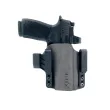
Incog X Holster P365 Macro Nonlight
- Use drawer dividers to separate items.
- Label containers for quick identification.
- Hang belts and pouches on hooks to save space.
Special Considerations for Magazine Pouches and Belts
Magazine pouches and belts are often made from nylon or elastic, which can lose their tension over time if not stored properly. Avoid folding or rolling them tightly, as this can create creases that weaken the material. Instead, lay them flat or hang them to maintain their shape.
For belts like the D3 Belt, store them coiled loosely or on a hanger to prevent kinks. If your magazine pouches have bungee retention, ensure the bungee is not stretched when storing. This will prolong the life of the elastic and keep your pouches functioning reliably.
- Lay nylon gear flat to avoid creases.
- Hang belts to maintain their curve.
- Keep bungee cords relaxed when not in use.
When to Use a Dedicated Storage Solution
If you have a large collection of gear, consider investing in a dedicated storage solution like a gun safe or a gear locker. These provide a controlled environment and protect your equipment from dust, moisture, and theft. Some safes even include dehumidifiers to maintain optimal conditions.
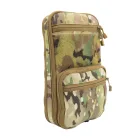
For those who prefer a more portable option, a gear bag or case can be an excellent choice. The flatpack-x-multicam-alpine-381639">FlatPack X - MultiCam Alpine is a great example of a versatile pack that can double as a storage solution for your holsters and accessories. Its padded compartments keep your gear organized and protected, whether at home or on the go.
- Gun safes offer secure, climate-controlled storage.
- Gear bags provide portability and organization.
- Choose storage that fits your collection size.
Proper storage is a simple yet crucial aspect of gear maintenance. By following these tips, you can ensure your holsters and tactical equipment remain in excellent condition for years to come. Remember to clean, dry, and store your gear in a suitable environment, and consider using organizational tools to keep everything accessible. For more information on high-quality holsters and gear, check out the Incog X Holster S&W Shield Plus Nonlight and other products from Haley Strategic Partners.